According to PRIME PROGRESS
I. The Hidden Danger Within Our Walls
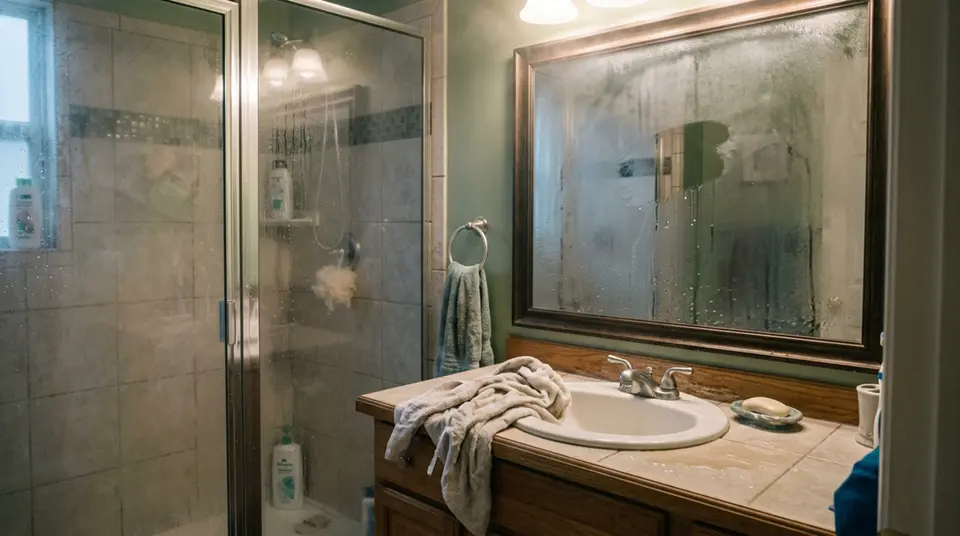
While public health discussions often focus on outdoor air pollution, industrial emissions, or viral outbreaks, a significant and insidious threat to respiratory health is flourishing inside the very places meant to be safe havens: our homes.
A recent analysis highlights the profound dangers posed by damp living environments, framing persistent household moisture as a critical public health hazard driving a range of severe respiratory ailments.
The core message of the report is clear: living in a damp home is a direct pathway to compromised lung function and chronic illness. The presence of excess moisture creates an ideal microclimate for biological agents that actively degrade indoor air quality.

Source: Wikimedia Commons, CC BY-SA 4.0
II. The Biological Trigger: A Breeding Ground for Pathogens
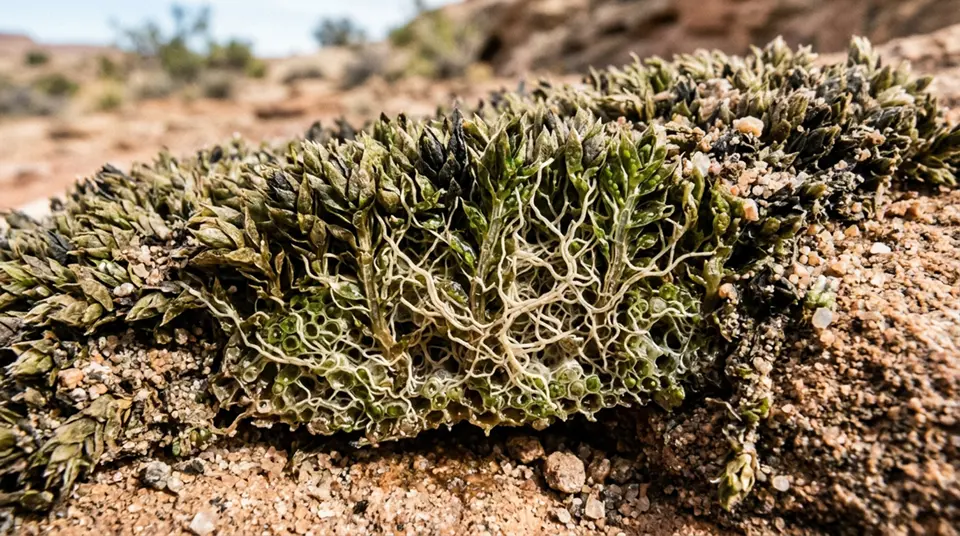
The primary mechanism through which damp homes harm health is by serving as a fertile breeding ground for harmful microorganisms and pests.
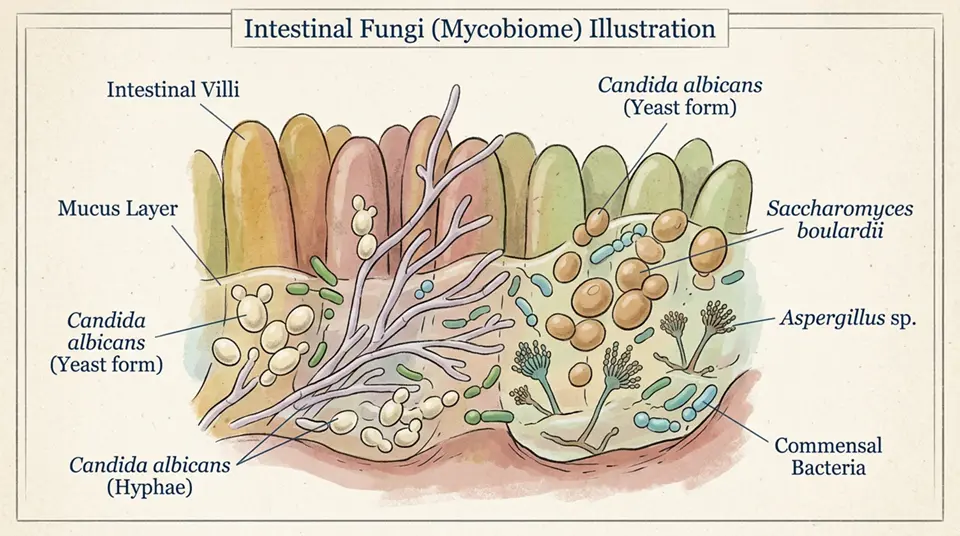
Mold and Fungal Proliferation
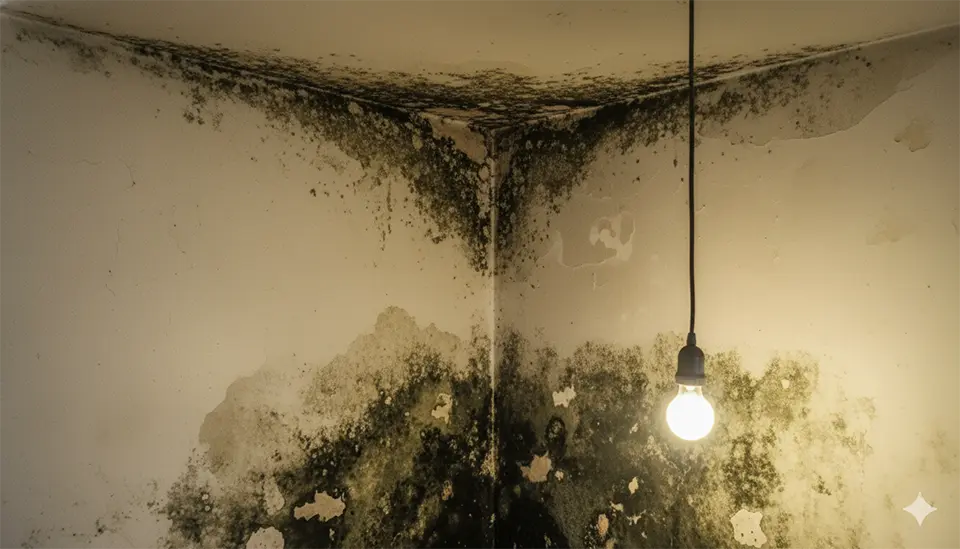
The most visible consequence of dampness is mold growth.
Fungi require moisture to thrive, and once established on drywall, wood, or fabrics, they release:
- microspores
- volatile organic compounds (VOCs)
These airborne particles enter deep into the lungs.
Dust Mite Explosion
House dust mites thrive in humid environments. Their droppings are potent allergens and increase indoor allergen load.
Bacterial Growth
Damp materials support growth of various bacteria that produce musty odors and release endotoxins harmful to the respiratory tract.

Source: Wikimedia Commons, CC BY-SA 4.0
III. The Respiratory Assault: Consequence of Exposure
The report details the extensive impact of inhaling these biological contaminants over time.
Asthma Exacerbation and Development
Strong evidence links dampness and mold to asthma.
For existing asthmatics: more frequent and severe attacks.
For healthy individuals: long-term exposure increases risk of developing asthma.
Allergic Rhinitis and Inflammation
Mold spores and dust mites trigger allergic rhinitis — congestion, sneezing, runny nose, itchy eyes.
Respiratory Infections
Damp homes weaken the respiratory tract’s defenses, increasing risk of:
- bronchitis
- prolonged colds
- recurrent infections
General Symptoms
Even without diagnosis, residents report:
- coughing
- wheezing
- chest tightness
- shortness of breath
IV. Vulnerable Populations at Highest Risk
Certain groups bear the greatest burden from damp housing:
Children
Because their immune and respiratory systems are still developing and they breathe more air relative to body size, children face the highest risk of:
- lifelong asthma
- reduced lung growth
- permanent respiratory damage
The Elderly
Older adults with weakened immunity or chronic lung conditions (e.g., COPD) face heightened risk of infections and disease flare-ups.
Immunocompromised Individuals
For cancer patients, transplant recipients, or people with advanced HIV, inhaling spores from molds such as Aspergillus can lead to invasive fungal infections, which can be fatal.

Source: Wikimedia Commons, CC BY-SA 4.0
V. Viewpoint: Housing Quality as a Determinant of Health
Housing quality is a primary determinant of public health.
Treating respiratory disease with medication while returning patients to damp, mold-infested homes is ineffective and unsustainable.
Damp housing is often tied to:
- poor building standards
- neglected rental housing
- fuel poverty (unable to afford adequate heating)
Addressing respiratory health requires structural prevention, not only clinical treatment.
Ensuring dry, well-ventilated, thermally efficient homes is a preventive health measure, not merely a building concern.
VI. The Path Forward: Mitigation and Prevention
The ultimate solution lies in moisture control:
Adequate Ventilation
Proper airflow in kitchens and bathrooms to prevent condensation buildup.
Structural Repair
Fixing leaks in roofs, pipes, walls, and windows immediately.
Proper Heating
Keeping indoor temperatures stable to prevent cold-surface condensation.
Moisture Management
Avoiding indoor clothes drying without ventilation; reducing humidity sources.
A dry home is a prerequisite for a healthy respiratory system.
References
- World Health Organization (WHO). Dampness and Mold & Health.
- Centers for Disease Control and Prevention (CDC). Mold and Indoor Air Quality.
According to PRIME PROGRESS
Key Takeaways
- Persistent indoor dampness is one of the most significant and underappreciated drivers of respiratory illness at a population level—far exceeding the health burden of many headline-grabbing environmental pollutants.
- The respiratory effects of indoor dampness and mold exposure are mediated through multiple simultaneous pathways: IgE-mediated allergy, non-specific irritation from MVOC (microbial volatile organic compounds), innate immune activation by beta-glucans, and potentially direct airway colonisation.
- Children living in persistently damp homes have significantly higher rates of respiratory symptoms, asthma development, and school absence compared to children in dry homes—effects documented across multiple longitudinal cohort studies.
- Building physics—not just cleaning or surface treatment—must be addressed to resolve persistent indoor dampness: thermal bridging, vapour barriers, ventilation rates, and roof/foundation integrity all contribute to chronic damp conditions.
- Socioeconomic factors drive disproportionate damp housing exposure in lower-income communities, creating a ‘respiratory equity’ issue where health disparities from housing quality compound other environmental justice concerns.
Frequently Asked Questions
What causes persistent dampness in homes and buildings?
Persistent indoor dampness has multiple structural and behavioral causes that must be identified and addressed to achieve lasting resolution—surface cleaning or dehumidifiers alone cannot solve problems rooted in building physics. Structural causes of persistent dampness: roof defects—failed flashing, cracked or missing tiles, blocked gutters allowing water ingress through the roof structure; penetrating damp—water driven through walls by wind-driven rain, particularly in exposed positions; poor pointing (the mortar joints between masonry) allows water absorption; rising damp—moisture from the ground drawn upward through foundation walls and floor structures by capillary action; particularly common in older buildings without modern damp-proof courses; condensation on cold surfaces—most common in modern well-sealed buildings with inadequate ventilation; warm, humid indoor air meets cold surfaces (exterior-facing walls in winter, window reveals, north-facing rooms) and water vapour condenses; thermal bridges (points of poor insulation such as window frames, wall ties, and building structure elements) create localised cold spots where condensation forms preferentially. Plumbing defects—leaking pipes, shower enclosure failures, overflowing appliances. Behavioural and occupancy factors: cooking, bathing, and other moisture-generating activities without adequate mechanical extraction; drying laundry indoors without ventilation; excessive occupancy relative to ventilation capacity; blocking of air vents or trickle vents (often by residents trying to reduce drafts or heat loss). Compound problems: many cases involve a combination of structural deficiency and inadequate ventilation; for example, a slightly defective shower enclosure combined with no bathroom extractor fan creates persistent dampness.
How does living in a damp home damage respiratory health?
The respiratory health consequences of living in persistently damp, mold-affected housing are well-established through decades of epidemiological research and supported by mechanistic studies identifying how mold and dampness damage the airways. Documented respiratory effects: asthma and wheeze—living in damp and moldy housing is associated with approximately 30–50% higher odds of childhood asthma in meta-analyses of epidemiological studies; the association is consistent across studies in multiple countries and remains significant after adjusting for other factors; in already asthmatic individuals, damp and moldy housing is associated with more frequent and more severe asthma attacks. Allergic rhinitis—upper respiratory allergic symptoms (nasal congestion, discharge, sneezing) are elevated in residents of damp homes; mold sensitisation drives a significant proportion of allergic rhinitis in humid climates. Respiratory infections—children in damp homes have higher rates of respiratory infections; mold-associated immune dysregulation may impair respiratory pathogen clearance, and the damp environment may support longer persistence of airborne viral particles. Lung function—studies using spirometry show lower lung function measurements (FEV1, FVC) in children and adults living in damp housing, with magnitudes of effect comparable to passive smoking. Mechanisms: IgE-mediated allergic responses to mold allergens (particularly Alternaria, Cladosporium, Aspergillus, Penicillium species); innate immune activation by mold cell wall components (beta-glucans, chitin fragments) that trigger non-allergic inflammatory responses; microbial volatile organic compounds (MVOCs) produced by molds and bacteria in damp materials that are directly irritating to respiratory mucosa.
What is the difference between dampness and mold—do they have different health effects?
Dampness and mold are related but not identical concepts—dampness is the condition (excess moisture in building materials and air) while mold is the biological consequence (fungal growth in moist conditions)—and they have overlapping but distinct mechanisms of health effect. Dampness without visible mold: elevated moisture in building materials creates microbial communities including bacteria (particularly Gram-negative bacteria producing endotoxin), actinomycetes, and fungi even before macroscopic mold growth becomes visible; these communities produce microbial volatile organic compounds (MVOCs), endotoxin, fungal cell fragments, and other bioaerosols that have respiratory effects; epidemiological studies consistently find respiratory health effects of ‘dampness’ independent of visible mold—suggesting that the effects are not solely from visible mold colonies. Visible mold: fungal colonies visible to the naked eye represent significant biomass producing spores, mycotoxins (some species), and allergens continuously; these are the source of the highest concentrations of mold-specific bioaerosols; in sensitised individuals, visible mold produces the most intense allergic exposure. Research findings on which is more harmful: health studies find that both self-reported dampness (without visible mold) and visible mold are independently associated with respiratory effects; the presence of both together has greater effect than either alone; this supports the view that the full ‘dampness ecology’—including bacteria, sub-visible fungi, and MVOCs—contributes to health effects beyond mold alone. Practical implication: addressing a damp home requires attention to moisture sources and ventilation, not just cleaning visible mold—because the health effects come from the entire damp ecology, not just the visible fungi.
What are MVOCs and how do they affect health?
Microbial volatile organic compounds (MVOCs) are small, chemically diverse molecules produced as metabolic byproducts by mold, bacteria, and other microorganisms growing in damp building materials—distinct from the chemical volatile organic compounds (VOCs) emitted from building materials, paints, and furnishings. What MVOCs are: MVOCs include hundreds of different compounds in classes including alcohols (1-octen-3-ol, 3-methyl-1-butanol), ketones (2-pentanone, 3-methyl-2-butanone), aldehydes, terpenes, and sulfur-containing compounds; different mold species and growth substrates produce different MVOC profiles; the characteristic musty odour associated with mold-affected buildings is largely caused by specific MVOCs, particularly 1-octen-3-ol, geosmin, and 2-methylisoborneol. Health effects of MVOCs: mucous membrane irritation—MVOCs cause irritation of the eyes, nose, and throat at concentrations commonly found in mold-affected buildings; symptoms include eye irritation, nasal symptoms, throat irritation, and headache; sensory irritation is dose-dependent and occurs in non-sensitised individuals, unlike IgE-mediated allergy. Neurological effects—some MVOCs at higher concentrations can cause neurological symptoms including difficulty concentrating, fatigue, and headache; whether these effects are relevant at typical building exposure levels is debated. Respiratory sensitisation—animal studies show some MVOCs can sensitise respiratory mucosa to other irritants, potentially lowering thresholds for asthma triggers. MVOC as a diagnostic tool: MVOC measurement in indoor air using thermal desorption-gas chromatography-mass spectrometry can detect mold-associated volatile profiles even without visible mold; this approach is increasingly used in building investigations to detect hidden mold behind walls or under flooring.
How can persistent indoor dampness be permanently fixed?
Permanently resolving persistent indoor dampness requires a systematic approach that identifies and eliminates the moisture source—not just treats the surface symptoms—followed by appropriate ventilation improvements to prevent recurrence. Diagnostic first steps: professional damp survey—a qualified surveyor using a combination of damp meters (measuring moisture content of walls and floors), thermal imaging (identifying cold bridges where condensation forms), and visual inspection can differentiate between penetrating damp, rising damp, and condensation; correct diagnosis is essential because the remediation approach differs for each cause. Remediation by cause: penetrating damp (rain water ingress)—identify and repair roof defects, repoint masonry, repair window and door seals, improve external drainage; typically requires roofer, mason, or general builder. Rising damp—install or repair damp-proof course; older buildings may need chemical damp-proof injection; solid ground floors may need DPC membrane; address any bridging of existing DPC by raised ground levels or paving. Condensation—primary solution is improved ventilation: mechanical extractor fans in bathrooms (rated at minimum 15 litres/second) and kitchens (minimum 30 l/s), operating continuously at low rate with boost during use; through-ventilation or heat recovery ventilation (MVHR) for whole-house humidity control; secondary solution is improved insulation to warm cold surfaces where condensation forms. Plumbing defects—fix leaks promptly; replace failed shower enclosures and bath sealing. Post-remediation period: after structural repairs, allow building fabric to dry over weeks to months; continue dehumidification during drying period; MVOC and spore levels typically decline within 2–4 weeks of successful moisture removal; visible mold should be removed from salvageable surfaces with appropriate biocidal treatment after drying.