According to AGRONEWS.UA
In a Breakthrough That May Reshape Crop Protection
In a breakthrough that may reshape how farmers manage plant diseases, scientists have discovered a fungus capable of producing volatile organic compounds (VOCs) that suppress pathogen growth in crops. This finding could pave the way for natural, low-chemical biocontrol methods, especially in resource-sensitive and sustainable agriculture settings.

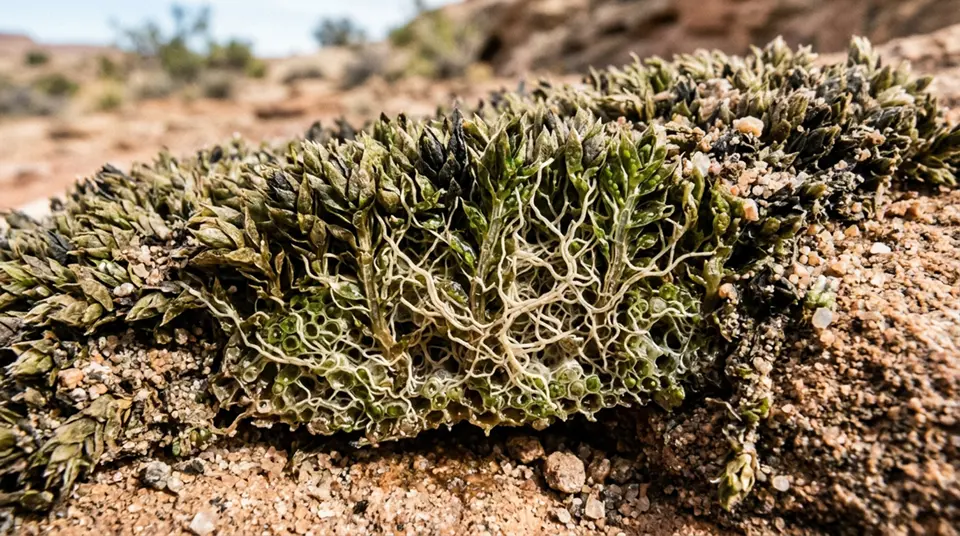
Source: Wikimedia Commons, CC BY-SA 3.0
Discovery and Mechanism
The new fungus was isolated from agricultural soil and tested for its ability to emit airborne compounds that inhibit disease-causing microbes. When grown in controlled conditions, the fungus secreted a suite of VOCs—small, volatile molecules capable of diffusing through air or soil—that reduced pathogen growth in adjacent chamber trials.
Although the AgriNews report did not name the species, its behavior echoes known fungi such as Muscodor albus, which also releases antimicrobial VOCs including alcohols and esters that inhibit molds and bacterial pathogens.
The mechanism works as follows: the fungus metabolizes substrates and secretes volatile compounds that can travel through air or porous soil. These VOCs can penetrate or disrupt the cell walls, membranes, or internal metabolism of pathogenic fungi or bacteria, slowing their growth or killing them outright.
These compounds act at a distance—meaning the control effect does not require physical contact with the pathogen—making them potentially useful in fields or storage environments where direct application is infeasible.
Agricultural Benefits
The implications for crop protection are compelling:
- Reduced chemical fungicide use: Using VOC-producing fungi could lessen dependence on synthetic fungicides, which often carry environmental, health, and resistance risks.
- Eco-friendly disease suppression: VOCs are volatile and degrade naturally, potentially minimizing residue concerns.
- Broad-spectrum inhibition: Some VOCs may control multiple pathogens at once, rather than targeting specific species.
- Ease of delivery: In principle, the fungus could be cultured or introduced into soils or storage systems to continuously produce the VOCs in situ.

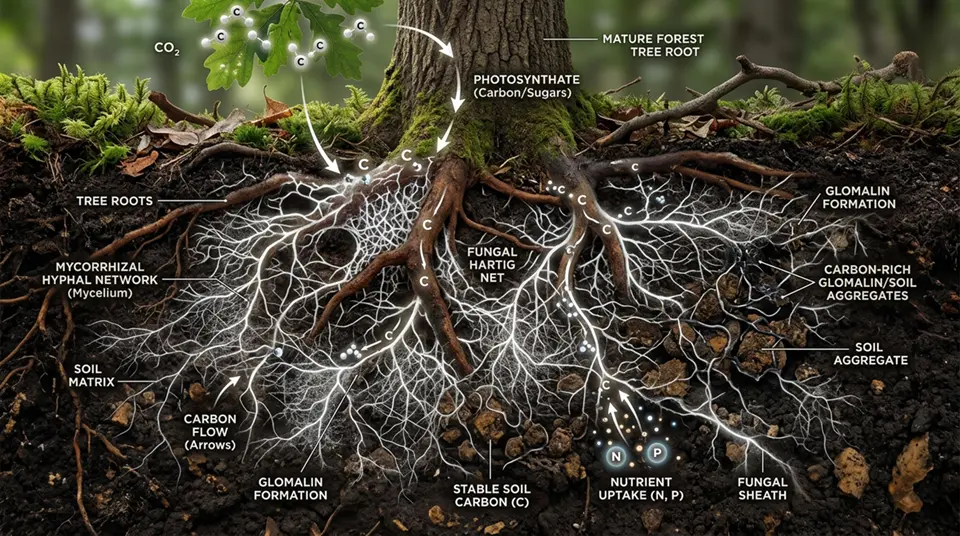
Source: Wikimedia Commons, CC BY-SA 3.0
Scientific reviews of fungal VOCs show their potential in promoting plant growth and inhibiting pathogens, though real-world application remains in early stages. (Hung et al., 2015, Frontiers in Microbiology).
Challenges & Limitations
Despite promise, significant hurdles remain before this discovery can be scaled to farms:
- Volatility and stability
VOCs by nature are volatile and may dissipate too quickly in open field conditions to maintain effective concentrations. - Delivery & containment
Ensuring that VOCs reach the target pathogens without dispersing to nontarget areas is a logistical challenge. - Dose control and consistency
Biological production may vary with environmental conditions (temperature, substrate, humidity), risking fluctuations in VOC output. - Safety and non-target effects
Although VOCs are generally low in residual toxicity, their effects on beneficial microbes, pollinators, or human health require careful evaluation (NIH, 2021). - Regulation and scalability
Commercializing microbial VOC solutions faces regulatory hurdles, registration barriers, and scaling from lab to field.
These challenges are well recognized in the broader literature on microbial VOCs in agriculture.
Possible Applications
If developed successfully, VOC-producing fungi could be used in various agricultural contexts:
- Seed coatings or soil inoculants: Introduce the fungus near roots so VOCs can protect seedlings from soil pathogens.
- Greenhouse fumigation: Use VOCs in enclosed environments where containment is easier.
- Postharvest storage: Control spoilage fungi in stored grains, fruits, or vegetables through VOC fumigation.
- Intercropping or companion planting: Plant the VOC-emitting fungus in buffer zones to protect adjacent crops.
Endophytic fungi (fungi living inside plants without causing disease) are already being studied for such roles; their VOCs have shown promise in controlling postharvest disease in fruits and vegetables (Mercier & Jiménez, 2022, Applied Microbiology and Biotechnology).
My Perspective
This discovery strikes me as one of those high-leverage insights bridging microbiology and agriculture. The idea that a fungus can “broadcast” protection through the air is elegant and powerful, especially when chemical tools reach their limits due to resistance or environmental damage.
However, the devil lies in the detail. The leap from controlled laboratory conditions to open-field farming is enormous. But if researchers can overcome volatility, dosage, and regulatory challenges, VOC-based biocontrol may become a key tool in sustainable agriculture.
It also underscores a paradigm shift: moving from applying external chemicals to recruiting living organisms as active agents in crop health—microbial allies that mediate protection invisibly and continuously.

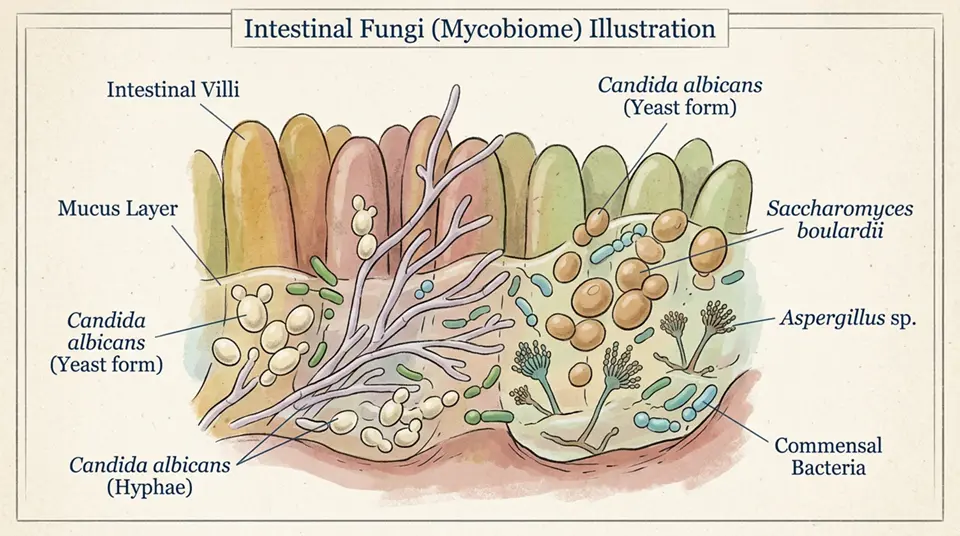
Source: Wikimedia Commons, CC BY-SA 4.0
Farmers, agronomists, and biotech firms should watch this space closely. If this VOC-producing fungus lives up to its promise, it could become a cornerstone in next-generation biocontrol strategies—where air itself becomes part of the defense.
References
- Environmental Protection Agency (EPA). (2023).
- Hung, R., Lee, S., & Bennett, J. W. (2015). Fungal volatile organic compounds and their role in ecosystems. Frontiers in Microbiology, 6, 156.
- Mercier, A., & Jiménez, J. (2022). Endophytic fungi as biocontrol agents via VOC emission. Applied Microbiology and Biotechnology, 106(8), 3345–3358.
According to AGRONEWS.UA
Key Takeaways
- Certain fungal species emit specific volatile organic compounds (VOCs) that have biological activity—both inhibitory toward other microorganisms and potentially attractive or repellent to insects and other organisms.
- The volatile compound profile of a fungal species is its chemical ‘signature’ and can be used for species identification, detection of hidden mold, and discovery of bioactive compounds for pharmaceutical or agricultural applications.
- Key fungal volatile classes include monoterpenes, sesquiterpenes, alcohols, ketones, and furans—many of which are identical to compounds produced by plants and have established roles in ecological signalling.
- Some fungal VOCs serve as inter-kingdom communication signals—informing plants, insects, and other fungi about the presence of neighbouring organisms and triggering defensive or cooperative responses.
- The discovery of novel bioactive fungal volatiles is being accelerated by headspace gas chromatography-mass spectrometry (GC-MS) and metabolomics approaches that characterise entire volatile profiles simultaneously.
Frequently Asked Questions
What are microbial volatile organic compounds (MVOCs) and how are they produced?
Microbial volatile organic compounds (MVOCs) are small, low-molecular-weight organic molecules produced as metabolic byproducts by bacteria and fungi. They are sufficiently volatile to evaporate from the organism’s surface into surrounding air or soil atmosphere at normal temperatures, allowing them to travel distances and interact with other organisms. Fungi produce MVOCs through multiple metabolic pathways: secondary metabolism (terpene and polyketide biosynthesis); amino acid catabolism (producing alcohols, aldehydes, and sulfur-containing compounds); fatty acid oxidation (producing ketones and short-chain alcohols including the characteristic 1-octen-3-ol of many mushrooms); and sugar fermentation (alcohols and esters). The specific MVOC profile varies by fungal species, growth substrate, temperature, moisture, and growth stage.
Which fungal volatile compounds have the most promising bioactivity?
Several fungal volatile compounds have demonstrated significant bioactivity in research. 1-Octen-3-ol (mushroom alcohol) shows antifungal activity against competing fungi and also demonstrates some insecticidal properties. Geraniol and linalool from certain Trichoderma species attract beneficial predatory insects (biological control agents). Isoamyl alcohol and 3-methyl-1-butanol from Saccharomyces and other yeasts inhibit competing fungal pathogens of plants. Volatile fatty acid derivatives from various Penicillium species inhibit food spoilage bacteria. Sesquiterpenes from Glomus (AMF) species have been shown to act as chemical signals triggering germination of partner plant seeds in some experimental systems. The most bioactively interesting compounds are often those at the intersection of fungal and plant VOC chemistry.
How can fungal volatiles be used in sustainable agriculture?
Fungal volatiles offer several potential agricultural applications. Biocontrol: fungal species that produce inhibitory volatiles against crop pathogens (such as Trichoderma atroviride volatiles that inhibit Botrytis cinerea) could be incorporated into biocontrol products applied to crop surfaces or soil. Pest control: Metarhizium anisopliae volatiles attract and disorient certain insect pests; engineering these volatiles into lures could improve biological control of insect crop pests. Elicitor sprays: plant-priming applications of diluted fungal-origin terpenes can activate plant immune responses (systemic induced resistance), reducing disease susceptibility without direct pathogen contact. Post-harvest protection: volatilising antifungal fungal compounds in sealed storage environments (as discussed in 2-nonanone and 3MP research) can protect produce from storage mold.
How are fungal VOC profiles used in species identification?
Fungal volatile profiles can serve as ‘chemical fingerprints’ for species identification, since the specific combination and ratio of compounds produced is often characteristic of a species or strain. Gas chromatography-mass spectrometry (GC-MS) headspace analysis of fungal cultures produces a chromatogram of VOC peaks that, when compared against reference databases, can identify the producing organism. This approach has been validated for clinical fungal identification (distinguishing Aspergillus fumigatus from A. flavus, for example, from breath samples of infected patients—still experimental) and for environmental mold identification without requiring visible fruiting bodies. It is particularly useful for detecting hidden mold in building materials or food products before visible growth appears.
Are there any commercial products based on fungal volatile compounds?
Commercial applications of fungal volatile bioactivity are at varying stages of development. The most established use is in biofumigation: certain Trichoderma-based biocontrol products release volatile antifungal compounds as part of their activity against soil pathogens. Thiamethoxam-resistant pest management programmes have explored pheromone disruption using fungal volatiles. In food preservation, some commercial ‘natural antifungal’ packaging concepts incorporate immobilised fungal volatile compounds (particularly from essential oils with common chemical identity to fungal MVOCs). The medical application of fungal VOC breath testing for invasive aspergillosis diagnosis—using 2-pentylfuran and other markers—is in clinical trial stages with results suggesting diagnostic potential for immunocompromised patients.