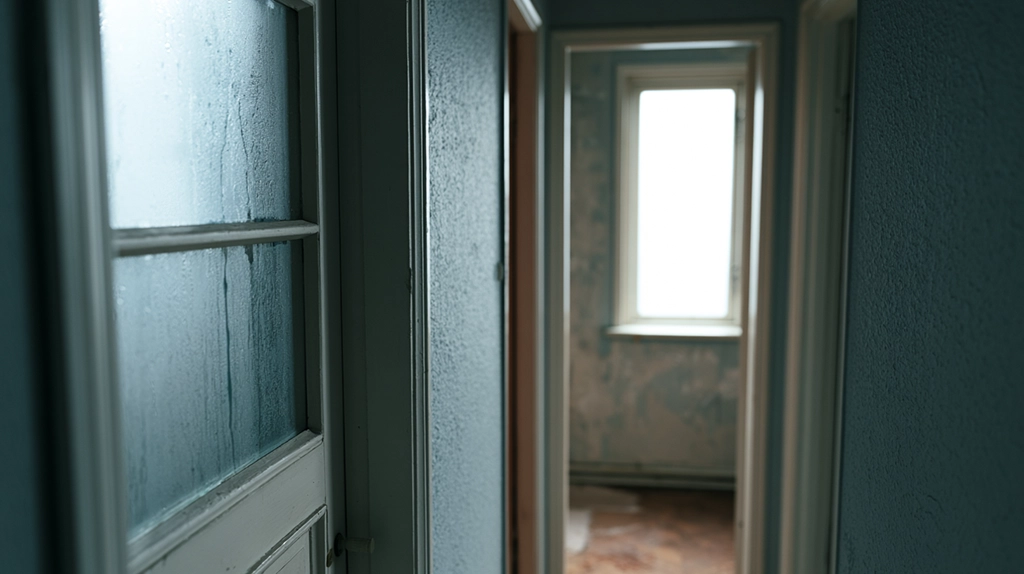
Mold growth rarely announces itself with visible colonies. In most cases, it begins with conditions that develop quietly within the walls, floors, and materials of a home — conditions that can be recognized long before any growth appears, if you know what to look for. The ability to read these early signals is more useful than any cleaning product.
Moisture Comes Before Mold
The sequence is consistent: moisture appears, materials retain water, airflow fails to dry the area, and time allows fungal growth to establish. What makes this sequence preventable is that moisture leaves evidence at each stage. Understanding what that evidence looks like — and what it means — changes how you respond to small irregularities before they grow into larger problems.
Many water-related issues are subtle rather than dramatic. A small roof leak, trapped humidity in a bathroom, or slow condensation on a wall can persist unnoticed for weeks, creating conditions suitable for fungal growth before any visible sign appears. Mold prevention depends on recognizing early environmental signals, not just responding to visible outbreaks.
Odor as the First Indicator

A musty smell is often the first signal that moisture is present in a hidden or poorly ventilated space. It may appear intermittently — after rain, during air-conditioning cycles, or when a closet or storage area is opened after sitting closed for an extended period. The smell does not confirm visible mold, but it indicates that damp materials or microbial activity are present somewhere nearby.
Tracking when and where the odor appears is more useful than simply airing out the space. A smell that returns in the same location after ventilation, or one that intensifies during humid weather, is pointing toward a persistent moisture source that has not been resolved. Odor, in this context, functions as a biological indicator — evidence of conditions rather than visible growth.
What Surface Changes Reveal
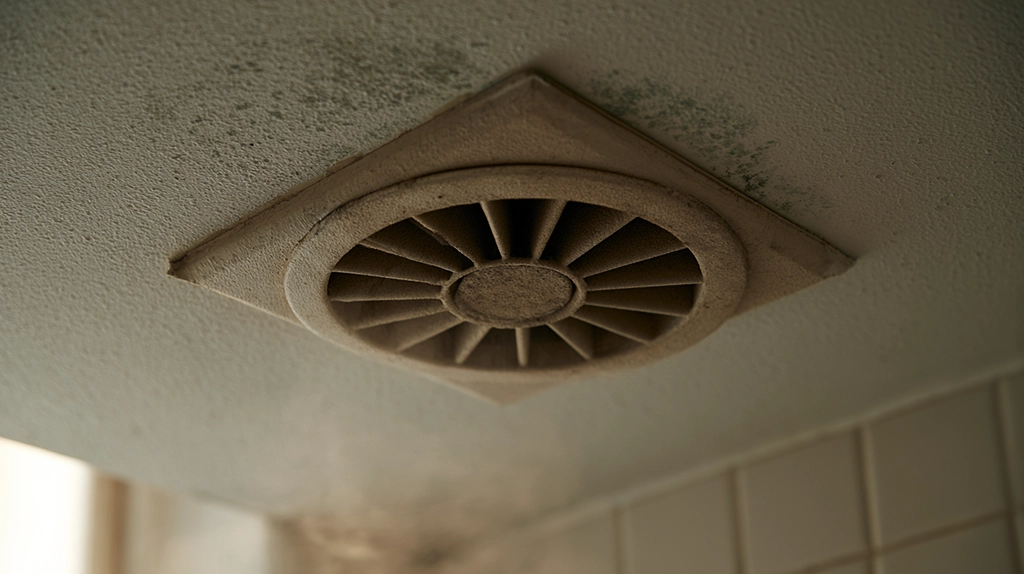
Bubbling paint, peeling wallpaper, soft drywall, or minor staining on ceilings and walls often indicates that moisture has affected these surfaces from behind or within. These changes can persist even after the surface appears dry, reflecting past or ongoing moisture intrusion that has not been fully resolved. Areas exposed to temperature differences or humidity — kitchens, bathrooms, exterior walls in cold climates — are particularly prone to these signs.
Surface irregularities are rarely purely cosmetic. Bubbling paint over a bathroom wall may indicate moisture migrating through from a plumbing connection or cold exterior surface. Soft drywall at the base of a wall frequently points to a slow floor-level leak present long enough to saturate the lower section. These signals should prompt investigation of the underlying cause rather than surface repair alone.
Condensation as a Measurable Indicator
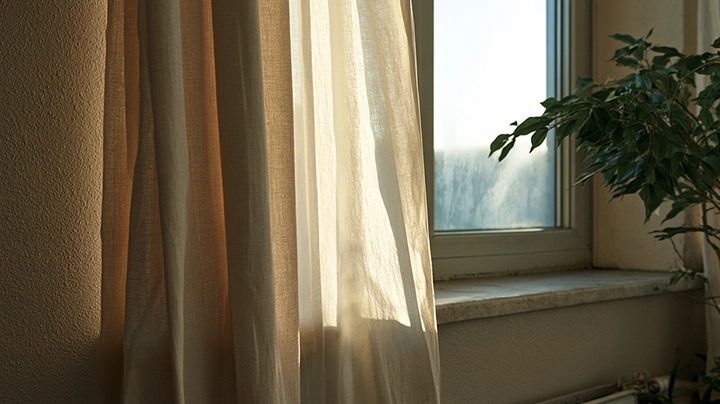
Condensation forms when warm, humid indoor air contacts a cooler surface and releases moisture at the dew point. Occasional condensation on cold windows or metal surfaces in winter is common and generally unremarkable. Frequent or persistent condensation — particularly when it appears consistently on the same surfaces, drips onto sills or frames, or leaves lasting marks — indicates elevated indoor humidity that may be affecting more surfaces than are immediately visible.
Condensation is not a mold problem in itself, but it is a reliable indicator of the humidity conditions that support one. Localized condensation around a cold exterior corner often correlates with a cooler surface temperature that can sustain dampness for longer periods — exactly the condition that allows fungal growth to establish in building materials behind or beneath the visible surface.
Soft Materials and Hidden Water Retention

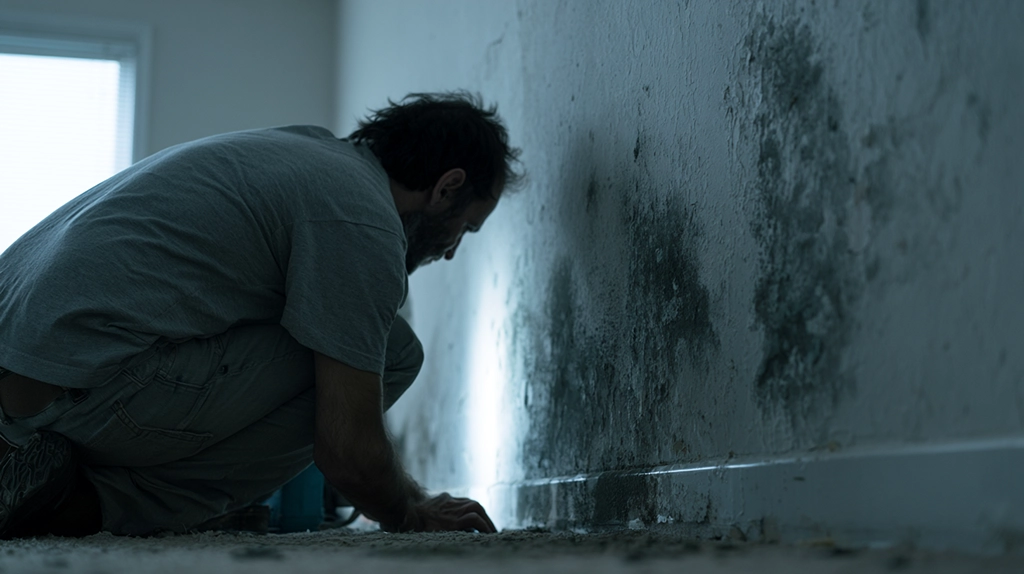
Flooring, carpets, and baseboard areas can trap moisture below the surface in ways that are not always visible. A soft spot underfoot, darkened carpet edges near a wall, loosened baseboards, or slight separation between floor materials and walls may indicate water intrusion or prolonged dampness that has affected the structural or absorbent layers beneath the visible surface.
Porous materials are particularly prone to retaining moisture even after surface drying appears complete. Physical changes in materials are a meaningful signal — they indicate that moisture has penetrated deep enough to alter the material itself, not just dampened the surface. These changes should be treated as indicators of deeper conditions requiring investigation, not cosmetic repairs addressable with patching or repainting.
When Signals Repeat
Recurrence is among the most important indicators of ongoing risk. Spots, stains, musty patches, or damp areas that return after apparent cleaning suggest that the underlying moisture source has not been resolved. Research into indoor air quality consistently identifies persistent dampness — rather than single-event water exposure — as the more significant risk factor for sustained mold presence. Recurring signals indicate the moisture environment has not been interrupted.
Reading the Pattern
Each individual signal — a musty odor, a soft wall, a condensation streak, a peeling paint edge — may appear minor in isolation. Together, they form a system of indicators pointing toward moisture persistence. The practical approach to indoor mold prevention is not reactive cleaning but pattern recognition: noticing when conditions favor growth, addressing moisture sources early, and treating recurrence as evidence that the moisture problem remains active. By the time mold becomes visible, several of these signals have typically already appeared — and been missed.
Common Mold Species Associated with Indoor Moisture
Cladosporium herbarum, Aspergillus niger, Penicillium chrysogenum, Alternaria alternata, and Stachybotrys chartarum are commonly found in damp indoor environments. While these species differ in their specific moisture preferences and health implications, all are associated with conditions involving sustained dampness — exactly the conditions that early moisture signals are designed to help identify before growth establishes.
Frequently Asked Questions
Does a musty smell always mean mold is present?
Not necessarily, but it consistently indicates that damp conditions are present. Musty odor is produced by microbial volatile compounds and often precedes visible growth.
Is condensation on windows a serious concern?
Occasional condensation is normal. Frequent or persistent condensation suggests elevated indoor humidity that may be affecting other surfaces less visibly.
Why do stains keep coming back after cleaning?
Recurring stains indicate that the moisture source has not been resolved. Surface cleaning addresses the symptom without interrupting the underlying condition.
Are soft or warped materials a direct sign of mold?
They are more directly a sign of sustained moisture, which creates conditions that can lead to mold growth. Structural material changes indicate dampness has been present long enough to alter the material itself.
When should professional inspection be considered?
When moisture problems are persistent, affect hidden areas, or involve structural materials, professional moisture inspection provides more accurate information than visual assessment alone.