
The Forest Beneath the Forest
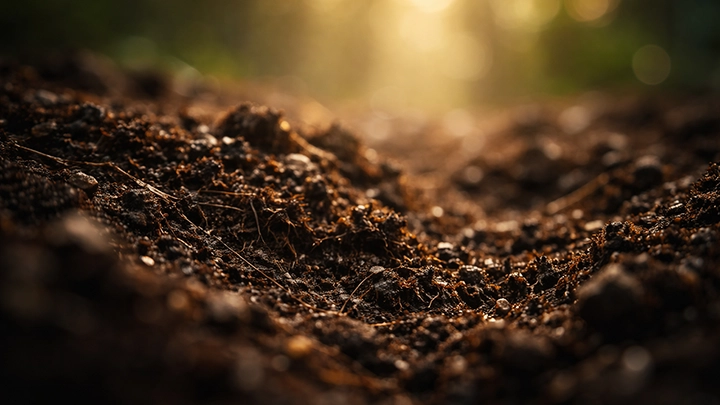
Look at a forest and you see trunks, branches, birds, biomass. But beneath every canopy lies a second ecosystem—vaster, older, and far more consequential than its visible counterpart. Mycorrhizal fungi, those root-associated symbionts that thread through soil in sprawling filaments, form biological networks that regulate plant survival, soil stability, and carbon movement on a planetary scale.

A sweeping global study led by the Society for the Protection of Underground Networks (SPUN) now reveals a stark imbalance: more than 90 percent of the world’s mycorrhizal biodiversity hotspots fall outside recognized protected areas. These fungi orchestrate nutrient cycling, carbon sequestration, and ecosystem resilience, yet they are scarcely acknowledged in conservation policy or climate models. What emerges is not a narrow oversight, but a structural blind spot in how Earth’s life-support systems are understood and managed.
Mapping the Invisible Majority
To pull the underground world into focus, researchers assembled one of the most ambitious fungal datasets in history. Using 2.8 billion DNA sequences from over 10,000 sites across 130 countries, the team mapped three major mycorrhizal guilds: arbuscular mycorrhiza, ectomycorrhiza, and ericoid mycorrhiza. The resulting Underground Fungal Atlas charts hotspots of belowground diversity in unprecedented detail.

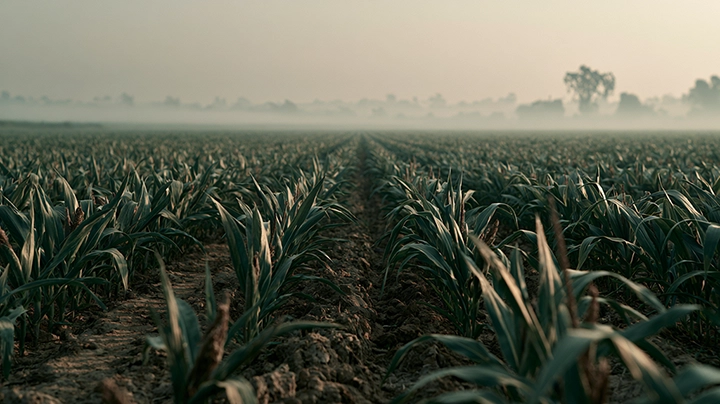
What the atlas reveals is unsettling. Many of the richest fungal regions lie directly beneath croplands, mining zones, intensive pasture systems, and areas slated for urban expansion. In short, the ecosystems that rely most heavily on fungal infrastructure are also those undergoing the greatest transformation.
The scale of what’s at stake becomes clearer when considering carbon. Mycorrhizal fungi are estimated to channel more than 13 billion tons of carbon dioxide (CO₂) from the atmosphere into soils each year—comparable to a third of annual fossil-fuel emissions. Yet this carbon movement is mostly absent from national climate strategies or nature-based solutions. The world’s carbon accounting remains fixated on trunks and leaves, while the machinery below them stays unmapped and unprotected.

Why Mycorrhizal Fungi Matter
If conservation narratives have historically missed fungi, it’s not because their role is minor—it’s because their work is silent. Mycorrhizal fungi weave their hyphae far beyond the reach of roots, delivering phosphorus, nitrogen, and micronutrients to plants in exchange for carbon. This exchange stabilizes soils, enhances water retention, and supports plant productivity across biomes.

In agriculture, they reduce fertilizer dependence and buffer crops against drought and nutrient stress. In forests, they forge nutrient-sharing networks that help trees recover from fire, pests, and fragmentation. At planetary scale, these fungi act as carbon brokers, storing atmospheric carbon in slow-turnover soil pools.
Remove them, and ecosystems lose more than biodiversity. They lose coherence. Food systems become brittle, carbon cycles destabilize, and landscape resilience weakens from the ground up.
The Underground Atlas as a Conservation Tool
The SPUN Atlas marks a pivotal shift: it enables conservation to extend below the soil surface. For the first time, land managers and policymakers can identify priority fungal regions and incorporate them into protected-area design, agroforestry planning, rewilding efforts, and carbon offset programs.
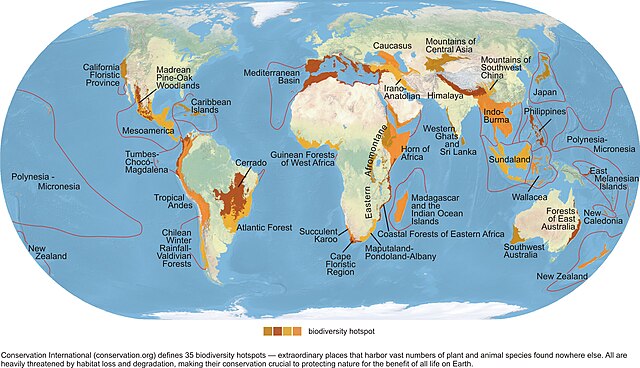
Instead of guessing where fungal biodiversity lies, planners can now integrate fungal distribution data into restoration strategies. The atlas doesn’t replace established conservation frameworks; it simply reveals what they have overlooked. It places fungal networks—once invisible, now mapped—on equal footing with the plants and animals they sustain.
A Policy Blind Spot with Global Consequences
Despite their ecological centrality, fungi remain largely absent from major biodiversity agreements. The Convention on Biological Diversity (CBD) does not explicitly mandate fungal protection, and national biodiversity monitoring rarely includes fungal decline. This policy vacuum has real consequences.
Habitats containing irreplaceable fungal diversity can be cleared, tilled, or paved without triggering any formal review. Restoration projects may replant trees but leave the fungal networks fractured. Carbon strategies may reward aboveground biomass while ignoring the underground carbon sinks that stabilize ecosystems.
SPUN and allied scientists now argue for explicit fungal inclusion in global biodiversity policy, dedicated funding for DNA-based fungal monitoring, and legal recognition of underground biodiversity hotspots. Their point is simple: conservation grounded only in what we can see is incomplete conservation.
Rethinking Climate and Conservation from Below
This research compels a reframing of climate adaptation and ecological protection. Mycorrhizal fungi are not niche organisms for specialists—they are systems engineers for the biosphere. Protecting them safeguards carbon sequestration, water cycling, agricultural resilience, and ecosystem recovery in one stroke.
If conservation efforts continue to focus only on visible landscapes, they will preserve leaves while losing the lattice that sustains them. Mycorrhizal fungi do not roar, bloom, or migrate, but they quietly determine whether ecosystems persist or unravel.
Climate resilience may depend less on what humanity plants and more on what it preserves beneath its feet.
References
Academic Sources
van der Heijden, M. G. A., et al. (2015). Mycorrhizal ecology and evolution: The past, the present, and the future. New Phytologist.
DOI: https://doi.org/10.1111/nph.13288
Averill, C., et al. (2014). Global imprint of mycorrhizal fungi on whole-plant nutrient economics. Proceedings of the National Academy of Sciences.
DOI: https://doi.org/10.1073/pnas.1311402111
Treseder, K. K., & Lennon, J. T. (2015). Fungal traits that drive ecosystem dynamics. Nature Reviews Microbiology.
DOI: https://doi.org/10.1038/nrmicro3524
Official Sources
Society for the Protection of Underground Networks (SPUN) — Global Underground Fungal Atlas initiative
https://www.spun.earth
Food and Agriculture Organization (FAO) — Soil biodiversity and ecosystem services
https://www.fao.org
United Nations Convention on Biological Diversity (CBD) — Biodiversity framework
https://www.cbd.int
Key Takeaways
- Look at a forest and you see trunks, branches, birds, biomass.
- Mycorrhizal fungi, those root-associated symbionts that thread through soil in sprawling filaments, form biological networks that regulate plant survival, soil stability, and carbon movement on a planetary scale.
- To pull the underground world into focus, researchers assembled one of the most ambitious fungal datasets in history.
- Many of the richest fungal regions lie directly beneath croplands, mining zones, intensive pasture systems, and areas slated for urban expansion.
- Mycorrhizal fungi are estimated to channel more than 13 billion tons of carbon dioxide (CO₂) from the atmosphere into soils each year—comparable to a third of annual fossil-fuel emissions.
Frequently Asked Questions
What should you know about the Forest Beneath the Forest?
Look at a forest and you see trunks, branches, birds, biomass. But beneath every canopy lies a second ecosystem—vaster, older, and far more consequential than its visible counterpart. Mycorrhizal fungi, those root-associated symbionts that thread through soil in sprawling filaments, form biological
What should you know about mapping the Invisible Majority?
To pull the underground world into focus, researchers assembled one of the most ambitious fungal datasets in history. Using 2.8 billion DNA sequences from over 10,000 sites across 130 countries, the team mapped three major mycorrhizal guilds: arbuscular mycorrhiza, ectomycorrhiza, and ericoid mycorr
Why Mycorrhizal Fungi Matter?
If conservation narratives have historically missed fungi, it’s not because their role is minor—it’s because their work is silent. Mycorrhizal fungi weave their hyphae far beyond the reach of roots, delivering phosphorus, nitrogen, and micronutrients to plants in exchange for carbon. This exchange s
What should you know about the Underground Atlas as a Conservation Tool?
The SPUN Atlas marks a pivotal shift: it enables conservation to extend below the soil surface. For the first time, land managers and policymakers can identify priority fungal regions and incorporate them into protected-area design, agroforestry planning, rewilding efforts, and carbon offset program
What should you know about a Policy Blind Spot with Global Consequences?
Despite their ecological centrality, fungi remain largely absent from major biodiversity agreements. The Convention on Biological Diversity (CBD) does not explicitly mandate fungal protection, and national biodiversity monitoring rarely includes fungal decline. This policy vacuum has real