
We love progress.
We celebrate breakthroughs in science and technology that make our world more efficient, sustainable, and interconnected. But as we embrace new materials and smarter manufacturing techniques, we must also ask: Are we unknowingly inviting mold into the very structures we build?
A promising new innovation called growth printing is changing the way we manufacture everything from furniture to infrastructure. By mimicking how trees grow, this technology allows materials to form organically in layers, rather than using high-energy industrial processes. This means lower costs, reduced carbon footprints, and incredible design flexibility.
But here’s the question no one is asking: If we build like nature, do we also decay like nature?

Source: Wikimedia Commons, CC BY-SA 4.0
The Beauty of Growth Printing—And Its Hidden Vulnerability
Growth printing is being heralded as a game changer because it allows materials to expand outward like tree rings, using chemical reactions rather than traditional molding and heating techniques.
But organic-inspired materials often come with an organic-inspired problem: moisture retention and microbial vulnerability. If these new printed structures absorb water like trees, what’s stopping them from becoming mold’s next great feast?
Conventional plastics and building materials are typically heat-treated during production, which sterilizes them and makes them resistant to microbial growth. Growth printing, however, uses low-energy chemical solidification, which may leave its materials more vulnerable to fungal invasion.

Source: Wikimedia Commons, CC BY-SA 3.0
What This Means for Our Everyday Lives
The risks are not limited to laboratories. If growth-printed materials are vulnerable to mold, the impact could be catastrophic:
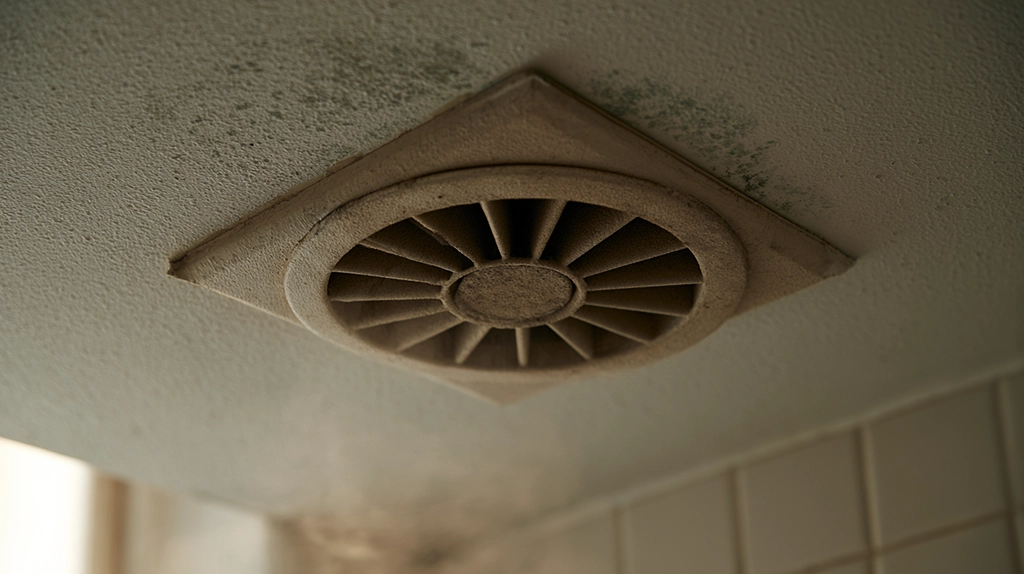
- Housing – eco-friendly, growth-printed homes crumbling within a decade from hidden infestations.
- Aerospace & defense – aircraft, submarines, and spacecraft compromised, echoing past NASA mold contamination issues.
- Healthcare – medical devices made from unprotected growth-printed plastics could harbor fungi, endangering already vulnerable patients.

Source: Wikimedia Commons, CC BY-SA 3.0
Lessons From the Past—Have We Learned Nothing?
- Bioplastics were once hailed as sustainable, but fungi thrived on them, degrading them rapidly.
- Self-healing concrete showed promise, until mold infiltrated and accelerated breakdown.
- Even NASA discovered that fungi can survive and grow on polymers aboard the International Space Station.
History shows us that fungi adapt faster than we innovate.

Source: Wikimedia Commons, CC BY-SA 3.0
What Needs to Happen Now
The time to act is before growth printing goes mainstream:
- Manufacturers must develop moisture-resistant coatings and antimicrobial additives.
- Regulators should require microbial resistance standards before approval.
- Scientists and engineers must test these materials under real-world conditions.
If we wait until fungal degradation becomes widespread, it will already be too late.

Source: Wikimedia Commons, CC BY-SA 3.0
Final Thought—Innovation Without Protection is a Risk We Can’t Afford
Growth printing is an exciting advancement with enormous potential, but we must learn from the past. Every time we create something new, mold, bacteria, and fungi find a way in.
We have the chance to get ahead now—before our future structures rot from the inside out.
The question isn’t just whether growth printing will work.
It’s whether we’ve designed it to last.
References
- Growth Printing – ScienceDirect
- Bioplastics – Wikipedia
- Self-Healing Concrete – ScienceDirect
- Mold – Wikipedia
- Images:
- 3D printed structure (CC BY-SA 4.0)
- Fungal spores micrograph (CC BY-SA 3.0)
- ISS module interior (CC BY-SA 3.0)
- Moldy wall in building (CC BY-SA 3.0)
- Mold in petri dish (CC BY-SA 3.0)
Key Takeaways
- We celebrate breakthroughs in science and technology that make our world more efficient, sustainable, and interconnected.
- A promising new innovation called growth printing is changing the way we manufacture everything from furniture to infrastructure.
- This means lower costs, reduced carbon footprints, and incredible design flexibility.
- But organic-inspired materials often come with an organic-inspired problem: moisture retention and microbial vulnerability.
- Conventional plastics and building materials are typically heat-treated during production, which sterilizes them and makes them resistant to microbial growth.
Frequently Asked Questions
What should you know about we love progress.?
We celebrate breakthroughs in science and technology that make our world more efficient, sustainable, and interconnected. But as we embrace new materials and smarter manufacturing techniques, we must also ask: Are we unknowingly inviting mold into the very structures we build?
What should you know about the Beauty of Growth Printing—And Its Hidden Vulnerability?
Growth printing is being heralded as a game changer because it allows materials to expand outward like tree rings, using chemical reactions rather than traditional molding and heating techniques.
What This Means for Our Everyday Lives?
The risks are not limited to laboratories. If growth-printed materials are vulnerable to mold, the impact could be catastrophic:
What should you know about lessons From the Past—Have We Learned Nothing??
History shows us that fungi adapt faster than we innovate.
What Needs to Happen Now?
The time to act is before growth printing goes mainstream: