
Why Mold Happens Around the World
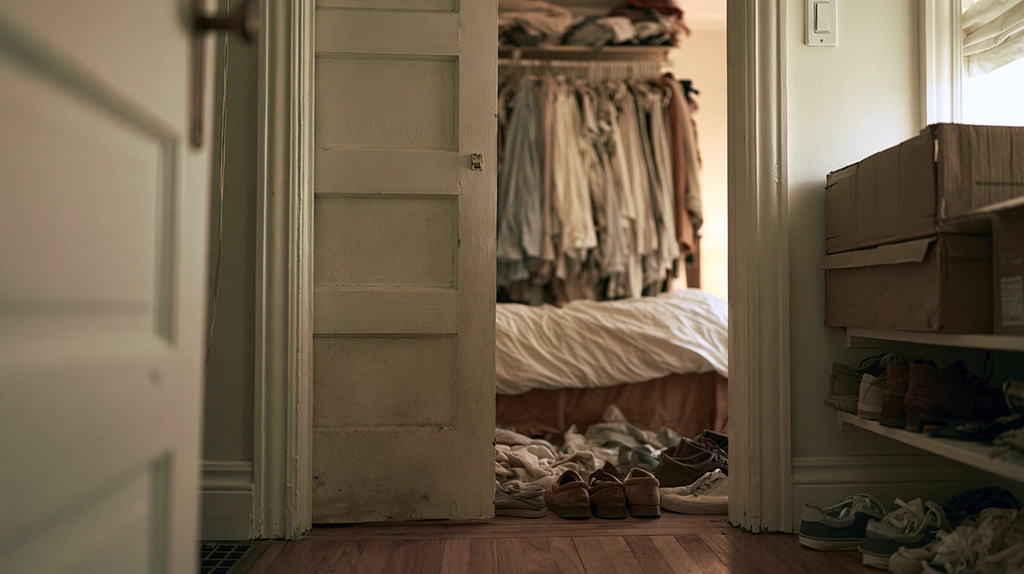
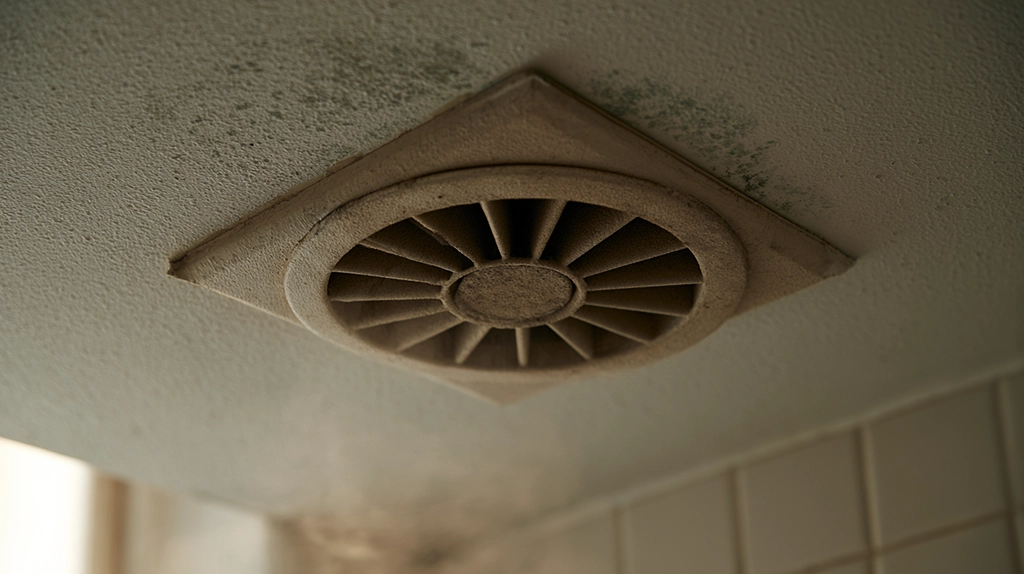
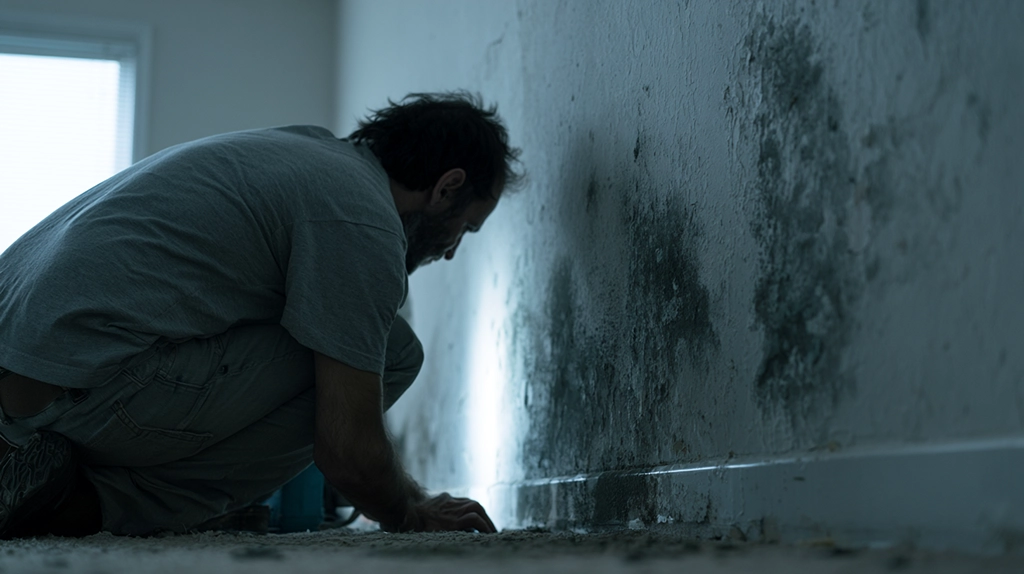
Mold isn’t a surprise guest—it’s a global squatter. From the rainforests of Brazil to the damp basements of Belgium, mold happens because moisture, heat, and life itself create the perfect storm. Everywhere you find organic matter, spores are already watching.
In mushroom farming, this becomes even more intense. The exact conditions mushrooms need to thrive are the same ones mold needs to take over. We’re not creating contamination zones on purpose—we’re just trying to grow food. But nature doesn’t play favorites.

Source: Wikimedia Commons, CC BY-SA 4.0
When Mushrooms Meet Their Match
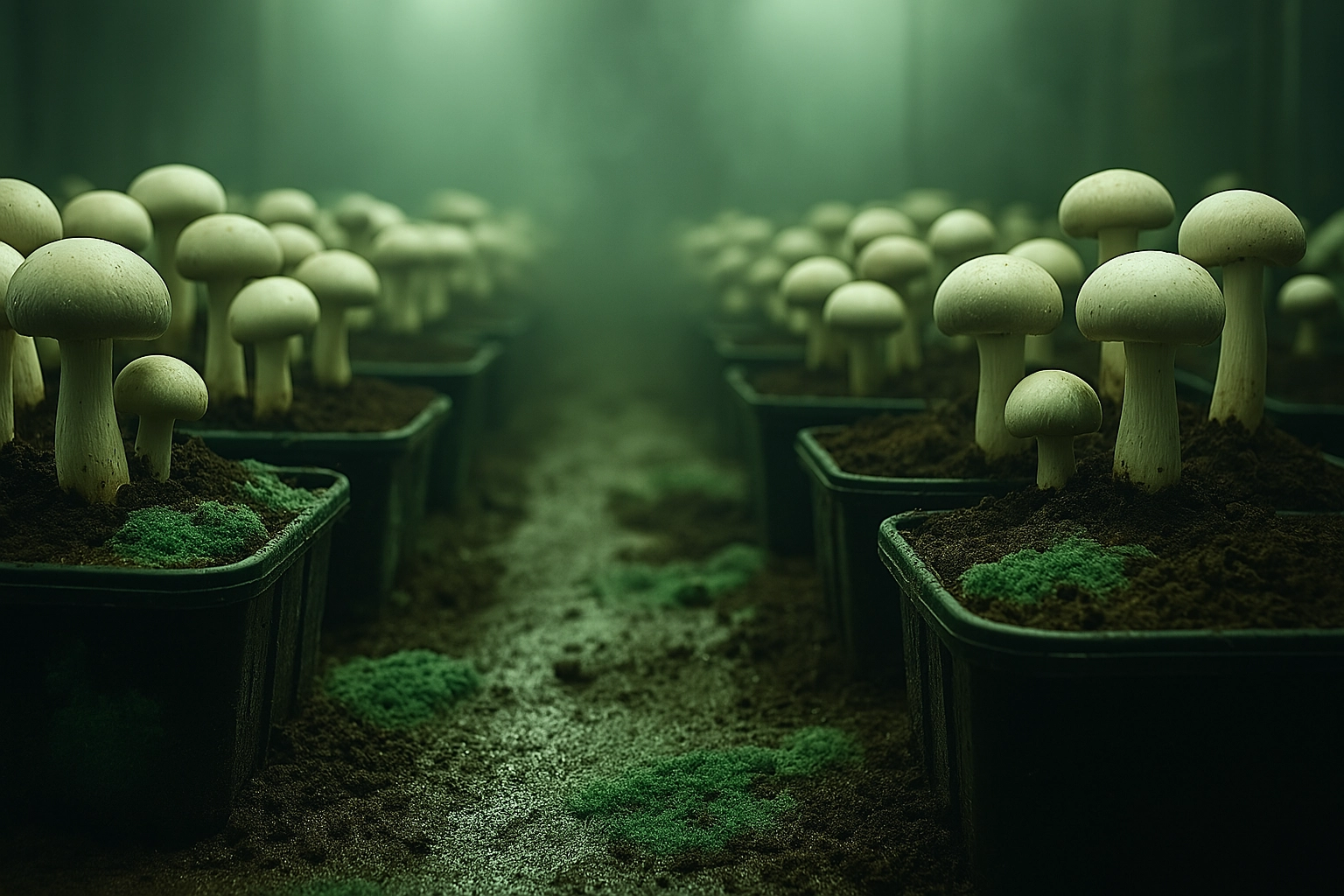
Each year, while mushroom growers pour love, labor, and science into their beds of shiitake and oyster, an invisible enemy infiltrates. Its name? Green Mold, with Trichoderma spp. leading the charge.
Alongside green mold is blotch disease caused by Pseudomonas tolaasii. Together, they form a deadly duo, destroying crops and pushing farmers to their limits.
Blotch disease often announces its arrival with subtle treachery. It begins when condensation settles gently on mushroom caps, or when air circulation falters just enough to tip the balance. Then, almost overnight, once-pristine mushrooms develop a greasy brown sheen. They lose their market appeal immediately, transforming from gourmet product to waste.
Green mold, on the other hand, is the silent saboteur. It operates underground, spreading its network faster than the very mycelium that farmers nurture. Long before there’s any visible green fuzz, Trichoderma has already stolen nutrients, strangled the roots of the crop, and established dominance. By the time growers spot the first signs, the infection has won the battle beneath the surface.
According to Lehigh University, U.S. growers lose up to 15% of crops each year to mold. Globally, that equates to billions of dollars flushed down the compost drain in a $50.3 billion industry.
A recent Fungal Biology study offered hope: reused casing soil seemed to reduce blotch disease and speed up mushroom pinning. But Trichoderma? Still an untouchable threat.
Mold adapts, mutates, and outpaces our slow interventions. The war isn’t theoretical. It’s here. It’s biological. And it’s bleeding the industry dry.

Source: Wikimedia Commons, CC BY-SA 4.0
Global implications to crop growers
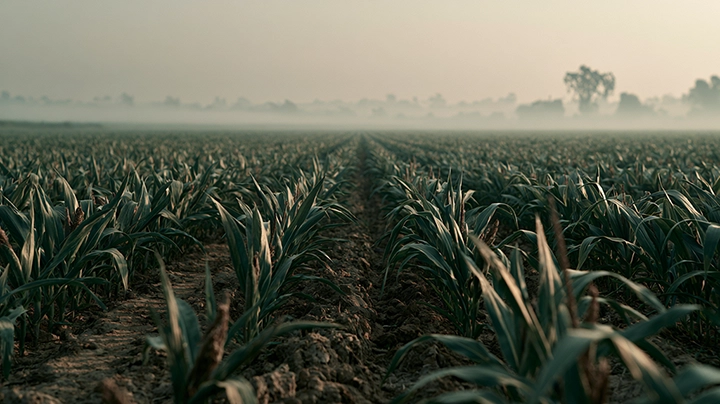
This isn’t just about mushroom farms in rural Pennsylvania or organic growers in Indonesia. This is about global food stability.
When 10% to 15% of any crop is consistently lost, supply chains falter. Prices climb. Small farmers collapse. The food you see at Whole Foods or on Michelin-starred menus came through a warzone.
More importantly, as mold grows stronger in warming climates, it threatens not just mushrooms but any crop grown in controlled environments: lettuce, tomatoes, even vertical farms.
We are one mutation away from mold becoming a threat to other industries. It won’t stop in the mushroom shed. It will come for bioplastics, pharmaceuticals, and food storage.
This is a story of global vulnerability—and we ignore it at our peril.

Source: Wikimedia Commons, CC BY-SA 4.0
Here’s Why This Matters
This isn’t just rot. It’s a sign of structural failure.
Here’s why this matters:
Mold is adapting faster than our responses. Traditional cleaning, pasteurization, and air control aren’t keeping up.
Farmers are fighting invisible wars alone. With minimal funding and little policy support, most don’t even report their losses.
Climate change is amplifying everything. Warmer air holds more moisture. More moisture means more spores. And mushrooms? They can’t evolve overnight.
What does this mean? It means we need to reimagine the entire mushroom production system as a biosecurity front—not just a farming niche.
Time to Fungal-Up
That gourmet mushroom on your plate? It survived sabotage. Respect it. And respect the farmer who fought for it.
We are all part of this system. And if we stay silent while green mold thrives, we’re not bystanders—we’re accomplices.
Demand better standards. Ask where your food comes from. Support those innovating against microbial threats. Because in this war against green mold, inaction is not neutral.
It’s surrender.

Source: Wikimedia Commons, CC BY-SA 4.0
References
Key Takeaways
- From the rainforests of Brazil to the damp basements of Belgium, mold happens because moisture, heat, and life itself create the perfect storm.
- The exact conditions mushrooms need to thrive are the same ones mold needs to take over.
- Alongside green mold is blotch disease caused by Pseudomonas tolaasii.
- It begins when condensation settles gently on mushroom caps, or when air circulation falters just enough to tip the balance.
- It operates underground, spreading its network faster than the very mycelium that farmers nurture.
Frequently Asked Questions
Why Mold Happens Around the World?
Mold isn’t a surprise guest—it’s a global squatter. From the rainforests of Brazil to the damp basements of Belgium, mold happens because moisture, heat, and life itself create the perfect storm. Everywhere you find organic matter, spores are already watching.
When Mushrooms Meet Their Match?
Each year, while mushroom growers pour love, labor, and science into their beds of shiitake and oyster, an invisible enemy infiltrates. Its name? Green Mold, with Trichoderma spp. leading the charge.
What should you know about global implications to crop growers?
This isn’t just about mushroom farms in rural Pennsylvania or organic growers in Indonesia. This is about global food stability.
What should you know about here’s Why This Matters?
This isn’t just rot. It’s a sign of structural failure.
What should you know about time to Fungal-Up?
That gourmet mushroom on your plate? It survived sabotage. Respect it. And respect the farmer who fought for it.