
When Protein No Longer Comes from Animals
A Protein System Under Pressure
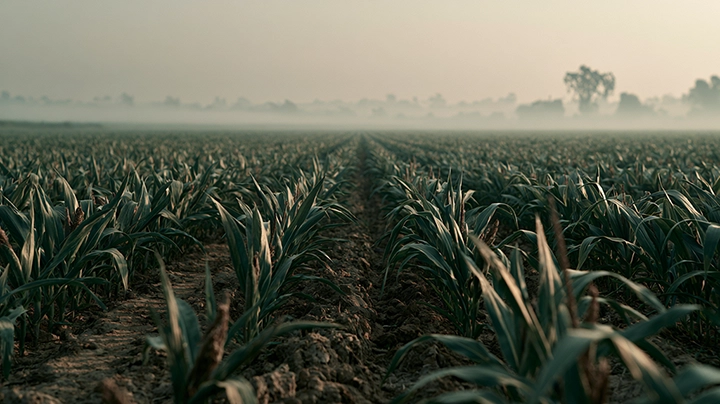
For more than a century, the global food system has revolved around animals as the primary source of protein. Chickens, cattle, and pigs dominate plates worldwide, supported by vast supply chains of feed crops, water, antibiotics, and land. But as climate pressure intensifies and populations rise, that model is beginning to crack.
What if the future of “chicken” no longer involved birds at all?
A new wave of research suggests that protein production may be heading in a radically different direction. By combining fungal biology with precision gene editing, scientists have engineered a strain of edible mold that produces meat-like protein faster, more efficiently, and with dramatically lower environmental costs than conventional poultry farming. The result is not a novelty food, but a serious contender for reshaping how humanity produces protein at scale.
This is the quiet rise of fungal meat.


Meet the Mold Behind the Meal
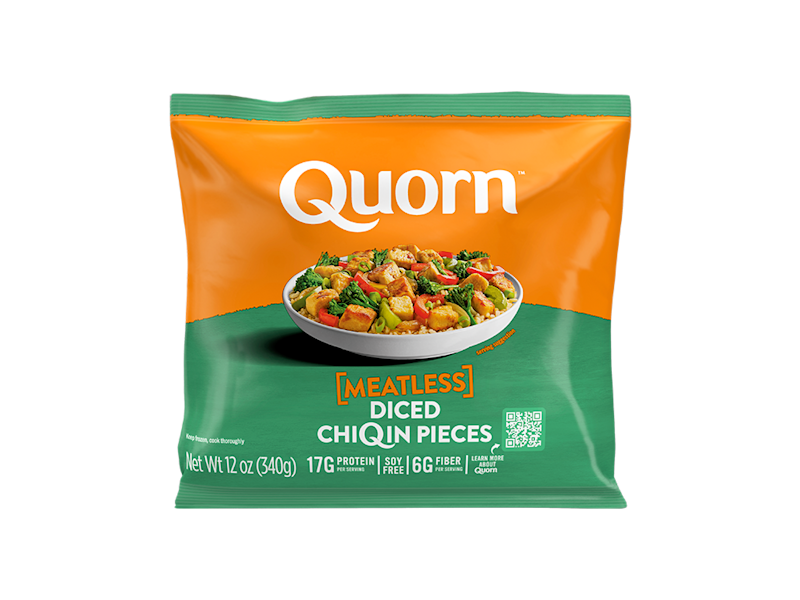
The organism at the center of this breakthrough is Fusarium venenatum, a filamentous soil fungus already familiar to consumers through decades of safe use in mycoprotein products such as Quorn. Unlike bacteria or yeast, F. venenatumgrows as long, thread-like filaments that naturally align into fibrous structures. This gives fungal protein a physical texture remarkably similar to animal muscle, without requiring extensive mechanical processing.
Researchers didn’t start from scratch. Instead, they asked a sharper question: how could this already useful fungus be made better?
Using CRISPR-Cas9 gene editing, the team selectively removed two genes that limited the fungus’s performance. One gene controlled Chitin synthesis, a component that stiffens fungal cell walls and can reduce digestibility. By lowering chitin levels, the resulting protein became softer, easier to chew, and more accessible to human digestion.
The second deletion optimized carbon metabolism, allowing the fungus to convert sugars into protein more efficiently rather than diverting energy into byproducts.
The engineered strain, known as FCPD, grows nearly 88% faster than conventional strains and requires 44% less sugar input. In laboratory life-cycle assessments, its production footprint generated more than 60% fewer carbon emissionscompared to traditional meat systems.


Why This Matters for Climate and Food Security
Animal agriculture remains one of the most resource-intensive sectors on Earth. Livestock production contributes roughly 15 percent of global greenhouse gas emissions, consumes vast quantities of freshwater, and occupies enormous tracts of land that might otherwise store carbon or support biodiversity.
Even poultry farming, often perceived as more efficient than beef, still depends heavily on feed crops, energy-intensive processing, and waste management.
Fungal protein rewrites that equation.
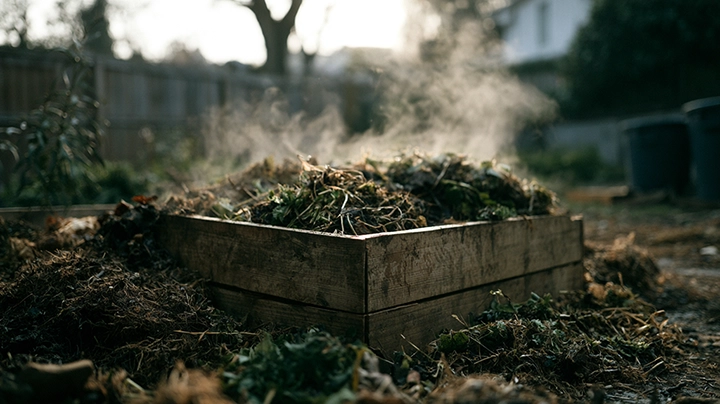
Instead of fields and feedlots, mycoprotein grows inside fermentation tanks. Instead of months or years, production cycles take days. Instead of antibiotics and manure runoff, fungal systems operate in sterile, controlled environments. The result is a protein source that can be produced almost anywhere, independent of climate, season, or geography.

How CRISPR Made Fungi Better Without Adding Foreign DNA
One of the most significant aspects of this research lies in its restraint. The scientists did not introduce genes from other species, nor did they add synthetic pathways. Instead, they performed precise deletions of existing genes, allowing the fungus’s natural machinery to operate more efficiently.
This distinction matters beyond the lab. In many regulatory systems, organisms altered through targeted gene deletion may not fall under the same restrictions as traditional genetically modified organisms that contain foreign DNA. As a result, products derived from strains like FCPD could reach markets more quickly and with less public resistance.
From a biological standpoint, the approach reflects a deeper shift in biotechnology. Rather than forcing organisms to perform unnatural tasks, researchers are increasingly focused on removing bottlenecks and letting biology do what it already does well.
Why Fungal Protein Feels Like Meat
Texture remains one of the greatest challenges for alternative proteins. Plant-based meats often rely on heavy processing, additives, and extrusion to approximate muscle fibers. Fungi, by contrast, grow as fibers from the start.
The mycelium of Fusarium venenatum naturally forms layered strands that align under fermentation conditions, creating a chew and mouthfeel similar to chicken breast. With the reduced chitin content in the FCPD strain, these fibers become even more pliable and meat-like.
Nutritionally, fungal protein offers a complete amino acid profile, high fiber content, and low saturated fat. Fermentation also contributes natural umami compounds, reducing the need for artificial flavoring. Early sensory evaluations suggest that the modified strain enhances both texture and protein density, bringing fungal meat closer than ever to its animal counterpart.


Scaling Protein for a Crowded Planet
The implications of gene-edited fungal protein extend far beyond consumer choice. In emergency food systems, fermentation-based protein could be deployed rapidly without reliance on agricultural infrastructure. In space exploration, fungi offer a closed-loop food source compatible with life-support systems. In aging populations, easily digestible protein could help address malnutrition and muscle loss.
Unlike cultured meat, which still faces high costs and scaling challenges, fungal protein already operates at industrial scale. Gene editing simply sharpens its efficiency, making it cheaper, faster, and more sustainable.
This is not a future built on replacing farmers overnight, but on diversifying how protein is produced. In that diversification, fungi emerge not as a supplement, but as a cornerstone.
References
Academic Sources
Finnigan, T. J. A., et al. (2019). Mycoprotein: The future of nutritious non-meat protein. Current Opinion in Food Science.
DOI: https://doi.org/10.1016/j.cofs.2019.06.004
Wiebe, M. G. (2002). Myco-protein from Fusarium venenatum: A well-established product for human consumption. Applied Microbiology and Biotechnology.
DOI: https://doi.org/10.1007/s00253-002-0931-x
Zhang, H., et al. (2024). Gene-edited fungal strains improve efficiency of mycoprotein production. Biotechnology Advances.
Official Sources
Food and Agriculture Organization — Alternative proteins and food sustainability
https://www.fao.org
World Health Organization — Global nutrition and protein supply
https://www.who.int
United Nations Environment Programme — Environmental impacts of livestock production
https://www.unep.org
Key Takeaways
- For more than a century, the global food system has revolved around animals as the primary source of protein.
- But as climate pressure intensifies and populations rise, that model is beginning to crack.
- The result is not a novelty food, but a serious contender for reshaping how humanity produces protein at scale.
- venenatumgrows as long, thread-like filaments that naturally align into fibrous structures.
- Using CRISPR-Cas9 gene editing, the team selectively removed two genes that limited the fungus’s performance.
Frequently Asked Questions
When Protein No Longer Comes from Animals?
For more than a century, the global food system has revolved around animals as the primary source of protein. Chickens, cattle, and pigs dominate plates worldwide, supported by vast supply chains of feed crops, water, antibiotics, and land. But as climate pressure intensifies and populations rise, t
What should you know about a Protein System Under Pressure?
For more than a century, the global food system has revolved around animals as the primary source of protein. Chickens, cattle, and pigs dominate plates worldwide, supported by vast supply chains of feed crops, water, antibiotics, and land. But as climate pressure intensifies and populations rise, t
What should you know about meet the Mold Behind the Meal?
The organism at the center of this breakthrough is Fusarium venenatum, a filamentous soil fungus already familiar to consumers through decades of safe use in mycoprotein products such as Quorn. Unlike bacteria or yeast, F. venenatumgrows as long, thread-like filaments that naturally a
Why This Matters for Climate and Food Security?
Animal agriculture remains one of the most resource-intensive sectors on Earth. Livestock production contributes roughly 15 percent of global greenhouse gas emissions, consumes vast quantities of freshwater, and occupies enormous tracts of land that might otherwise store carbon or support biodi
How CRISPR Made Fungi Better Without Adding Foreign DNA?
One of the most significant aspects of this research lies in its restraint. The scientists did not introduce genes from other species, nor did they add synthetic pathways. Instead, they performed precise deletions of existing genes, allowing the fungus’s natural machinery to operate more efficiently