
A New Tide for Mold: Seaweed as a Fungal Frontier
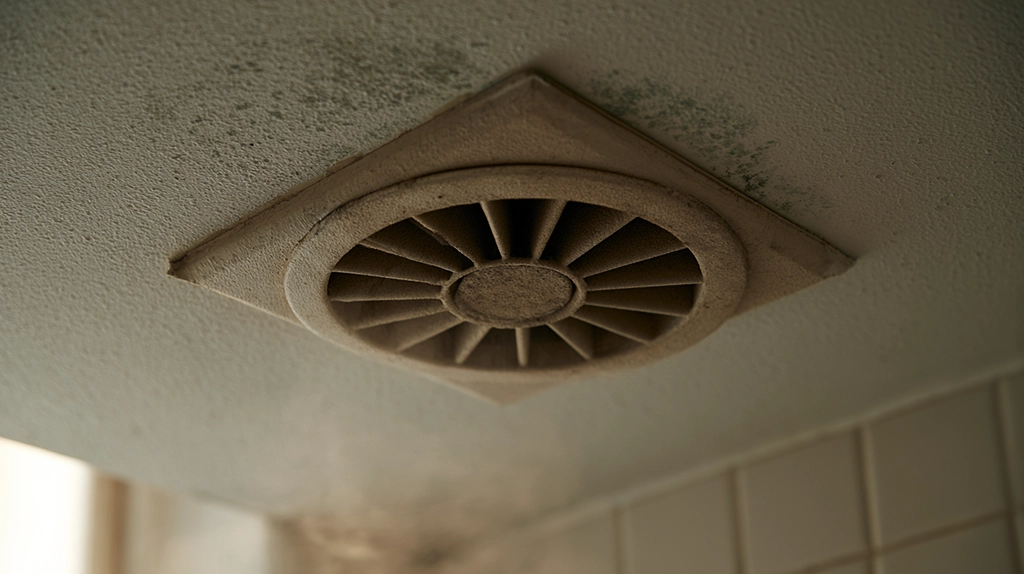
When we think of mold, we often imagine patchy wallpaper, musty books, or a stubborn spot on the kitchen ceiling. But the fungal world has never been one for boundaries. Now, a team of Iranian researchers has opened a window to an entirely different habitat—one where the air is salty, the tides are relentless, and the residents are bright green: the world of seaweed.
Their new study, published in Scientific Reports (Nature) , introduces us to the hidden alliance between green marine algae (Ulva species) and their secret fungal tenants. If you thought you’d left mold behind on dry land, think again—the same genera troubling our homes and harvests are quietly thriving inside seaweed along the Persian Gulf.

Meet the Underwater Mold Community
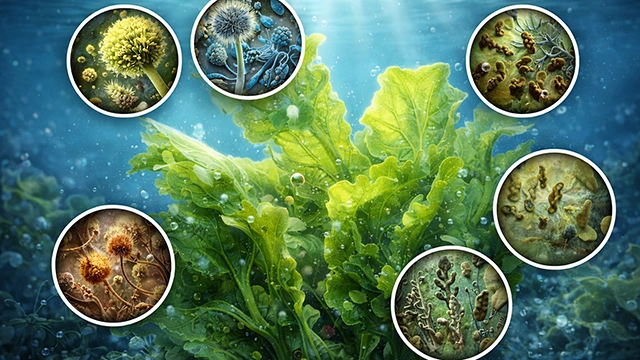
Sampling Ulva from the Bandar Abbas Fishery Coast, the researchers isolated 33 fungal strains across six genera: Aspergillus, Penicillium, Chaetomium, Cladosporium, Alternaria, and Syncephalastrum. Some, like Aspergillus caespitosus and Syncephalastrum racemosum, had never before been recorded inside seaweed. With each new DNA sequence, the study expands the global map of fungal diversity—showing that the ocean isn’t just for sea creatures, but for familiar mold genera as well.
What’s especially striking is how adaptable these fungi are. The same Aspergillus or Penicillium that might trigger allergies in your bedroom or spoil your loaf of bread can also survive, even flourish, in the salty, sun-drenched tissues of marine algae. Here, far from walls and crops, these molds become subtle, possibly even beneficial, partners.

Endophytes: Fungi That Move In (But Don’t Trash the Place)
The secret to this relationship lies in the term “endophyte.” Endophytic fungi live inside plant tissues—not as invaders, but as residents who sometimes help their hosts resist stress, pathogens, or drought. In land plants, endophytes are famed for boosting resilience, aiding nutrient uptake, and producing valuable secondary compounds.
In seaweed, their roles are just beginning to be understood. Are they protecting Ulva from salt stress? Helping it withstand pollution or heat? Could they even be giving the algae new biochemical tools for survival? The study suggests a symbiotic or at least commensal relationship—hinting that, just like on land, endophytes in the ocean may help their hosts handle whatever the environment throws at them.

Why Should MoldNewsHub Care About Marine Fungi?
What’s thrilling for the MoldNewsHub crowd is the sheer overlap: Aspergillus, Penicillium, Cladosporium, Alternaria, and Chaetomium—these are the usual suspects in indoor mold reports and food safety alerts. Seeing them thrive in seaweed is a bold reminder that mold genera are true generalists, crossing boundaries between air, soil, food, and now, ocean plants.
The study’s combination of classical microscopy and modern DNA barcoding offers a rigorous approach, confirming the presence of both known and newly reported fungal–algal partnerships. The dominant players—Aspergillus (33%), Penicillium (21%), and Chaetomium (15%)—mirror patterns we see indoors, but with a salty twist.

The Blue Biotech Potential
There’s more here than scientific novelty. Marine endophytes may hold the key to future biotechnology—providing salt-tolerant enzymes for green chemistry, new antibiotics or antifungals, and even bioremediation agents to clean up polluted waters. If endophytic fungi help seaweed thrive under stress, could their metabolites bolster aquaculture or even protect crops facing rising salinity? These are questions that, a decade ago, no one was asking—but today’s blue-biotech pioneers are eager to answer.
As climate change shakes up terrestrial ecosystems, marine partnerships like these could become a reservoir of solutions—whether for sustainable industry or food security.

Open Questions & Future Fungal Frontiers
There’s still so much to learn. What compounds are these marine molds producing? Do they help or harm their hosts under certain conditions? Could they jump to other marine organisms—or even, through aquaculture, make their way to land crops? Are they silently shaping marine toxin cycles, just as their terrestrial relatives do with mycotoxins?
Each discovery opens another door, and as marine mycology grows, the lines between environmental, agricultural, and health mycology blur ever further.
References
Academic Sources
- (Scientific Reports, Nature). Iranian research team study on endophytic fungi isolated from Ulva spp. (green marine algae) from the Persian Gulf, reporting 33 strains across six fungal genera and first records of specific taxa inside seaweed. (Full citation/DOI to be matched to the exact paper record in Scientific Reports.)
Official Sources
- Nature — Scientific Reports: https://www.nature.com/srep
Key Takeaways
- When we think of mold, we often imagine patchy wallpaper, musty books, or a stubborn spot on the kitchen ceiling.
- If you thought you’d left mold behind on dry land, think again—the same genera troubling our homes and harvests are quietly thriving inside seaweed along the Persian Gulf.
- The same Aspergillus or Penicillium that might trigger allergies in your bedroom or spoil your loaf of bread can also survive, even flourish, in the salty, sun-drenched tissues of marine algae.
- The secret to this relationship lies in the term “endophyte.” Endophytic fungi live inside plant tissues—not as invaders, but as residents who sometimes help their hosts resist stress, pathogens, or drought.
- The study suggests a symbiotic or at least commensal relationship—hinting that, just like on land, endophytes in the ocean may help their hosts handle whatever the environment throws at them.
Frequently Asked Questions
What should you know about a New Tide for Mold: Seaweed as a Fungal Frontier?
When we think of mold, we often imagine patchy wallpaper, musty books, or a stubborn spot on the kitchen ceiling. But the fungal world has never been one for boundaries. Now, a team of Iranian researchers has opened a window to an entirely different habitat—one where the air is salty, the tides are
What should you know about meet the Underwater Mold Community?
Sampling Ulva from the Bandar Abbas Fishery Coast, the researchers isolated 33 fungal strains across six genera: Aspergillus, Penicillium, Chaetomium, Cladosporium, Alternaria, and Syncephalastrum. Some, like Aspergillus caespitosus and Syncephalastrum racemosum, had never before been recorded insid
What should you know about endophytes: Fungi That Move In (But Don’t Trash the Place)?
The secret to this relationship lies in the term “endophyte.” Endophytic fungi live inside plant tissues—not as invaders, but as residents who sometimes help their hosts resist stress, pathogens, or drought. In land plants, endophytes are famed for boosting resilience, aiding nutrient uptake, and pr
Why Should MoldNewsHub Care About Marine Fungi?
What’s thrilling for the MoldNewsHub crowd is the sheer overlap: Aspergillus, Penicillium, Cladosporium, Alternaria, and Chaetomium—these are the usual suspects in indoor mold reports and food safety alerts. Seeing them thrive in seaweed is a bold reminder that mold genera are true generalists, cros
What should you know about the Blue Biotech Potential?
There’s more here than scientific novelty. Marine endophytes may hold the key to future biotechnology—providing salt-tolerant enzymes for green chemistry, new antibiotics or antifungals, and even bioremediation agents to clean up polluted waters. If endophytic fungi help seaweed thrive under stress,