
And Humans Are Standing at the Edge of Their New Habitat
For fungi, the planet is becoming more hospitable as a hotter climate.
They do not need migration routes or long-term planning. As temperatures rise, regions that were once too cold simply become available. Climate change is not creating a crisis for fungi. It is opening doors.


Temperature Has Always Been the Boundary
For most of Earth’s history, temperature acted as a quiet filter for fungal life.
Many species existed everywhere as spores, but only thrived where conditions allowed them to grow, compete, and reproduce.
That boundary is now shifting.
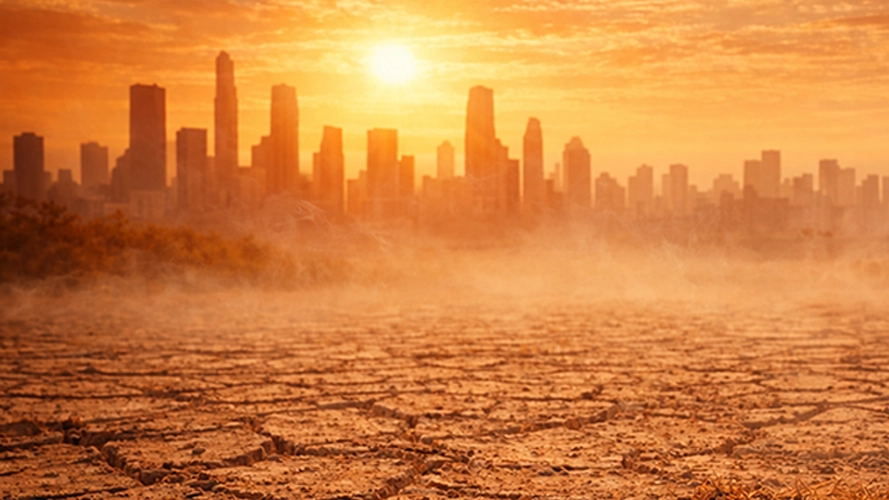
As global temperatures increase, fungi that tolerate heat are establishing themselves in regions where they could not previously persist. This is not a sudden mutation. It is a predictable response shaped by evolution.
The global rise in temperature documented by the Intergovernmental Panel on Climate Change (IPCC) has already reshaped the distribution of many microbial organisms, including environmental fungi.
Human Body Temperature Was Once an Exception
One reason humans have been relatively protected from fungal disease is physiological rather than technological.
At around 37°C, the human body has historically been too warm for most environmental fungi to survive.
But as ambient temperatures rise, some fungi are gradually adapting to conditions closer to human body temperature. This adaptation weakens a natural barrier that once kept many fungal species at a distance.
This concept—sometimes referred to as the “thermal restriction zone”—has been described as a major defense mechanism in mammals against fungal pathogens (Casadevall, 2012).
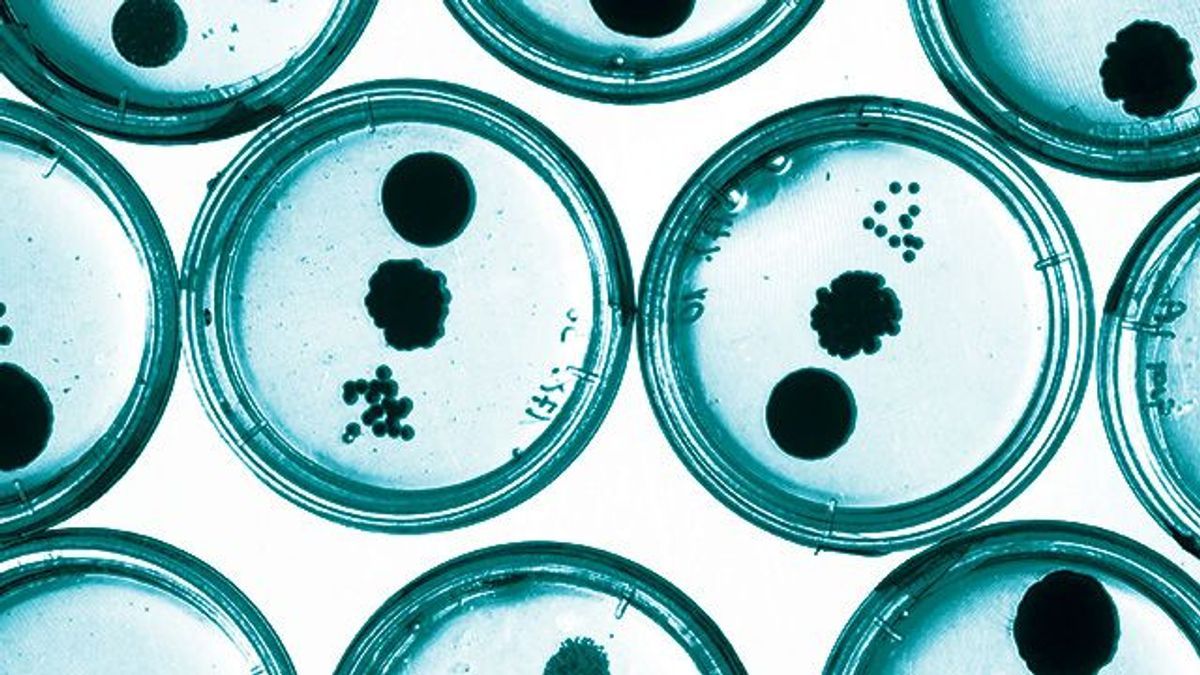

Aspergillus Is Not an Invader. It Is a Resident
Fungi such as Aspergillus have never been rare.
They are common inhabitants of soil, air, and buildings, playing long-standing roles in decomposition and nutrient cycling.
What has changed is not their presence, but the environment surrounding them. As climate conditions shift toward their optimal growth range, the overlap between fungal habitats and human spaces increases.
Species such as Aspergillus fumigatus are already recognized as opportunistic pathogens, especially in individuals with weakened immune systems.
The Risk Lies in Human Unpreparedness
Fungi are not invading. They are responding.
The real vulnerability comes from decades of neglect. Compared to bacteria and viruses, fungal research has received less funding, fewer surveillance systems, and a limited range of available treatments.
As climate change reshapes microbial landscapes, this lack of preparation becomes increasingly visible.
According to the World Health Organization fungal priority pathogens list, several fungal species—including Aspergillus fumigatus, Candida auris, and Cryptococcus neoformans—are now considered urgent global health threats.
References
Academic Sources
- Casadevall, A. (2012). Fungi and the rise of mammals. PLoS Pathogens. DOI: 10.1371/journal.ppat.1002808
- IPCC. (2023). Climate Change 2023: The Physical Science Basis. https://www.ipcc.ch
- Fisher, M. C., et al. (2012). Emerging fungal threats to animal, plant and ecosystem health. Nature. DOI: 10.1038/nature10947
Official Sources
- World Health Organization (WHO). WHO fungal priority pathogens list: https://www.who.int
- Centers for Disease Control and Prevention (CDC) – Aspergillus overview: https://www.cdc.gov/fungal
Key Takeaways
- For fungi, the planet is becoming more hospitable as a hotter climate.They do not need migration routes or long-term planning.
- The global rise in temperature documented by the Intergovernmental Panel on Climate Change (IPCC) has already reshaped the distribution of many microbial organisms, including environmental fungi.
- This adaptation weakens a natural barrier that once kept many fungal species at a distance.
- Fungi such as Aspergillus have never been rare.They are common inhabitants of soil, air, and buildings, playing long-standing roles in decomposition and nutrient cycling.
- Species such as Aspergillus fumigatus are already recognized as opportunistic pathogens, especially in individuals with weakened immune systems.
Frequently Asked Questions
What should you know about temperature Has Always Been the Boundary?
For most of Earth’s history, temperature acted as a quiet filter for fungal life.Many species existed everywhere as spores, but only thrived where conditions allowed them to grow, compete, and reproduce.That boundary is now shifting.As global temperatures increase, fungi that tolerate heat are estab
What should you know about human Body Temperature Was Once an Exception?
One reason humans have been relatively protected from fungal disease is physiological rather than technological.At around 37°C, the human body has historically been too warm for most environmental fungi to survive.
What should you know about aspergillus Is Not an Invader. It Is a Resident?
Fungi such as Aspergillus have never been rare.They are common inhabitants of soil, air, and buildings, playing long-standing roles in decomposition and nutrient cycling.
What should you know about the Risk Lies in Human Unpreparedness?
Fungi are not invading. They are responding.The real vulnerability comes from decades of neglect. Compared to bacteria and viruses, fungal research has received less funding, fewer surveillance systems, and a limited range of available treatments.
What are the key findings about Fungi Are Adapting to?
For fungi, the planet is becoming more hospitable as a hotter climate.They do not need migration routes or long-term planning. As temperatures rise, regions that were once too cold simply become available. Climate change is not creating a crisis for fungi. It is opening doors.