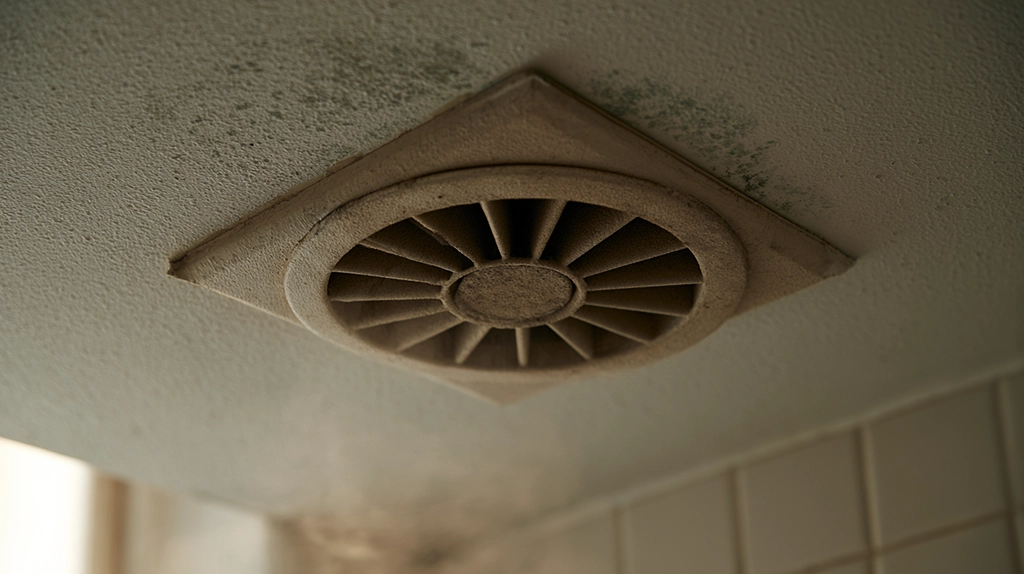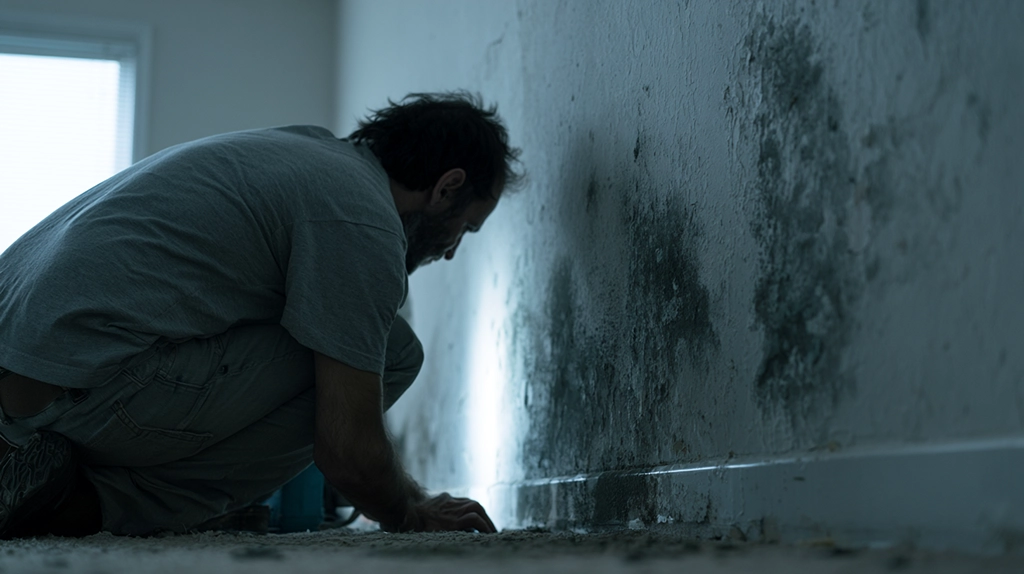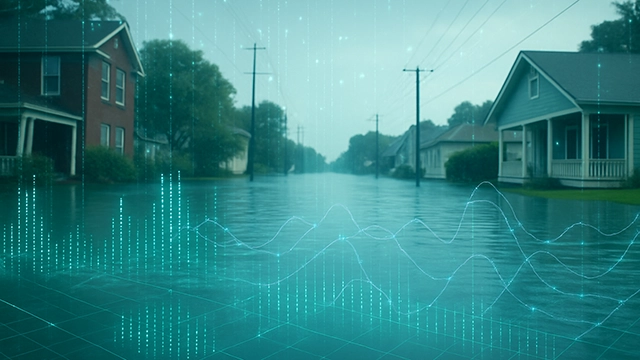

When floods recede, the damage they leave behind is often only beginning. Damp walls, soaked carpets, and musty furniture quickly turn into fertile ground for mold. Invisible spores spread through the air, threatening residents long after the water is gone. For communities, this is not just a cleaning challenge—it is a health crisis. Respiratory infections, asthma flare-ups, and allergic reactions consistently rise in the weeks following major floods. By the time mold spores become visible, the risk is already embedded deep into homes and lungs.
This reality points to a crucial question: can we move beyond reacting to mold, and instead predict it before it spirals out of control?

The Scientific Foundation We Already Have
Humanity is not starting from zero in the fight against mold. Over decades, science has built a toolkit for prevention:
- Humidity control through ventilation and dehumidification.
- Building design that minimizes trapped moisture.
- Protective coatings and barrier materials that slow fungal growth.
- Regular monitoring in high-risk environments to catch early warning signs.
These approaches have become the foundation of modern mold management. But extreme weather events—more intense floods and rainfall driven by climate change—stretch these methods to their limits. What we need is not a replacement, but a new layer of science to enhance what we already do.

Research Insight: A Machine Learning Mold Risk Model
In 2025, researchers took a step toward that future. A study titled Modeling the latent impacts of extreme floods on indoor mold spores in residential buildings gathered environmental and building data from homes hit by severe flooding, including ventilation, building materials, and flood depth. These variables were paired with spore concentration measurements and analyzed through machine learning.
The result was a predictive model that identified which conditions most strongly influenced indoor spore levels after flooding. In other words, it showed that mold risk can be quantified and forecasted rather than simply observed after the fact.
While the current model does not yet generate real-time risk scores or standardized prediction curves, it marks a turning point: a demonstration that data-driven mold prediction is possible. (Healthy Buildings)

Added Value: Beyond Cleanup Toward Forecasting
The implications extend far beyond laboratory experiments:
- Insurance and claims: Models could provide scientific benchmarks for post-disaster assessments, reducing disputes over mold damage claims.
- Public health: Health authorities could anticipate spikes in respiratory illnesses linked to mold and prepare medical resources in advance.
- Urban resilience: By adjusting parameters, the same approach could be applied to different cities, allowing planners to forecast risk under diverse climates and building types.
Other related studies—such as those connecting mold growth to asthma outcomes after hurricanes (NSF Public Access)—underscore the importance of predictive tools in safeguarding health.
Looking Ahead: AI Monitoring and Real-Time Prediction
The real breakthrough will come when such models are paired with AI and sensor networks. Imagine low-cost sensors tracking temperature, humidity, and airborne spores in flood-hit areas. These data streams could feed into AI systems that update risk maps in real time.
AI’s ability to learn and self-correct means predictions would improve with every new dataset, moving us closer to:
- Immediate risk scoring right after floods, helping communities act before health crises erupt.
- Universal prediction curves adaptable across regions, building types, and climates.
This is the leap from preventing mold to calculating mold.

Conclusion: A Call to Recognize Mold as a Predictive Science
This research is not the finish line, but a beginning. It reminds us that with science and technology, mold management can evolve from reactive cleanup to proactive prediction. Existing prevention strategies remain the foundation, but AI and machine learning can elevate them into a new era of foresight.
To get there, society must recognize mold as more than an afterthought. It deserves the same investment and research energy we dedicate to other public health risks. With floods and extreme weather becoming more frequent, the question is not whether we need better mold prediction—it is how quickly we can build it.
The message is clear: mold management is entering a new age. Prevention is the base, but prediction is the future.
References
Academic
- NSF Public Access (2024). Mold growth and asthma outcomes after hurricanes. NSF Resource
Official
Key Takeaways
- Please login When floods recede, the damage they leave behind is often only beginning.
- Invisible spores spread through the air, threatening residents long after the water is gone.
- Respiratory infections, asthma flare-ups, and allergic reactions consistently rise in the weeks following major floods.
- Humanity is not starting from zero in the fight against mold.
- These approaches have become the foundation of modern mold management.
Frequently Asked Questions
What should you know about please login to bookmark?
Please login When floods recede, the damage they leave behind is often only beginning. Damp walls, soaked carpets, and musty furniture quickly turn into fertile ground for mold. Invisible spores spread through the air, threatening residents long after the water is gone. For communities, this is not
What should you know about the Scientific Foundation We Already Have?
Humanity is not starting from zero in the fight against mold. Over decades, science has built a toolkit for prevention:
What should you know about research Insight: A Machine Learning Mold Risk Model?
In 2025, researchers took a step toward that future. A study titled Modeling the latent impacts of extreme floods on indoor mold spores in residential buildings gathered environmental and building data from homes hit by severe flooding, including ventilation, building materials, and f
What should you know about added Value: Beyond Cleanup Toward Forecasting?
The implications extend far beyond laboratory experiments:
What should you know about looking Ahead: AI Monitoring and Real-Time Prediction?
The real breakthrough will come when such models are paired with AI and sensor networks. Imagine low-cost sensors tracking temperature, humidity, and airborne spores in flood-hit areas. These data streams could feed into AI systems that update risk maps in real time.