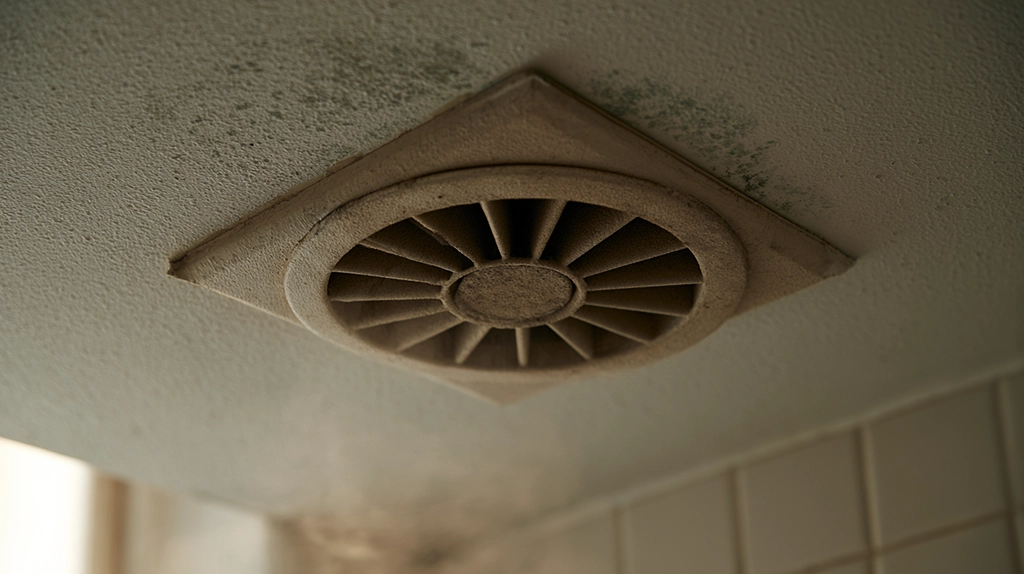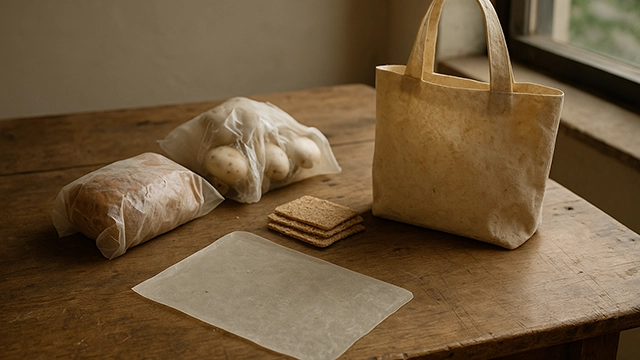

When people think of mold, what often comes to mind is spoiled bread, black stains on damp walls, or allergens that make you sneeze. Mold is usually associated with something negative, almost synonymous with “decay.” Yet in the eyes of scientists, mold has another face. Its mycelium—a fine, interconnected network of filaments—is beginning to take on a new role in materials science. Starting from these seemingly insignificant threads, researchers are now trying to turn them into thin films, and even further into sustainable composite materials. This exploration is reshaping our understanding of mold.

Mold Can Also Become a Film
Recent studies have revealed that common molds such as Aspergillus niger (black aspergillus) and Penicillium nalgiovense can do more than grow on food or in the environment. Their mycelium, once specially processed, can be transformed into thin films.
In a 2023 experiment, scientists cultivated and collected the mycelium, broke it down using ultrasound or high-speed homogenization, and then added glycerol as a plasticizer before drying it into sheets. The results showed that different molds produced films with different mechanical properties: A. niger created a tougher, more resilient film, while Mucor hiemalis resulted in one that was more brittle. These findings suggest that mold mycelium is not just a “troublemaker” in the environment—it can also serve as a novel source of material.

From Lab to Life: What Are These Films Good For?
This discovery naturally raises the question: what can these films actually be used for? The answer is broader than many would expect.
- In the field of packaging, these films are seen as a potential replacement for single-use plastics. Companies like IKEA and Dell have already experimented with fungal packaging materials to replace traditional foams and reduce plastic waste.
- In medicine and cosmetics, the biocompatibility and polysaccharide content of mycelium make it a good candidate for biodegradable wound dressings, and even moisturizing facial masks.
- For smart applications, fungal films respond to changes in humidity or pressure, which means they could one day be developed into sensing materials for wearable devices or building monitoring systems.
- In fashion and design, processed fungal films can take on a leather-like texture and are already being applied to shoes, handbags, and furniture.


Practical Challenges and Comparisons
As exciting as these applications are, there are still challenges to overcome before fungal films can become part of everyday life. The term “performance” in this context refers to several aspects:
- Physical strength: tensile resistance, toughness, and thermal stability.
- Functional properties: water resistance, breathability, antibacterial ability, responsiveness.
- Environmental and biocompatibility factors: degradability and safety.
When compared with Basidiomycota fungi such as Ganoderma (lingzhi) and Pleurotus, mold-based films are still weaker in strength and stability. Large wood-decaying fungi can produce solid mycelium blocks usable as building materials. Molds, by contrast, are better suited for functional applications rather than structural ones.
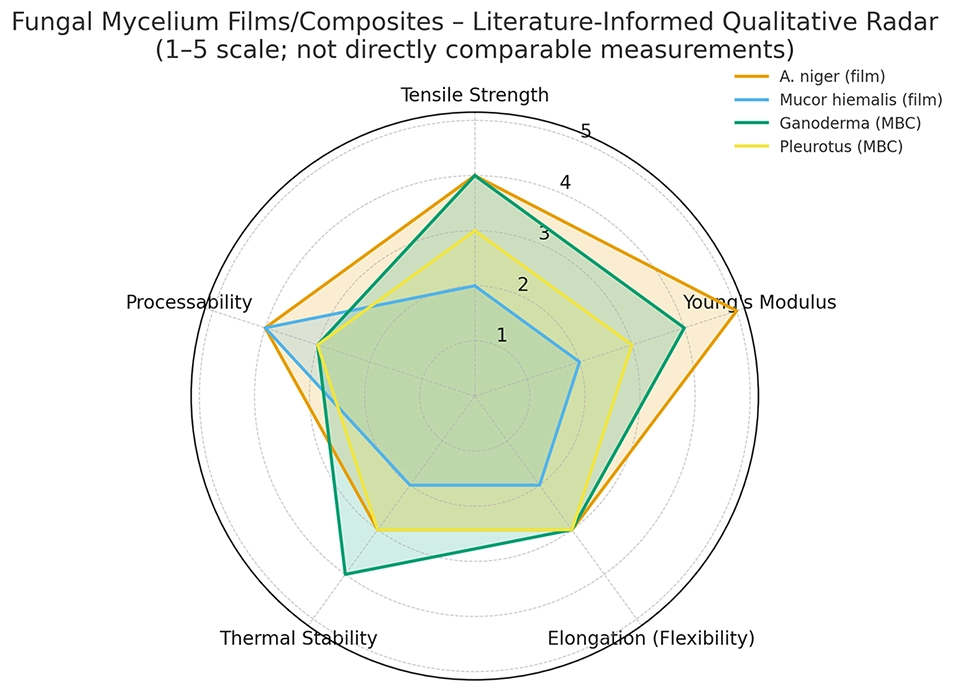
Literature-informed qualitative comparison (illustrative, not directly comparable measured data)
Future Directions for Improvement
Looking ahead, genetic engineering and material composites offer promising ways to enhance fungal film performance. For instance, increasing polysaccharide content could make films more tear-resistant; adjusting enzyme secretion could improve bonding between mycelial threads; and introducing genes that produce antimicrobial molecules could give the films built-in protective functions. Although these studies are still in progress, they already show that fungal films are not limited to being “plastic replacements.”
From Musty Odor to Sustainable Future
Mold was once something people avoided at all costs, a symbol of rot and uncleanliness. Today, however, researchers are transforming it into a source of new materials. From food packaging to wound dressings, from eco-leather in fashion to sensing layers in smart systems, fungal films are gradually moving from the lab into our daily lives. Perhaps in the near future, the shopping bag in your hand, the mask on your face, or the shoes on your feet may come from molds once considered repulsive. Mold is no longer just the source of musty odors—it is becoming a key material for a sustainable future.
References
- PubMed. Fungal mycelium materials research. PubMed.gov
- PubMed. Biocompatibility of fungal films. PubMed.gov
- Wikipedia. Mycelium, Aspergillus niger, Penicillium nalgiovense, Mucor, Ganoderma, Pleurotus, Basidiomycota, Sustainable fashion
Key Takeaways
- When people think of mold, what often comes to mind is spoiled bread, black stains on damp walls, or allergens that make you sneeze.
- Its mycelium—a fine, interconnected network of filaments—is beginning to take on a new role in materials science.
- This exploration is reshaping our understanding of mold.
- In a 2023 experiment, scientists cultivated and collected the mycelium, broke it down using ultrasound or high-speed homogenization, and then added glycerol as a plasticizer before drying it into sheets.
- niger created a tougher, more resilient film, while Mucor hiemalis resulted in one that was more brittle.
Frequently Asked Questions
What should you know about mold Can Also Become a Film?
Recent studies have revealed that common molds such as Aspergillus niger (black aspergillus) and Penicillium nalgiovense can do more than grow on food or in the environment. Their mycelium, once specially processed, can be transformed into thin films.
What should you know about from Lab to Life: What Are These Films Good For??
This discovery naturally raises the question: what can these films actually be used for? The answer is broader than many would expect.
What should you know about practical Challenges and Comparisons?
As exciting as these applications are, there are still challenges to overcome before fungal films can become part of everyday life. The term “performance” in this context refers to several aspects:
What should you know about future Directions for Improvement?
Looking ahead, genetic engineering and material composites offer promising ways to enhance fungal film performance. For instance, increasing polysaccharide content could make films more tear-resistant; adjusting enzyme secretion could improve bonding between mycelial threads; and introducing genes t
What should you know about from Musty Odor to Sustainable Future?
Mold was once something people avoided at all costs, a symbol of rot and uncleanliness. Today, however, researchers are transforming it into a source of new materials. From food packaging to wound dressings, from eco-leather in fashion to sensing layers in smart systems, fungal films are gradually m