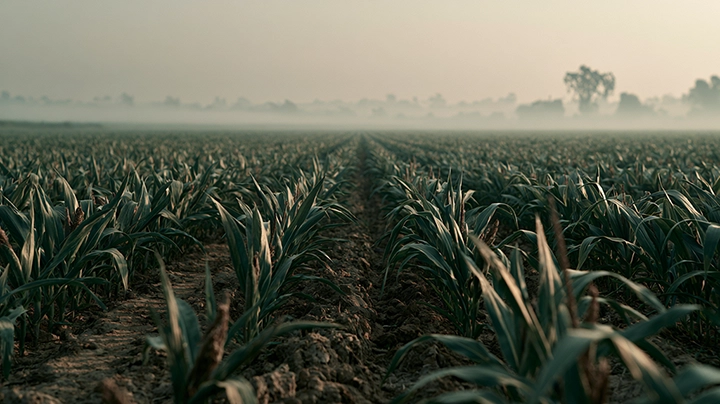


A Quiet Battle Beneath the Corn Leaves
If you stand in the middle of a Midwestern cornfield, hearing the stalks rustle like a thousand whispered secrets, you’d never guess there’s a hidden conflict playing out inside the leaves. But according to new research from USDA Agricultural Research Service scientists and Syngenta Biologicals, the war against crop diseases may be delivering a blow to the very organisms that help plants survive.
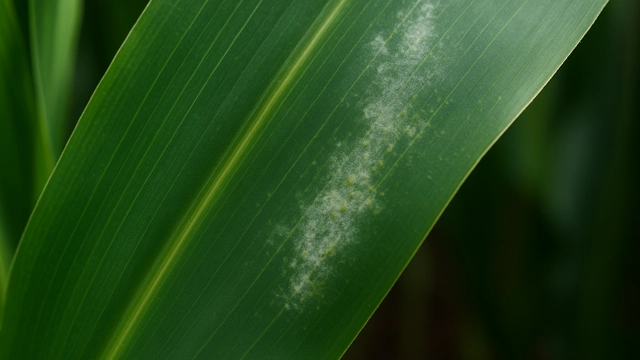
Farmers spray fungicides to protect their crops from devastating pathogens — a reasonable strategy when you’re feeding a nation. But the study reveals a twist worthy of any drama: while the total amount of fungi inside the leaves barely changes, the identity of those fungi does. Communities shuffle. Beneficial members disappear. Less helpful ones move in.
It’s the quiet kind of trouble — the kind that doesn’t announce itself until the foundations start to wobble. Corn leaves, it turns out, have their own invisible builders, caretakers, and guardians. And those tiny helpers may be collateral damage.
Not All Fungi Are Foes
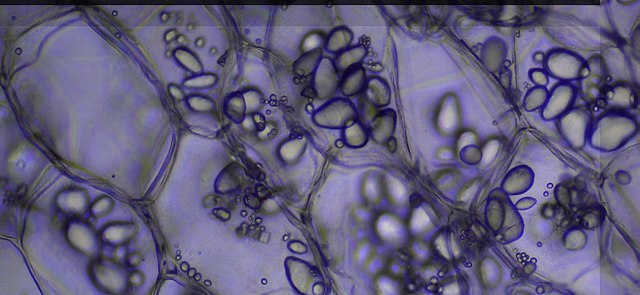
Inside every healthy corn leaf lives a bustling world of endophytic fungi — organisms that make their home within plant tissue without causing disease. Many of them are beneficial: they bolster plant immunity, help absorb nutrients, or quietly guard against harmful microbes.
But fungicides don’t necessarily differentiate between “friend” and “foe.” The study found that while total fungal abundance remained similar, the community composition shifted significantly after treatment. Certain supportive fungi dwindled; opportunistic ones filled the gaps.
“It’s not about the total fungal load. It’s about who’s still there when the dust settles.”
That line from the researchers captures the story perfectly — numbers mean nothing if the wrong characters remain onstage.
Why Location Changes Everything
One of the most fascinating revelations in this study is how differently fungal communities reacted depending on the field site. The environment — microclimate, soil, native fungal populations — changed the impact of the fungicide.
In one location, helpful fungi might bounce back quickly; in another, they might not return at all.
This means that a fungicide application strategy that works beautifully in Nebraska might quietly undermine a crop in Illinois.
There is no universal script here. The cornfields, like people and the places we choose to call home, are deeply shaped by their context.
The Rise of Microbiome-Aware Agriculture
Agricultural science is evolving. Instead of focusing solely on eliminating pathogens, researchers are turning toward microbiome stewardship — protecting the invisible communities that support plant health.
This shift mirrors the way we now think about human health. We know better than to obliterate our own gut microbes just because one bacterium misbehaved. Why should we treat plant microbiomes any differently?
The future of agriculture may depend on recognizing crops not as solitary organisms but as ecosystems. A corn plant is not just leaves and kernels; it’s a living network, supported by fungal partners that have been helping it grow long before fungicides entered the picture.
Where Research Leads Us Next
The study points toward several next-steps that could reshape how we approach crop protection:
- Microbiome monitoring after spraying — Not just checking yield, but analyzing the fungal community to understand who stayed, who left, and who took their place.
- Fungicides that spare symbiotic fungi — A new generation of products designed to neutralize pathogens without erasing beneficial species.
- Regional microbial maps — Tools to guide state-specific or even county-specific treatment plans, recognizing that microbial diversity varies dramatically with geography.
- Integrated microbial management — Combining fungicides with microbial inoculants or biocontrols to restore balance after treatment.
It’s all part of a bigger push to make agriculture smarter, not just stronger.
MoldNewsHub Magazine Verdict: Don’t Shoot the Allies

In any conflict, friendly fire is a tragedy. And in cornfields across the heartland, it may already be happening on a microscopic scale.
This study serves as a reminder that the health of our crops depends on relationships we rarely see. The invisible fungal allies inside corn leaves may be as essential to the next harvest as rain, sunlight, and soil.
A strong system is one held up by many hands — some visible, some not.
So before we aim another spray at the canopy, we might pause and ask:
Who are we protecting, and who are we risking losing?
Because resilience — whether in old villas, growing crops, or complicated ecosystems — comes from respecting the quiet partners who make survival possible.
References
- USDA Agricultural Research Service. (2025). Impact of fungicides on endophytic fungal diversity in corn leaves.
- Syngenta Biologicals. (2025). Field-level study on microbial shifts following fungicide application.
- Frontiers in Microbiology. (2024). Microbiome-aware agriculture: balancing crop protection with fungal symbiosis.
- Wikipedia: Fungicide, Endophyte, Microbiome, Midwestern United States, Corn agriculture in the United States.
Key Takeaways
- If you stand in the middle of a Midwestern cornfield, hearing the stalks rustle like a thousand whispered secrets, you’d never guess there’s a hidden conflict playing out inside the leaves.
- But the study reveals a twist worthy of any drama: while the total amount of fungi inside the leaves barely changes, the identity of those fungi does.
- Corn leaves, it turns out, have their own invisible builders, caretakers, and guardians.
- But fungicides don’t necessarily differentiate between “friend” and “foe.” The study found that while total fungal abundance remained similar, the community composition shifted significantly after treatment.
- That line from the researchers captures the story perfectly — numbers mean nothing if the wrong characters remain onstage.
Frequently Asked Questions
What should you know about a Quiet Battle Beneath the Corn Leaves?
If you stand in the middle of a Midwestern cornfield, hearing the stalks rustle like a thousand whispered secrets, you’d never guess there’s a hidden conflict playing out inside the leaves. But according to new research from USDA Agricultural Research Service scientists and
What should you know about not All Fungi Are Foes?
Inside every healthy corn leaf lives a bustling world of endophytic fungi — organisms that make their home within plant tissue without causing disease. Many of them are beneficial: they bolster plant immunity, help absorb nutrients, or quietly guard against harmful microbes.
Why Location Changes Everything?
One of the most fascinating revelations in this study is how differently fungal communities reacted depending on the field site. The environment — microclimate, soil, native fungal populations — changed the impact of the fungicide.
What should you know about the Rise of Microbiome-Aware Agriculture?
Agricultural science is evolving. Instead of focusing solely on eliminating pathogens, researchers are turning toward microbiome stewardship — protecting the invisible communities that support plant health.
Where Research Leads Us Next?
The study points toward several next-steps that could reshape how we approach crop protection: