
Fecal Microbiota Transplantation (FMT) has recently become a hot topic in both medical research and popular science. Originally, it was mainly used to treat Clostridioides difficile infection (C. diff) — a condition where long-term antibiotic use wipes out beneficial bacteria in the gut, leaving space for harmful bacteria to take over, causing severe and sometimes recurrent diarrhea. For these patients, FMT brought a breakthrough treatment option.
But the story of FMT doesn’t stop at “fighting harmful bacteria.” A recent study reported by ScienceAlert showed that a single FMT can not only improve gut health but may also reduce the risk of diabetes and cardiovascular disease for up to four years. Such results suggest that FMT may be doing far more than simply repopulating bacteria — it might be reshaping the entire gut ecosystem.
Fungi: The Overlooked Residents of the Gut
When we think of the gut microbiome, we usually imagine bacteria — the “good” and “bad” microbes that dominate discussions about gut health. But there is another group of much smaller, often overlooked residents: fungi. Although fewer in number, fungi such as Candida, Saccharomyces (yeasts), and Aspergillus (molds) also live in our intestines.
Research has revealed that these fungi can influence immunity, drive inflammation, and even play roles in metabolic diseases and cancer risk. A classic example is Candida albicans. In healthy individuals, it coexists quietly. But when the immune system weakens or antibiotics are overused, Candida can suddenly overgrow, leading to inflammation or infection. In short, fungi may be small in population, but their impact is far from trivial.

How Does FMT Affect Fungi?
For years, FMT research has focused almost exclusively on bacteria. But new studies show that fungi, too, are affected by this intervention.
A Nature Communications (2021) report described a patient who received four FMTs. While bacterial diversity clearly increased, the fungal population showed a “rise-and-fall” pattern, and viruses steadily grew in diversity. This demonstrates that FMT reshapes not only bacteria but also fungi and viruses.
A clinical study published in mSystems (2020) examined patients with recurrent severe diarrhea caused by C. diff. The results showed that changes in certain fungal species were linked to FMT outcomes. For example, some Penicilliumspecies were associated with treatment failure, while Candida displayed a mutually exclusive relationship with beneficial bacteria. This suggests fungal shifts might serve as markers of FMT success or failure.
In ulcerative colitis patients, a Cell Host & Microbe (2020) study emphasized that FMT outcomes were tied to “cross-kingdom dynamics” — the interactions among bacteria, fungi, and viruses.
A review in The Lancet Gastroenterology & Hepatology (2021) further highlighted the need for future FMT research to consider not just bacteria but also the gut mycobiome and virome.

Clinical Implications: The Risks of Ignoring Fungi
These findings make it clear that fungi are not passive bystanders in FMT.
First, fungal imbalance can directly worsen gut health. For instance, Candida overgrowth can intensify inflammation, worsening symptoms. Second, in patients with weakened immune systems — such as those undergoing cancer therapy or organ transplants — unmonitored fungal shifts during FMT may pose infection risks.
More importantly, fungi may influence the long-term stability of FMT. Some studies suggest FMT can suppress Candida, but in certain patients, Candida actually spikes temporarily after treatment. This fluctuation could help explain why FMT works long-term for some but not others.

Looking Ahead: Toward a Whole-Ecosystem Therapy
Traditionally, FMT has been seen as “bacterial transplantation.” But the evidence now points to something broader: a reconstruction of the entire gut ecosystem (holobiome). In this ecosystem, bacteria, fungi, and viruses interact and balance one another to shape health outcomes.
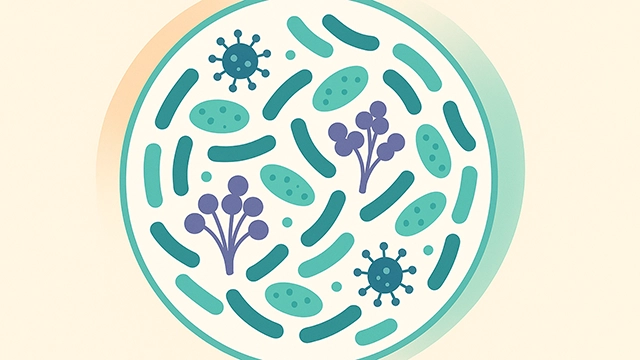
For the general reader, think of the gut as a community. Bacteria are the majority of the residents, viruses act like hidden information networks, and fungi — though fewer in number — may control critical functions that decide whether the community thrives or falls into disorder. FMT doesn’t just swap out one group of residents; it reshuffles the balance of the whole community.

Hearing the Fungal Voice
FMT has opened the door to a new kind of medicine — one that restores balance rather than simply eradicating pathogens. But if we focus only on bacteria, we miss half the story.
Recent research makes it clear: the success and long-term stability of FMT depend on the interactions among bacteria, fungi, and viruses. Fungi may have long been cast as “invisible supporting actors,” but they could be the ones tipping the balance in this complex microbial drama.
The next time we talk about FMT, let’s remember: fungi also have a voice in this story. By recognizing their role, we gain a fuller picture of what gut health truly means.

References
Official
Key Takeaways
- Fecal Microbiota Transplantation (FMT) has recently become a hot topic in both medical research and popular science.
- diff) — a condition where long-term antibiotic use wipes out beneficial bacteria in the gut, leaving space for harmful bacteria to take over, causing severe and sometimes recurrent diarrhea.
- When we think of the gut microbiome, we usually imagine bacteria — the “good” and “bad” microbes that dominate discussions about gut health.
- Although fewer in number, fungi such as Candida, Saccharomyces (yeasts), and Aspergillus (molds) also live in our intestines.
- In short, fungi may be small in population, but their impact is far from trivial.
Frequently Asked Questions
What should you know about fungi: The Overlooked Residents of the Gut?
When we think of the gut microbiome, we usually imagine bacteria — the “good” and “bad” microbes that dominate discussions about gut health. But there is another group of much smaller, often overlooked residents: fungi. Although fewer in number, fungi such as Candida, Saccharomyces (yeasts), and Asp
How Does FMT Affect Fungi?
For years, FMT research has focused almost exclusively on bacteria. But new studies show that fungi, too, are affected by this intervention.
What should you know about clinical Implications: The Risks of Ignoring Fungi?
These findings make it clear that fungi are not passive bystanders in FMT.
What should you know about looking Ahead: Toward a Whole-Ecosystem Therapy?
Traditionally, FMT has been seen as “bacterial transplantation.” But the evidence now points to something broader: a reconstruction of the entire gut ecosystem (holobiome). In this ecosystem, bacteria, fungi, and viruses interact and balance one another to shape health outcomes.
What should you know about hearing the Fungal Voice?
FMT has opened the door to a new kind of medicine — one that restores balance rather than simply eradicating pathogens. But if we focus only on bacteria, we miss half the story.