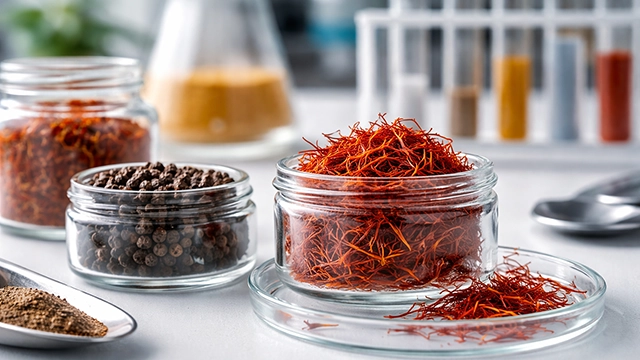

Spice: The World’s Oldest Luxury, Mold’s Modern Playground
Open any kitchen cabinet and you’ll find a global heritage: the deep reds of chilli powder, the gold of turmeric, the mystique of saffron. But for all their history, our favorite spices have a vulnerability that’s stubbornly modern—mold and the toxins it produces. As trade routes stretch across continents and food safety rules grow stricter, even the tiniest traces of aflatoxins or ochratoxins can turn treasured spice shipments into economic heartbreaks and public health risks.
And so, in a world hungry for cleaner, safer, more flavorful food, scientists are betting on a dazzling new ally: cold plasma. Far from science fiction, this non-thermal, non-chemical process could soon be the secret weapon that keeps our spices vibrant and our plates safe.

What Is Cold Plasma—and Why Should You Care?
Cold plasma (CP) sounds exotic, but the principle is straightforward: it’s an ionized gas, full of reactive oxygen and nitrogen, produced at room temperature. When applied to spices, CP acts on two fronts: it destroys fungal spores and bacteria clinging to the surface and simultaneously breaks down the dangerous mycotoxins they leave behind. And all of this happens without heat, water, or harsh chemicals—a revolution for delicate, high-value spices that lose their punch with traditional treatments.
Imagine cleaning turmeric or cumin of contaminants, preserving every drop of essential oil and every nuance of aroma, all without a hint of cooking. This is what CP promises. It’s a tailor-made solution for the world’s most precious spices—red and Byadagi chillies, black pepper, saffron, turmeric—those that suffer the most when heat or fumigation are applied.
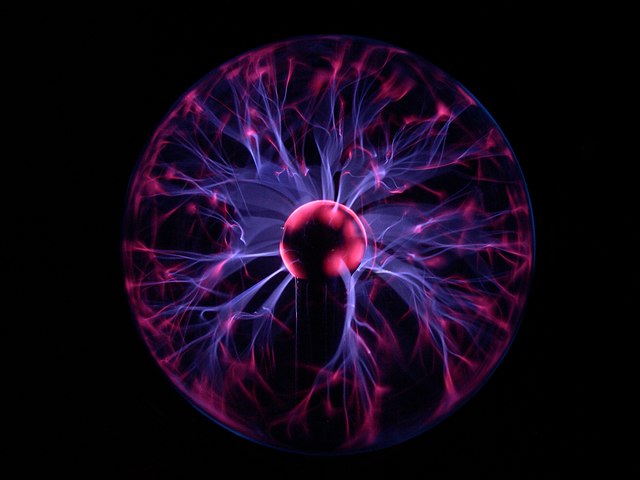
Dual Action: More Than a Surface Solution
What makes cold plasma so promising is its two-pronged attack. First, it inactivates surface fungi—culprits like Aspergillus flavus and Penicillium citrinum—that are notorious for spoiling spices and producing harmful toxins. Second, it degrades existing toxins such as aflatoxin B1 (AFB1) and ochratoxin A (OTA), transforming them into less harmful byproducts.
That means it doesn’t just “disinfect”—it detoxifies. If used with care, CP treatments leave the spice’s essential color, flavor, and nutritional value beautifully intact. For spice producers and global regulators alike, this is a potential game-changer—enabling safer trade, reducing the need for chemical treatments, and aligning with consumer demands for clean-label, minimally processed foods.

What’s the Catch?
If CP is so brilliant, why aren’t all spices already plasma-treated? The answer, as always, is in the details. First, every spice is different—too much plasma and you risk dulling its aroma or fading its brilliant color. Calibration is everything, and there’s no international standard (yet) for how long or how intensely each type should be treated.
Second, while CP breaks down mycotoxins, we still need more toxicology data on those breakdown products—are they truly harmless at every concentration? Regulatory agencies around the world are just beginning to grapple with these questions.
Third, there’s the hurdle of public perception. “Plasma-processed pepper” might sound like something out of a sci-fi film. Consumers will need education and reassurance—clear labeling, honest communication, and taste panels to prove that tradition and technology can blend beautifully.
The Roadmap: From Laboratory to Marketplace
To bring cold plasma out of the lab and into the world’s spice markets, researchers and regulators agree:
We need robust, pilot-scale trials in real-world spice-processing facilities.
Toxicological validation of all breakdown products must be completed and made transparent.
Clear guidelines for labeling and communication will help win consumer trust.
International harmonization—so plasma-treated cumin from India is accepted in the EU or US, and vice versa—is essential.
Above all, producers must prove, with rigorous sensory panels, that flavor and aroma are not only preserved, but celebrated.
Done right, cold plasma could become the industry standard—turning the world’s most colorful foods into the world’s safest, without compromise.

References
Academic Sources
- Misra, N. N., Yadav, B., Roopesh, M. S., & Jo, C. (2018). Cold Plasma for Effective Fungal and Mycotoxin Control in Foods: Mechanisms and Applications. Comprehensive Reviews in Food Science and Food Safety. https://doi.org/10.1111/1541-4337.12398
- Rao, W., et al. (2023). The Application of Cold Plasma Technology in Low-Moisture Foods: Microbial Inactivation, Mycotoxin Degradation, and Quality Effects. Foods. https://doi.org/10.3390/foods12010052
- Tanwar, N., et al. (2025). Cold plasma in spice safety: Microbiological, quality, and industrial perspectives. Trends in Food Science & Technology. https://doi.org/10.1016/j.tifs.2025.104943
- Murtaza, B., et al. (2024). Cold plasma: A success road to mycotoxins mitigation and ensuring food safety. Food Chemistry.
- Prelle, A., et al. (2014). Co-occurrence of aflatoxins and ochratoxin A in spices commercialized in Italy. Food Control.
Official Sources
- PubChem — Aflatoxin B1: https://pubchem.ncbi.nlm.nih.gov/compound/Aflatoxin-B1
- PubChem — Ochratoxin A: https://pubchem.ncbi.nlm.nih.gov/compound/Ochratoxin-A
Key Takeaways
- Open any kitchen cabinet and you’ll find a global heritage: the deep reds of chilli powder, the gold of turmeric, the mystique of saffron.
- Cold plasma (CP) sounds exotic, but the principle is straightforward: it’s an ionized gas, full of reactive oxygen and nitrogen, produced at room temperature.
- What makes cold plasma so promising is its two-pronged attack.
- If used with care, CP treatments leave the spice’s essential color, flavor, and nutritional value beautifully intact.
- Regulatory agencies around the world are just beginning to grapple with these questions.Third, there’s the hurdle of public perception.
Frequently Asked Questions
What should you know about spice: The World’s Oldest Luxury, Mold’s Modern Playground?
Open any kitchen cabinet and you’ll find a global heritage: the deep reds of chilli powder, the gold of turmeric, the mystique of saffron. But for all their history, our favorite spices have a vulnerability that’s stubbornly modern—mold and the toxins it produces. As trade routes stretch across cont
What Is Cold Plasma—and Why Should You Care?
Cold plasma (CP) sounds exotic, but the principle is straightforward: it’s an ionized gas, full of reactive oxygen and nitrogen, produced at room temperature. When applied to spices, CP acts on two fronts: it destroys fungal spores and bacteria clinging to the surface and simultaneously breaks down
What should you know about dual Action: More Than a Surface Solution?
What makes cold plasma so promising is its two-pronged attack. First, it inactivates surface fungi—culprits like Aspergillus flavus and Penicillium citrinum—that are notorious for spoiling spices and producing harmful toxins. Second, it degrades existing toxins such as aflatoxin B1 (AFB1) and ochrat
What’s the Catch?
If CP is so brilliant, why aren’t all spices already plasma-treated? The answer, as always, is in the details. First, every spice is different—too much plasma and you risk dulling its aroma or fading its brilliant color. Calibration is everything, and there’s no international standard (yet) for how
What should you know about the Roadmap: From Laboratory to Marketplace?
To bring cold plasma out of the lab and into the world’s spice markets, researchers and regulators agree:We need robust, pilot-scale trials in real-world spice-processing facilities.Toxicological validation of all breakdown products must be completed and made transparent.Clear guidelines for labelin