
Why Refrigeration Alone Cannot Stop Fungal and Microbial Risks in Modern Food Systems
The Comforting Illusion of the Cold
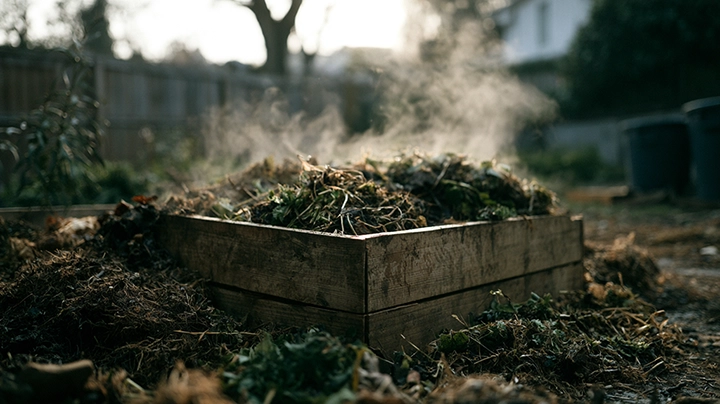
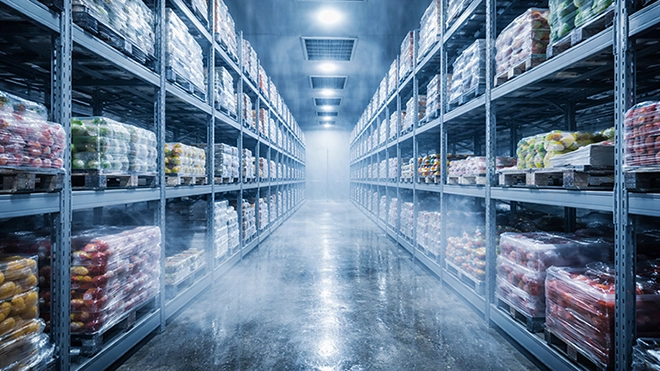
Modern food systems run on a simple promise: if we keep food cold, we keep it safe. Refrigerated trucks, chilled warehouses, and frozen distribution hubs make up an enormous infrastructure of controlled temperatures designed to slow the march of spoilage and protect global supply chains. Yet a new 2025 review published in Food Control reminds us that cold is not purity. Cold is delay.
Low temperatures suppress many microbes, but suppression is not elimination. Fungi in particular seem to treat refrigeration not as a barrier but as a pause — a temporary rest before the environment shifts just enough for them to begin again. The study makes clear that refrigeration is a brake pedal, not a firewall. And relying on it as the sole defense in food systems creates blind spots where fungal contamination may quietly evolve.

A Myth Melts Under the Microscope
Refrigeration carries a cultural weight: it feels definitive, clinical, decisive. But biologically it works by slowing metabolic processes, not destroying them. The review highlights how many microorganisms simply endure the cold rather than succumb to it. Psychrotrophic microorganisms tolerate low temperatures with ease; some even grow slowly at 1–4 °C, the range considered safe for most chilled foods.
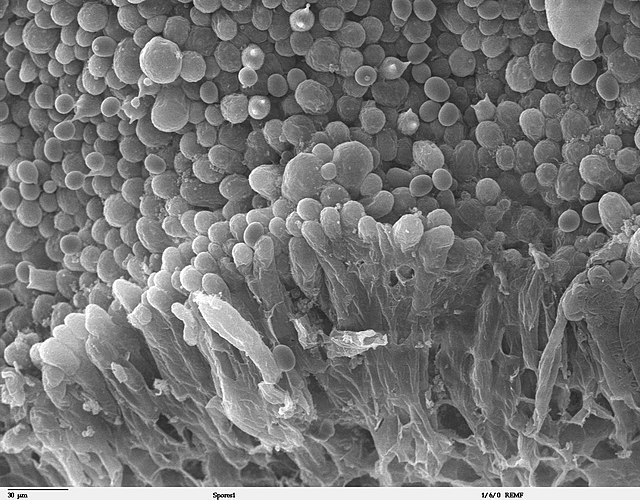
Fungal spores can withstand freezing without losing viability, lying dormant until temperatures shift during transport, retail display, or home storage. This means that products such as chilled dairy, cut produce, ready-to-eat meals, and frozen items may harbor viable fungal communities long before any visible signs of spoilage appear. The cold chain preserves food, but it can just as effectively preserve contamination if upstream hygiene falters.
Fungi Moving Quietly Through the Cold Chain
Fungal resilience becomes especially relevant when examining how contamination threads through cold environments. Spores disperse through air currents, cling to packaging, persist in processing lines, and settle into micro-niches where moisture condenses. The genera most commonly involved in cold-chain persistence — Cladosporium, Penicillium, Aspergillus, and Fusarium — are well adapted to fluctuating temperatures and can produce mycotoxins even when surface growth is minimal.

What emerges is a portrait of cold-chain ecosystems as dynamic microbial environments rather than sterile chambers. Surfaces perspire when temperatures shift. Water droplets form in quiet corners. Airflow patterns carry spores toward evaporators, plastic surfaces, conveyor belts, and seals. Regardless of how cold the environment becomes, fungi find ways to endure.
Where Contamination Finds Its Pathway
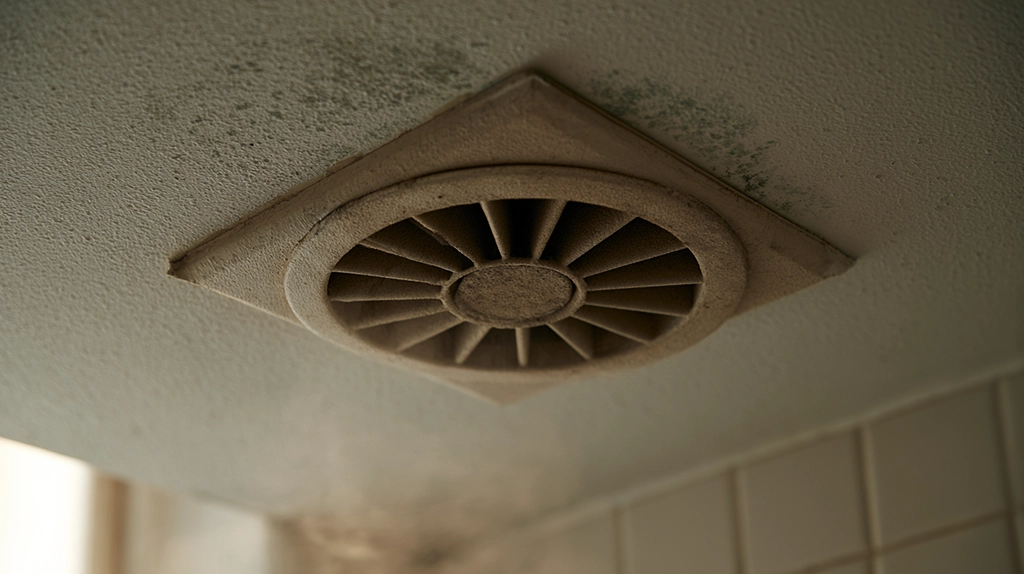
The review traces contamination pathways from field to warehouse, revealing a continuity between environmental microbes and infrastructure vulnerabilities. Soil, irrigation water, and harvesting equipment may introduce fungal spores at the agricultural stage. Processing facilities add their own risks through conveyor belts, cutting zones, and ventilation systems that accumulate dust and condensate. Process water becomes another vehicle for spore dispersal, especially in chilled environments where film-forming molds adapt to metal and plastic.

Once inside the cold chain, these microbial travelers settle into surfaces that are difficult to clean thoroughly. Condensation on ceilings, dripping evaporators, and chilled storage walls create regions where biofilms establish themselves quietly. One weak link — a patch of condensation, a gasket that never fully dries, a poorly sanitized corner — is enough for fungal inoculation to spread.
Cleaning in the Cold: A Persistent Struggle
Food systems rely on structured sanitation cycles and established technologies such as clean-in-place systems, chemical detergents, and regular disinfection. These methods undeniably reduce risk, yet they face limits when the enemy is fungal dormancy. Spores resist chemical attack better than many bacteria. Biofilms in cold, wet environments remain stubborn even after mechanical cleaning. And because refrigeration slows microbial activity, contamination may stay invisible until the temperature rises during distribution or retail display.

The review highlights another difficulty: the energy and water demands of intensive sanitation are significant. Facilities must strike a balance between hygiene efficacy and sustainability. But that balance becomes precarious when dealing with fungal species capable of colonizing the very structures designed to prevent their spread. The cold can hide problems even as it slows them.
Innovation Arrives as a Multi-Hurdle Strategy
To counter these entrenched vulnerabilities, the study points toward emerging technologies that treat microbial control as a layered system rather than a single intervention. Cold plasma treatments generate reactive species that disrupt microbial membranes. Light-based methods such as UV-C irradiation and pulsed light offer surface-level decontamination without heat. Modified atmosphere packaging and antimicrobial packaging materials introduce protection that travels with the product itself.
Each tool has strengths and limitations, but together they represent a shift in philosophy: safety must be built through redundancy. Temperature alone is not protection; it is one layer in an intentionally stacked design. The future of cold-chain safety will rely on systems that anticipate fungal persistence instead of assuming cold will conquer it.
Regulation Still Catching Up
One of the most striking insights in the review is the mismatch between technological possibility and regulatory readiness. Global frameworks such as Codex Alimentarius and various regional standards prioritize bacterial pathogens, leaving psychrotrophic molds and their toxins insufficiently addressed. Emerging technologies face slow approval pathways and inconsistent international guidance. As cold chains expand into regions with limited infrastructure, these gaps become more consequential.
Food systems cannot rely on regulations that focus solely on familiar threats. Fungal risks, though historically overshadowed, are becoming the quiet force shaping contamination patterns in chilled environments.
When Sustainability Meets Safety
The cold chain carries environmental costs — high electricity use, large refrigerant footprints, and significant water demand for sanitation. As the world shifts toward climate mitigation, the sector faces pressure to reduce its impact without compromising microbial control.
This creates a paradox: sustainability efforts must proceed in tandem with strategies that strengthen safety, not weaken it. Multi-hurdle designs, fungal-specific monitoring, and targeted interventions can reduce reliance on energy-heavy cleaning without opening the door to microbial escalation. The challenge is not merely technological; it is philosophical. Food systems must become more efficient and more biologically aware at the same time.
References
Academic Sources
Zhang, Y., et al. (2025). Cold-chain microbial ecology and emerging technologies for fungal control in refrigerated food systems. Food Control.
Pitt, J. I., & Hocking, A. D. (2009). Fungi and Food Spoilage. Springer.
DOI: https://doi.org/10.1007/978-0-387-92207-2
Magan, N., et al. (2010). Environmental factors affecting fungal growth and mycotoxin production. International Journal of Food Microbiology.
DOI: https://doi.org/10.1016/j.ijfoodmicro.2009.12.021
Official Sources
Food and Agriculture Organization (FAO) — Food safety and cold-chain systems
https://www.fao.org
World Health Organization (WHO) — Food safety guidelines
https://www.who.int
Codex Alimentarius Commission — International food standards
https://www.fao.org/fao-who-codexalimentarius
Key Takeaways
- Modern food systems run on a simple promise: if we keep food cold, we keep it safe.
- Yet a new 2025 review published in Food Control reminds us that cold is not purity.
- Fungi in particular seem to treat refrigeration not as a barrier but as a pause — a temporary rest before the environment shifts just enough for them to begin again.
- Refrigeration carries a cultural weight: it feels definitive, clinical, decisive.
- Fungal spores can withstand freezing without losing viability, lying dormant until temperatures shift during transport, retail display, or home storage.
Frequently Asked Questions
Why Refrigeration Alone Cannot Stop Fungal and Microbial Risks in Modern Food Systems?
Modern food systems run on a simple promise: if we keep food cold, we keep it safe. Refrigerated trucks, chilled warehouses, and frozen distribution hubs make up an enormous infrastructure of controlled temperatures designed to slow the march of spoilage and protect global supply chains. Yet a new 2
What should you know about the Comforting Illusion of the Cold?
Modern food systems run on a simple promise: if we keep food cold, we keep it safe. Refrigerated trucks, chilled warehouses, and frozen distribution hubs make up an enormous infrastructure of controlled temperatures designed to slow the march of spoilage and protect global supply chains. Yet a new 2
What should you know about a Myth Melts Under the Microscope?
Refrigeration carries a cultural weight: it feels definitive, clinical, decisive. But biologically it works by slowing metabolic processes, not destroying them. The review highlights how many microorganisms simply endure the cold rather than succumb to it. Psychrotrophic microorganisms tol
What should you know about fungi Moving Quietly Through the Cold Chain?
Fungal resilience becomes especially relevant when examining how contamination threads through cold environments. Spores disperse through air currents, cling to packaging, persist in processing lines, and settle into micro-niches where moisture condenses. The genera most commonly involved in cold-ch
Where Contamination Finds Its Pathway?
The review traces contamination pathways from field to warehouse, revealing a continuity between environmental microbes and infrastructure vulnerabilities. Soil, irrigation water, and harvesting equipment may introduce fungal spores at the agricultural stage. Processing facilities add their own risk