According to rdworldonline
Fungi Demonstrate Unexpected Survival Capabilities
A recent study highlighted by R&D World has revealed that certain fungal strains are capable of surviving sterilization procedures and conditions designed to simulate the Martian environment. The findings are drawing attention from researchers involved in astrobiology, planetary protection, and microbial survival studies.

Alternative description: The first true-colour image generated using the OSIRIS orange (red), green and blue colour filters. The image was acquired on 24 February 2007 at 19:28 CET from a distance of about 240 000 km; image resolution is about 5 km/pixel.
The research suggests that some fungi possess resilience levels far beyond what scientists previously expected, raising important questions about contamination risks during space exploration and the adaptability of microorganisms in extreme environments.
Why Fungal Survival Matters in Space Research
Space agencies implement strict sterilization procedures to prevent terrestrial microorganisms from contaminating spacecraft and extraterrestrial environments. This process, known as planetary protection, is intended to ensure that scientific investigations on other planets remain uncontaminated by Earth-based life.
The discovery that fungal strains can endure these procedures challenges assumptions about how effective current sterilization methods may be against certain resilient organisms.
If fungi survive transport into space or onto planetary surfaces, they could potentially interfere with scientific missions searching for extraterrestrial life by introducing biological contamination from Earth.

Simulating Martian Conditions
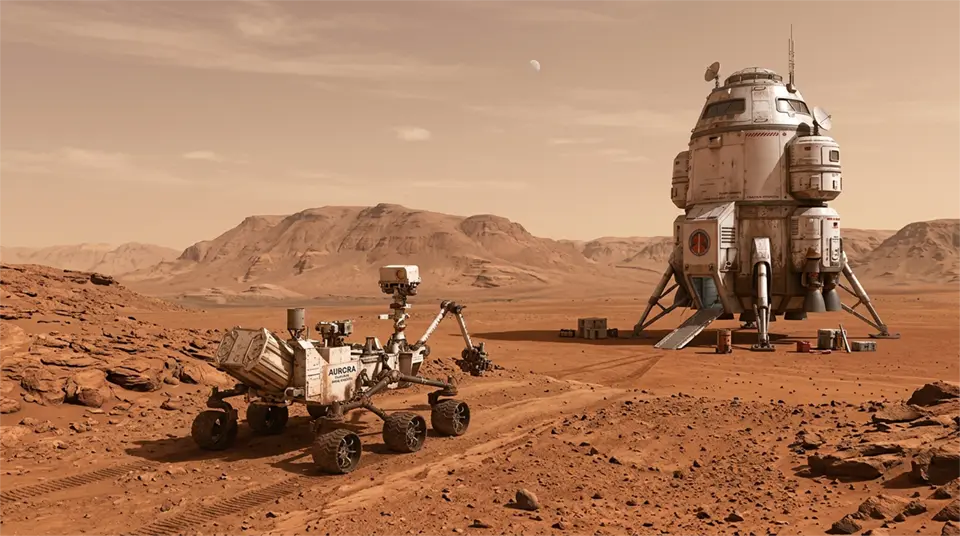
To test fungal resilience, researchers exposed fungal strains to environmental conditions similar to those found on Mars. These simulations included intense radiation, low nutrient availability, extreme dryness, and temperature fluctuations.
Mars is considered one of the harshest environments for life due to its thin atmosphere, limited liquid water, and high exposure to ultraviolet and cosmic radiation. Yet some fungi demonstrated the ability to remain viable even under these severe conditions.
The findings reinforce previous observations that fungi are among the most adaptable organisms on Earth.
Resistance to Sterilization Procedures
One of the most significant aspects of the study involves fungal survival following sterilization processes. These procedures are specifically designed to eliminate microbial life from spacecraft materials and laboratory environments.
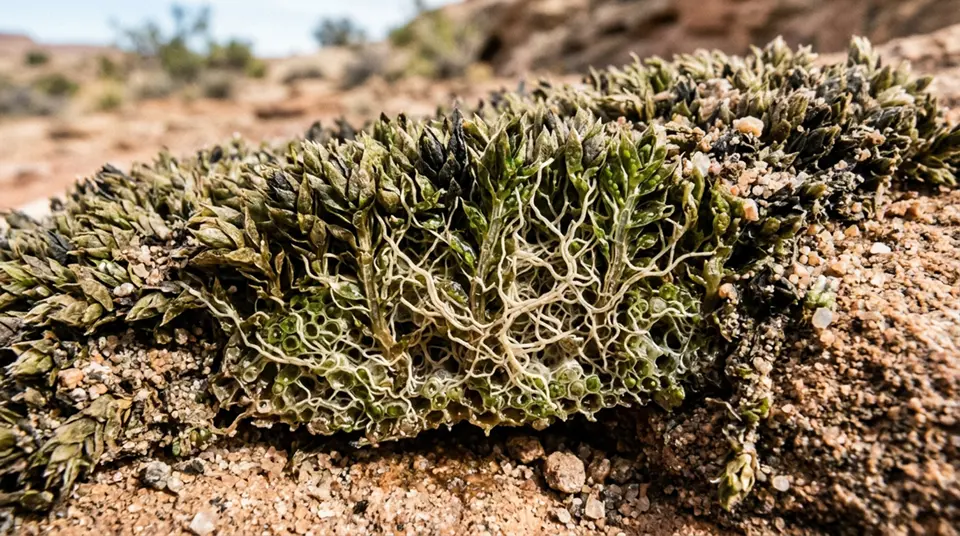
The fact that certain fungi endured these conditions suggests they possess highly effective biological defense mechanisms. These may include protective pigments, resistant cell structures, and the ability to enter dormant states during environmental stress.
Such traits enable fungi to tolerate conditions that would be fatal to many other microorganisms.

Fungi and Radiation Tolerance
Some fungal species are known for their exceptional resistance to radiation. Researchers believe certain pigments, including melanin, may help absorb and dissipate radiation energy, reducing cellular damage.
This capability has attracted scientific interest not only for planetary protection but also for potential future applications in human space travel. Fungi with radiation-resistant properties may one day contribute to biological shielding technologies or sustainable life-support systems in space habitats.
Implications for Astrobiology
The study has broader implications for astrobiology, the scientific field focused on the origins and distribution of life in the universe. If terrestrial fungi can survive conditions resembling Mars, scientists must reconsider the limits of life and the possibility that microbial organisms could persist in extreme extraterrestrial environments.
At the same time, these findings complicate the search for indigenous Martian life. Distinguishing between native biological signatures and Earth-origin contamination becomes increasingly important in future missions.

Planetary Protection Challenges
The resilience of fungi presents logistical and ethical challenges for space agencies. Maintaining sterile spacecraft becomes more difficult if microorganisms can survive standard decontamination procedures.
Future planetary missions may require revised sterilization methods, stricter containment systems, and more advanced monitoring of microbial contamination.
The issue is especially important for missions involving sample return programs or human exploration, where microbial transfer risks may increase substantially.
Fungi as Models for Extreme Survival
Scientists are increasingly using fungi as model organisms for studying biological endurance under extreme conditions. Their ability to tolerate radiation, dehydration, nutrient scarcity, and temperature extremes makes them valuable subjects for understanding the boundaries of life.
Research in this area may also contribute to biotechnology, medicine, and environmental science by revealing mechanisms that protect cells under stress.
Balancing Risk and Scientific Opportunity
While fungal resilience introduces contamination concerns, it also presents opportunities for future innovation. Some researchers speculate that fungi could eventually assist in extraterrestrial agriculture, waste recycling, or material production during long-duration space missions.
However, such applications would require careful regulation to avoid unintended ecological consequences beyond Earth.
Expanding Understanding of Life’s Limits
The study reinforces the idea that life on Earth is capable of adapting to conditions once considered uninhabitable. Fungi continue to surprise researchers through their versatility and survival strategies.
As exploration of Mars and other planetary bodies advances, understanding how microorganisms behave in extreme environments becomes increasingly important.
Looking Toward Future Missions
The findings may influence future spacecraft design, sterilization standards, and planetary exploration policies. Scientists and engineers will likely need to incorporate microbial resilience into mission planning more extensively than before.
Ultimately, the study highlights both the extraordinary adaptability of fungi and the complex scientific challenges associated with exploring environments beyond Earth.
References
According to rdworldonline