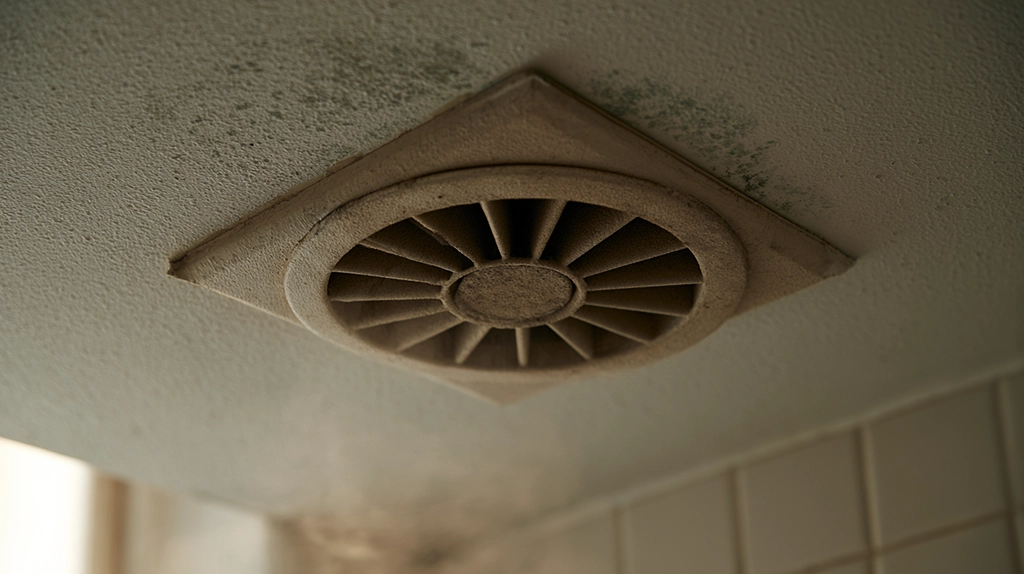

Mold is everywhere—floating in the air, settling on surfaces, and even hiding in places we least expect. But can mold actually live on your skin? The answer is both fascinating and a little unsettling. While most molds do not thrive on human skin, certain fungi can attach, grow, and even cause health issues under the right conditions. Understanding the science behind skin fungi, their methods of travel, and expert insights from the CDC and EPA can help you stay informed and protected.
The Fungi Living on Your Skin
Your skin hosts a complex ecosystem of microorganisms, including bacteria and fungi. Most of these are harmless and even beneficial, but under certain conditions, fungi can multiply and lead to skin issues. One of the most common is Malassezia, a yeast-like fungus naturally present on human skin, particularly in oily areas like the scalp, face, and back. While typically harmless, Malassezia can overgrow, leading to dandruff, seborrheic_dermatitis, and fungal acne.
Other fungi, such as Aspergillus and Penicillium, do not naturally colonize human skin but can settle on the body in humid environments or on sweaty clothing. Although they do not actively grow on skin, prolonged exposure can increase the risk of irritation or allergic reactions.

Malassezia under microscope – Wikimedia Commons (CC BY-SA 3.0)
How Fungal Spores Travel and Reach Your Skin
Fungal spores are lightweight and airborne, making them unavoidable in daily life. They land on the skin through various means, including direct contact with contaminated surfaces, person-to-person transmission, and exposure to airborne mold particles. Gym equipment, towels, shower floors, and even clothing can harbor fungal spores, increasing the likelihood of skin exposure.
In warm, humid conditions, these spores can multiply, particularly in areas where moisture accumulates, such as under tight clothing or on sweaty skin.

Fungal spores microscopic view – Wikimedia Commons (CC BY-SA 4.0)
Is Mold on the Skin Dangerous? Expert Insights from the CDC and EPA
While most molds do not pose a direct threat to healthy individuals, the CDC warns that mold exposure can lead to skin irritation, rashes, and infections in sensitive individuals. Opportunistic fungal infections, such as ringworm and athlete’s foot, occur when fungi multiply in warm, damp areas of the body.
People with weakened immune systems are particularly vulnerable, as they may experience more severe infections or prolonged symptoms.
The EPA emphasizes that mold prevention starts with controlling moisture. Since fungi thrive in humid environments, maintaining dry skin and reducing indoor humidity can help minimize exposure. The agency also advises proper ventilation to limit mold spores in the air, reducing the risk of both skin and respiratory exposure.
Preventing Skin Mold: Practical Steps
Mold is a natural part of the environment, but that doesn’t mean it has to be a part of your skin. The key to prevention lies in reducing the conditions that encourage fungal growth. Since moisture is essential for mold to thrive, keeping your skin dry is the most effective defense. After showering, working out, or spending time in humid conditions, make sure to dry off completely to minimize the risk of fungal overgrowth.
Clothing choices also play a crucial role in mold prevention. Tight, synthetic fabrics trap heat and sweat, creating an ideal breeding ground for fungi. Opting for breathable, moisture-wicking materials such as cotton or bamboo improves ventilation and keeps the skin drier. Regular showers after sweating and frequent clothing changes further reduce the chances of fungal spores settling and multiplying.
Good hygiene practices are just as important. Washing towels, bedding, and workout gear in hot water eliminates lingering fungi and prevents re-exposure. Additionally, avoiding prolonged contact with mold-prone surfaces—such as damp gym floors, locker room benches, and wet furniture—helps lower the risk of skin irritation and fungal infections.

Cotton fabric texture – Wikimedia Commons (CC BY-SA 3.0)
Should You Be Concerned About Mold on Your Skin?
In most cases, mold spores that land on the skin do not grow or cause harm unless conditions are favorable. Opportunistic fungi, such as Malassezia, thrive on oily skin, while other molds require a mix of heat, sweat, and humidity to establish themselves.
The CDC and EPA agree that mold spores are unavoidable but controlling moisture and maintaining good hygiene significantly reduce exposure risks. Those with weakened immune systems, allergies, or chronic skin conditions should take extra precautions to prevent fungal infections.
Staying dry, wearing breathable clothing, and keeping your hygiene in check remain the best defenses against fungal overgrowth. While mold exposure on the skin is rarely dangerous, avoiding damp environments and maintaining cleanliness can prevent unwanted fungal surprises. The next time you enter a humid gym locker room or delay changing out of sweaty clothes, remember—fungi might be looking for their next home.
References
Official & Regulatory Sources
- CDC – Mold: About
- CDC – Ringworm (Dermatophytosis)
- CDC – Athlete’s Foot
- EPA – Mold
- EPA – Ventilation and Indoor Air Quality
Scientific & Educational Sources
- Mold – Wikipedia
- Malassezia – Wikipedia
- Aspergillus – Wikipedia
- Penicillium – Wikipedia
- Dandruff – Wikipedia
- Seborrheic Dermatitis – Wikipedia
- Fungal Acne – Wikipedia
- Spore – Wikipedia
Image Sources (All CC Licensed / Public Domain)
- Malassezia microscope – Wikimedia Commons (CC BY-SA 3.0)
- Fungi spores under microscope – Wikimedia Commons (CC BY-SA 4.0)
- Cotton fabric texture – Wikimedia Commons (CC BY-SA 3.0)
Key Takeaways
- Mold is everywhere—floating in the air, settling on surfaces, and even hiding in places we least expect.
- While most molds do not thrive on human skin, certain fungi can attach, grow, and even cause health issues under the right conditions.
- Most of these are harmless and even beneficial, but under certain conditions, fungi can multiply and lead to skin issues.
- While typically harmless, Malassezia can overgrow, leading to dandruff, seborrheic_dermatitis, and fungal acne.
- Fungal spores are lightweight and airborne, making them unavoidable in daily life.
Frequently Asked Questions
What should you know about the Fungi Living on Your Skin?
Your skin hosts a complex ecosystem of microorganisms, including bacteria and fungi. Most of these are harmless and even beneficial, but under certain conditions, fungi can multiply and lead to skin issues. One of the most common is Malassezia, a yeast-like fungus naturally present on human skin, pa
How Fungal Spores Travel and Reach Your Skin?
Fungal spores are lightweight and airborne, making them unavoidable in daily life. They land on the skin through various means, including direct contact with contaminated surfaces, person-to-person transmission, and exposure to airborne mold particles. Gym equipment, towels, shower floors, and even
Is Mold on the Skin Dangerous? Expert Insights from the CDC and EPA?
While most molds do not pose a direct threat to healthy individuals, the CDC warns that mold exposure can lead to skin irritation, rashes, and infections in sensitive individuals. Opportunistic fungal infections, such as ringworm and athlete’s foot, occur when fungi multiply in warm, damp area
What should you know about preventing Skin Mold: Practical Steps?
Mold is a natural part of the environment, but that doesn’t mean it has to be a part of your skin. The key to prevention lies in reducing the conditions that encourage fungal growth. Since moisture is essential for mold to thrive, keeping your skin dry is the most effective defense. After showering,
What should you know about should You Be Concerned About Mold on Your Skin??
In most cases, mold spores that land on the skin do not grow or cause harm unless conditions are favorable. Opportunistic fungi, such as Malassezia, thrive on oily skin, while other molds require a mix of heat, sweat, and humidity to establish themselves.