
The Climate Story We Keep Missing
Climate change is usually framed as a problem of the atmosphere — excess carbon dioxide, rising temperatures, destabilized weather systems. But beneath our feet lies a quieter, slower-moving climate engine that rarely makes headlines. Soil ecosystems, especially fungal networks, regulate enormous carbon flows every day. A comprehensive 2025 review published in Frontiers in Microbiology argues that fungi are not peripheral actors in the climate system. They are structural components of it.
This research reframes fungi as climate-relevant organisms capable of influencing carbon storage, greenhouse gas fluxes, pollution breakdown, and ecosystem resilience. Rather than treating fungi as background decomposers, the review places them squarely inside climate mitigation discussions — not as a silver bullet, but as a biologically grounded lever that has been largely ignored.


Fungi as Carbon Managers, Not Just Decomposers
One of the review’s most important contributions is its rejection of a simplistic view of fungi as carbon emitters. Yes, fungi decompose organic matter and release CO₂. But they also determine how much carbon stays in soils and for how long. Mycorrhiza fungi, which form symbiotic partnerships with plant roots, help stabilize soil structure and move carbon into long-lived pools below ground. Saprotrophic fungi initiate decomposition pathways that eventually lead to humus formation — one of the most durable forms of soil carbon.
This dual role makes fungi difficult to model but impossible to ignore. Carbon stored by fungal necromass — the remains of dead fungal cells rich in chitin and melanin — persists longer than many bacterial residues. In some soils, fungal-derived carbon dominates long-term storage. The review makes clear that any serious carbon accounting framework that ignores fungi is incomplete by design.

Mycoremediation: Climate Action Beyond Carbon
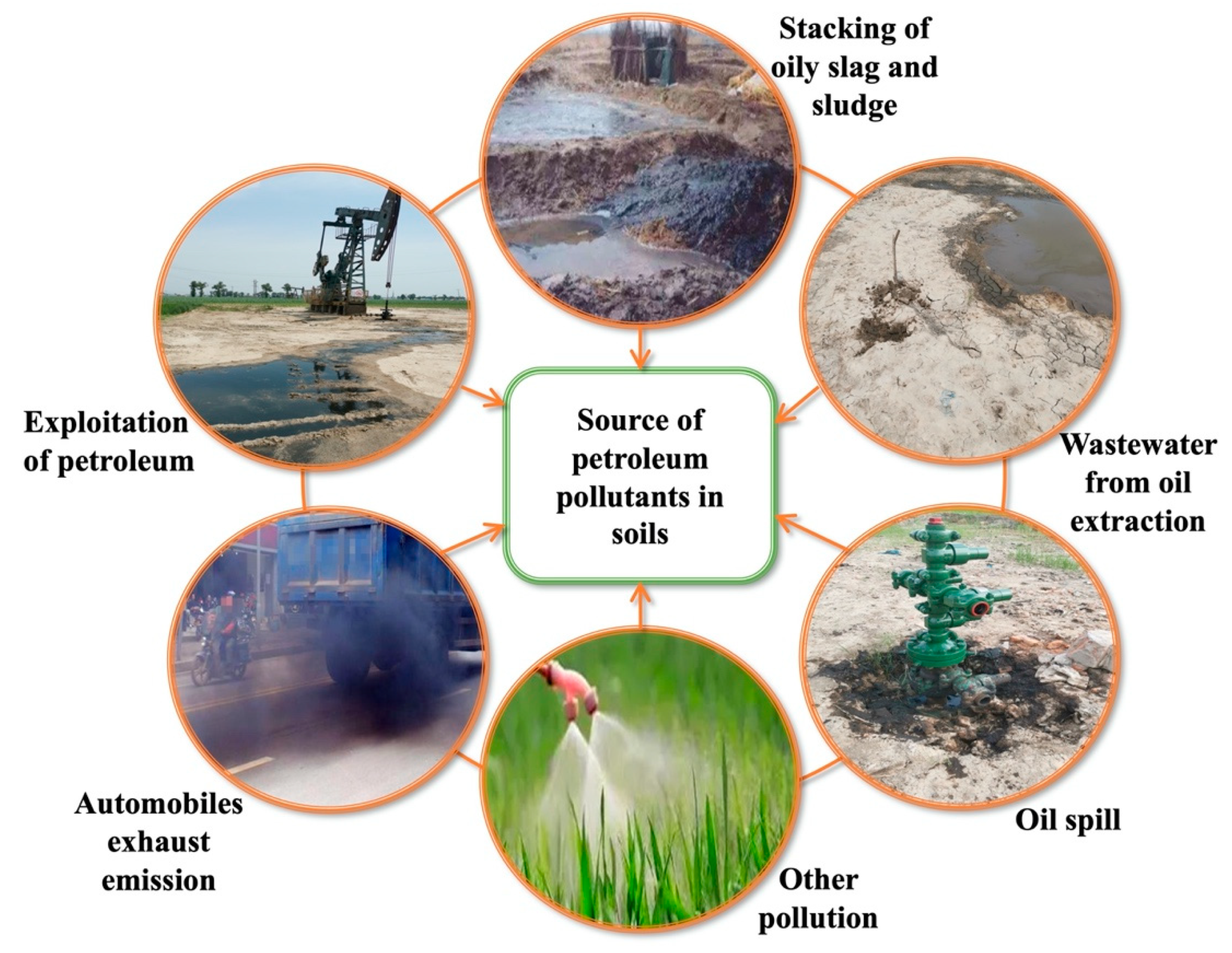
Carbon is not the only climate-relevant problem fungi can address. The review highlights mycoremediation as an underutilized tool for environmental stabilization. Through enzymes such as laccase and peroxidase, fungi can degrade petroleum residues, industrial dyes, pesticides, pharmaceuticals, and complex organic pollutants that persist in soil and water.
This matters for climate adaptation as much as mitigation. Polluted soils and waterways reduce ecosystem resilience, disrupt microbial networks, and weaken natural carbon sinks. Fungal remediation offers a low-energy, biologically integrated alternative to chemical or mechanical cleanup. The authors are careful, however, to stress that most successes remain laboratory-scale. Translating fungal cleanup into real ecosystems requires understanding competition, moisture dynamics, nutrient limitation, and long-term stability.


Mycotech and the Circular Climate Economy
Beyond ecology, the review connects fungi to climate-positive manufacturing. Mycelium-based materials are already being deployed as alternatives to plastics, foams, leather, and construction insulation. Grown on agricultural waste, these materials require minimal energy inputs and biodegrade naturally at end of life.
From a climate perspective, this matters because material production accounts for a significant share of global emissions. Replacing petrochemical-based products with fungal-grown materials does more than reduce waste — it redesigns production around biological cycles. The review positions fungal biotechnology not as niche innovation, but as a foundation for a circular bioeconomy aligned with climate goals.



Soil Carbon and the Limits of Prediction
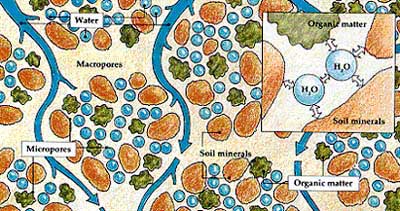
Soil remains the planet’s largest terrestrial carbon reservoir, and fungi are among its most influential architects. By promoting soil aggregation, water retention, and nutrient exchange, fungal networks help stabilize carbon below ground. Agricultural practices that support fungal abundance — such as reduced tillage, diversified cropping, agroforestry, and organic amendments — consistently correlate with improved soil carbon retention.
At the same time, the review resists overconfidence. Soil carbon is vulnerable to disturbance, drought, and land-use change. Carbon stored today can be released tomorrow. The message is not that fungi guarantee sequestration, but that fungal-informed land management increases the odds of long-term stability.


Why Climate Science Needs Fungi at the Table
Perhaps the most forward-looking argument in the review is institutional rather than biological. Climate mitigation has largely focused on physics, chemistry, and engineering. Fungal biology has remained siloed within ecology and microbiology. The authors argue that this separation limits progress.
Integrating fungi into climate models, land-use policy, restoration strategies, and pollution management requires collaboration across disciplines — from mycologists and soil scientists to climate modelers, engineers, and policymakers. Fungal systems themselves are decentralized, adaptive, and networked. Climate solutions, the review suggests, may need to mirror that logic.
From Patagonia to the World
What’s perhaps most hopeful about Patagonia’s mycoculture is its global relevance. The lessons being learned here—about ingenuity, circularity, and local empowerment—can inspire regions far beyond the southern Andes. In a world searching for sustainable food systems, climate solutions, and economic dignity, the tools of fungiculture are adaptable and scalable. Patagonia’s story reminds us that innovation often springs from the margins—and that fungi, the planet’s oldest recyclers, may just be key architects of our future.
So as the mushroom beds multiply in southern Chile and Argentina, and as new mycotech workshops light up rural towns, Patagonia is quietly seeding a future where fungi aren’t just food, but a foundation for regeneration, connection, and hope.
References
Academic Sources
- Baldrian, P. (2023). Forest soil fungi and carbon cycling. Frontiers in Microbiology. DOI: 10.3389/fmicb.2023.1183456
- Liang, C., et al. (2019). Fungal necromass contributes to soil carbon sequestration. Nature Communications. DOI: 10.1038/s41467-019-09996-7
- Singh, H. (2006). Mycoremediation: fungal bioremediation. Mycological Research. DOI: 10.1016/j.mycres.2005.12.001
Official & Institutional Sources
- Intergovernmental Panel on Climate Change (IPCC) – Soil carbon and land use: https://www.ipcc.ch
- Food and Agriculture Organization (FAO) – Soil biodiversity and ecosystem services: https://www.fao.org
- United Nations Environment Programme (UNEP) – Circular economy overview: https://www.unep.org
Key Takeaways
- Climate change is usually framed as a problem of the atmosphere — excess carbon dioxide, rising temperatures, destabilized weather systems.
- Soil ecosystems, especially fungal networks, regulate enormous carbon flows every day.
- Rather than treating fungi as background decomposers, the review places them squarely inside climate mitigation discussions — not as a silver bullet, but as a biologically grounded lever that has been largely ignored.
- But they also determine how much carbon stays in soils and for how long.
- Carbon stored by fungal necromass — the remains of dead fungal cells rich in chitin and melanin — persists longer than many bacterial residues.
Frequently Asked Questions
What should you know about the Climate Story We Keep Missing?
Climate change is usually framed as a problem of the atmosphere — excess carbon dioxide, rising temperatures, destabilized weather systems. But beneath our feet lies a quieter, slower-moving climate engine that rarely makes headlines. Soil ecosystems, especially fungal networks, regulate enormous ca
What should you know about fungi as Carbon Managers, Not Just Decomposers?
One of the review’s most important contributions is its rejection of a simplistic view of fungi as carbon emitters. Yes, fungi decompose organic matter and release CO₂. But they also determine how much carbon stays in soils and for how long. Mycorrhiza fungi, which form symbiotic partnerships with p
What should you know about mycoremediation: Climate Action Beyond Carbon?
Carbon is not the only climate-relevant problem fungi can address. The review highlights mycoremediation as an underutilized tool for environmental stabilization. Through enzymes such as laccase and peroxidase, fungi can degrade petroleum residues, industrial dyes, pesticide
What should you know about mycotech and the Circular Climate Economy?
Beyond ecology, the review connects fungi to climate-positive manufacturing. Mycelium-based materials are already being deployed as alternatives to plastics, foams, leather, and construction insulation. Grown on agricultural waste, these materials require minimal energy inputs and biodegra
What should you know about soil Carbon and the Limits of Prediction?
Soil remains the planet’s largest terrestrial carbon reservoir, and fungi are among its most influential architects. By promoting soil aggregation, water retention, and nutrient exchange, fungal networks help stabilize carbon below ground. Agricultural practices that support fungal abundance — such