
According to SCIENCE NEWS
Climate Change Is Reshaping Antarctica’s Biological Landscape
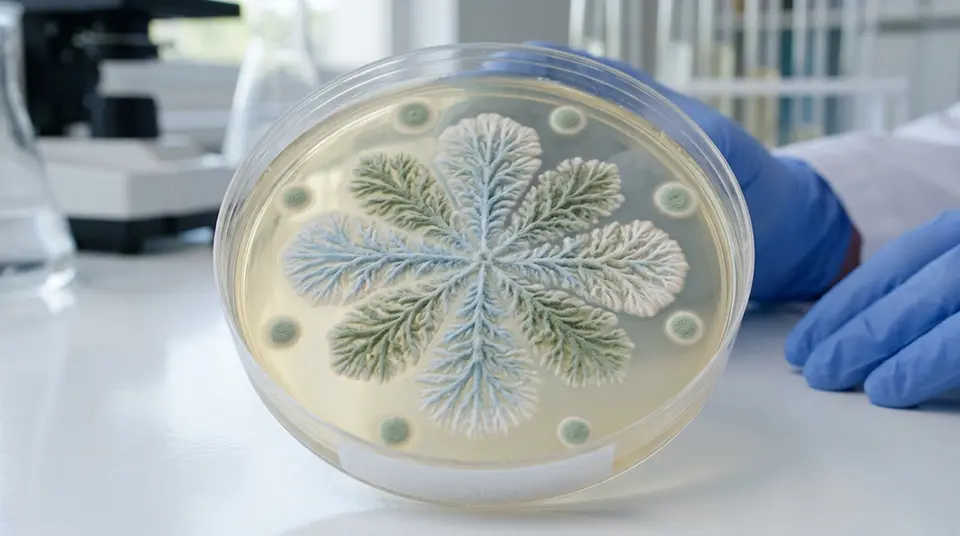
A recent report published by Science News highlights growing concern among researchers that fungal diseases may increasingly threaten Antarctica’s fragile plant ecosystems. As temperatures rise across polar regions, scientists say environmental conditions are becoming more favorable for fungi that were once limited by extreme cold.
The findings suggest that climate change may not only melt ice and alter habitats but also introduce new biological pressures into one of Earth’s most isolated ecosystems.

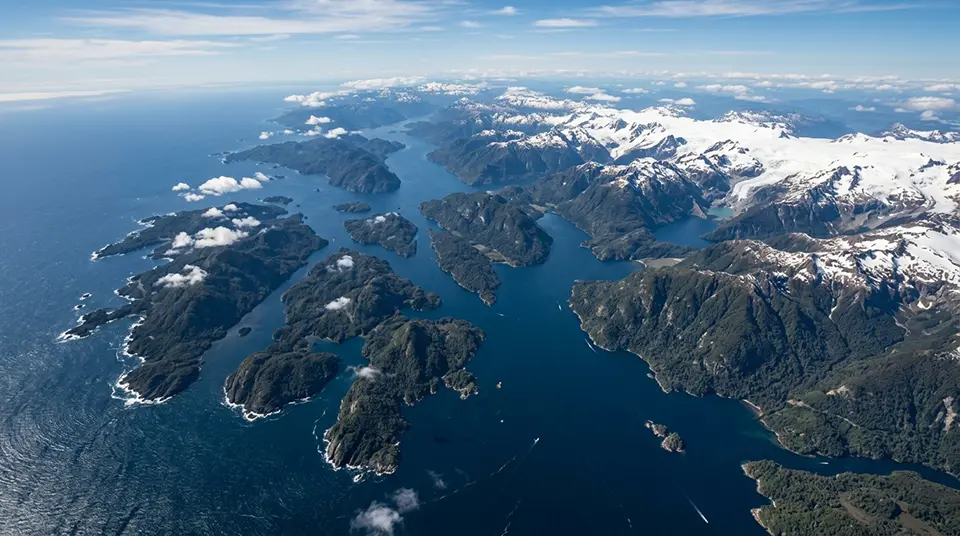
Zoom in to explore this image at its full resolution.
Antarctica’s Limited but Vulnerable Plant Life
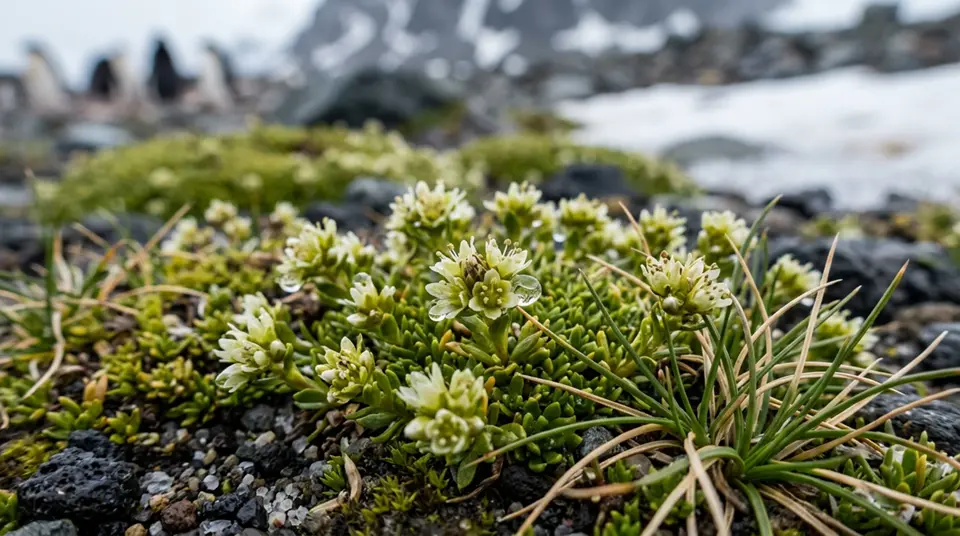
Although Antarctica is widely associated with ice and snow, parts of the continent support small but important plant communities. Mosses, lichens, algae, and two native flowering plants survive in coastal and ice-free regions where conditions are slightly less severe.
Because Antarctic ecosystems evolved under extreme environmental isolation, many native species possess limited defenses against newly emerging pathogens.
Researchers warn that fungal diseases could therefore have disproportionate ecological effects despite the relatively small amount of plant life present.
Warmer Temperatures Create Opportunities for Fungi
Historically, Antarctica’s freezing temperatures restricted the survival and spread of many microorganisms, including pathogenic fungi. However, rising temperatures are gradually reducing these environmental barriers.
Warmer conditions may allow fungi to grow, reproduce, and persist for longer periods than previously possible. Increased moisture from melting ice and changing precipitation patterns may further support fungal colonization.
Scientists believe these environmental shifts could increase the likelihood of fungal outbreaks affecting Antarctic vegetation.
Fungal Diseases and Plant Stress
Plants already stressed by climate-related changes may become more vulnerable to fungal infection. Temperature fluctuations, altered moisture levels, and habitat instability can weaken plant defenses and create opportunities for pathogens to spread.
Fungi can damage plants by infecting leaves, roots, stems, or reproductive tissues, reducing growth and survival rates. In small and isolated ecosystems such as Antarctica, even limited outbreaks may significantly affect biodiversity.
Human Activity and Pathogen Introduction
Researchers are also concerned about the role of increasing human activity in Antarctica. Scientific expeditions, tourism, cargo transport, and imported materials may unintentionally introduce fungal spores or other microorganisms into fragile ecosystems.
Spores can travel on clothing, equipment, soil particles, and transported goods. Once introduced, warming environmental conditions may improve the chances of fungal establishment.
This has intensified discussions about stricter biosecurity measures for Antarctic operations.

Antarctica as a Biological Frontier
The report highlights how Antarctica functions as one of the last relatively isolated biological environments on Earth. Because of its extreme conditions, many species there evolved without exposure to the wide range of pathogens common in other ecosystems.
As environmental conditions shift, scientists are increasingly concerned that invasive microorganisms could alter ecological relationships that remained stable for centuries or millennia.
The continent is therefore becoming an important location for studying how climate change affects disease ecology.
Fungi as Both Threats and Ecological Participants
Despite concerns about disease, fungi are also natural and essential parts of ecosystems. Some Antarctic fungi contribute to decomposition and nutrient cycling in nutrient-poor environments.
The issue is not fungi themselves, but the possibility that pathogenic or invasive fungal species may expand under warming conditions and disrupt ecological balance.
Scientists emphasize the importance of distinguishing between native microbial communities and potentially harmful introduced pathogens.
The Connection Between Climate and Disease Ecology
The Antarctic case reflects a broader global pattern in which climate change is altering the distribution and activity of infectious organisms.
Warmer temperatures influence fungal growth rates, spore dispersal, host susceptibility, and environmental survival. Similar trends are being observed in agriculture, forestry, wildlife health, and human disease systems worldwide.
Researchers increasingly describe climate change as a factor capable of reshaping pathogen ecology on a global scale.

Challenges of Monitoring Antarctic Fungi
Studying fungi in Antarctica presents logistical difficulties due to harsh weather, remote locations, and limited accessibility. Many microbial species in polar environments remain poorly documented or entirely undiscovered.
Researchers are using genetic sequencing and environmental monitoring to better understand how microbial communities are changing over time.
Improved surveillance may help scientists identify emerging fungal threats before widespread ecological damage occurs.
Fragile Ecosystems with Limited Recovery Capacity
One major concern is that Antarctic ecosystems recover very slowly from disturbance. Plant growth rates are often extremely slow due to harsh environmental conditions.
If fungal diseases damage vegetation communities, recovery could take decades or longer. This makes prevention and early detection especially important.
Scientists stress that preserving Antarctic biodiversity requires minimizing additional ecological pressures wherever possible.
Global Importance of Polar Ecosystems
Although geographically distant from most human populations, Antarctica plays a major role in Earth’s climate systems and ecological stability. Changes affecting polar biodiversity may influence broader environmental processes, including carbon cycling and global climate regulation.
Protecting Antarctic ecosystems is therefore considered important not only for conservation but also for understanding planetary environmental change.
Looking Ahead
Researchers continue investigating how warming temperatures may alter fungal ecology across Antarctica. Future studies are expected to focus on pathogen movement, plant susceptibility, microbial adaptation, and the long-term effects of environmental change.
The report underscores how climate change is transforming even the planet’s coldest and most isolated environments. What was once considered naturally protected by extreme cold may now face biological threats previously impossible under Antarctic conditions.
Ultimately, the research highlights a growing scientific realization: as climates shift, fungi and other microorganisms may become increasingly influential drivers of ecological change in regions once thought too extreme for widespread disease activity.
References
Fisher M.C. et al. (2012). Emerging fungal threats to animal, plant and ecosystem health. Nature.
According to SCIENCE NEWS
Key Takeaways
- A recent report published by Science News highlights growing concern among researchers that fungal diseases may increasingly threaten Antarctica’s fragile plant ecosystems.
- The findings suggest that climate change may not only melt ice and alter habitats but also introduce new biological pressures into one of Earth’s most isolated ecosystems.
- Mosses, lichens, algae, and two native flowering plants survive in coastal and ice-free regions where conditions are slightly less severe.
- Historically, Antarctica’s freezing temperatures restricted the survival and spread of many microorganisms, including pathogenic fungi.
- Warmer conditions may allow fungi to grow, reproduce, and persist for longer periods than previously possible.
Frequently Asked Questions
What should you know about climate Change Is Reshaping Antarctica’s Biological Landscape?
A recent report published by Science News highlights growing concern among researchers that fungal diseases may increasingly threaten Antarctica’s fragile plant ecosystems. As temperatures rise across polar regions, scientists say environmental conditions are becoming more favorable for fungi that w
What should you know about antarctica’s Limited but Vulnerable Plant Life?
Although Antarctica is widely associated with ice and snow, parts of the continent support small but important plant communities. Mosses, lichens, algae, and two native flowering plants survive in coastal and ice-free regions where conditions are slightly less severe.
What should you know about warmer Temperatures Create Opportunities for Fungi?
Historically, Antarctica’s freezing temperatures restricted the survival and spread of many microorganisms, including pathogenic fungi. However, rising temperatures are gradually reducing these environmental barriers.
What should you know about fungal Diseases and Plant Stress?
Plants already stressed by climate-related changes may become more vulnerable to fungal infection. Temperature fluctuations, altered moisture levels, and habitat instability can weaken plant defenses and create opportunities for pathogens to spread.
What should you know about human Activity and Pathogen Introduction?
Researchers are also concerned about the role of increasing human activity in Antarctica. Scientific expeditions, tourism, cargo transport, and imported materials may unintentionally introduce fungal spores or other microorganisms into fragile ecosystems.