According to SCIAM
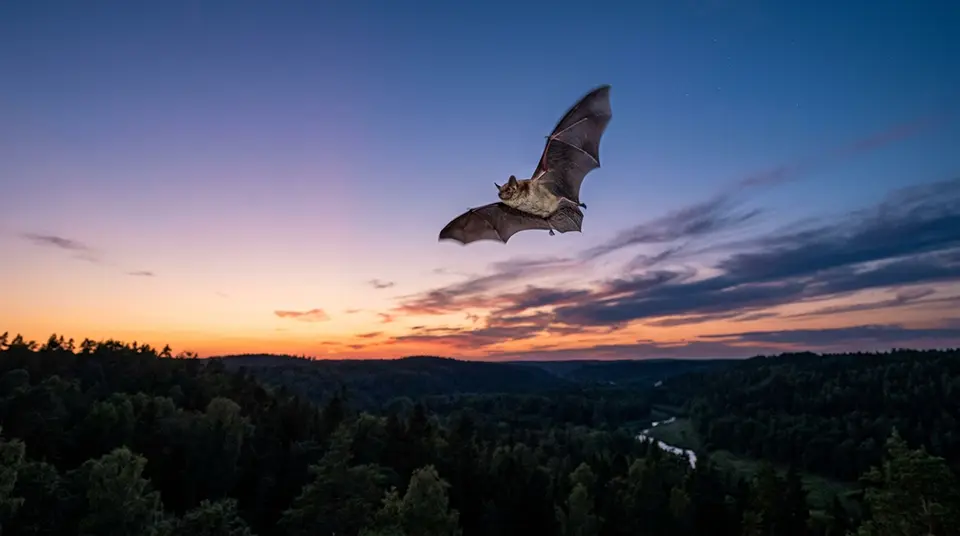
White-nose syndrome, a fungal disease that has devastated bat populations across North America, could eliminate little brown bats (Myotis lucifugus) from much of the northeastern United States within two decades if mortality rates remain unchanged, according to research highlighted by Scientific American. First detected in New York in 2006, the disease rapidly spread through hibernating bat colonies, causing severe population declines in several species. Researchers estimate that the little brown bat, once one of North America’s most abundant bat species, faces a very high risk of regional extinction unless effective conservation measures slow the disease’s impact. The findings underscore the growing ecological consequences of emerging wildlife fungal diseases and the importance of long-term monitoring and conservation efforts.

White-nose syndrome is caused by the cold-adapted fungus now known as Pseudogymnoascus destructans (formerly classified within Geomyces). The fungus grows on the skin, muzzle, ears, and wings of hibernating bats in cool, humid caves and mines. Infection damages wing tissues, disrupts normal hibernation, and causes bats to awaken repeatedly during winter, rapidly exhausting the fat reserves they depend upon until spring. As energy stores become depleted, many infected bats die from starvation or dehydration before insects become available again. The disease spreads efficiently among densely clustered bats during hibernation, contributing to exceptionally high mortality rates at infected sites. Mortality in some hibernation colonies has exceeded 90 percent, making white-nose syndrome one of the most destructive wildlife diseases ever documented in North America.
The population analysis cited in the report was led by researchers from Boston University, who evaluated mortality data from caves affected by white-nose syndrome. Their model, published in the journal Science by lead author Winifred F. Frick and colleagues, estimated that approximately 73 percent of bats within infected colonies died each year, representing a loss of about 45 percent of the regional little brown bat population annually. Based on these figures, researchers projected a 99 percent probability of regional extinction within approximately 16 to 20 years if mortality remained at similar levels — a collapse from an estimated 6.5 million bats before the disease to roughly 65,000 afterward. Although the disease had not yet spread across the entire continent at the time of the study, scientists warned that continued expansion into additional hibernation sites could threaten populations throughout much of eastern North America. The projections highlighted how rapidly an emerging fungal pathogen can alter wildlife populations when no natural resistance exists.

Beyond the direct loss of biodiversity, researchers emphasize that declining bat populations may have significant ecological and agricultural consequences. Little brown bats consume large quantities of insects each night, including mosquitoes and numerous agricultural pests, providing valuable natural pest control services. Reduced bat populations could contribute to increased insect abundance, potentially affecting crop production and increasing reliance on chemical pesticides. Conservation scientists have suggested measures such as protecting hibernation habitats, reducing human disturbance in caves, installing bat houses to support summer breeding populations, and strengthening disease surveillance to slow population declines. Continued research into the biology of Pseudogymnoascus destructans, host resistance, and disease transmission remains essential for developing long-term conservation strategies — subsequent research has documented that some persisting colonies have stabilized at 5 to 30 percent of their pre-epidemic size, and some populations show early signs of adaptive resistance, offering a measure of cautious hope alongside the grim initial projections. The white-nose syndrome outbreak demonstrates how emerging fungal pathogens can reshape ecosystems by affecting keystone wildlife species whose ecological roles extend far beyond their immediate habitats.
References
Boston University Today (2010). Countdown to Extinction for Little Brown Bat.
Mongabay (2020). Endangered bats are evolving to fight off an exotic fungal disease.
According to SCIAM