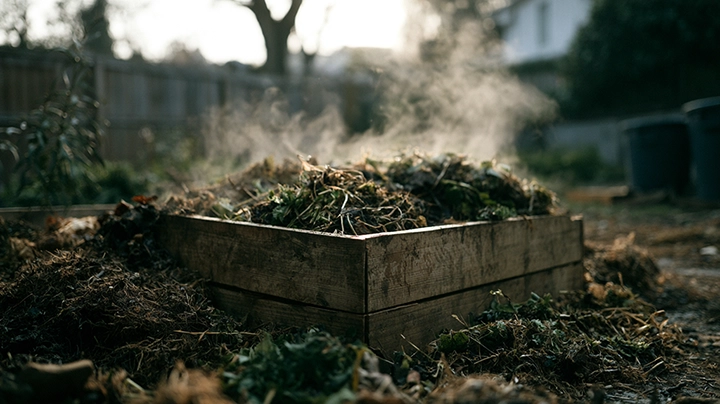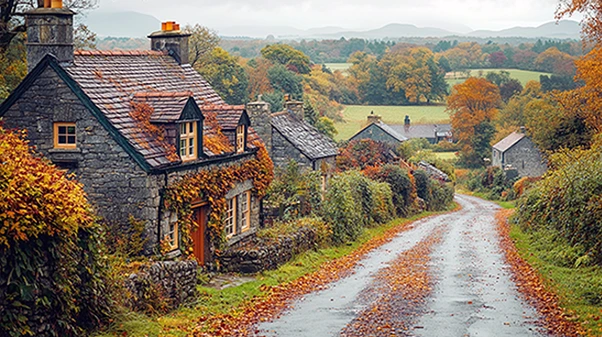

There’s something magical about Ireland in the spring
Rolling green hills, ancient oak forests, and rain that never quite stops falling. It’s a place steeped in myth, where the air itself feels alive with stories. In many ways, this deep reverence for nature and history feels familiar to Chinese traditions, where misty mountains and ancient forests hold their own spiritual significance.
But not all green is lucky. Some of it creeps in the shadows, spreading quietly, reclaiming forgotten spaces. This is true across cultures, where nature always has a way of reminding us that we are merely guests in its domain.
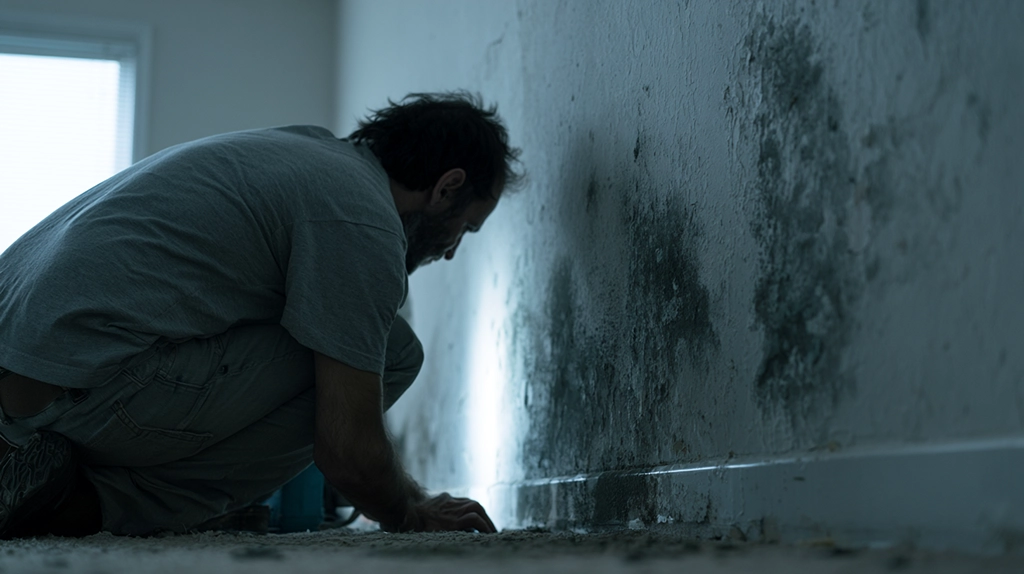
Mold—the unseen guest at every St. Patrick’s Day feast, in every damp pub, in the very earth itself—has been part of Ireland’s story for centuries. It thrives where moisture lingers, in the old stone walls of cottages, beneath the wooden beams of centuries-old pubs, and even in the fields that once fed entire generations.

Source: Wikimedia Commons, CC BY-SA 4.0
The Mold That Shapes Our Food
Ireland’s food is a product of its landscape—earthy, humble, and shaped by survival. But fungi have always had a hand in the harvest. This is not unlike the role of fermentation and mold in Chinese cuisine, where soy sauce, rice wine, and aged teas owe their rich flavors to the quiet workings of beneficial microbes.
The Great Hunger and the Mold That Changed History
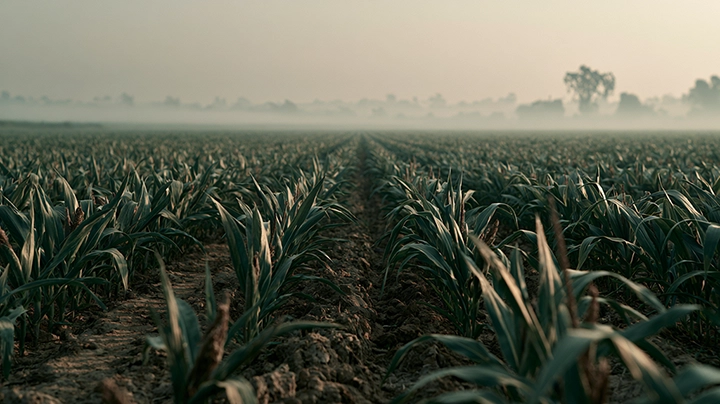
Phytophthora infestans, the potato blight, was more than just a disease—it was a catastrophe that reshaped Ireland forever. Families watched as entire fields turned black with rot, as the food they depended on disappeared into decay. This wasn’t just mold—it was a force of nature, an invisible famine woven into history.
The Great Hunger forced millions to emigrate, scattering Irish communities across the world, but it also left behind scars that remain in the collective memory of a nation.
This story resonates far beyond Ireland. China, too, has faced devastating famines, often linked to natural disasters and crop failures. The fear of food scarcity is deeply ingrained, shaping how societies view sustainability, preservation, and adaptation.

Source: Wikimedia Commons, CC BY-SA 3.0
The Cheeses, the Breads, and the Spores That Linger
Traditional Irish soda bread, fresh from the oven, golden and warm. But leave it too long, and green tendrils creep across its crust. Irish cheeses, aged in damp cellars, develop blooms of mold—some welcome, some unwelcome.
Yet, mold is not always the enemy. The aging of cheese relies on beneficial fungi, transforming dairy into something rich, complex, and full of character.
This delicate relationship exists across cultures. In China, mold is essential to delicacies such as fermented bean curd, aged pu-erh tea, and black vinegar.
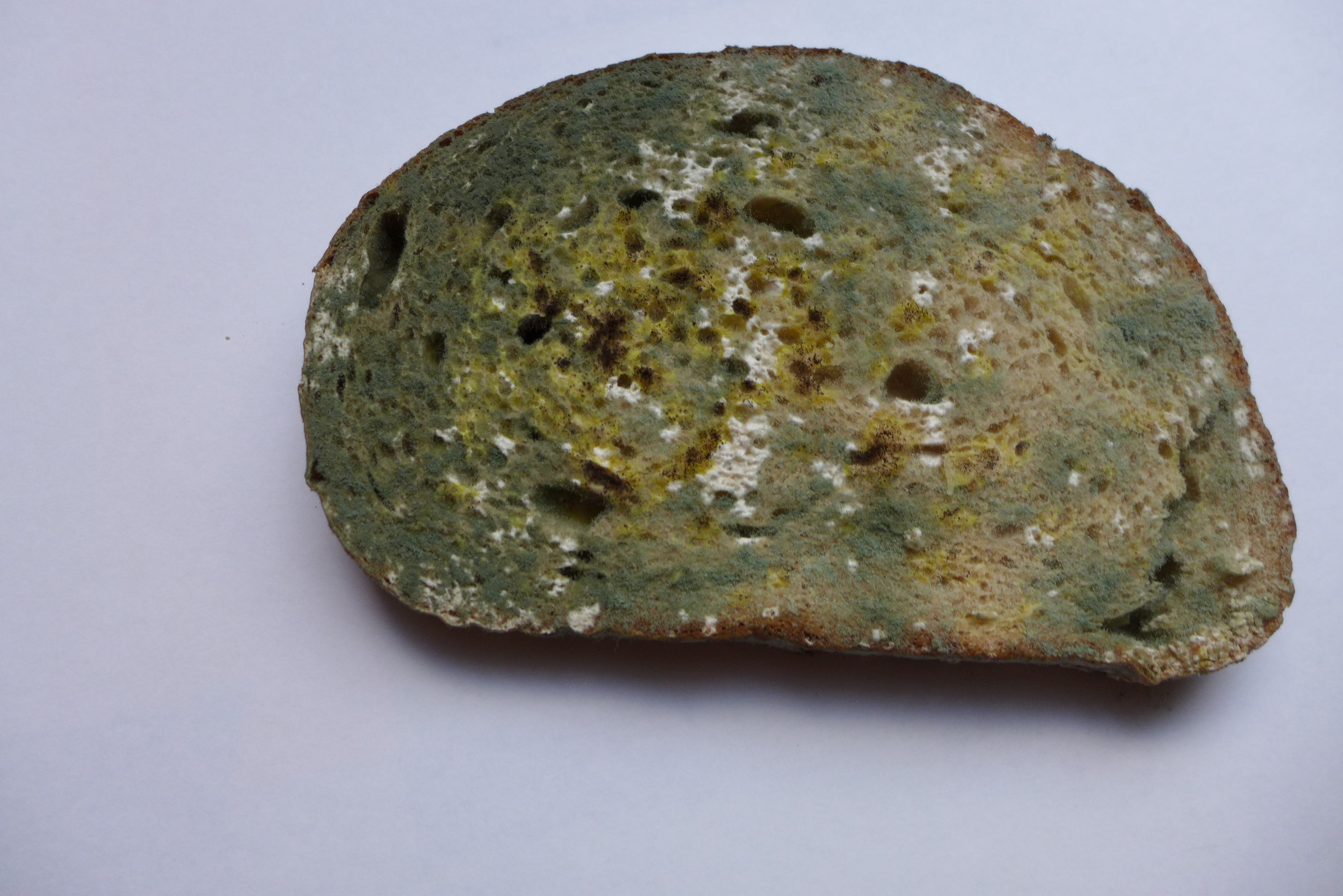
Source: Wikimedia Commons, CC BY-SA 3.0
The Fiddles, the Folklore, and the Myths of the Forest
Even in Irish folklore, fungi and mold have always been there, waiting in the mist. The mysterious allure of nature is something that Chinese mythology shares—where mist-covered mountains are home to celestial beings, and sacred mushrooms like Lingzhi are symbols of immortality.
Fairy Rings and Fungal Magic
Step into a fairy ring, and you might never step out—portals where time twisted. Some believed these rings were cursed spots where the earth itself was sick.
Science tells us they form as underground fungal networks expand, creating eerie circles that enchant and frighten people alike.

Source: Wikimedia Commons, CC BY-SA 3.0
The Music of Damp Wood and Hidden Growth
The fiddle, the bodhrán, the harp—all carved from wood, all vulnerable to mold’s slow reclaiming touch.
A forgotten instrument, left in a damp cottage, soon blooms with fungi—as if nature is whispering, “Give it back to the earth.” The same dampness that makes the land lush and the music rich also invites decay.
Many an old fiddle, tucked away in an attic, has been lost to mold. Yet, there’s poetry in that decay—music, like all things, is temporary.
In Chinese philosophy, impermanence is accepted as truth. Whether it’s an old fiddle or an ancient scroll gathering mold, everything is part of the cycle of existence.
A St. Patrick’s Day Toast to the Green We Welcome—and the Green We Fear
So tonight, as you raise a glass to St. Patrick, remember:
- The green hills and the green mold grow together.
- The history of famine and the resilience of a people are intertwined.
- The mist that makes the land so lush is the same mist that feeds the fungi.
Mold is neither good nor bad—it simply exists. Without it, our food would not ferment, our forests would not decompose, and the cycle of life would falter.
Just as China reveres the balance of nature, with mushrooms symbolizing health and renewal, so too does Ireland, with its mist-laden landscapes and folklore steeped in mystery.
We celebrate the green, but we respect its power.
To St. Patrick, to Ireland, to the things we see and the things we don’t. Sláinte.

Source: Wikimedia Commons, CC BY-SA 3.0
References
- Ireland – Wikipedia
- Mold – Wikipedia
- Phytophthora infestans – Wikipedia
- Great Famine (Ireland)
- Chinese philosophy – Wikipedia
- Lingzhi mushroom – Wikipedia
- Fairy ring – Wikipedia
- St. Patrick – Wikipedia
- Wikimedia Commons images:
- Irish countryside (CC BY-SA 4.0)
- Irish Famine Memorial (CC BY-SA 3.0)
- Moldy bread (CC BY-SA 3.0)
- Fairy ring (CC BY-SA 3.0)
- Irish fiddle (CC BY-SA 4.0)
- St. Patrick’s Day in Dublin (CC BY-SA 3.0)
Key Takeaways
- Rolling green hills, ancient oak forests, and rain that never quite stops falling.
- In many ways, this deep reverence for nature and history feels familiar to Chinese traditions, where misty mountains and ancient forests hold their own spiritual significance.
- This is true across cultures, where nature always has a way of reminding us that we are merely guests in its domain.
- Ireland’s food is a product of its landscape—earthy, humble, and shaped by survival.
- Phytophthora infestans, the potato blight, was more than just a disease—it was a catastrophe that reshaped Ireland forever.
Frequently Asked Questions
What should you know about there’s something magical about Ireland in the spring?
Rolling green hills, ancient oak forests, and rain that never quite stops falling. It’s a place steeped in myth, where the air itself feels alive with stories. In many ways, this deep reverence for nature and history feels familiar to Chinese traditions, where misty mountains and ancient forests hol
What should you know about the Mold That Shapes Our Food?
Ireland’s food is a product of its landscape—earthy, humble, and shaped by survival. But fungi have always had a hand in the harvest. This is not unlike the role of fermentation and mold in Chinese cuisine, where soy sauce, rice wine, and aged teas owe their rich flavors to the quiet workings of ben
What should you know about the Great Hunger and the Mold That Changed History?
Phytophthora infestans, the potato blight, was more than just a disease—it was a catastrophe that reshaped Ireland forever. Families watched as entire fields turned black with rot, as the food they depended on disappeared into decay. This wasn’t just mold—it was a force of nature, an invisible famin
What should you know about the Cheeses, the Breads, and the Spores That Linger?
Traditional Irish soda bread, fresh from the oven, golden and warm. But leave it too long, and green tendrils creep across its crust. Irish cheeses, aged in damp cellars, develop blooms of mold—some welcome, some unwelcome.
What should you know about the Fiddles, the Folklore, and the Myths of the Forest?
Even in Irish folklore, fungi and mold have always been there, waiting in the mist. The mysterious allure of nature is something that Chinese mythology shares—where mist-covered mountains are home to celestial beings, and sacred mushrooms like Lingzhi are symbols of immortality.