
They Built a Hospital. Mold Took It Over. Now No One Wants to Pay.
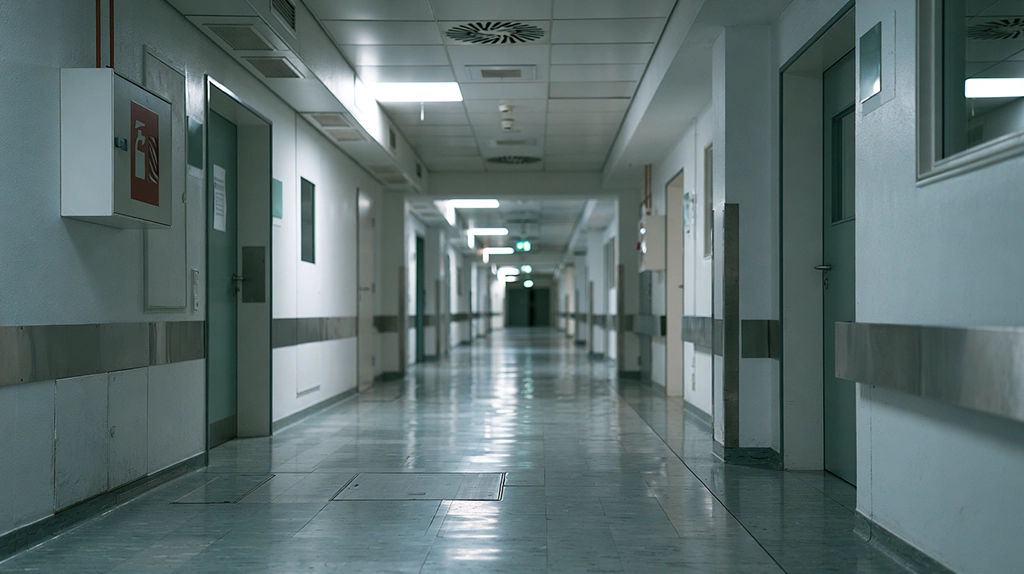
Imagine spending $160 million on a brand-new, state-of-the-art hospital—only to have mold invade it like a parasite just months after opening. Imagine finding out that the contractors are off the hook, the insurance won’t cover it, and the people who are actually stuck with the bill? You.
That’s exactly what’s happening at Hawaiʻi State Hospital. And the worst part? This was entirely preventable. But instead of accountability, all we’re getting is finger-pointing, legal battles, and a very expensive game of “not my problem.”
The Dirty Secret Behind the World’s Mold Crisis
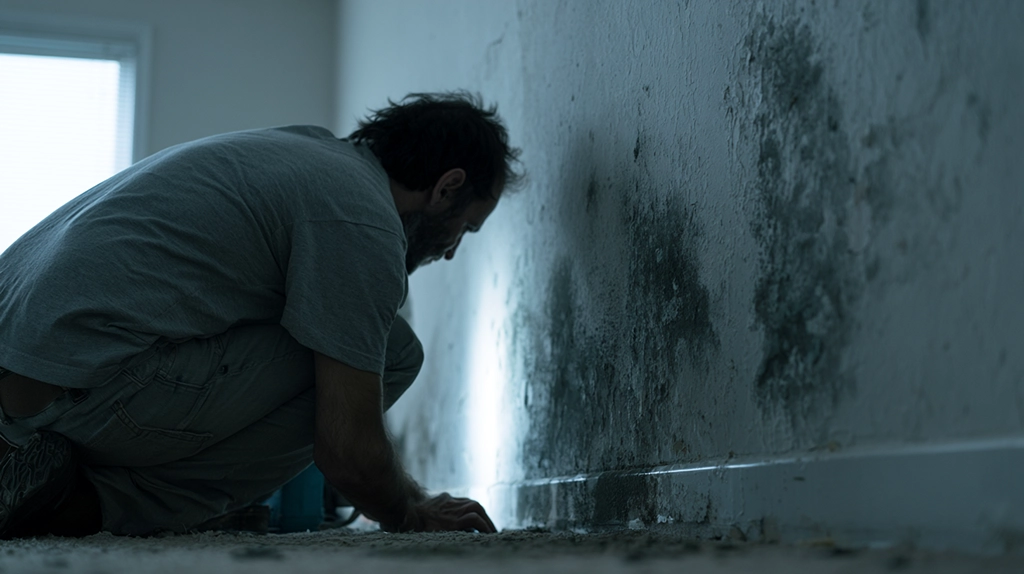
This isn’t just a hospital problem—this is a global failure. Mold doesn’t just appear out of nowhere. It’s a symptom of rushed construction, cheap materials, bad ventilation, and—most of all—pure negligence.
Take a look around. Schools are closing because of mold. Apartment buildings are evicting tenants over mold lawsuits. Luxury hotels are hiding mold outbreaks to avoid bad press. This isn’t a rare crisis—it’s everywhere.
Governments sign off on multimillion-dollar projects with no long-term plan. Property developers cut corners to save money. And when mold creeps in? They all disappear faster than the warranty coverage.

Source: Wikimedia Commons, CC BY-SA 4.0
Moldgate: How a Brand-New Hospital Became an $8 Million Disaster
Hawaiʻi State Hospital was supposed to be a flagship medical facility. What it became? A petri dish for mold.
Within months of opening, water leaks started. Did they fix it immediately? No. Did they stop the spread before it became a financial nightmare? Absolutely not. Instead, mold took over, the damage got worse, and now the state is begging for $8.16 million in emergency repairs.
But here’s the real scandal: No one is taking responsibility.
The contractors? “Not our problem, warranty expired.”
The insurance companies? “Slow leaks? Oh, that’s a ‘maintenance issue.’”
The government? “We need more taxpayer money.”
And in the middle of this mess? A hospital that can’t function properly because someone—actually, multiple people—didn’t do their jobs.
Think This is Just One Isolated Disaster? Think Again.
If this happened to a government-funded, brand-new medical facility, what do you think is happening in aging office buildings, neglected schools, and high-rise apartments built on a budget?
This is not just one hospital’s bad luck—this is a massive, industry-wide failure. The economic cost of mold-related building damage? Billions.
💰 Mold lawsuits are skyrocketing.
💰 Entire facilities are shutting down over contamination.
💰 Businesses are losing millions in property damage claims.
And no one is talking about it. Because the second people start asking real questions, the contractors, developers, and insurance companies run for cover.
Here’s Why This Matters—And Why You Should Be Paying Attention
People think if a building is new, it’s safe. Wrong. A $160 million project failed in record time, so what does that say about everything else?
This scandal proves that buildings aren’t built to last anymore—they’re built to pass inspection, get sold, and leave the problems for someone else. And guess what? That someone is you.
Landlords, homeowners, business owners—no one is safe from this mess. If your property is vulnerable to leaks, you could be sitting on a mold disaster and not even know it. And if you think insurance will cover it, let me remind you: They will do everything in their power not to.

Source: Wikimedia Commons, CC BY-SA 4.0
The Mold War is Coming. Are You Ready?
If you don’t want to end up in the same sinking ship as Hawaiʻi State Hospital, you need to start asking the right questions.
Who’s actually responsible if mold destroys your property?
What does your insurance really cover? (Spoiler: Probably not as much as you think.)
How airtight is your builder’s warranty? Or will they leave you hanging the second things go wrong?
Mold isn’t just a cleanup issue—it’s an industry-wide scandal.
And if you’re not paying attention? You’re next.

Source: Wikimedia Commons, CC BY-SA 3.0
References
- Hawaiʻi State Hospital – Official Website
- EPA – Indoor Air Quality
- Wikimedia Commons images:
- Water damage ceiling (CC BY-SA 4.0)
- Abandoned apartment building (CC BY-SA 4.0)
- Mold on wall (CC BY-SA 3.0)
Key Takeaways
- Now No One Wants to Pay.Imagine spending $160 million on a brand-new, state-of-the-art hospital—only to have mold invade it like a parasite just months after opening.
- That’s exactly what’s happening at Hawaiʻi State Hospital.
- This isn’t just a hospital problem—this is a global failure.
- Luxury hotels are hiding mold outbreaks to avoid bad press.
- Hawaiʻi State Hospital was supposed to be a flagship medical facility.
Frequently Asked Questions
What should you know about the Dirty Secret Behind the World’s Mold Crisis?
This isn’t just a hospital problem—this is a global failure. Mold doesn’t just appear out of nowhere. It’s a symptom of rushed construction, cheap materials, bad ventilation, and—most of all—pure negligence.
What should you know about moldgate: How a Brand-New Hospital Became an $8 Million Disaster?
Hawaiʻi State Hospital was supposed to be a flagship medical facility. What it became? A petri dish for mold.
What should you know about think This is Just One Isolated Disaster? Think Again.?
If this happened to a government-funded, brand-new medical facility, what do you think is happening in aging office buildings, neglected schools, and high-rise apartments built on a budget?
What should you know about here’s Why This Matters—And Why You Should Be Paying Attention?
People think if a building is new, it’s safe. Wrong. A $160 million project failed in record time, so what does that say about everything else?
What should you know about the Mold War is Coming. Are You Ready??
If you don’t want to end up in the same sinking ship as Hawaiʻi State Hospital, you need to start asking the right questions.