According to
According to MSN
When 49-year-old Sharon Lord accepted an offer to receive cavity wall insulation installed under a government scheme, she believed she was making a sensible investment in her four-bedroom home in Burnley, Lancashire. Instead, what she got was rising damp, rampant black mould, structural damage, and a repair cost so high it might exceed the value of her house. Her story reflects a growing number of Britons trapped in homes that have become colder, less healthy, and burdened with massive remediation bills due to botched retrofit insulation works.
The Promise of Insulation
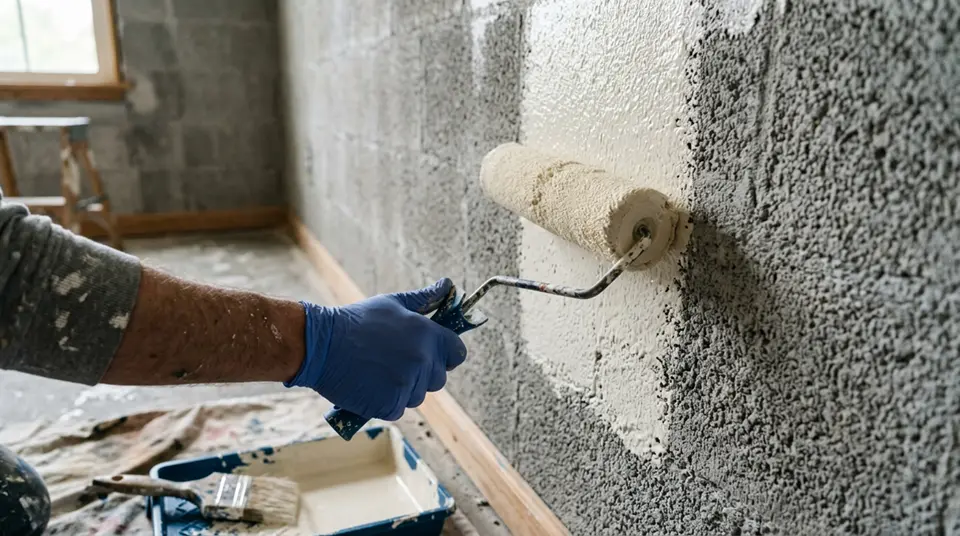
Government-backed energy efficiency schemes—such as ECO4 and the Great British Insulation Scheme (GBIS)—offer free or subsidized insulation to homeowners, aiming to reduce energy consumption, cut bills, and lower carbon emissions. For many participants, the offer seemed ideal: improved thermal comfort and lower heating costs, at no upfront cost.
But those gains depend heavily on correct installation, property suitability, moisture control, and quality oversight. Without these, insulation can trap moisture, damage building fabric, degrade performance, and create an environment for mould growth.

Source: Wikimedia Commons, CC BY-SA 2.0
The Insulation Turns Against Her
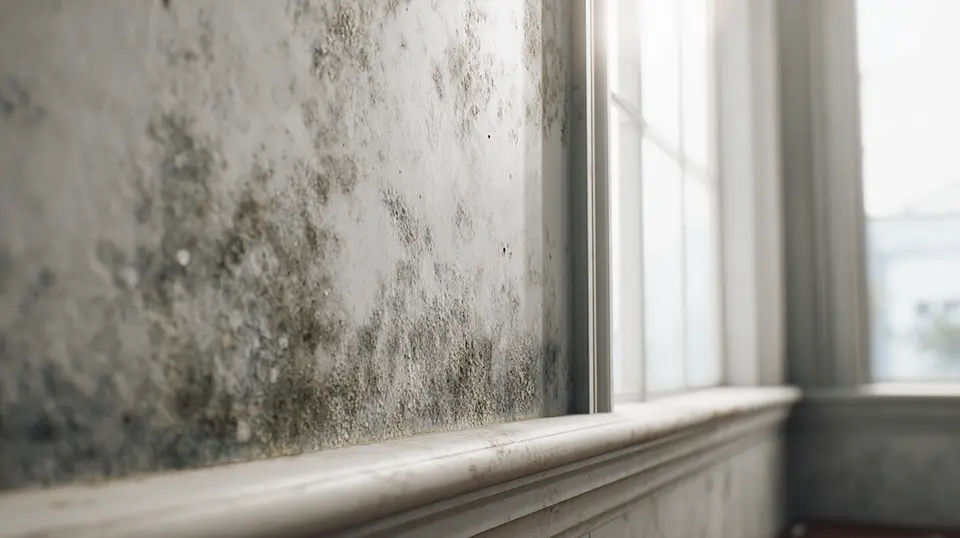
In 2014, Lord was approached by a door-knocker offering free insulation under a government program. The insulation was installed, but soon after, she began to notice signs of trouble: damp patches on walls, especially in her eldest child’s bedroom. The black mould set in rapidly.
When Lord contacted the installing company, she was told simply to wash the walls daily. She used bleach and water, but the patches reappeared. Cracks appeared near windows and on external walls; condensation worsened; floors became sodden. By the next winter, the house was “wet through all the time.” She claims she felt colder inside her bedroom than outside.
With nowhere to turn, Lord learned that the installing firm, Heatwave Energy Systems, had gone into liquidation. A surveyor later estimated repair costs above £128,000 for a property worth perhaps £75,000–£80,000. The repairs would require stripping external walls, gutting internal structures, replacing beams, and leaving the home uninhabitable during reconstruction.
As a single parent, Lord says she lacks the resources to carry out the work, leaving her trapped in a deteriorating home, constantly battling mould, moisture, and cold.
A Pattern of Failure Across Thousands of Homes
What happened to Lord is not isolated. Earlier this year, government officials revealed that approximately 30,000 homes fitted with solid wall insulation under the ECO4 and GBIS schemes have been found to suffer from faulty installation. These failures range from damp, condensation, structural cracks, to mould infestations.
In response to mounting complaints and evidence of damage, 39 companies were suspended from doing further installations. But for many homeowners whose houses were retrofitted in earlier programs, redress is elusive. Some compensation recourse or remediation programs apply only to more recent installations, leaving older cases like Lord’s in limbo.

Source: Wikimedia Commons, CC BY-SA 4.0
Why Insulation Can Go Wrong
The damage you read about in Lord’s case arises from several technical failures:
- Lack of moisture control: Insulation can trap moisture inside walls when ventilation, damp-proofing, or external drainage is inadequate.
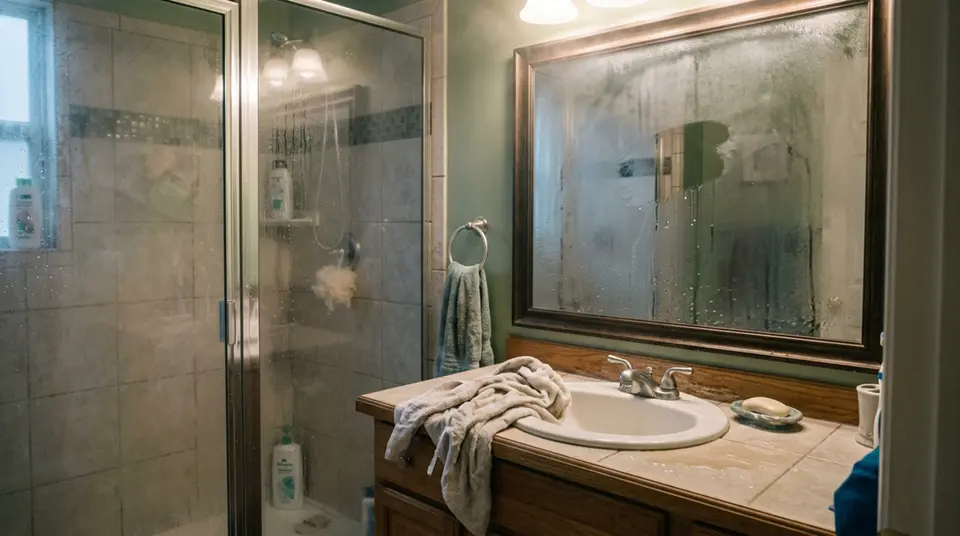
- Cold bridging and condensation: Incomplete or imperfect insulation can leave cold spots where condensation occurs, feeding mould growth.
- Poor workmanship or design: Incorrect installation in unsuitable wall types doesn’t allow the building to breathe.
- Structural defects or water ingress: External leaks, cracks, or poor design can introduce moisture that saturates insulation.
- Unsuitable premises: Older homes or properties with damaged masonry or weak cavity walls may not tolerate retrofit insulation without careful preparatory work.
When insulation becomes waterlogged, it can lose thermal capacity and eventually degrade, propelling a cycle of cold, damp, and mould.
Source: Generated by AI based on UK retrofit building science data
Health and Safety Impacts
Black mould, often Stachybotrys chartarum, thrives in persistently damp environments. Its spores can cause respiratory irritation, asthma exacerbation, skin irritation, and in extreme, chronic exposure, even neurological symptoms.
For households like Lord’s—especially with children, potentially vulnerable occupants, or pre-existing respiratory conditions—the presence of mould is a serious health hazard.
One tragic UK case raised awareness: the death of two-year-old Awaab Ishak in 2020, attributed to respiratory failure from mould exposure in his home, led to increased scrutiny on housing conditions and landlord obligations.

Source: Wikimedia Commons, CC BY-SA 4.0
Policy, Redress, and the Human Toll
Many affected homeowners feel abandoned. Lord says that while current schemes may improve oversight for new installations, those harmed earlier remain neglected. Legal and financial recourse is limited when the installing firms have folded and government protections are selective.
Support groups such as the SSB Law Victims Support Group now assist victims in navigating redress options, documenting damage, and applying pressure for remedy schemes. They argue this is more than a housing scandal—it is a public health and justice crisis.
Some homeowners report worse health, respiratory distress, exacerbated allergies, and worsening pre-existing conditions. There have even been claims linking mould exposure from failed insulation to deaths in some cases.
Moving Forward: What Must Be Done
For retrofit programs to be safe and effective, three priorities stand out:
- Strong quality control and oversight — independent audits during and after installation to detect failures early.
- Mandatory warranties and remediation clauses — guarantees that installations can be reversed or fixed at no cost if they damage homes.
- Support for past victims — extended compensation or remediation programs for homeowners whose insulation was installed under earlier schemes.
Homeowners also need better information, climate-appropriate installation standards, and access to trusted inspectors before and after retrofit work.
As Lord says, “All I want is my home put back to the condition it was before the insulation went in.” For thousands like her, the cost of that promise has become tragically high.
References
According to MSN
Key Takeaways
- Renovations that disturb wall insulation can unexpectedly expose homeowners to extensive hidden mold growth, particularly in older homes with vapour barrier defects or in walls that have experienced slow chronic moisture infiltration.
- The most common locations for hidden mold in insulated walls include areas near window frames, roof-wall junctions, pipe penetrations, and exterior wall corners where thermal bridging creates cold spots that trap condensation.
- Pink fibreglass insulation that turns black, grey, or green is a strong indicator of mold contamination; however, contaminated insulation cannot be cleaned—it must be removed and replaced along with any mold-affected structural materials.
- When wall mold is discovered during renovation, work should halt immediately until the extent of the contamination is assessed, the moisture source identified and repaired, and a remediation plan is in place—proceeding with standard renovation work spreads spores throughout the property.
- Homeowners discovering extensive hidden mold face complex decisions about insurance claims, contractor liability, and potential obligations to disclose if selling the property—making early documentation and professional assessment critical.
Frequently Asked Questions
What causes hidden mold to grow inside wall insulation?
Hidden mold in wall insulation develops through the interaction of three factors: moisture, organic material to grow on, and time—with wall insulation providing the organic substrate and thermal properties that create the condensation moisture source in many cases. Root causes of hidden mold in walls: construction moisture—new buildings constructed during wet weather may have timber framing, sheathing, or insulation materials that were installed at elevated moisture content; the building envelope trapping this construction moisture prevents drying, leading to mold development in the first 1–3 years after construction. Vapour barrier errors: vapour barriers (polyethylene sheeting, vapour retarder paints) are intended to control which side of the insulation experiences condensation; when vapour barriers are installed on the wrong side for the local climate—or when they have tears, penetrations, or missing sections—condensation occurs within the insulation layer or at the interface between insulation and sheathing. Thermal bridging and cold spots: timber studs, metal fasteners, and other elements that conduct heat better than surrounding insulation create localised cold spots in walls; in winter conditions, these cold spots can reach the dew point and cause condensation even when the wall’s overall thermal performance is adequate; corners, window frames, and roof-wall junctions are particularly prone. Exterior moisture infiltration: cracked caulking, failed flashing, damaged cladding, or inadequate weep holes in brick veneer allow rainwater or bulk moisture to infiltrate behind the cladding and into insulation; moisture infiltration is often slow (not dramatic flooding) and may continue undetected for years until mold develops. Plumbing leaks within wall cavities: slow leaks from supply pipes, drain pipes, or condensation on cold water pipes within wall cavities provide sustained moisture; without visible external evidence, these may remain undetected for extended periods.
Is mold in wall insulation dangerous and should you leave it alone?
Mold in wall insulation is a significant health and building integrity concern that should not be left alone—both because it poses ongoing health risks through spore dispersal and because it continues damaging building materials as long as moisture conditions persist. Health risks of mold in wall insulation: spore dispersal into living spaces—although mold growing inside walls is not directly visible or smellable in most cases, viable spores and mycotoxin-containing particles can migrate through gaps, cracks, electrical outlets, plumbing penetrations, and HVAC returns into living spaces; measured airborne spore levels are often elevated inside homes with wall cavity mold compared to outdoors. Species growing in fibrous insulation—Stachybotrys chartarum (black mold) preferentially grows on saturated, cellulose-rich materials including some insulation types and gypsum wallboard paper; Aspergillus and Penicillium species grow across a wider range of insulation materials and moisture conditions; Cladosporium and Trichoderma are also common insulation molds. Should it be left alone? Definitively no—reasons it cannot be safely ignored: the mold continues growing and producing spores as long as moisture conditions persist; the underlying structural materials (timber studs, sheathing, top and bottom plates) are being damaged and may develop structural weakness; the presence of extensive mold must be disclosed in real estate transactions in most jurisdictions; if renovating in the future, disturbing mold without proper precautions creates acute high-exposure events for workers and occupants; insurance and warranty implications may be affected by delayed action.
What should a homeowner do immediately when mold is discovered during renovation?
Discovering extensive mold during renovation requires a prompt, structured response to protect both health and legal position—stopping work is the first critical step, but several actions should follow in rapid succession. Immediate steps: stop work immediately—when a tradesperson or homeowner discovers mold in wall cavities, work should halt to avoid spreading spores further; disturbing mold without containment distributes spores throughout the property; instruct all workers to leave the area and close access points where possible. Containment of the area—close any doors between the mold-affected space and the rest of the building; seal HVAC vents in the affected area to prevent spore distribution through the air handling system; do not run existing HVAC until the scope of contamination is assessed. Photograph and document everything—take extensive photographs before anything is disturbed or removed; document the extent of visible mold, the condition of insulation and structural materials, and any moisture sources visible; this documentation is critical for insurance claims, contractor liability discussions, and health assessments. Notify relevant parties: if the home is undergoing renovation by a contractor, they must be notified and work suspended pending assessment; if the home is under warranty (new home), notify the builder immediately—hidden mold may trigger warranty coverage. Professional assessment—engage a qualified building inspector or environmental consultant to assess the extent of mold contamination; this typically involves visual inspection, possible non-invasive moisture testing (infrared thermography, pin-type moisture meters), and possibly air or surface sampling; assessment should identify the moisture source as this must be repaired before remediation. Health assessment—if occupants have been experiencing unexplained health symptoms (respiratory irritation, persistent cough, fatigue), medical assessment is appropriate once mold is discovered.
How much does it cost to remediate mold found in walls during renovation?
The cost of mold remediation when discovered during home renovation varies enormously depending on the extent of contamination, the number and type of structural materials affected, the geographic location, and the specific remediation approach required. Cost drivers and typical ranges: small/localised wall mold (1–10 square feet): limited to a single wall section with no structural involvement; affected insulation removal, application of biocide treatment to structural surfaces, possible gypsum wallboard replacement; total cost: AUD/USD 500–3,000 depending on location and specific materials affected. Moderate wall mold (10–100 square feet, multiple wall sections): requires professional containment setup, HEPA filtration of work area, personal protective equipment for workers; includes affected insulation removal and replacement, possible timber treatment or replacement; typical range: USD 3,000–15,000; AUD 5,000–25,000. Extensive contamination (greater than 100 square feet or involving structural members): structural timber replacement or encapsulation may be needed; HVAC system cleaning if distribution through air handling is suspected; may require temporary relocation of occupants; full documentation for insurance claims; costs can escalate to USD 25,000–100,000+ for severe cases involving multiple rooms and structural elements. Insurance considerations: homeowner’s insurance typically covers mold remediation if it resulted from a ‘sudden and accidental’ event (e.g., pipe burst); long-term moisture infiltration and maintenance-related mold is typically excluded from standard policies; mold riders or endorsements providing additional mold coverage are available in some markets; documenting when the mold was first discovered and its likely cause is essential for insurance claims. Contractor liability: if the mold resulted from improper construction or renovation work by a contractor, contractor liability insurance or direct legal claims may be applicable; document the construction defect and seek legal advice early.
How can you prevent mold in wall insulation during construction or renovation?
Preventing hidden mold in wall insulation is achieved through careful attention to moisture management at multiple stages of construction and renovation, with decisions made during design and construction having decades-long consequences for building health. Prevention during construction: moisture content of materials: timber framing should be at equilibrium moisture content for the local climate before installing insulation and cladding; maximum recommended moisture content for timber framing is 19% (typically 14–17% is targeted); avoiding installation in wet weather or protecting framing from rain during the construction phase; using kiln-dried treated timber. Vapour barrier placement: vapour barrier placement must match local climate—in cold climates, vapour barriers belong on the warm-in-winter side (inside face of insulation in a heated wall); in hot-humid climates, vapour drive can come from outside and vapour retarder placement differs; consult with building science consultants in mixed or unusual climate zones; ensure vapour barriers are continuous without penetrations or damage. Flashing and moisture management at junctions: careful flashing installation at all wall penetrations (windows, doors, pipes, power outlets); redundant water management with drainage planes and cavity battens in high-rainfall areas; adequate weep holes and drainage in brick veneer and cladding systems. Quality control during renovation: inspect existing wall cavities before closing them during renovation; check for evidence of past moisture (staining, discolouration, rust marks); address all moisture sources before closing wall cavities; don’t trap moisture during renovation by adding vapour barriers incorrectly. Post-renovation monitoring: consider commissioning post-renovation blower door testing for air leakage; thermal imaging can identify cold spots and moisture problems; address any ventilation deficiencies identified during renovation.