According to USA TODAY
A Quiet Menace Beneath Our Feet
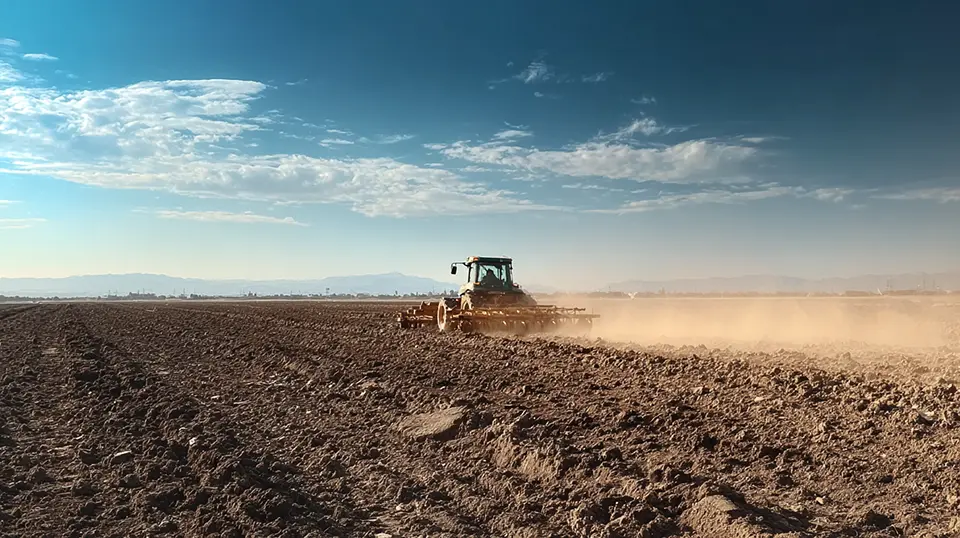
A lethal fungus is on the move across America’s soil, carried not by sneezes or handshakes but by dust and wind. Valley fever (coccidioidomycosis) is no longer a rare disease confined to the parched deserts of the Southwest. It is spreading north and west, creeping into cooler, once-safe regions of the country.
Public health experts warn that climate change, drought, and heavy rainfall are creating the perfect conditions for the fungus Coccidioides to thrive. In places like California’s Central Coast and Oregon’s green valleys, a disease once considered regional is becoming a national threat.
The surge is invisible until it isn’t. Spores rise unseen from disturbed soil; a single breath can carry them deep into the lungs. And yet, because its symptoms mimic flu or pneumonia, Valley fever is often misdiagnosed, delaying treatment and endangering lives.

Source: CDC Public Health Image Library, Public Domain
From Local to National Threat
For decades, Valley fever was a disease of Arizona and California’s interior valleys—hot, dry, and dusty environments. But data from the California Department of Public Health (CDPH) show a dramatic increase in cases: from about 1,000 a year in the early 2000s to nearly 12,500 cases in 2024—a record high.
Monterey County on the Central Coast, famous for its strawberries and ocean breezes, now records hundreds of cases annually. “It’s very difficult to avoid dust in our environment,” said Christie Michie of the county health department. “What we don’t want is people to get really sick with Valley fever.”
Public health projections are sobering. By the end of the century, scientists expect Coccidioides to flourish well north of the Canadian border and into the Midwest. Already, infections have been documented as far north as Washington and Oregon—areas that were once too cool for the fungus to thrive.
How the Fungus Spreads
Valley fever is caused by Coccidioides immitis and Coccidioides posadasii, soil-dwelling fungi native to the Americas. They produce hardy spores called arthroconidia, which become airborne when soil is disturbed by wind, construction, or farming.
Exposure does not always cause disease, but when it does, the illness can range from mild to life-threatening. Symptoms typically appear one to three weeks after inhaling spores and include cough, fever, rash, fatigue, headache, and shortness of breath.
For most, symptoms resolve within weeks. But about 5–10% of patients develop serious or chronic lung complications. In around 1%, the infection disseminates to other parts of the body—the brain, bones, or skin—causing meningitis, hydrocephalus, and even death.
Those most at risk include people with weakened immune systems, pregnant women, individuals with diabetes, and Black and Filipino populations, who are disproportionately affected by severe disease.

Source: Wikimedia Commons, CC BY-SA 4.0
A Disease Fueled by Extreme Weather
Heavy rainfall followed by drought creates ideal conditions for Coccidioides spores. Wet seasons encourage fungal growth in the soil; dry periods turn that soil to dust, ready to be carried by wind. “Even a single spore can cause the disease,” said Dr. George Thompson, codirector of the University of California, Davis Center for Valley Fever.
This weather pattern—sometimes described as the “grow and blow” cycle—has intensified under climate change, as once-predictable seasons give way to extremes. More intense storms, longer droughts, and new dust corridors provide the fungus with unprecedented mobility.
Hidden in Plain Sight
Because Valley fever resembles other respiratory infections, it is often missed by clinicians. Patients may endure rounds of ineffective antibiotics while the fungus spreads unchecked.
Kern Medical Center’s Valley Fever Institute in Bakersfield has taken up the task of education, hosting monthly Zoom calls for patients. “It can go undiagnosed,” said Bianca Torres, a program coordinator whose father was hospitalized with the disease. “It’s important to also advocate for yourself.”
Some cases are stark reminders of the stakes. Bill Perske, a 39-year-old butcher from San Luis Obispo County, had never heard of Valley fever when he developed a cough and fever in late 2023. Months later, he experienced migraines, vomiting, and seizures. An MRI revealed hydrocephalus—a buildup of fluid in his brain caused by disseminated Valley fever.
He now lives with a port to drain the fluid. “If not, you could just die, straight up,” Perske said. “You get written off as a statistic.”

Source: Wikimedia Commons, CC BY-SA 4.0
New Frontiers of Infection
Valley fever is no longer limited to farmworkers, construction crews, or prison inmates in arid regions. Suburban residents, weekend golfers, and even pets are at risk. Registered nurse Dana Brucker’s dog developed Valley fever from spores in her backyard in Bakersfield.
“Awareness is our biggest weapon,” Brucker said. “People don’t realize you can catch this in your own yard.”
The disease now threatens a wider cross-section of society, from agricultural laborers to office workers moving into newly developed neighborhoods.
Public Health Response
California’s health authorities are urging clinicians to consider Valley fever in patients with unexplained pneumonia—especially during peak seasons. Some hospitals, like Salinas Valley Health, have even designated in-house “cocci gurus” to spearhead diagnostics and treatment.
“There’s not a lot of awareness at all,” said Brucker. “But now we’re at the point where if you’ve got pneumonia, we’re thinking about it right up front,” added Dr. Allen Radner, an infectious disease specialist who sees multiple new cases a day during fall.
Antifungal medications, such as fluconazole or itraconazole, can reduce the risk of severe outcomes if started promptly. However, there is no vaccine, and one infection, while conferring lifelong immunity, can leave lasting damage.
The Climate Connection
The story of Valley fever is a microcosm of how climate change can shift the map of infectious disease. Warmer temperatures expand the fungus’s habitable range. Drought and dust storms provide dispersal. Urban sprawl and construction disturb soils, exposing more people.
Researchers are racing to refine predictive models that combine climate data, soil analysis, and human case reports to forecast where Coccidioides will emerge next. This approach may help public health agencies allocate resources, warn communities, and prepare clinicians.
But forecasting alone is not enough. “We must build systems to diagnose, treat, and track fungal disease with the same urgency we apply to viral outbreaks,” Dr. Thompson has said in previous interviews.
My Perspective: A National Wake-Up Call
Valley fever embodies the convergence of two forces: neglected fungal disease and accelerating climate change. It shows how a once-regional pathogen can quietly become a nationwide threat when environmental conditions shift.
Yet public health investment in fungal disease lags far behind that for viruses and bacteria. Without sustained surveillance, clinician training, and research funding, more Americans will fall ill without ever knowing why.
The lesson from California’s Central Coast to Oregon’s green hills is clear: the ground itself is changing beneath us. Valley fever is not an anomaly—it is a warning.
What Needs to Happen Next
- Surveillance: Expand soil and air spore monitoring across the U.S. to track Coccidioides spread.
- Education: Train healthcare providers in endemic and emerging areas to recognize Valley fever early.
- Equity: Protect high-risk populations, including farmworkers and marginalized communities, with better housing, protective gear, and medical access.
- Research: Invest in vaccine development and new antifungal drugs.
- Climate Adaptation: Incorporate fungal disease risk into broader climate-health planning.
Valley fever is no longer just a Southwestern problem. It’s a national test of whether public health can adapt as quickly as the fungi beneath our feet.
References
- Centers for Disease Control and Prevention (CDC). “Coccidioidomycosis (Valley Fever).”
- California Department of Public Health (CDPH). Valley Fever Annual Reports.
- The Lancet Planetary Health. “Climate change and fungal disease.” Lancet Planet Health (2024).
- Carbon Brief. “How Climate Change Is Empowering Fungi.” (2024).
According to USA TODAY
Key Takeaways
- Coccidioides immitis and C. posadasii—the soil fungi causing Valley Fever (coccidioidomycosis)—are expanding their geographic range beyond traditional endemic zones in California’s San Joaquin Valley and the southwestern US desert, with new cases emerging in previously non-endemic regions.
- Climate change is a primary driver of Valley Fever range expansion: rising temperatures, prolonged drought followed by heavy rainfall events, and increased dust storm frequency create expanding zones of conditions suitable for Coccidioides persistence and dispersal in soil.
- Valley Fever is endemic in California, Arizona, Texas, New Mexico, Nevada, Utah, and parts of Mexico and Central and South America—but cases are increasingly diagnosed in Washington, Oregon, Idaho, and even outside North America.
- The most dangerous aspect of Valley Fever’s range expansion is diagnostic delay in non-endemic regions: physicians unfamiliar with coccidioidomycosis routinely misdiagnose it as bacterial pneumonia, leading to inappropriate antibiotic treatment and delayed antifungal therapy.
- Immunocompromised patients, African Americans, Filipino Americans, pregnant women, and those with diabetes face dramatically higher risks of severe or disseminated coccidioidomycosis—making awareness in at-risk populations critical as geographic range expands.
Frequently Asked Questions
What is Valley Fever and how does someone catch it?
Valley Fever (coccidioidomycosis) is a fungal infection caused by Coccidioides immitis (predominantly in California) and Coccidioides posadasii (predominantly in Arizona and elsewhere), soil-dwelling dimorphic fungi that are uniquely adapted to hot, arid, and semi-arid environments. Infection mechanism: inhalation of arthroconidia (barrel-shaped asexual spores) from disturbed soil is the only route of infection; Coccidioides cannot spread person-to-person (it is not contagious); activities that disturb soil—construction, excavation, agriculture, hiking, military training on desert terrain, dust storms—generate aerosols of arthroconidia that are inhaled. Infectious dose: an extremely small number of arthroconidia (as few as 10 particles) can establish pulmonary infection; this is partly why Coccidioides is classified as a select agent (category B) for bioterrorism risk assessment—it is highly infectious via the aerosol route. Clinical spectrum: approximately 60% of infections are asymptomatic or cause only mild self-limiting flu-like illness; 40% develop symptomatic pulmonary Valley Fever with fever, cough, fatigue, chest pain, and often a characteristic rash (erythema nodosum—tender red nodules on the shins); approximately 1–5% of infected individuals develop disseminated coccidioidomycosis, where the infection spreads beyond the lungs to bone, joints, skin, and the central nervous system (meningitis); disseminated disease is the most feared complication, with coccidioidal meningitis requiring lifelong antifungal suppressive therapy.
Where is Valley Fever spreading to now, and why?
Coccidioidomycosis was traditionally considered a disease confined to California’s San Joaquin Valley and the US desert Southwest, but surveillance data over the past two decades shows consistent northward and eastward expansion of the endemic zone. Geographic expansion evidence: documented range expansion: cases of locally acquired Valley Fever (infection contracted without travel to previously known endemic areas) have been increasingly reported from Washington state, Oregon, Idaho, and other Pacific Northwest states; a landmark study (Morgan et al., 2019) using CDC case records showed that Valley Fever cases in states outside the traditional endemic zone increased significantly, with 8.5% of cases in 2017 acquired in non-endemic states. The endemic zone is expanding along the west coast northward and eastward in the Rocky Mountain region. California: valley fever incidence has risen significantly within California, including in areas of northern California historically considered low-risk; Kern County, Los Angeles County foothills, and Central Valley counties show persistent high endemic burden. Climate change mechanisms driving expansion: temperature: Coccidioides grows optimally in soils at 25–35°C; climate warming is creating previously inhospitable soils that now reach suitable temperature thresholds; the northern latitudinal limit for sustained Coccidioides soil survival is shifting northward. Precipitation cycles: the ‘wet-dry’ cycle is critical for Coccidioides sporulation—wet periods support fungal growth in soil, followed by drought that desiccates the soil; warming-induced drought conditions followed by intense precipitation events create optimal sporulation conditions over larger areas. Dust storm frequency: increased aridity increases dust storm events that aerosolise and transport Coccidioides spores over long distances.
How do doctors diagnose Valley Fever and why is it so often missed?
Valley Fever is notorious as a missed and delayed diagnosis, with studies showing median diagnostic delays of 1–2 years in some populations—contributing to unnecessary antibiotic use, prolonged patient suffering, and preventable complications. Why Valley Fever is frequently missed: Clinical presentation mimics common illnesses—the typical Valley Fever presentation (fever, cough, fatigue, chest pain, night sweats) is clinically indistinguishable from bacterial community-acquired pneumonia, viral respiratory illness, influenza, or tuberculosis; most physicians first treat a respiratory illness as bacterial pneumonia with antibiotics; when antibiotics fail, Valley Fever is often still not considered in non-endemic regions. Lack of physician awareness in expanding geographic zones—primary care physicians and emergency physicians in traditionally non-endemic areas (Pacific Northwest, Mountain West, East Coast) may not consider coccidioidomycosis in their differential diagnosis even when clinically appropriate; travel history may not be adequately explored; endemic zone maps used by clinicians may not reflect the current expanding range. Chest X-ray findings are non-specific—Valley Fever pneumonia can produce infiltrates, nodules, cavities, or pleural effusion on chest imaging; these are consistent with multiple diagnoses and do not specifically suggest coccidioidomycosis. Diagnostic testing: serology—the mainstay of clinical diagnosis; IgM antibodies (IgM immunodiffusion, IgM complement fixation) appear 1–3 weeks after infection; IgG antibodies reflect ongoing/past infection and their titre correlates with disease severity and response to treatment. Enzyme immunoassay (EIA)—rapid, sensitive screening test; used for IgM and IgG; some false positives require confirmatory testing. Culture—definitive diagnosis but hazardous (Biosafety Level 3 requirement); rarely performed outside reference laboratories. Urinary antigen test—recently developed lateral flow assay for Coccidioides antigen in urine; most useful in severe/disseminated disease with high antigen burden.
Who is most at risk for serious Valley Fever complications?
While Valley Fever is a risk for all who inhale Coccidioides spores, specific populations face dramatically elevated risks of disseminated or severe disease—risks that increase the urgency of awareness and early diagnosis in these groups as the endemic zone expands. High-risk populations for severe coccidioidomycosis: Immunosuppressed individuals: HIV/AIDS (particularly with CD4 count below 250 cells/μL)—coccidioidomycosis can be an AIDS-defining illness; among HIV patients, dissemination risk and meningitis risk are dramatically elevated. Organ transplant recipients on calcineurin inhibitors, corticosteroids, and mycophenolate. Patients on tumour necrosis factor (TNF) inhibitors (adalimumab, infliximab, etanercept)—widely used for rheumatoid arthritis, Crohn’s disease, psoriasis; multiple case reports of reactivation coccidioidomycosis following TNF inhibitor initiation. Haematological malignancy patients. Racial and ethnic risk—African Americans: 5–10× higher risk of dissemination than non-Hispanic whites; the biological mechanism involves differences in innate and adaptive immune responses; disseminated disease including osteomyelitis and meningitis is disproportionately common. Filipino Americans: similar elevated dissemination risk, possibly mediated by similar immune response differences. Pregnancy: second and third trimester pregnancy is a specific risk factor for dissemination; possibly mediated by progesterone-induced immune modulation that affects Th1 antifungal immunity; pregnant women with Valley Fever require more aggressive evaluation and treatment. Diabetes: associated with higher rates of severe pulmonary disease and dissemination; mechanisms likely involve impaired neutrophil and macrophage function in hyperglycaemia. Age: the very young (under 2 years) and elderly (over 65) have higher complication rates.
How is Valley Fever treated and can it be prevented?
Treatment of coccidioidomycosis is stratified by disease severity and risk factors, with mild self-limiting pulmonary disease often managed without antifungal therapy but severe, disseminated, or high-risk cases requiring extended treatment. Treatment approach: Mild pulmonary Valley Fever: for previously healthy individuals with mild symptomatic infection, watchful waiting without antifungal therapy may be appropriate; the majority of infections self-resolve within weeks to months; clinical monitoring for deterioration or development of dissemination is essential. Antifungal treatment indications: severe or progressive primary pneumonia; all immunocompromised patients; pregnant women; high-risk racial groups (African Americans, Filipino Americans) presenting with significant disease; disseminated disease (absolutely requires treatment). First-line treatment—azole antifungals: fluconazole or itraconazole (oral azoles) are the standard first-line treatment for most cases; well-tolerated, effective, available orally; typical treatment duration 3–6 months for pulmonary disease; extended or indefinite treatment for disseminated or severe disease. Amphotericin B: reserved for severe, rapidly progressive, or CNS disease; lipid formulations (liposomal amphotericin B, amphotericin B lipid complex) preferred to reduce nephrotoxicity. Coccidioidal meningitis—the most serious complication: fluconazole at high doses is the standard treatment; lifelong suppressive therapy is currently recommended because relapse rates after stopping therapy are high; intrathecal amphotericin B is used in refractory cases. Prevention: no approved vaccine (despite decades of research and a recently advanced vaccine candidate); individual prevention focuses on minimising dust exposure in endemic areas—wetting soil before digging, wearing N95 respirators during high-dust activities, remaining indoors during severe dust storms; no antifungal prophylaxis recommendations for the general population entering endemic areas; prophylaxis may be considered for very high-risk immunocompromised individuals travelling to highly endemic areas.