According to GOERIE
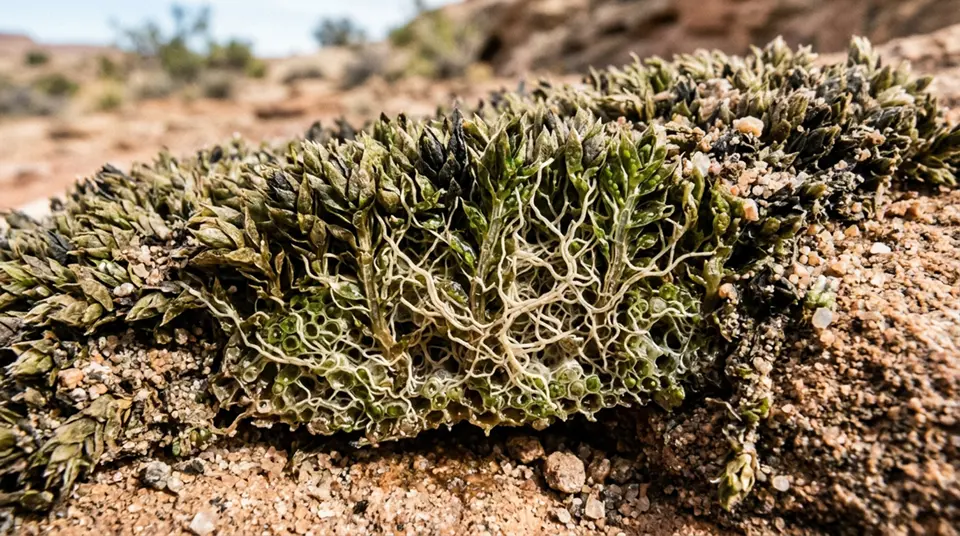
Indoor mold remains one of the most misunderstood environmental health issues in residential and commercial buildings. While mold is often treated as a cosmetic or cleanliness concern, experts emphasize that certain mold types can pose real health risks when allowed to grow unchecked. A newly released educational resource focused on identifying harmful mold types seeks to address this knowledge gap by helping the public better understand what mold is, why it forms, and which varieties warrant particular attention.
The release reflects a growing recognition that awareness and early identification are critical components of mold risk management. Rather than reacting only once mold becomes visible or severe, experts increasingly advocate for proactive education that empowers occupants to recognize warning signs before indoor air quality is compromised.
From my perspective as a reporter focused on environmental health, this initiative highlights a shift in how mold is being framed: not merely as a maintenance issue, but as an indoor environmental hazard that benefits from informed decision-making.

Source: Wikimedia Commons, CC BY-SA 4.0
Why Mold Identification Matters
Mold is a natural part of the environment, and not all mold growth is inherently dangerous. However, problems arise when mold develops indoors, where ventilation is limited and occupants are exposed over extended periods.
Correct identification matters for several reasons:
- different molds have different health implications,
- some species spread more aggressively than others,
- certain molds indicate chronic moisture problems, and
- remediation strategies vary depending on mold type and extent.
Without basic knowledge, occupants may underestimate serious growth or overreact to benign surface mold. Educational resources aim to bridge this gap by offering clear, evidence-based distinctions.
The Conditions That Allow Harmful Mold to Thrive
Harmful indoor mold growth is rarely accidental. It almost always signals persistent moisture issues, such as:
- water leaks or plumbing failures,
- flooding or water intrusion,
- condensation from poor ventilation,
- high indoor humidity, or
- damp building materials that fail to dry properly.
Once moisture is present for 24 to 48 hours, mold spores—which are already present in indoor air—can begin to colonize surfaces. Over time, colonies expand, releasing spores and fragments into the air that occupants breathe.
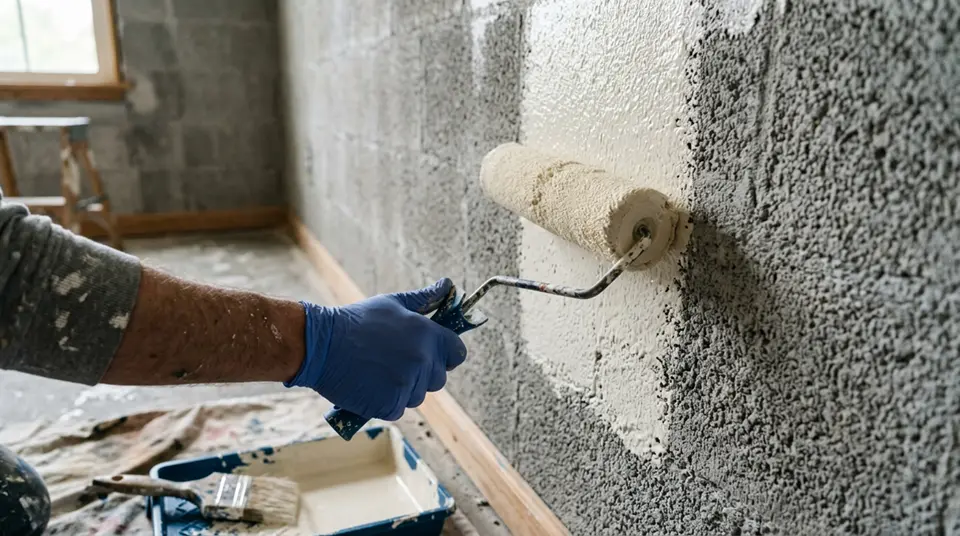
Educational efforts emphasize that mold prevention begins with moisture control, not cleaning products alone.

Source: Wikimedia Commons, CC BY-SA 4.0
Common Harmful Mold Types Found Indoors
The educational resource highlights several mold types frequently associated with indoor health concerns. While visual identification alone is not definitive, recognizing common patterns can prompt timely investigation.
1. Stachybotrys chartarum
Often referred to as “black mold,” this species grows on water-damaged cellulose-based materials such as drywall and wood. It is associated with prolonged moisture exposure and is known for producing mycotoxins under certain conditions.
2. Aspergillus spp.
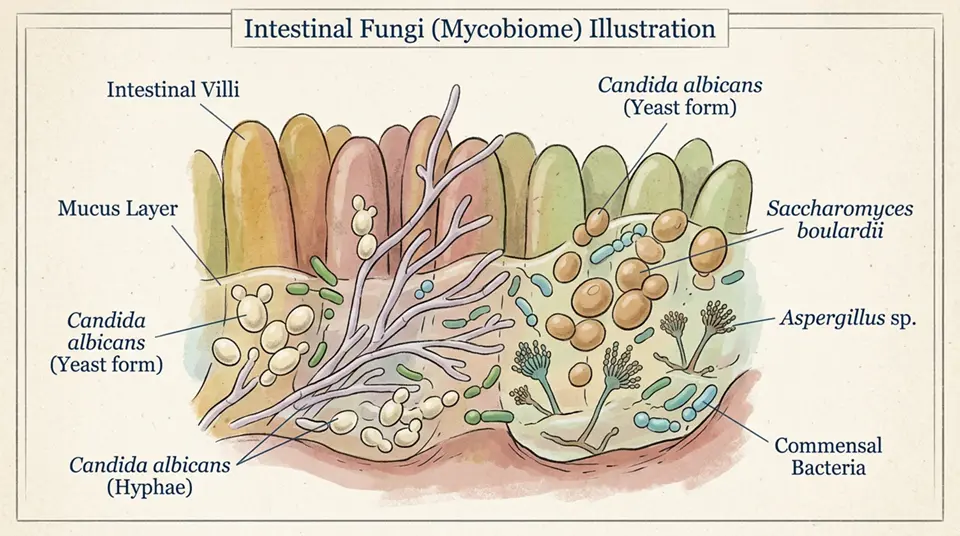
A large and diverse group of molds commonly found indoors. Some species are linked to allergic reactions and respiratory issues, while others can cause infections in immunocompromised individuals.
3. Penicillium spp.
Frequently found in water-damaged buildings, Penicillium spreads rapidly and can contribute to indoor air contamination through airborne spores.
4. Cladosporium spp.
This mold can grow on both damp and dry surfaces, including fabrics, wood, and HVAC systems. It is a common trigger for allergies and asthma symptoms.
5. Alternaria spp.
Often associated with moisture-damaged areas and condensation-prone surfaces. Alternaria is known to exacerbate respiratory allergies.
The presence of these molds indoors does not automatically indicate severe health risk, but their identification often signals underlying moisture problems that should not be ignored.

Source: Wikimedia Commons, CC BY-SA 3.0
Health Implications of Harmful Mold Exposure
Health responses to mold exposure vary widely. Some individuals may experience no symptoms, while others are more sensitive. The educational resource emphasizes that risk depends on duration, concentration, and individual vulnerability.
Potential health effects include:
- nasal congestion and sinus irritation,
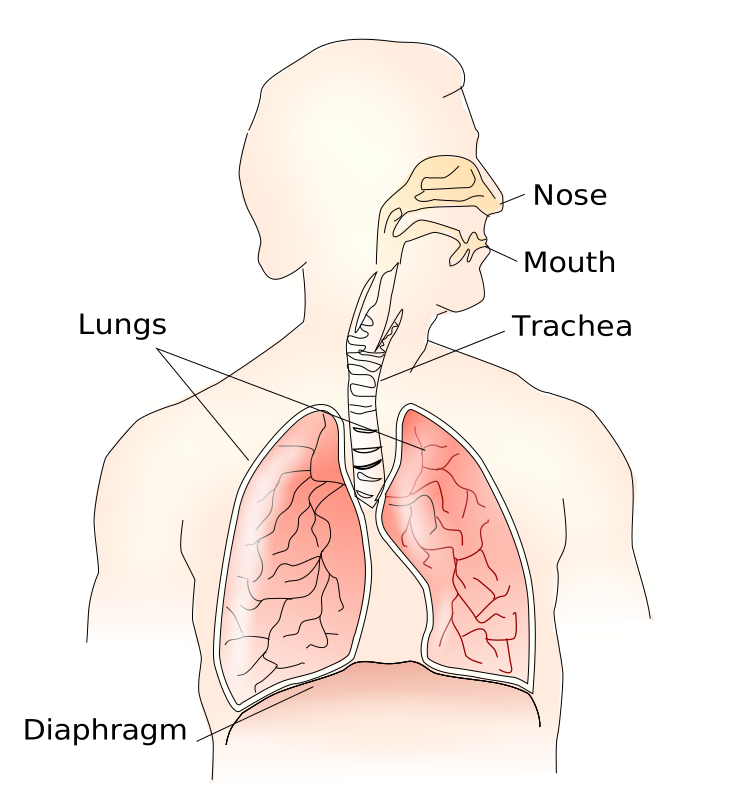
- coughing, wheezing, or shortness of breath,
- headaches and fatigue,
- skin or eye irritation, and
- worsening asthma or allergic conditions.
In rare cases, particularly among immunocompromised individuals, certain molds can cause more serious infections.
What is often overlooked is that symptoms may develop gradually. Because mold exposure can mimic seasonal allergies or common respiratory infections, it may go unrecognized for extended periods.
Source: Wikimedia Commons, CC BY-SA 3.0
My Perspective: Education as the First Line of Defense
What stands out in this initiative is its emphasis on education rather than alarm. Mold remediation is expensive, disruptive, and often stressful for occupants. By contrast, early awareness allows for simpler interventions—fixing leaks, improving ventilation, or controlling humidity—before mold becomes entrenched.
This approach reflects a broader shift in environmental health: empowering individuals with knowledge so they can make informed decisions rather than reacting in crisis mode.
Importantly, educational resources also help counter misinformation. Not all dark-colored mold is dangerous, and not all mold requires extreme remediation. Balanced information supports proportional responses.
From Identification to Action
The educational material stresses that visual identification alone is not a substitute for professional assessment. However, it provides guidance on when to seek expert help, such as when:
- mold covers a large area,
- growth returns after cleaning,
- occupants experience unexplained health symptoms, or
- mold follows water damage or flooding.
In these cases, professional inspection and testing may be appropriate to determine species, extent, and remediation strategy.
Equally important is addressing the root cause. Removing visible mold without resolving moisture issues often leads to recurrence.
Broader Implications for Indoor Environmental Health
Indoor mold issues are becoming more common as buildings grow more airtight and climate patterns produce more frequent humidity extremes. Educational initiatives play an increasingly important role in adapting to these changes.
By improving public understanding of mold types and risks, such resources support:
- healthier indoor environments,
- reduced long-term remediation costs,
- better communication between occupants and professionals, and
- more effective moisture management practices.
From a public-health perspective, this preventative focus aligns with broader efforts to improve indoor air quality and reduce environmentally driven health complaints.

Source: Wikimedia Commons, CC BY-SA 4.0
References
EPA – Indoor Air Quality (IAQ)
Bennett & Klich (2003) – Clinical Microbiology Reviews, Mycotoxins
According to GOERIE
Key Takeaways
- Educational resources that clearly communicate indoor mold risks—including the difference between cosmetic surface mold and structural mold, and when professional assessment is needed—play a critical role in appropriate public health responses.
- Overcommunication of mold health risks can cause ‘mold anxiety’—where people in unaffected or mildly affected buildings fear serious illness—while undercommunication leads to ignoring genuinely significant exposures.
- The most important risk communication points for indoor mold are: visible mold always warrants action; moisture source identification and remediation is more important than surface cleaning; not all molds are equally hazardous.
- Vulnerable groups—children under 5, elderly individuals, people with asthma or allergies, and immunocompromised individuals—require lower exposure thresholds and earlier action than healthy adults exposed to the same mold.
- Accurate indoor mold risk education reduces unnecessary fear while ensuring that genuinely hazardous situations receive prompt professional attention, ultimately supporting better public health outcomes.
Frequently Asked Questions
What are the actual risks of indoor mold and how serious are they?
Indoor mold exposure poses a spectrum of health risks that depend heavily on the species present, the concentrations encountered, the duration of exposure, and the susceptibility of the individual—risks that are frequently both overstated and understated in popular communication. Established health effects of indoor mold exposure: respiratory effects (well-established): upper and lower respiratory tract irritation and inflammation in all individuals; triggering or worsening of asthma in sensitised individuals; increased frequency and severity of respiratory infections, particularly in children; development of new allergic sensitisation, particularly in young children; exacerbation of COPD. Allergic responses in sensitised individuals (well-established): IgE-mediated allergic rhinitis, asthma, and hypersensitivity pneumonitis in those previously sensitised; Alternaria and Aspergillus are the most important allergens. Serious infection in immunocompromised individuals (established for specific exposures): Aspergillus fumigatus, Cryptococcus, and other species can cause life-threatening infection in patients with severely impaired immunity; the home environment of immunocompromised patients requires careful assessment. Effects NOT well-established: ‘toxic mold syndrome’—a claimed multisystem illness attributed to Stachybotrys in buildings; while Stachybotrys produces trichothecene mycotoxins in the laboratory, the clinical entity of toxic mold syndrome from building Stachybotrys exposure is not accepted by mainstream medical and epidemiological literature; claimed neurological effects from building mold in healthy individuals are not supported by controlled research. Appropriate risk communication should emphasise established effects, acknowledge remaining uncertainties, and calibrate concern to individual vulnerability.
How do you tell the difference between harmless mold and dangerous mold?
Visual identification of mold species—and therefore assessment of hazard level—is not reliably possible from appearance alone, though context and some visual features can guide risk assessment pending professional assessment. What visual features suggest higher concern: large affected area—mold contaminating more than 10 square feet (approximately 1 m²) warrants professional assessment regardless of species; mold associated with water-damaged building materials (drywall, ceiling tiles, chipboard subfloor)—building materials support growth of species including Stachybotrys that are more concerning than surface molds on ceramic tiles; very dark (black-green to black) mold on persistently wet, paper-faced gypsum wallboard or wood in areas with long-term water damage—this appearance pattern is more consistent with higher-concern species; mold in HVAC systems—spore dispersal through air handling systems can expose the entire building. Lower-concern visual contexts: superficial black/green mold on bathroom tile grout—this is nearly always Cladosporium or Aureobasidium; while removal is warranted, these species are at the lower end of the hazard spectrum for healthy individuals; white powdery surface mold on bread, cheese, or compost—this is essentially entirely Penicillium or Mucor-type species and represents the lowest concern. Why visual identification is insufficient: Stachybotrys, Aspergillus, and Cladosporium can all appear as dark coloured molds; without laboratory culture or molecular identification, their appearance overlap prevents reliable differentiation; professional assessment using air sampling and/or surface sampling with laboratory analysis is required when species identification matters clinically.
When should you call a professional for indoor mold and when can you DIY?
The appropriate approach to indoor mold remediation depends on the size of the affected area, the cause of the moisture problem, the presence of vulnerable individuals, and the location of the mold—with clear guidance from the EPA and health departments. DIY remediation is appropriate when: Small affected area—less than 10 square feet (approximately 1 m²) of mold on a cleanable surface; the EPA Guide to Mold in the Home recommends DIY for small areas. Non-porous or semi-porous surfaces—tiles, glass, sealed paint, metal; mold on these surfaces is primarily surface contamination removable by cleaning. Identifiable and correctable moisture source—a visible, fixable moisture problem (plumbing drip fixed, single flooding event that has been remediated); DIY remediation is appropriate once the moisture source is corrected. Healthy occupants without known mold sensitivity—for the general healthy adult population. Professional assessment or remediation is warranted when: Large area of mold—greater than 10 square feet; EPA and most health authorities recommend professional involvement. Mold in structural materials—mold inside walls, in floor structures, or in attic or crawlspace; these require controlled remediation to avoid spreading spores during removal. Unknown or unresolved moisture source—professional building assessment may be needed to locate hidden water intrusion. Vulnerable occupants—homes with immunocompromised residents, infants, or people with severe asthma or known mold allergies warrant professional assessment even for smaller areas. Mold in HVAC systems—HVAC remediation specifically should always involve certified professionals. Recurrent mold after DIY cleaning—recurrence indicates an unresolved moisture source that needs professional identification.
How do you find reliable information about indoor mold risks?
The quality of information available about indoor mold risks varies enormously, from evidence-based public health guidance to commercially motivated fear-mongering and unsubstantiated claims—making source evaluation essential. Most reliable information sources: US EPA (Environmental Protection Agency)—’A Brief Guide to Mold, Moisture, and Your Home’; ‘Mold Remediation in Schools and Commercial Buildings’—comprehensive, evidence-based, freely available online; regularly updated; written for general audiences with technical detail for professionals. US CDC (Centers for Disease Control and Prevention)—’Mold’ page with basic information including health effects and remediation guidance; links to scientific literature. WHO (World Health Organization)—’Guidelines for Indoor Air Quality: Dampness and Mould’ (2009)—comprehensive scientific review of evidence; more technical than EPA/CDC guidance; authoritative international standard. UK NHS and Health Protection Scotland—evidence-based guidance on damp and mold health effects; particular relevance for UK housing conditions. State and local health departments—many US states and Canadian provinces have specific guidance tailored to regional building types and climate conditions. How to identify unreliable information: excessive fear language—claims that any mold exposure causes severe neurological damage, systemic toxicity, or permanent disability in healthy adults are not supported by mainstream evidence; commercial bias—information from mold remediation companies, testing laboratories, or supplement sellers has inherent commercial bias; claims that mold exposure causes specific diseases that are not recognised in mainstream medical literature should be evaluated critically; absence of citations—reliable health information cites peer-reviewed literature or regulatory standards; anecdotal-based claims without supporting evidence should be approached with caution.
What are the most common misconceptions about indoor mold?
Several widespread misconceptions about indoor mold lead to either unnecessary fear and over-reaction or dangerous under-reaction, making accurate understanding of the evidence particularly valuable. Most harmful misconceptions: Misconception 1—’Black mold is the most dangerous mold’: ‘black mold’ is frequently equated with Stachybotrys chartarum in popular media, and Stachybotrys is real and produces mycotoxins in the laboratory; however, the link between building Stachybotrys exposure and the severe neurological and multisystem symptoms described in popular media (‘toxic mold syndrome’) is not supported by controlled epidemiological research; other dark-coloured molds (Cladosporium, Aspergillus, Alternaria) can be as or more health-relevant than Stachybotrys for many individuals; colour alone does not determine hazard. Misconception 2—’If I can’t see mold, there isn’t a mold problem’: hidden mold in wall cavities, under flooring, and in HVAC systems is common; a persistent musty odour in a building is the most reliable indicator of mold presence regardless of visible evidence. Misconception 3—’Bleach completely kills mold’: bleach kills surface mold cells but does not penetrate porous materials; bleach treats the visible symptom but not the underlying mold, which can regrow; more importantly, bleach does not address the moisture that caused the mold. Misconception 4—’Only old or water-damaged buildings have mold problems’: new buildings with vapour barrier errors, poorly placed insulation, or poor ventilation design can develop serious mold problems; the UK’s Grenfell Tower fire investigation revealed serious pre-existing damp and mold problems in the refurbished building before the fire. Misconception 5—’Air purifiers can solve an indoor mold problem’: HEPA air purifiers reduce airborne spore concentrations and can reduce allergic exposure, but they do not kill mold on surfaces or eliminate moisture conditions; they are adjunctive measures, not primary remediation solutions.