According to EXPRESS
A Simple Spray Against a Stubborn Problem
Mould remains one of the most persistent and underestimated issues in modern homes, particularly during autumn and winter when moisture, poor ventilation, and colder temperatures converge. While many commercial products promise fast results, some households are turning to simple, affordable solutions—like a viral two-ingredient mould spray that’s gaining traction on social media for its ease and effectiveness.
Cleaning expert and content creator Chantel Mila, known for her practical cleaning hacks, recently shared a mould-fighting formula composed of just two common household ingredients: hydrogen peroxide and washing-up liquid. The solution, which she calls “powerful,” is promoted not just as a mould remover—but also as a preventive agent against recurrence.
What the Spray Contains
According to Chantel, the mixture consists of:
- 1 cup of hydrogen peroxide (3%)
- 1 tablespoon of washing-up liquid
- (Optional: a few drops of clove oil or tea tree oil)
This combination, she claims, is effective in treating mould on various surfaces including bathroom tiles, washing machine seals, and fabrics. The formula is simple to prepare and is stored in a dark spray bottle to preserve the potency of hydrogen peroxide, which can degrade when exposed to light.
The process involves spraying the affected area, letting it sit briefly, and then wiping it away with a cloth. It is important to ensure surfaces are completely dried afterward to prevent further growth.

Source: Wikimedia Commons (CC BY-SA 3.0)
Why Hydrogen Peroxide?
Hydrogen peroxide is a mild antiseptic commonly used in homes for minor wounds and disinfection. However, it also has known antifungal and bleaching properties, making it an effective mould treatment agent.
When applied to fungal colonies, it reacts by releasing oxygen, which helps break down the mould structure and kill spores.
Multiple studies have supported its use in low concentrations (typically 3% for household use) as a disinfectant against Aspergillus, Penicillium, and Cladosporium, three of the most common indoor mould species.
Unlike bleach, which may only remove surface stains, hydrogen peroxide penetrates porous materials more deeply—making it more effective in targeting the root of the infestation without producing toxic fumes.

Biological Microscope (XSP-00) with 40X objective,
Olympus E-620 with Olympus Zuiko EC-20 2x teleconverter and a microscope tube adapter with no optical element.
Source: Wikimedia Commons (CC BY-SA 4.0)
Why Dish Soap?
Washing-up liquid (or dish soap) acts as a surfactant, helping to loosen dirt and mould residues on surfaces. It breaks down biofilms that mould colonies often produce, making it easier for the hydrogen peroxide to reach and destroy fungal cells.
When used together, these two ingredients work in tandem—one lifting residues, the other chemically neutralizing spores.
Optional Additions: Clove and Tea Tree Oil
Clove and tea tree oil are popular essential oils known for their antifungal and antibacterial properties. Both oils contain compounds—such as eugenol in clove oil and terpinen-4-ol in tea tree oil—that have been shown to inhibit mould growth in laboratory settings.
However, while effective, these ingredients should be used sparingly. Essential oils are potent and can cause skin or respiratory irritation in sensitive individuals, especially when used in poorly ventilated areas. Moreover, they are not always necessary for the spray to be effective.
Real-World Application and Effectiveness
Mila’s recipe has gained attention not just for its affordability, but for the apparent real-world results demonstrated in her video and user testimonials. The application on shower corners, washing machine rubber seals, and tile grouting appears to restore surfaces to a clean, mould-free condition.
However, experts caution that while visible mould may be removed, full eradication depends on treating the cause—not just the surface symptoms. If underlying moisture or condensation issues persist, mould may return.

Source: Wikimedia Commons (CC BY-SA 4.0)
When Is DIY Enough—and When It Isn’t
DIY mould removal is considered effective for:
- Small mould patches (under 1m²)
- Non-porous surfaces (tiles, glass, plastic)
- Early-stage or superficial growth
- Maintenance cleaning in bathrooms and laundry areas
However, DIY methods are insufficient in cases of:
- Widespread or hidden mould (behind walls, under carpets)
- Porous materials like unsealed drywall, ceiling tiles, or wood
- Musty odours that persist despite cleaning
- Mold-related health symptoms (respiratory irritation, skin rashes)
In such scenarios, homeowners are advised to consult licensed mould remediation professionals to prevent structural damage and safeguard occupant health.
Health Risks Associated With Indoor Mould
Mould exposure poses varying health risks depending on species, exposure level, and individual sensitivity. Common symptoms include:
- Nasal congestion, coughing, and wheezing
- Skin irritation or eye redness
- Exacerbation of asthma
- Infections in immunocompromised individuals
Particularly at risk are children, the elderly, and those with respiratory or immune conditions. The World Health Organization (WHO) has emphasized the importance of maintaining dry, well-ventilated housing to reduce fungal exposure.
Why Mould Worsens in Autumn and Winter
During colder months, several factors increase mould risk:
- Increased condensation due to temperature differences between indoor and outdoor air
- Poor ventilation from closed windows and heavy insulation
- Drying clothes indoors, raising indoor humidity
- Steam from hot showers and cooking in enclosed spaces
Preventative strategies include regular airing out, using extractor fans, insulating cold surfaces, and keeping relative humidity below 60%.

Source: Wikimedia Commons (CC BY-SA 4.0)
Benefits of DIY Mould Treatments
- Cost-effective – Ingredients are low-cost and already present in many homes.
- Lower toxicity – Unlike bleach-based products, hydrogen peroxide decomposes into water and oxygen.
- Accessible – Requires no special tools or certifications.
- Environmentally friendly – Produces fewer VOCs than chemical cleaners.
Precautions and Safety Tips
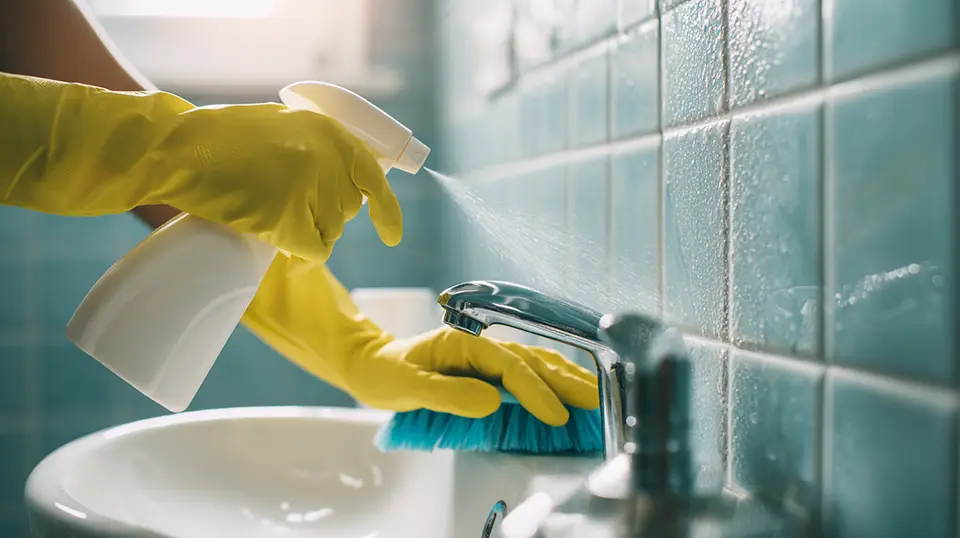
- Use gloves when applying the spray, especially on skin-sensitive areas.
- Ensure good ventilation when spraying in enclosed areas.
- Avoid contact with eyes or ingestion.
- Never mix hydrogen peroxide with vinegar in the same container—this creates peracetic acid, a skin and lung irritant.
- Store in a dark bottle, away from children or pets.
Expert Commentary
Environmental hygienist Dr. Lorna Mills commented:
“Hydrogen peroxide is a practical and safer alternative to bleach for mould cleaning at the household level. However, regular cleaning must be coupled with moisture control to prevent recurrence.”
Meanwhile, respiratory physician Dr. James Wilder noted:
“Many patients aren’t aware that recurrent cough or sinus issues could be linked to their living environment. Mould is often invisible until it’s already causing symptoms.”
Conclusion: Powerful, Practical, But Not a Panacea
Chantel Mila’s viral mould spray recipe demonstrates the value of practical knowledge in promoting healthier living spaces. While not a substitute for professional intervention in severe cases, the two-ingredient solution offers a low-cost, non-toxic option for households facing routine mould concerns—especially as colder, damper months set in.
Still, consistent cleaning habits, ventilation, and prompt attention to moisture issues remain the most effective long-term strategies against mould recurrence.
References
- Hydrogen peroxide – Wikipedia
- Aspergillus – Wikipedia
- Penicillium – Wikipedia
- Cladosporium – Wikipedia
- CDC – Fungal Diseases
- Vinegar – Wikipedia
- Peracetic acid – Wikipedia
According to EXPRESS
Key Takeaways
- A two-ingredient DIY mold spray combining white vinegar (5% acetic acid) and tea tree oil offers broad-spectrum antifungal efficacy at a fraction of the cost of commercial mold products, with fewer harsh chemical fumes.
- White vinegar kills mold through acidic disruption of fungal cell metabolism, while tea tree oil’s terpinen-4-ol provides additional membrane-disrupting antifungal action—the combination targets mold through complementary mechanisms.
- The optimal dilution for a tea tree oil + vinegar mold spray is approximately 1–2 teaspoons of tea tree oil per 500 mL white vinegar—providing active concentration of both compounds without excessive material cost.
- This spray is most effective on non-porous surfaces (tiles, glass, sealed painted walls, chrome fixtures) where mold is primarily surface-level; it is less effective on porous materials where mold penetrates below the surface.
- Regular preventive application of this spray to mold-prone surfaces (bathroom grout, window frames, shower screens) can significantly delay mold reestablishment between deep cleaning sessions.
Frequently Asked Questions
What is the best two-ingredient homemade mold spray?
The combination of white vinegar and tea tree oil is widely regarded as the most effective and scientifically supported two-ingredient natural mold spray, combining the acidic disruption of vinegar with the membrane-disrupting antifungal properties of tea tree oil’s terpinen-4-ol. Recipe: ingredients: 500 mL white vinegar (standard household vinegar, 5% acetic acid); 1–2 teaspoons (5–10 mL) of tea tree oil. Preparation: add tea tree oil to the vinegar; shake vigorously—tea tree oil does not dissolve readily in vinegar-water but the acidity of vinegar helps disperse it more than plain water would; pour into a clean spray bottle; shake before each use. Application: spray liberally onto moldy or mold-prone surface; leave for minimum 1 hour (overnight is ideal for stubborn mold); scrub with a brush to physically remove mold residue; wipe clean with a damp cloth; allow to air dry; do not rinse (leaving a residue of both vinegar and tea tree oil provides ongoing antifungal inhibition). Why this combination works better than each ingredient alone: vinegar provides broad acidic disruption and residual surface acidity after drying; tea tree oil provides different-mechanism antifungal activity (membrane disruption, enzyme inhibition) that complements vinegar’s acidic action; the combination is potentially synergistic—targeting mold through two distinct pathways simultaneously reduces the likelihood of any mold strain being resistant to both mechanisms.
Does tea tree oil really kill mold?
Tea tree oil (Melaleuca alternifolia essential oil) has well-documented antifungal properties that have been validated through peer-reviewed laboratory studies, in vitro antifungal susceptibility testing, and applied surface testing. Scientific evidence: in vitro susceptibility: multiple peer-reviewed studies have demonstrated minimum inhibitory concentrations (MICs) for tea tree oil and its primary active component terpinen-4-ol (typically 35–45% of the oil) against common indoor mold species; representative MIC ranges: Aspergillus niger—0.5–2.0% v/v; Cladosporium species—0.5–2.0% v/v; Penicillium species—0.25–1.0% v/v; Trichophyton species—0.12–0.5% v/v. Surface decontamination studies: studies testing tea tree oil solutions (0.5–2% in water or ethanol) applied to fungus-contaminated building materials found significant reductions in viable fungal colony counts; one study of tea tree oil as a mold remediation treatment in laboratory settings demonstrated efficacy comparable to some commercial biocide products. Mechanism: terpinen-4-ol disrupts fungal plasma membrane integrity by interacting with membrane phospholipids; this causes increased membrane permeability, leakage of cellular contents, and ultimately cell death; other components of tea tree oil (α-terpineol, α-pinene, terpinolene) have complementary antifungal and antibacterial activities. Practical application concentration: the recommended 1–2% concentration in DIY preparations is within the laboratory-established effective range; higher concentrations may provide greater efficacy but at increased cost and with stronger odour.
How long does homemade mold spray last and how should you store it?
DIY vinegar and tea tree oil mold spray has a reasonable shelf life if stored correctly, though natural ingredients have less stability than commercial products containing synthetic preservatives and stabilisers. Shelf life considerations: white vinegar—vinegar itself is essentially indefinitely stable due to its acidity (pH approximately 2.4); it does not expire or lose potency in home storage conditions. Tea tree oil—essential oils are volatile compounds that can oxidise and lose potency over time; properly stored tea tree oil (in dark glass, sealed, cool) retains its antimicrobial potency for 1–2 years; when combined with vinegar and stored in a plastic spray bottle (which can absorb some volatile compounds), potency may diminish more quickly than storing tea tree oil neat. Combined spray shelf life: a tea tree oil + vinegar spray stored in a sealed glass spray bottle in a cool, dark location retains reasonable potency for 3–6 months; stored in a plastic bottle with repeated opening, expect 1–3 months of full potency. Signs of degradation: the fresh, pungent tea tree scent diminishes significantly as terpenes volatilise or oxidise; tea tree oil develops a woody, rancid smell when significantly oxidised; when the tea tree scent is barely noticeable, the oil component’s antifungal efficacy has likely diminished substantially. Storage recommendations: store in a glass spray bottle if possible; keep in a cool, dark location (under the sink is often too warm); label with the preparation date; shake before each use to redisperse the tea tree oil; prepare in smaller batches (250–500 mL) to use within 1–3 months rather than making large quantities that will deteriorate.
Are there surfaces where this homemade spray shouldn’t be used?
While the vinegar-tea tree oil spray is suitable for most hard household surfaces, several surface types require caution or should not be treated with this combination due to potential damage. Surfaces to avoid or use with caution: natural stone (marble, limestone, travertine, slate)—white vinegar is the primary concern here; acetic acid reacts with calcium carbonate in these stones, causing etching and permanent surface dulling; a single application can visibly damage polished marble; do NOT use vinegar-containing sprays on natural stone surfaces; use pH-neutral stone cleaner instead. Grout—standard cement-based grout can be slowly damaged by repeated acidic treatments; occasional use is less problematic than regular use; epoxy grout is more acid-resistant. Waxed or polished wood—vinegar can strip protective wax coatings and damage unsealed wood finishes; use with extreme caution on wooden surfaces; test in an inconspicuous area first. Cast iron—acidic vinegar will cause rust on unprotected cast iron surfaces; not relevant for most household applications but relevant for cast iron cookware or radiators. Bleach-treated surfaces—do NOT mix or apply vinegar-based spray to surfaces where bleach has recently been used; while accidental mixing of vinegar and bleach produces chlorine gas (not chlorine gas from diluted household bleach, but irritating and potentially harmful gases). Delicate fabrics—vinegar can damage some delicate fabrics (silk, wool, some dyed fibres); not typically used on fabrics for mold treatment (fabric mold usually requires specialist treatment or washing). Best surfaces for this spray: ceramic tiles and grout, UPVC plastic, glass (shower screens, windows), chrome and stainless steel fixtures, sealed painted walls, hard sealed flooring.
What other natural ingredients can boost homemade mold spray effectiveness?
Beyond the vinegar and tea tree oil base, several additional natural ingredients can enhance homemade mold spray efficacy, broaden the antifungal spectrum, or improve the spray’s practicality. Effective additions to consider: hydrogen peroxide (3% household grade)—strong antifungal and antibacterial oxidant; effective at killing mold spores on surfaces; adding 100 mL of 3% hydrogen peroxide to 400 mL water (or using 1:5 with vinegar, though this combination’s stability needs monitoring) creates a powerful mold-killing formulation; NOTE: do not store hydrogen peroxide mixed with tea tree oil in sealed containers for extended periods (hydrogen peroxide is an oxidant that can react with organic compounds); use fresh or store briefly. Lavender essential oil—adds additional antifungal activity (linalool) and pleasant fragrance that masks the vinegar and tea tree scents; 10–20 drops per 500 mL. Eucalyptus oil—contains 1,8-cineole with antifungal and antibacterial properties; works well alongside tea tree oil; 10 drops per 500 mL. Clove oil—highly potent antifungal (eugenol); 5 drops per 500 mL provides significant boost without overpowering the blend. Grapefruit seed extract (GSE)—commercially available antifungal additive; 10 drops per 500 mL is a common recommendation; note: some commercial GSE products use synthetic preservatives rather than grapefruit compounds for their antimicrobial activity—product quality is variable. Alcohol (isopropanol or vodka)—adding 50–100 mL of isopropanol (rubbing alcohol, 70%) or high-proof vodka helps emulsify tea tree oil in water or vinegar and provides additional rapid antimicrobial action on contact; improves the solubility of essential oil components.