According to INDEPENDENT
Return to the Forest
Someone drops a wicker basket quietly onto a bed of autumn leaves near Potsdam. Brown-capped porcini glisten beside honeyed armillaria, purple brittlegills gleam in the dappled light—and creeping among them, subtle but deadly, lie green death caps. For Wolfgang Bivour, a veteran fungi connoisseur, that moment is more than food gathering: it is a lesson, a warning, and a bridge to reconnect humans with forest life.

Source: Wikimedia Commons, CC BY-SA 4.0
Over recent years, mushroom hunting—which once sustained rural Germans in lean times—has quietly reawakened across cities. Under the impulse of pandemic restrictions, growing vegan diets, and an ecology-minded public, urbanites are treading forest paths anew. Bivour and others lead crowds under towering oaks each autumn, teaching them Latin names, edibility rules, ecological roles—and the stark dangers of misidentification.
A Legacy Revisited
After World War II, foraging was practical necessity. But Germany’s economic boom of the 1950s relegated the practice to fading memory in urban life. In the shadows it lingered—in rural families, in old hands of forests. Today, fueled by social media images and an earnest search for culinary authenticity, the old craft is rediscovered. Guided tours, Instagram posts, and Bivour’s own “Pilz-Podcast” help reshape foraging from quaint antiquity to eco-chic hobby.
Karin Flegel of Urania Potsdam notes that classes fill within hours—an indicator of revived demand. Many participants first came to “hit the woods” during lockdown, then stayed for the scent of soil, the marvel of nature, and the possibility of a wild dinner.
The Thrill of Discovery—and the Fear
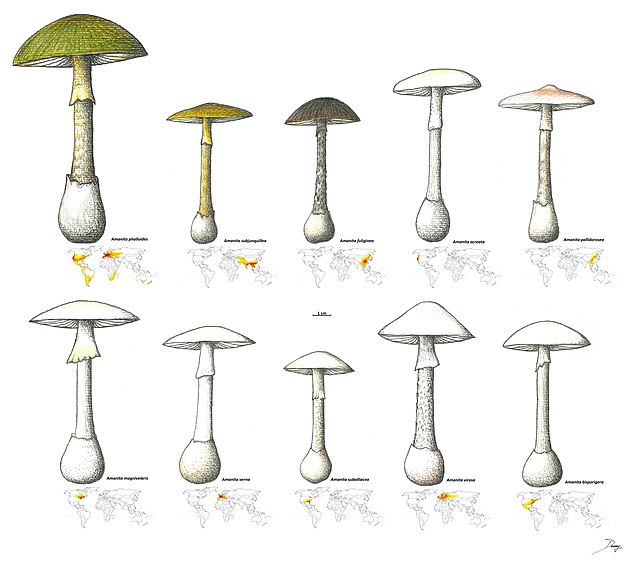
Yet for all romantic appeal, mushroom foraging carries grave risk. The green death cap (Amanita phalloides) is the most lethal and infamous threat in German woodlands. It can be mistaken for edible species—indeed, its resemblance to the common white button mushroom tempts even those with caution.

Source: Wikimedia Commons, CC BY-SA 4.0
Germany’s Federal Institute for Risk Assessment (BfR) estimates that death caps are responsible for at least 80% of fatal mushroom poisonings in the country.
Medical centers in Hannover report rising admissions from mushroom poisoning—again, death caps predominate.
“Mushrooms: confusion can be life-threatening,” warns the BfR, noting that amateur collectors often misidentify deadly species.
In severe poisoning, A. phalloides toxins (amatoxins) disrupt liver RNA polymerase II, causing acute liver failure.
One recent study, covering poisonings in southeastern Germany from 2005 to 2022, found that A. phalloides accounted for the largest share of severe cases.
As climate change shifts fungal ranges, the number of exposures may rise.
New Foragers, New Cautious Ways
Among the new wave is Tim Köster, a 25-year-old student. He admits he “doesn’t dare yet”—preferring to bring mushrooms to experts for validation. Others carry guidebooks, use apps cautiously, and avoid foraging alone. The shared sentiment: excitement tempered by respect for wild danger.
Experienced foragers and biologists stress fundamental rules:
- Only collect if you are absolutely certain of identity.
- Keep a full specimen (cap, stem, gills) to aid later identification.
- Use local advisory centers or mycological societies to validate uncertain finds.
- Never rely solely on smartphone apps—they make errors too.
- Limit yourself initially to a few well-known edible species (e.g. porcini, bay boletes, slippery jacks) until confidence builds.
In many German towns, “mushroom verification booths” pop up in autumn markets or educational centers, allowing collectors to submit finds for expert review. Bivour himself often receives calls from hospitals needing help identifying suspicious finds or suspected poisonings.
Cultural and Ecological Richness
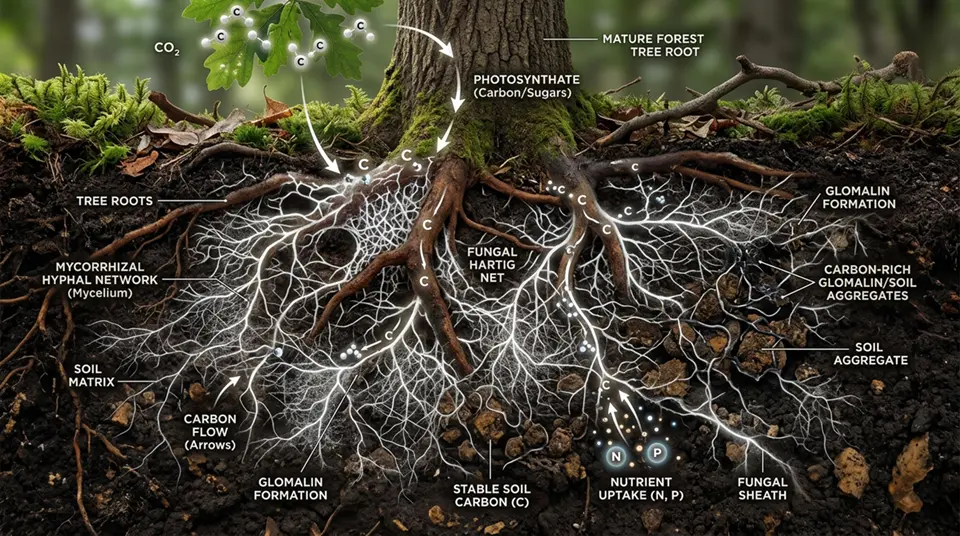
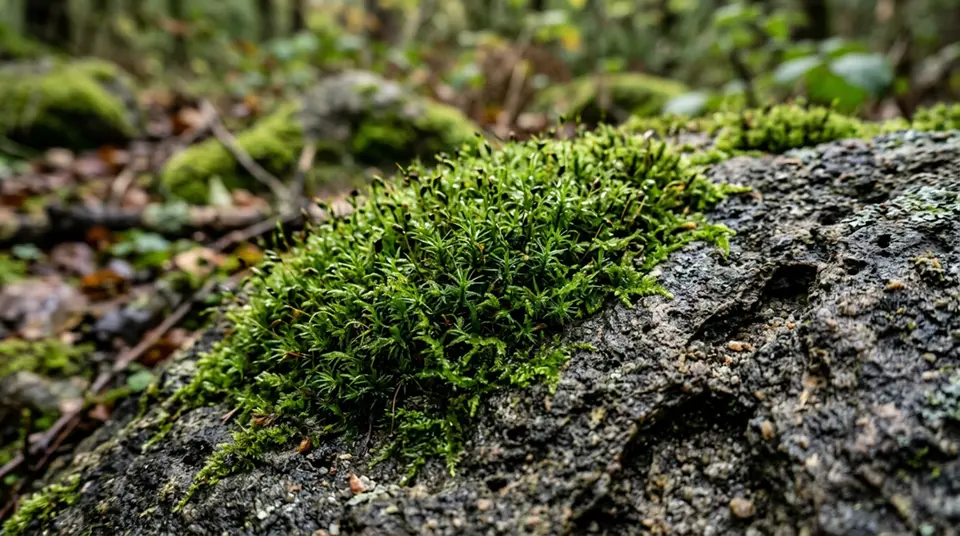
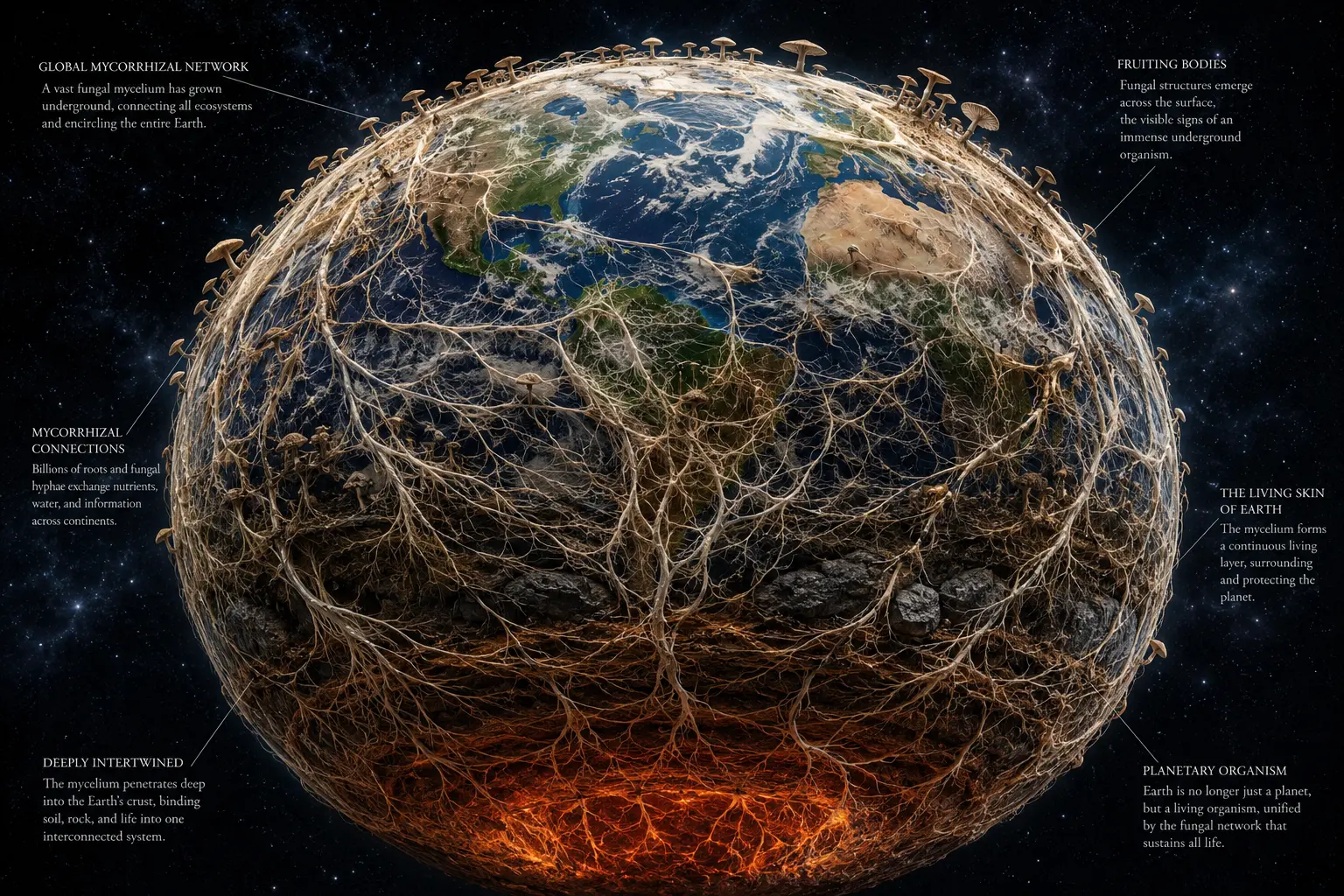
What draws people beyond food is the narrative: mushrooms are soil engineers, nutrient recyclers, and symbionts in forest networks. Bivour doesn’t just point out a porcini—he speaks of its mycelial web, how it partners with roots, how it signals forest health.
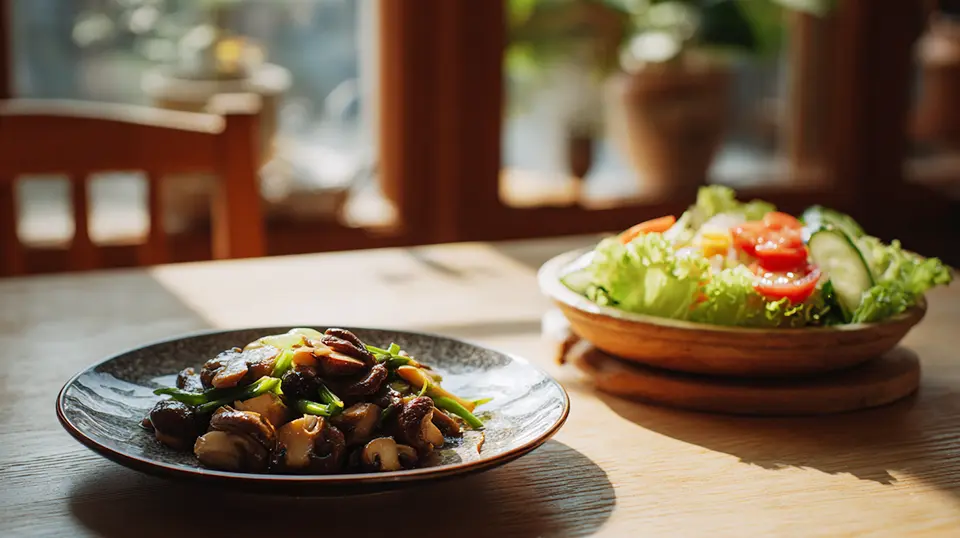
From a culinary perspective, foragers prize the difference between supermarket varieties and forest-wrought flavor: porcini sautéed in butter, bay boletes grilled on bread, wood hutch mushrooms in stews. For those embracing vegan or plant-based diets, wild mushrooms offer umami depth and seasonal variety.

Source: Wikimedia Commons, CC BY-SA 4.0
Challenges Ahead
This revival, though vibrant, must reckon with risks and responsibilities:
- Poisoning dangers: Mistakes cost lives. Education and strict safety must accompany enthusiasm.
- Regulating foraging: Some forests limit harvesting to prevent overcollection or disturbance to ecosystems.
- Changing fungal habitats: Climate change may shift mushroom species’ ranges, introducing new risks in unfamiliar areas.
- Cultural mismatch: Many immigrants may be unfamiliar with European toxic species and rely on assumptions from their homelands, increasing risk.
- Fragmented knowledge: The decline of traditional wisdom means many are learning from scratch—reliant on modern tools or short courses.
This mushroom renaissance strikes me as symbolically rich: in seeking forest bounty, people reclaim a forgotten bond with nature. Urban dwellers trading concrete for leaf litter, viral mushroom selfies for wild humility—they’re reaching toward grounded experience. But I worry that romanticism may outpace caution. One green death cap in the basket can turn joy into tragedy.
Source: Wikimedia Commons, CC BY-SA 4.0
The surge is a beautiful thing—if handled with discipline. If each forager treats the forest as a teacher, not just a pantry, then this resurgence can be sustainable. If each mushroom collected inspires awe, not arrogance, then foraging can once again be a wise, humble passion—not a gamble.
According to INDEPENDENT
Key Takeaways
- Mushroom foraging is experiencing a renaissance in Germany, particularly among urban populations, driven by interest in wild foods, sustainability, and reconnection with nature after the COVID-19 pandemic.
- Germany has a rich traditional foraging culture, but the modern revival is characterised by increased accessibility through apps, guided foray events, and social media sharing—democratising knowledge that was previously passed down through family traditions.
- Expert-guided mushroom forays (organised excursions into forests with a mycologist or expert guide) are a key vehicle for safe knowledge transfer, reducing the poisoning risk from self-taught foragers misidentifying toxic species.
- Mushroom poisoning remains a significant seasonal public health concern in Germany, with most cases involving Amanita phalloides (death cap) misidentified as edible species—a risk that is not eliminated by foraging apps alone.
- The growing foraging community in Germany creates opportunities for citizen science data collection on fungal biodiversity—iNaturalist and regional mushroom recording groups benefit from increased observation reports from recreational foragers.
Frequently Asked Questions
Why is mushroom foraging experiencing a revival in German cities?
Mushroom foraging’s resurgence in German cities reflects multiple intersecting cultural, environmental, and social trends that have made wild food gathering newly attractive to urban populations with no traditional foraging background. Pandemic effects: the COVID-19 lockdowns dramatically increased interest in outdoor activities that could be conducted safely while maintaining distance; urban dwellers who discovered forests and green spaces near their cities during lockdowns found mushroom foraging as an activity that combined exercise, nature connection, and the tangible reward of finding food. The ‘foragecore’ or ‘cottagecore’ aesthetic and broader interest in rewilding lifestyle practices spread rapidly through Instagram, TikTok, and YouTube during this period, presenting foraging as an accessible, aspirational activity. Sustainability and food system concerns: growing awareness of industrial food system impacts—carbon footprint, packaging waste, disconnection from food sources—has created appetite for direct food sourcing; wild mushrooms represent a ‘free’ food that leaves no packaging waste and connects the harvester directly to the natural world. German forest access: Germany’s well-maintained public forests (Wälder) are legally accessible to the public for recreational foraging under German forest law (Bundeswaldgesetz); taking reasonable quantities for personal use is permitted, which makes Germany one of the most accessible countries for recreational foraging in Europe. Digital knowledge accessibility: foraging apps, YouTube tutorials, and online community groups have lowered the barrier to entry for people without family foraging traditions.
Which mushrooms are most commonly foraged in Germany?
German foragers pursue a relatively consistent set of highly prized, relatively distinctive species that experienced mushroom hunters consider safe choices for less-experienced foragers when certain identification criteria are met. Most popular edible mushroom species in Germany: Steinpilz (Boletus edulis, porcini/king bolete)—the most iconic and prized German wild mushroom; distinctive appearance with thick white stem, brown cap, white flesh, and yellow-green pores; available July–October; excellent fresh, dried, or preserved; commands premium prices at markets. Pfifferling (Cantharellus cibarius, chanterelle)—golden, funnel-shaped fruiting body with forking false gills (ridges, not true gills); fragrant, apricot-like aroma; available June–October; one of the safest choices for beginners due to distinctive morphology. Marone/Braunkappe (Xerocomus badius, bay bolete)—common, reliable bolete with blue-staining flesh and brown pores; good eating; common species in pine and spruce forests. Birkenpilz (Leccinum scabrum, birch bolete)—found under birch trees; grey-brown cap with black-scaled white stem; reliable identification with birch habitat. Hallimasch (Armillaria mellea, honey mushroom)—grows in clusters on or near stumps; requires cooking; can cause digestive upset if undercooked or consumed with alcohol. Fliegenpilz (Amanita muscaria, fly agaric)—NOT foraged for eating in mainstream German foraging culture; iconic red-capped mushroom often photographed; toxic but used ceremonially in some traditions.
How dangerous is mushroom foraging and what are the risks?
Mushroom foraging carries genuine and significant risks primarily from misidentification of toxic species as edible ones—risks that are not eliminated by apps, social media guidance, or even some guidebooks, and that continue to cause deaths in Germany and other European countries annually. The primary dangers: Amanita phalloides (death cap)—responsible for approximately 90% of fatal mushroom poisonings globally; contains amatoxins (primarily α-amanitin) that cause delayed-onset liver and kidney failure; symptoms are delayed 6–24 hours after ingestion, by which time significant damage has occurred; there is no specific antidote; treatment is supportive care with possible liver transplantation in severe cases; commonly misidentified as Pfifferling (chanterelle) by inexperienced foragers, or as edible Amanita species. Amanita virosa (destroying angel) and related species—similarly lethal amatoxin-containing mushrooms. Inocybe and Clitocybe species containing muscarine—causing cholinergic toxidrome (sweating, salivation, slow heart rate, constriction of pupils). Gyromitra esculenta (false morel)—contains gyromitrin, a toxin converted to monomethylhydrazine; causes delayed haemolytic anaemia and liver damage; can be fatally toxic. Annual incidence in Germany: the German Society for Mushroom Poisoning Prevention (Deutsche Gesellschaft für Mykologie) and German poison control centres record hundreds of mushroom poisoning cases annually; fatalities are typically 1–5 per year, mostly from Amanita phalloides in inexperienced foragers; many more non-fatal poisonings occur.
What apps and resources help people safely identify wild mushrooms?
The proliferation of mushroom identification apps and digital resources has both democratised foraging knowledge and raised legitimate concerns about their accuracy and the safety of AI-based mushroom identification for inexperienced users. Key identification resources: smartphone apps—iNaturalist: the most scientifically validated species identification platform; uses AI identification confirmed by community experts; best used as a tool to suggest possibilities, not as definitive identification; particularly valuable for logging observations that contribute to scientific databases. Seek app (from iNaturalist): real-time AI identification using phone camera. Pilze123 (Germany-specific): German language mushroom identification app with regional focus; includes many German species with German common names. Limitations of apps for mushroom safety: AI identification accuracy for mushrooms is improving but remains imperfect; the specific identification failure mode that is most dangerous—confusing a deadly Amanita with an edible species—is precisely the type of subtle distinction that apps struggle with; ‘look-alike’ species often differ in subtle features (spore print colour, gill attachment, volva presence) that apps cannot reliably distinguish from photographs. Recommended approach: use apps as one tool among several, never as sole identification. Expert resources: guided forays with a qualified mycologist (offered by Pilzvereine—mushroom clubs—throughout Germany); regional mushroom identification clubs (Pilzberatung) that offer expert identification services before consumption; guidebooks by respected mycologists (e.g., Ewald Gerhardt’s comprehensive German field guides); DGfM (Deutsche Gesellschaft für Mykologie) offers expert validation services.
What are the rules for foraging mushrooms in German forests?
Germany has a relatively permissive legal framework for recreational mushroom foraging compared to many countries, reflecting the deep cultural tradition of Waldspaziergang (forest walks) and wild food gathering, though specific rules exist at state and local levels. Federal framework: the Bundeswaldgesetz (Federal Forest Act) provides the national framework; under §14 BWaldG, forest areas generally accessible to the public may be entered for recreation, including collection of wild fruits and mushrooms for personal use. General personal use allowance: picking mushrooms for personal consumption in reasonable quantities (typically interpreted as up to 2 kg per person per day in most regions) is permitted in public forests; commercial collection requires permission from the forest owner. State variations: individual German states (Länder) have their own nature protection laws that may set stricter limits; Bavaria, for example, has regulations on quantities and prohibited species; some nature reserves, national parks, and protected forest areas prohibit foraging entirely; biosphere reserves may have zone-specific rules. Protected species: some rare fungal species are protected under German species protection law (Artenschutz); these cannot be collected; the protection list includes several Amanita species, some boletes, and various rare species. Practical implications: the vast majority of productive mushroom foraging in Germany—in managed forests, on public forest land outside strict nature reserves—is legally permitted for personal use; commercial operations (supplying restaurants, markets) require different permissions. Foraging etiquette: take only what you need; avoid damaging surrounding mycelium; do not trample other species; be respectful of the forest as a shared resource.