According to THE NATION
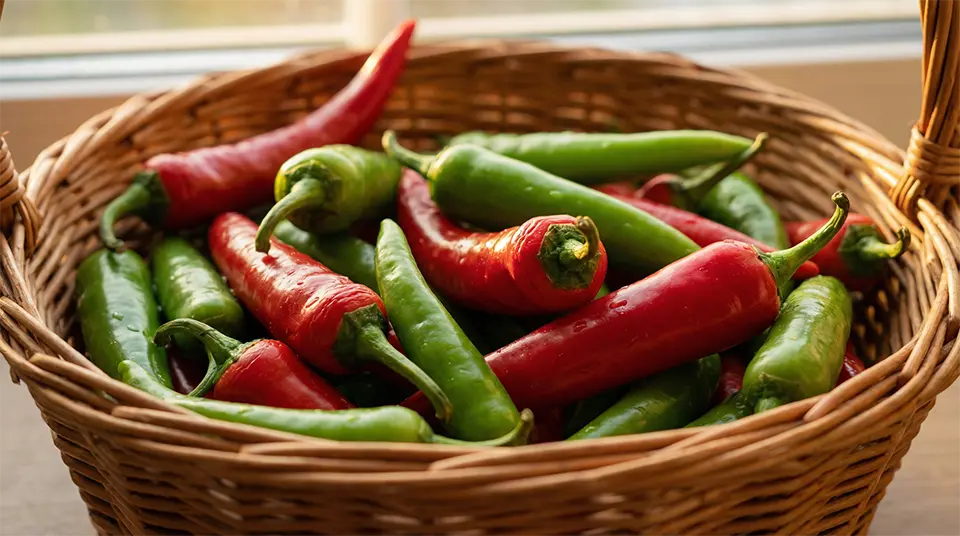
Myanmar’s agriculture sector is once again under scrutiny after Thai authorities detected multiple chemical and mould toxin residues in chilli peppers imported from Myanmar. According to a formal announcement by Myanmar’s Ministry of Agriculture, Livestock and Irrigation, laboratory tests on both dried and fresh chilli samples revealed the presence of Chlorpyrifos, Triazophos, Glyphosate, and—most concerning of all—the mould-derived toxin Aflatoxin.

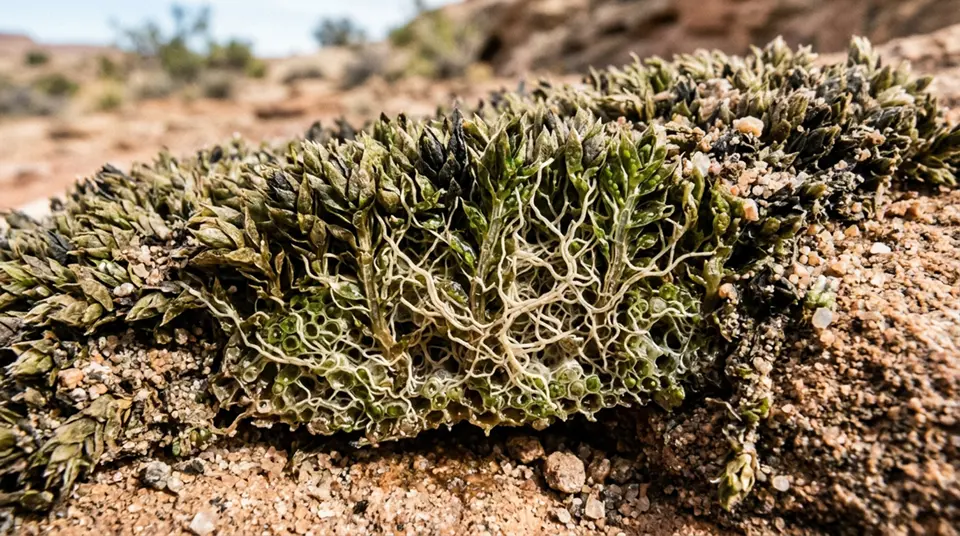
Source: Wikimedia Commons, CC BY-SA 4.0
The findings affect shipments from 12 exporting companies, with 11 sending their products through the Myawaddy border quarantine station and one company through Mawtaung. For consumers in Thailand, this raises immediate concerns about food safety. For Myanmar’s exporters, it highlights a deeper and recurring challenge: inadequate agricultural oversight in a supply chain vulnerable to chemical misuse and fungal contamination.
From a Mold News perspective, this incident illustrates how environmental conditions, storage practices, and regulatory gaps can converge to create real public-health risks—particularly when mould toxins are involved. Aflatoxin is not just another spoilage marker; it is one of the most potent naturally occurring carcinogens known.
What the Laboratory Found: A Mix of Chemical and Biological Hazards
The Ministry confirmed that tests conducted on chilli samples revealed four categories of contamination:
Chlorpyrifos (pesticide)
A chemical banned or restricted in several countries due to neurotoxicity concerns.
Triazophos (pesticide)
An organophosphate insecticide linked to acute poisoning symptoms.
Glyphosate (herbicide)
One of the world’s most widely used weed killers, frequently scrutinized for its possible carcinogenicity.
Aflatoxin (mould toxin)
A fungal metabolite associated with liver cancer and severe foodborne illness.

Source: Wikimedia Commons, CC BY-SA 3.0
While pesticides and herbicides pose chemical risks, Aflatoxin represents a more complex challenge because it is biological, emerging from mould growth when crops are improperly dried, stored, or exposed to humidity.
The presence of both chemical residues and mould toxins suggests weaknesses in two areas of agricultural practice:
field-level chemical management, and
post-harvest storage and moisture control.
This dual contamination signals structural gaps rather than isolated accidents.
Aflatoxin: A Mould Toxin With Serious Public-Health Consequences
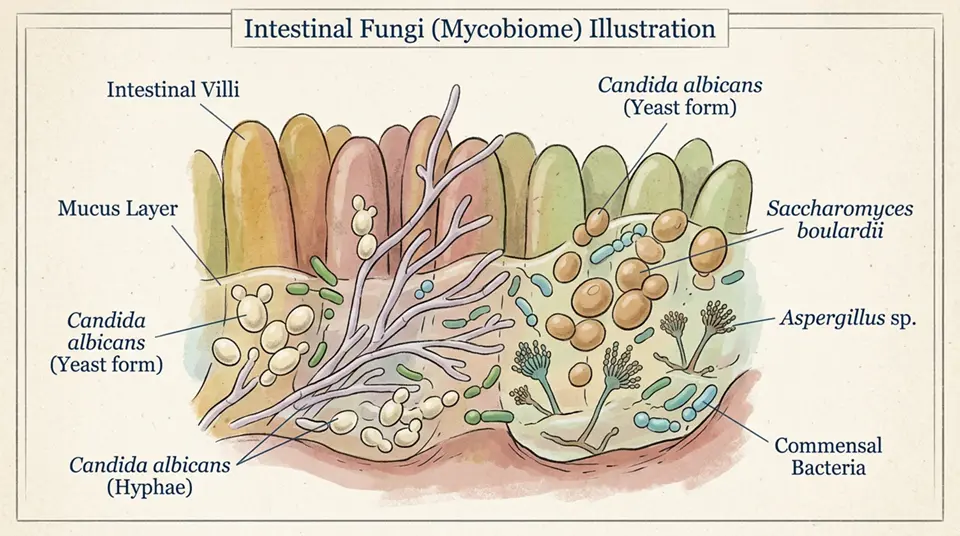
Aflatoxin is produced primarily by Aspergillus flavus and Aspergillus parasiticus, fungal species that thrive in warm, humid conditions common in Myanmar’s chilli-growing regions. These moulds colonize crops during growth or storage and can persist even after drying.

Source: Wikimedia Commons, CC BY-SA 3.0
Aflatoxin contamination is especially associated with:
peanuts
maize
turmeric
chillies
sunflower seeds
beans
Among these, chillies represent a high-risk product because their drying and storage process varies widely across farms, often relying on sun exposure and open-air handling—conditions that make consistent moisture control difficult.
Health experts warn that Aflatoxin risk increases significantly when temperatures remain high and harvested crops retain even minimal moisture. Once mould colonizes the chilli surface, toxins can accumulate quickly and invisibly, with no obvious signs of spoilage.
The health implications are severe:
chronic liver damage
increased risk of liver cancer
immune suppression
acute toxicity in high doses, especially for children
This underscores why importing countries enforce strict Aflatoxin limits and why repeated violations can lead to trade restrictions or bans.
Regulatory Response: Mandatory Laboratory Testing Before Export
In response to the contamination findings, Myanmar’s Ministry of Agriculture, Livestock and Irrigation issued a requirement that all chilli exporters must now submit product samples to the ISO-17025–certified Agricultural Produce Quality Testing Laboratory.
Only shipments that pass laboratory analysis will receive approval for export.
This step aims to standardize testing, reduce cross-border disputes, and reassure buyers of product safety. However, it also places increased responsibility on exporters to improve their internal quality-control systems.
From a policy perspective, this move is both necessary and overdue. Chilli exports are a major revenue source for Myanmar’s agricultural sector, and repeated food-safety incidents could damage trust in international markets—especially in Thailand, which is one of Myanmar’s most important trading partners for fresh and dried agricultural goods.
My Perspective: A Sign of Deeper Structural Issues
From the viewpoint of environmental health journalism, this incident exposes several systemic weaknesses that extend far beyond one batch of contaminated chillies.
- Inconsistent Chemical Regulation on Farms
- Vulnerable Post-Harvest Storage Practices
- Weak Traceability Systems
- Climate Pressure Exacerbating Fungal Risks
- Cross-Border Economic Incentives

Source: Wikimedia Commons, CC BY-SA 2.0
This combination makes mould toxins particularly difficult to manage, because they are not eliminated by washing or cooking. Prevention is the only effective strategy.
Why This Matters for Thailand and the Region
Thailand is not merely a passive importer—it is a country that relies on chilli products for its food industry, markets, and household consumption. When contaminated products enter the supply chain, the impact spreads quickly:
restaurant and food-processing sectors
retail markets
home kitchens
children’s meals
Additionally, repeated incidents can strain diplomatic trade relations and increase pressure for stricter border inspections, potentially slowing down agricultural commerce between ASEAN countries.
Beyond Thailand, this case highlights a broader Southeast Asian challenge: balancing export demand with safe agricultural practices in a region increasingly vulnerable to mould-driven toxins due to climate patterns.
Preventing Future Contamination: What Experts Recommend
To reduce future incidents, agricultural specialists emphasize several critical actions:
- Improved Drying Protocols
- Better Storage Infrastructure
- Farmer Training
- Routine Aflatoxin Screening
- Stronger Supply-Chain Accountability
If implemented effectively, these measures could elevate the safety and market reputation of Myanmar’s agricultural exports.

Source: Wikimedia Commons, CC BY-SA 3.0
References
CDC – Aspergillus, Mycotoxin Health Risks
FAO – Agricultural Chemical Management
According to THE NATION
Key Takeaways
- Dried chilli exports from Myanmar to Thailand have been found contaminated with aflatoxins, ochratoxin A, and other mycotoxins at levels exceeding Thai regulatory standards—raising food safety concerns across the regional supply chain.
- Chilli (Capsicum species) is one of the most mycotoxin-susceptible commodities globally because its post-harvest drying conditions—often in open air on the ground in humid climates—are ideal for Aspergillus and Penicillium infection.
- Aflatoxin B1 is the primary mycotoxin concern in dried chilli from tropical and subtropical regions, with IARC Group 1 classification (confirmed human carcinogen) driving strict regulatory limits in importing markets.
- Ochratoxin A—produced by Aspergillus ochraceus and Penicillium verrucosum—is the second most regulated mycotoxin in dried spices, with EU maximum limits of 30 μg/kg for dried chilli and sweet pepper.
- Improving drying infrastructure—elevated drying platforms, covered drying areas, and mechanical dryers—is the single most effective intervention to reduce mycotoxin contamination in chilli from tropical producing countries.
Frequently Asked Questions
What mycotoxins contaminate dried chilli and why is this so common?
Dried chilli (Capsicum annuum, C. frutescens, and related species) is one of the most commonly mycotoxin-contaminated spice commodities globally, with multiple mycotoxin types found at elevated frequencies in international monitoring programs. Why chilli is particularly vulnerable: drying stage is critical—freshly harvested chilli peppers have high water activity (Aw 0.97–0.99) and must be dried to below Aw 0.70 for safe storage; in tropical and subtropical producing regions (Myanmar, India, Ethiopia, Mexico), traditional drying occurs on the ground or on mats in direct sunlight; ground contact and open-air conditions expose chilli to soil fungi including Aspergillus flavus and A. parasiticus; inadequate drying or interruption of drying by rain leaves chilli at intermediate moisture levels where mold growth is most rapid; the red colour of mature chilli makes early mold growth (which can be green or pale) visually difficult to detect. Aspergillus colonisation window: Aspergillus species infect chilli both pre-harvest (when fruits are damaged by insects or mechanical injury) and post-harvest during inadequate drying; aflatoxin production occurs most rapidly at 28–32°C with Aw 0.85–0.95—conditions commonly encountered during tropical outdoor drying.
What are the health risks of eating aflatoxin-contaminated chilli?
Aflatoxin consumption from contaminated chilli poses documented long-term cancer risks, with the liver as the primary target organ and populations in high-consumption countries facing the greatest exposure. Health risks from aflatoxin exposure via spices: liver cancer (hepatocellular carcinoma)—aflatoxin B1 is a Group 1 confirmed human carcinogen per IARC; it forms specific DNA adducts (AFB1-N7-guanine) in liver cells that cause mutations in the TP53 tumour suppressor gene; in populations where hepatitis B virus (HBV) co-infection is common, the interaction between aflatoxin and HBV dramatically increases liver cancer risk—the relative risk of liver cancer with both aflatoxin exposure AND HBV infection is multiplicative, not simply additive. Immune impairment—chronic low-level aflatoxin exposure impairs cellular and humoral immune responses, potentially contributing to susceptibility to infectious diseases including malaria, tuberculosis, and HIV in high-exposure populations. Aflatoxicosis (acute poisoning)—at very high exposures, acute aflatoxicosis causes acute hepatitis, liver failure, and potentially death; documented outbreaks from staple food contamination (maize in Kenya 2004) show acute mortality at high exposures. Dietary exposure from chilli: chilli consumption per day varies enormously; Korean, Indian, Thai, and Ethiopian populations may consume 5–20 grams of dried chilli or chilli products daily; at contamination levels of 10–50 μg/kg and consumption of 10 g/day, daily aflatoxin intake would be 0.1–0.5 μg/day, which contributes meaningfully to cancer risk estimates.
How can Thailand’s food safety system protect consumers from contaminated chilli?
Thailand operates a multi-tiered food safety system for imported and domestically produced spices, with mycotoxin monitoring as a key component of import control for high-risk commodities like dried chilli from regional suppliers. Thai food safety regulation for mycotoxins: Thai FDA standards—Thailand’s Food and Drug Administration sets maximum levels for mycotoxins in food; for aflatoxins in dried chilli, the Thai FDA follows standards aligned with the Codex Alimentarius and regional ASEAN standards; limits for total aflatoxins (B1+B2+G1+G2) in spices are typically 10–20 μg/kg under Thai regulations; ochratoxin A is also regulated in spices. Import inspection: Thailand inspects commercial imports of chilli and spice products through Thai FDA border inspection; risk-based inspection intensity means high-risk commodities from countries with documented mycotoxin problems are inspected more frequently; laboratory testing at the Bureau of Agricultural Commodity Standards and the Thai FDA uses validated ELISA, HPLC, and LC-MS/MS methods for mycotoxin analysis. Challenges: informal cross-border trade between Myanmar and Thailand occurs through multiple border points where formal inspection may be limited; mycotoxin contamination is heterogeneous within lots, making statistically representative sampling difficult; economic pressure may incentivise under-reporting or blending contaminated with compliant product.
What should Myanmar do to reduce mycotoxin contamination in chilli exports?
Improving mycotoxin management in Myanmar’s chilli production and export chain requires interventions at multiple supply chain stages, from farm-level post-harvest practices to national quality assurance infrastructure. Farm-level improvements (highest impact): improved drying infrastructure—raising chilli above the ground on elevated platforms or raised mats dramatically reduces soil Aspergillus contamination; providing shade cloth coverings to protect from rain during drying; mechanical dryers (solar tunnel dryers or heated mechanical dryers) achieve rapid, controlled drying that minimises the time chilli spends at high-risk moisture levels. Harvest timing and sorting—harvesting before heavy rains reduces field mold pressure; sorting and discarding visibly damaged or mold-affected fruits before drying prevents spread of contamination; not mixing old and new crop material. Collection and aggregation improvements: mycotoxin testing at the first collection point (village aggregation level) allows rapid rejection of high-contamination lots before they enter the export chain; colour sorting machines can identify visually affected chilli at processing scale. Export-level measures: mandatory pre-export mycotoxin testing (using validated rapid tests or laboratory analysis); certification programmes that reward producers achieving mycotoxin compliance with price premiums; capacity building for laboratory testing at export processing facilities. International support: USAID, FAO, and World Bank programmes have supported post-harvest improvement in Myanmar’s agricultural sector; mycotoxin-specific technical assistance through ACIAR and similar bilateral agricultural development programmes could specifically target chilli post-harvest management.
How do EU and international regulations affect chilli import trade?
EU mycotoxin regulations for dried chilli and spices are among the strictest in the world, creating significant compliance challenges for exporting countries in Asia and Africa where mycotoxin contamination is endemic in production systems. EU maximum levels for mycotoxins in spices (Commission Regulation 1881/2006): aflatoxin B1—10 μg/kg for dried chilli and pepper products; total aflatoxins (B1+B2+G1+G2)—15 μg/kg for dried chilli. Ochratoxin A—30 μg/kg for dried sweet pepper and paprika; 15 μg/kg for spices (other than sweet pepper). RASFF notifications for spices: the EU’s Rapid Alert System for Food and Feed (RASFF) shows dried chilli consistently as one of the most notified spice commodities for aflatoxin and ochratoxin A contamination; Myanmar, India, China, and various African origins have generated RASFF notifications for chilli contamination. Impact on trade: EU rejection of a shipment is documented in the RASFF system and leads to enhanced border inspection for subsequent shipments from the same origin; countries generating multiple RASFF notifications may face mandatory testing requirements for all shipments (‘increased level of official controls’); this creates serious trade access problems that have motivated some exporting countries to strengthen national quality standards. Codex Alimentarius standards: Codex has developed maximum level recommendations for aflatoxins in spices; these international standards influence national regulations globally and facilitate trade dispute resolution; harmonisation with Codex standards is a key objective for exporting countries seeking to maintain market access.