According to THE SUN
I. The Invisible Threat: Mold’s Impact on Mortality
While mold and dampness in housing are often viewed as maintenance or aesthetic problems, health experts are now issuing a stark warning: chronic exposure to these conditions is not merely making people sick—it is potentially cutting lives short. This serious health implication elevates the issue of poor housing quality from an environmental concern to a critical public health crisis.
The warning underscores that the spores, toxins, and damp conditions associated with mold-infested homes create a persistent state of biological stress that contributes to long-term chronic illness and, ultimately, early mortality. The danger is particularly acute for the most vulnerable populations, including children and the elderly.

Source: Wikimedia Commons, CC BY-SA 4.0
II. The Health Mechanisms of Harm
The fungi that cause mold and the high humidity that causes dampness work together to compromise human health through multiple, reinforcing pathways.
A. Respiratory and Immune Stress
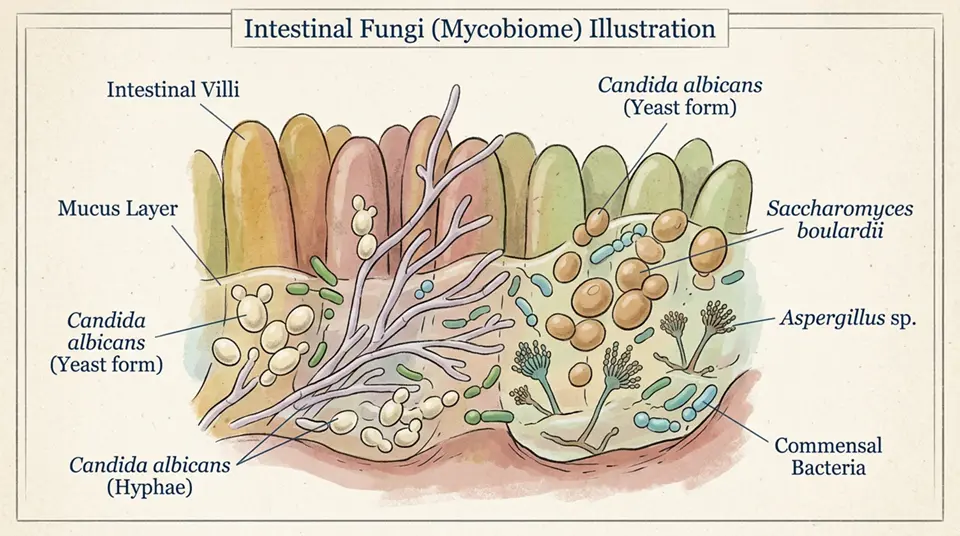
The most immediate and direct impact comes from the inhalation of mold spores and mycotoxins—toxic compounds produced by certain fungi, such as Aspergillus.
- Asthma and Allergies:
Mold spores are powerful allergens. Their presence triggers inflammatory responses in the airways, leading to asthma, chronic coughing, and wheezing. Repeated inflammation causes cumulative damage to the lungs over time. - Weakened Defenses:
Constant exposure to mold and damp air keeps the immune system in a state of perpetual activation. This sustained effort diverts resources from other vital bodily functions and makes individuals more susceptible to infections.

Source: Wikimedia Commons, CC BY-SA 4.0
B. Systemic and Chronic Disease Links
The health consequences extend beyond the respiratory system, linking chronic damp exposure to systemic issues that contribute to reduced lifespan:
- Cardiovascular Strain:
Chronic inflammatory stress—often caused by the immune system’s constant battle against mold mycotoxins—has been associated with increased cardiovascular disease risk factors. - Mental Health Impact:
The psychological toll of living in unhealthy, deteriorating housing can lead to anxiety and depression, further affecting physical health behaviors and adherence to medical treatment.

Source: Wikimedia Commons, CC BY-SA 4.0
III. The Socio-Economic Divide in Exposure
The problem of damp and mold is tightly linked to socio-economic inequality. The populations most at risk—renters, low-income families, and residents of older, poorly insulated buildings—already face significant health disparities.
- Vulnerability:
Homes that are expensive to heat often cause residents to reduce ventilation to save energy, increasing condensation and mold growth. This creates a cycle where cost-saving directly harms health. - The Child Factor:
Early-life exposure to mold and damp environments is strongly associated with the lifelong development of chronic respiratory illnesses, including asthma, bronchitis, and reduced lung function.
IV. The Call for Urgent Housing Remediation
The experts’ warning is a call to action for governments, landlords, and housing authorities. Treating damp and mold as a critical health threat requires immediate intervention:
- Prioritize Remediation:
Remediation must be fast, thorough, and aimed at root causes—such as leaks, poor ventilation, or inadequate insulation—not merely surface cleaning. - Tenant Empowerment:
Renters must be supported with legal rights and resources to demand repairs without risk of eviction or retaliation. - Public Awareness:
The public needs to understand that mold exposure is not a trivial issue—it contributes to chronic disease and premature mortality.
The objective truth is stark: housing quality is a fundamental determinant of health. Ignoring the silent spread of damp and mold means accepting a preventable public-health disaster that disproportionately harms society’s most vulnerable.

Source: Wikimedia Commons, CC BY-SA 4.0
References
- World Health Organization (WHO). WHO Guidelines for Indoor Air Quality: Dampness and Mould
- U.S. Environmental Protection Agency (EPA). Mold and Health Overview.
- National Institutes of Health (NIH). Childhood Dampness Exposure and Respiratory Outcomes.
According to THE SUN
Key Takeaways
- Long-term residential exposure to indoor damp and mold has been linked in multiple epidemiological studies to shortened life expectancy from cardiovascular and respiratory causes, not just acute respiratory symptoms.
- The mechanism connecting damp housing to cardiovascular outcomes includes chronic low-grade systemic inflammation triggered by mold antigen exposure and MVOC inhalation, similar to pathways implicated in air pollution-related cardiovascular disease.
- A significant proportion of the UK’s respiratory disease burden—estimated at billions of pounds annually—is attributable to substandard housing including damp and mold, making housing a public health priority.
- Mental health consequences of living in damp, mold-affected housing are well-documented and include depression and anxiety, potentially through both psychosocial pathways (housing stress) and direct biological effects of chronic mold exposure.
- The evidence base for damp housing health effects is strong enough that the World Health Organization (WHO) has issued guidelines specifically addressing indoor dampness and mold, recommending precautionary action even before mechanisms are fully elucidated.
Frequently Asked Questions
Can living in a damp mold-affected home shorten your life?
Epidemiological evidence consistently links long-term residence in damp, mold-affected housing with increased mortality risk, particularly from respiratory and cardiovascular causes. Key evidence: respiratory mortality—studies in the UK, Scandinavia, and other countries have found that residents of damp housing have higher rates of chronic obstructive pulmonary disease (COPD), asthma severity, and respiratory infection mortality; the World Health Organisation’s 2009 Guidelines for Indoor Air Quality: Dampness and Mould concluded that ‘dampness and mould are associated with an increased risk of respiratory symptoms, asthma, and infections’; cardiovascular associations—more recent research links chronic mold exposure to systemic inflammatory markers associated with cardiovascular risk (C-reactive protein, interleukin-6); studies have found elevated blood pressure and cardiovascular events in populations living in damp housing after adjusting for socioeconomic confounders; mechanistic plausibility—mold antigens and MVOCs can activate innate immune pathways that drive systemic low-grade inflammation when repeatedly stimulated over years; similar pathways connect air pollution (fine particulate matter) to cardiovascular mortality; years of chronic inflammation may contribute to atherosclerosis progression and cardiac events. Important caveat: isolating the direct causal contribution of damp housing from the many other socioeconomic disadvantages correlated with damp housing (poverty, food insecurity, reduced healthcare access, other environmental exposures) is methodologically challenging; causation versus correlation is difficult to establish definitively.
Is damp housing linked to mental health problems?
Evidence from multiple study designs links residence in damp, mold-affected housing to elevated rates of depression, anxiety, and reduced mental wellbeing—effects that may operate through both psychological and biological pathways. Epidemiological associations: large population surveys consistently find higher rates of depression and anxiety symptoms in residents of damp housing; the European Community Respiratory Health Survey and other multi-country studies have documented these associations across different national contexts; a UK analysis using Understanding Society (the UK Household Longitudinal Study) data found that moving into a home with damp or mold problems was associated with subsequent increases in mental health symptoms; conversely, moving out of damp housing was associated with mental health improvement. Proposed mechanisms—psychological pathways: housing conditions that are visibly deteriorated, cannot be controlled or improved, and that create feelings of shame or helplessness are known to produce psychological stress; the perceived inability to escape damp housing (due to financial constraints, renting in restricted housing markets, or inability to force landlords to remediate) creates chronic stress; aesthetic and olfactory distress from visible mold and musty odours is a continuous stressor; concerns about children’s health in mold-affected homes are a specific source of parental anxiety. Proposed mechanisms—biological pathways: some researchers have proposed that chronic mold exposure and associated inflammation affects brain function through neuroinflammatory mechanisms; evidence for direct neurotoxic effects of mold mycotoxins from building materials is contested and weaker than psychological pathway evidence. Policy implication: housing quality improvements that include mold remediation may have mental as well as physical health benefits.
What is the WHO guidance on indoor dampness and mold?
The World Health Organization has produced formal public health guidelines specifically addressing indoor dampness and mold—recognising the evidence base as strong enough to warrant authoritative guidance despite remaining mechanistic uncertainties. WHO Guidelines for Indoor Air Quality: Dampness and Mould (2009): this 228-page document by an international expert panel reviewed the evidence base comprehensively; key conclusions: ‘The presence of visible mould and/or dampness in the home is a health hazard’; ‘Avoiding or removing dampness and mould is a priority action’; ‘Neither total fungal spore count nor measurement of specific fungal genera is required to assess health risk; visible mould or a strong musty odour constitutes sufficient evidence of concern’; WHO concluded that measuring specific mold species or spore concentrations was less important than remediating visible dampness and mold. Policy implications of WHO guidance: the WHO guidance was designed to support national and local public health agencies in developing policies and actions; it explicitly supports precautionary action even before complete mechanistic certainty; it provides a framework for local authority inspection and enforcement actions; the guidance has been cited in UK housing health courts, Australian regulatory proceedings, and other legal and regulatory contexts. 2018 update—WHO Housing and Health Guidelines: a 2018 WHO publication specifically on housing and health reiterated that damp and mold are one of the five housing conditions with the strongest evidence for adverse health effects, alongside indoor temperature extremes, crowding, injury hazards, and indoor air pollution.
How much does damp housing cost the UK National Health Service?
The economic costs of damp and mold housing to the UK healthcare system, housing sector, and broader economy are substantial and have been the subject of several formal analyses that demonstrate the cost-effectiveness of remediation investment. Key estimates: Building Research Establishment (BRE) Housing Survey analysis: the BRE has estimated that the cost of health conditions associated with housing deficiencies (using the Housing Health and Safety Rating System hazard framework) costs the NHS approximately £1.4–£1.9 billion annually; damp and mold (classified as hazard category HHSRS 01: Damp and Mould Growth) is one of the most common and costly hazard categories; first-year NHS cost of treating health conditions associated with poor housing (across all hazard types) was estimated at £1.4 billion in 2018, with the present value of all future health costs attributable to current poor housing estimated at tens of billions of pounds. Respiratory disease costs specifically: asthma and COPD treatment costs that are attributable to damp housing are estimated in the hundreds of millions of pounds annually; frequent GP visits, emergency department attendances, and hospitalisations for respiratory exacerbations driven by damp housing represent a substantial recurrent cost. Cost-effectiveness of remediation: BRE analysis suggests that every pound spent remediating the most dangerous housing hazards saves approximately £1.79 in first-year NHS costs (i.e., significant positive return on investment); this economic evidence has been used to justify enhanced housing enforcement activity as a cost-effective public health intervention. Mental health costs: psychiatric treatment and medication costs attributable to housing-related mental health effects are additional to the respiratory disease costs.
Are there groups especially vulnerable to damp housing health effects?
Certain populations are disproportionately vulnerable to the health effects of damp, mold-affected housing, both because of greater biological susceptibility and because they tend to spend more time in the home environment. Highest-risk groups: infants and young children (0–5 years)—immature immune and respiratory systems; developing lungs are more susceptible to inflammatory damage; the period of early immune system maturation (when allergen sensitisation most readily occurs) coincides with maximal home time; several longitudinal birth cohort studies have found that damp housing exposure in the first two years of life is particularly harmful for long-term respiratory health. Elderly individuals—age-associated immune changes (immunosenescence) may reduce capacity to resist mold-related infections and inflammatory responses; pre-existing cardiorespiratory conditions are more prevalent in older adults, increasing vulnerability to additional environmental insults; restricted mobility may limit ability to escape damp home environments. People with pre-existing asthma or respiratory disease—mold exposure can trigger severe exacerbations; Alternaria-sensitised asthmatics are at particular risk during high-spore seasons; individuals with COPD face exacerbation risk from MVOC irritants and mold allergens. Immunocompromised individuals—those with haematological malignancies, transplant recipients, or people receiving immunosuppressive medication are at risk of serious fungal infection from environmental mold exposure in damp homes; the home environment of immunocompromised patients should be assessed as part of their clinical management. Socioeconomic vulnerability—these groups most in need of protection are often least able to remediate or escape damp housing; the combination of biological vulnerability with lower socioeconomic status creates compounding disadvantage.