According to New and Events
When an invasive species spreads through a region, the destruction often begins quietly. Leaves thin. Branches die back. Communities start to count lost trees the way some count lost historical buildings—one absence at a time. For Minnesota, the emerald ash borer (EAB) has long symbolized this slow-motion ecological crisis. But recent research from the University of Minnesota has introduced a new character to this narrative: a group of native fungi showing unexpected and potentially transformative ability to kill EAB beetles.
The discovery is not only promising; it reframes how we think about forest resilience, invasive control, and the often-overlooked power of fungi as ecological regulators. As a journalist who has spent years documenting the relationship between fungal biology and environmental risk, I find this work to be one of the most grounded and scientifically responsible explorations of biocontrol in recent years. It is neither speculative nor sensational—just careful, methodical research revealing that solutions sometimes already exist beneath our feet.
The University of Minnesota’s findings center on multiple fungal species naturally present in the state’s forests and soils. Some have now demonstrated lethality against EAB, suggesting that Minnesota’s ecosystems may possess inherent defenses that were simply overlooked. In a world where biological invasions typically require costly chemical treatments or the release of non-native predators, the idea that native fungi could serve as an internal immune system for the forest is remarkable.
Below, I break down the research, its implications, and the broader context shaping this discovery.
Emerald Ash Borer: The Small Beetle Behind a Big Ecological Crisis
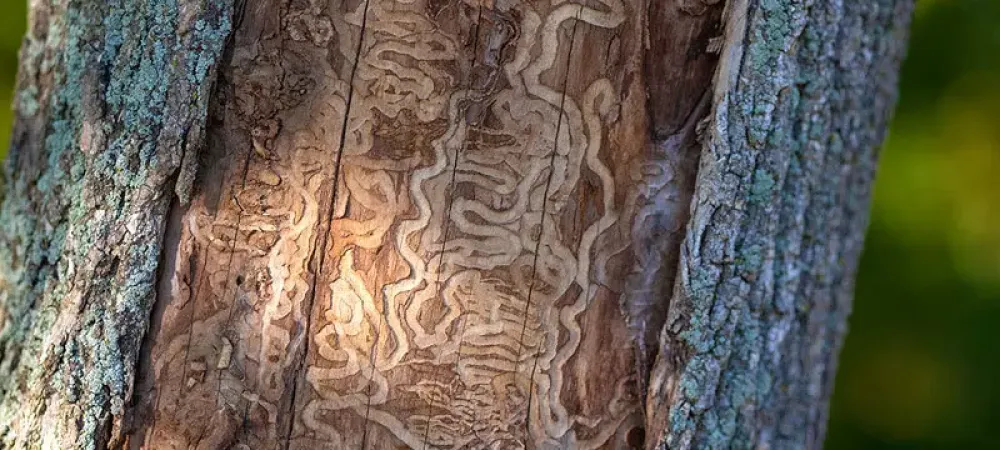
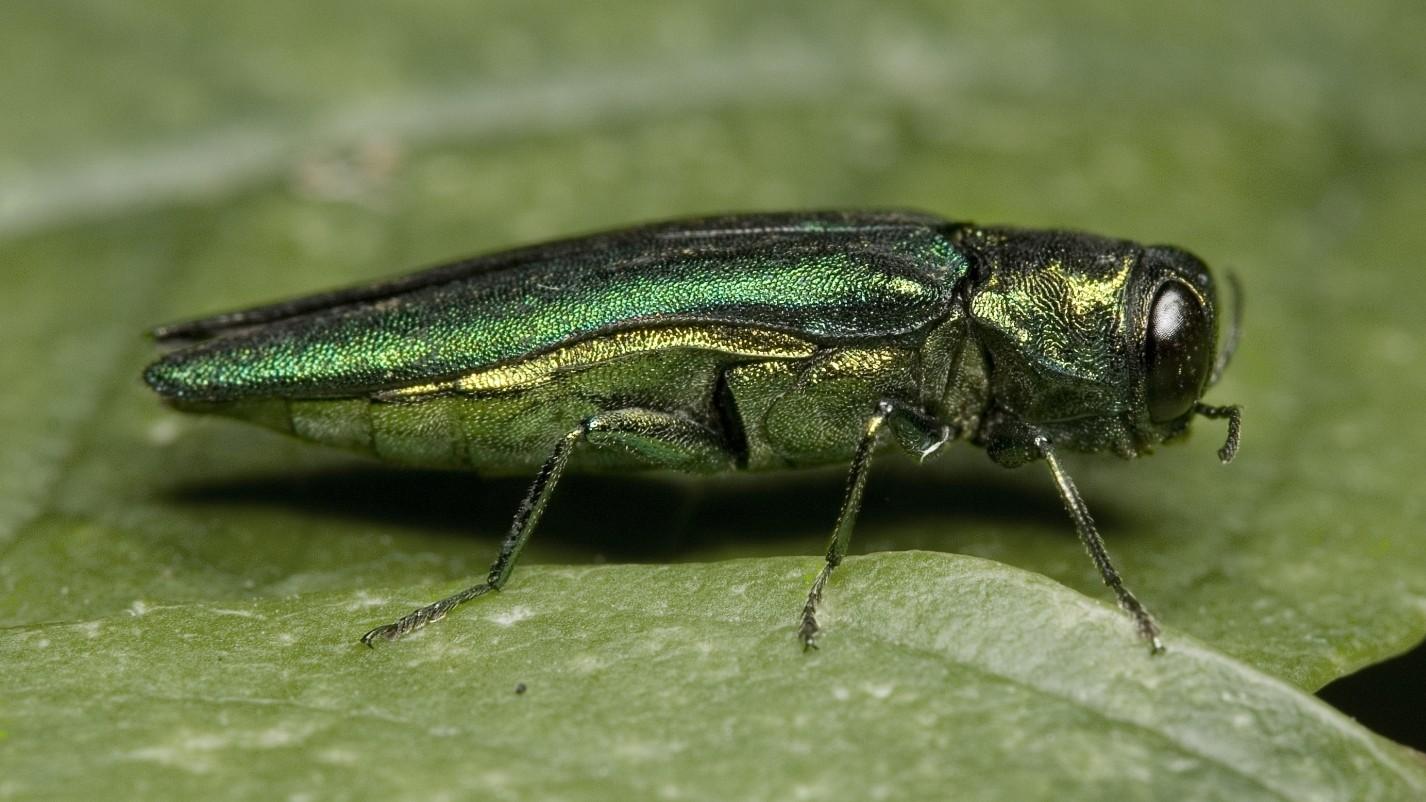
The emerald ash borer (Agrilus planipennis) has devastated ash tree populations across North America since its detection in 2002. The beetle’s larvae burrow under bark, disrupting nutrient flow and ultimately killing trees within a few years. Entire neighborhoods have lost their ash canopies; cities have spent millions removing dead trees; biodiversity and soil stability have been compromised.
Minnesota, home to one of the largest ash populations in the United States, faces particularly severe exposure. Urban forestry departments estimate that millions of ash trees are at risk. Chemical pesticides, while effective, are expensive and temporary. Quarantine measures slow but cannot stop the beetle’s spread. For many communities, the outlook has been grim: more dead trees, rising costs, and ecosystems struggling to adapt.
This is why the University of Minnesota’s work feels so consequential. It shifts the narrative from reactive management to ecological empowerment—using the forest’s own microbial defenders.
The Research: Screening Minnesota’s Fungi for Natural EAB Lethality
Researchers conducted systematic screenings of fungal species commonly present in Minnesota’s forest environment. Their goal was not to introduce exotic pathogens but to understand whether local fungi have unrecognized potential to suppress the invasive beetle.
The answer, unexpectedly, was yes.
Several isolates—a mix of soil fungi and tree-associated fungal pathogens—were found to be lethal to EAB adults under controlled conditions. These fungi are not unfamiliar; many belong to genera historically studied for their entomopathogenic capabilities (fungi that infect and kill insects), including relatives of Beauveria bassiana and Metarhizium anisopliae.
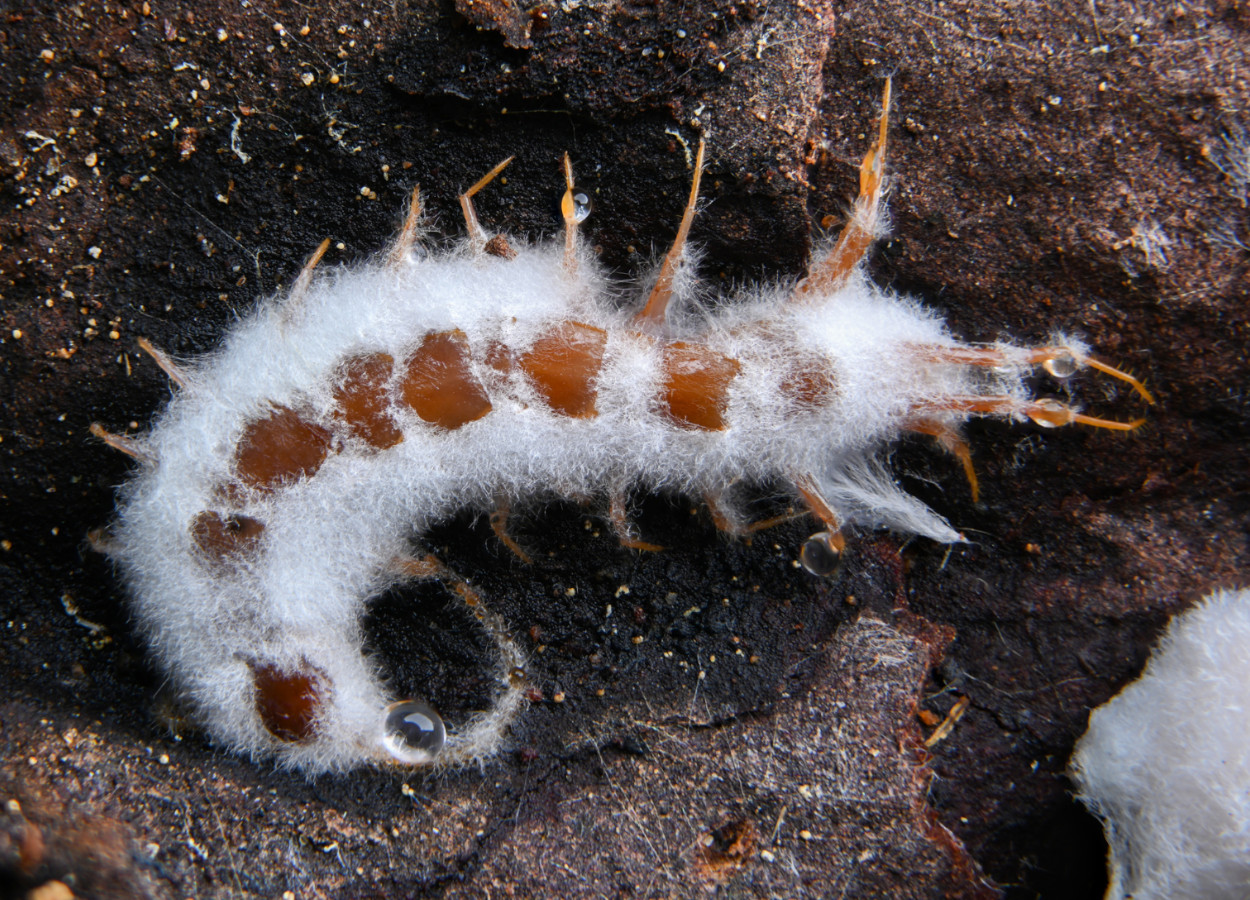
But what makes this discovery significant is the regional specificity: these fungi evolved in Minnesota’s climate, soils, and tree communities. They are not foreign agents. They are part of the ecological fabric, quietly playing roles in decomposition, nutrient cycling, and interaction with forest insects.
The researchers did not aim to exaggerate the implications. They noted that environmental variables—humidity, temperature fluctuations, bark microclimates—would influence how effectively these fungi spread in the wild. But the discovery gives scientists something they have lacked for years: a biological foothold in the fight against EAB.
How Fungi Kill Insects: Nature’s Oldest Biological Control System
To appreciate the significance of this finding, we must understand how entomopathogenic fungi function.
Unlike bacteria or viruses, these fungi infect insects directly through their exoskeleton. They do not require ingestion. When fungal spores land on an insect’s cuticle, they germinate, penetrate the tough outer layer, and grow inside the host. This internal colonization disrupts physiology, ultimately killing the insect.
Species such as Beauveria bassiana and Metarhizium anisopliae have been used globally as biocontrol agents. Minnesota’s work now suggests that local fungal species may operate similarly, targeting EAB without the need for synthetic pesticides.
There are several ecological advantages to this mechanism:
- Host specificity
- Environmental safety
- Self-perpetuation
- Compatibility with integrated pest management (IPM)
This is not biotechnology imposed on the forest—it is the forest’s own biology demonstrating its defensive repertoire.
Why Native Fungi Matter: Lessons from Past Biocontrol Mistakes
Historically, introducing non-native organisms for invasive-species control has carried risk. From the cane toad in Australia to the mongoose in Hawaii, biocontrol gone wrong has created ecological damage as severe as the original problem.
Minnesota’s approach is the opposite: start with what the ecosystem already contains.
Native fungi come with several benefits:
They are adapted to local climate patterns.
They interact naturally with existing flora and fauna.
They pose far lower risk of unintended ecological disruption.
Their survival, spread, and behavior can be predicted with greater confidence.
This grounding in natural ecology is one of the strongest aspects of the University of Minnesota’s research. It is cautious, evidence-driven, and resistant to outsize claims.
Cautious Optimism: What the Research Can and Cannot Yet Promise
While the findings are promising, researchers emphasize several necessary validations:
- Field Trials
Lab lethality does not guarantee field success. Tree bark microhabitats, temperature variability, and humidity will affect fungal performance outdoors. - Ecological Impact Assessment
Even native fungi can behave differently when used in concentrated or targeted applications. Understanding cascading effects is essential. - Application Methods
Delivery systems—spore sprays, trunk inoculations, or bait stations—must be optimized to reach EAB adults effectively. - Long-term Persistence
Fungal populations may fluctuate over seasons; sustainability depends on maintaining ecological balance. - Cost Feasibility
Public agencies must be able to deploy solutions affordably across large forested areas.
These caveats do not undermine the value of the discovery; they clarify the scientific process necessary to translate lab findings into ecosystem resilience.
The Bigger Picture: What Minnesota’s Fungal Discovery Means for the Future of Forest Health
Beyond emerald ash borer control, this research reflects a global shift toward fungal understanding. Forest management, agriculture, and conservation biology increasingly acknowledge fungi as ecosystem engineers capable of:
regulating insect populations,
mediating nutrient cycling,
strengthening plant immune systems, and
maintaining soil equilibrium.
Invasive species management—once reliant on chemicals and mechanical removal—is evolving toward biological approaches that align with ecosystem logic rather than override it.
Minnesota’s findings also open a new scientific frontier: cataloging and screening native fungi in other regions facing invasive insect threats. The model is scalable: study what exists locally, assess its biological strengths, and leverage the ecological intelligence already present in the environment.
If adopted globally, forests may gain new allies—microbial ones they have harbored all along.
A Journalist’s Perspective: Why This Work Matters
Reporting on fungal research often reveals two extremes: sensationalism or neglect. But this story represents a scientific middle ground where careful observation, ecological respect, and practical necessity converge.
What stands out to me is the humility embedded in this work. The researchers did not begin with the intention to engineer something new. They began by listening to the ecosystem—surveying its inhabitants and asking whether nature had already evolved responses to its own threats.
This approach aligns with a broader trend: shifting from human-dominated environmental solutions to strategies that collaborate with natural processes. In a time when climate disruptions, invasive species, and chemical dependency challenge our ecological stability, these fungal defenders show that resilience may sometimes originate from the organisms we least expect.
Minnesota’s native fungi are not heroes in a mythical sense. They are quiet workers—patient, adaptable, efficient. Their potential role in protecting ash trees reminds us that ecological knowledge is not always found in new technologies but in reexamining old relationships.

References
USDA APHIS – Emerald Ash Borer Overview
US Forest Service – Emerald Ash Borer Resources
According to New and Events
Key Takeaways
- Minnesota harbors a rich diversity of native fungi with demonstrated antagonistic properties against invasive plant pathogens, agricultural pests, and disease-causing organisms, making them valuable candidates for biological control research.
- University of Minnesota researchers and USDA scientists have documented several Minnesota native fungi with exceptional efficacy against crop pathogens, particularly soilborne diseases that are difficult to control with conventional fungicides.
- The concept of ‘biological weapons’ from native fungi is particularly appealing because indigenous organisms are better adapted to local soil conditions, climate, and competing microbial communities than imported biocontrol agents.
- Trichoderma species native to Minnesota forest and agricultural soils have shown potent antagonism against Fusarium, Pythium, and Rhizoctonia—the three most economically significant soilborne pathogens of Minnesota agricultural crops.
- Regulatory pathways for native fungal biological control agents are generally faster and less expensive than for synthetic pesticides, as native organisms have established ecological track records that reduce novel ecological risk assessments.
Frequently Asked Questions
What native Minnesota fungi are being developed as biological control agents?
Minnesota’s diverse temperate forest, grassland, and agricultural soil ecosystems harbor numerous fungal species with documented biological control potential against plant pathogens and crop pests. Key research areas in Minnesota: Trichoderma species from native soils—Trichoderma is one of the most studied and commercially deployed biocontrol genera globally; University of Minnesota plant pathology researchers have characterised native Minnesota Trichoderma isolates with exceptional antagonism against Fusarium head blight (scab) in wheat and barley—a devastating disease in Minnesota’s major grain crops; these native isolates may outperform commercial Trichoderma products in Minnesota’s specific climate. Clonostachys rosea (formerly Gliocladium roseum)—a native fungal biocontrol agent with activity against a wide range of plant pathogens including Botrytis, Fusarium, and Sclerotinia; found naturally in Minnesota agricultural soils; potential for incorporation in integrated disease management in specialty crops. Mycoparasitic fungi—Minnesota soils contain fungi that directly parasitise other fungi; Pythium oligandrum and related species parasitise damping-off pathogens in the same genus; these mycoparasites offer targeted suppression with minimal off-target effects. Entomopathogenic fungi—Beauveria bassiana and Metarhizium anisopliae, isolated from Minnesota soils, are being developed for control of soybean aphid, corn rootworm, and other insect pests of major Minnesota crops; these organisms are commercially produced and used but local isolates may be better adapted to Minnesota conditions.
How effective are biological control fungi compared to synthetic pesticides?
Biological control fungi typically show lower peak efficacy than synthetic fungicides under optimal conditions but offer distinct advantages in consistency, environmental profile, and resistance management that make them valuable components of integrated pest management. Efficacy comparison: synthetic fungicide efficacy—well-designed synthetic fungicides achieve 70–95% disease reduction under ideal application conditions; they are consistent, fast-acting, and relatively weather-independent in their application window. Biological control efficacy—varies substantially by product, pathogen, crop, environment, and application timing; well-developed biocontrol products achieve 50–75% disease reduction under appropriate conditions; biocontrol is less reliable under adverse conditions (drought, temperature extremes) that stress biocontrol organisms. Where biocontrol excels: soilborne pathogen suppression (Fusarium, Pythium, Rhizoctonia)—systemic fungicides have poor distribution in soil; biocontrol organisms can actively colonise rhizosphere (root zone), providing persistent, root-zone-specific protection not achievable with fungicide drenches. Induced systemic resistance (ISR)—many biocontrol fungi (particularly Trichoderma) stimulate the plant’s own defence mechanisms, providing broad-spectrum protection against multiple pathogens and stresses; this systemic priming effect extends beyond the site of application. Resistance management—unlike single-mode-of-action synthetic fungicides, biological agents impose multifactorial pressure (competition, mycoparasitism, antibiosis, ISR) that pathogens cannot readily overcome through single mutations; combining biocontrols with fungicides reduces selection pressure for resistance. Economic considerations: biological control products are generally 20–40% less expensive than comparable synthetic fungicide treatments for the same application; this cost advantage is offset by the need for more careful timing and application conditions.
What is the process for developing a native fungus into a biopesticide?
Converting a promising native fungal isolate into a registered biopesticide involves a lengthy, resource-intensive process that typically spans 7–12 years from initial isolation to commercial product registration. Discovery and screening phase (1–3 years): initial sampling of native soils, plant material, and environmental sources; isolation of candidate fungi on selective media; preliminary in vitro screening against target pathogens (growth inhibition assays, volatile compound production, antibiotic production); genetic identification by ITS and other molecular markers; taxonomic characterisation and deposit in culture collections. Development phase (2–4 years): in planta testing in greenhouse bioassays with target crop and pathogen under controlled conditions; optimisation of fermentation conditions (medium composition, temperature, pH, aeration) for mass production; stabilisation studies (drying, formulation) to produce stable, concentrated product; determination of active mechanisms (mycoparasitism, antibiosis, ISR, competition). Registration phase (3–5 years): EPA FIFRA (Federal Insecticide, Fungicide and Rodenticide Act) registration is required for all biopesticides sold commercially in the US; EPA’s Biopesticides Division has a streamlined review process for microbial pesticides compared to synthetic chemicals; required data include product characterisation, human health safety data, environmental fate and effects data, efficacy data from multiple trials, and manufacturing quality data; state registrations may be required in addition to federal registration (Minnesota has its own pesticide registration process through MDA). Commercial scale-up: developing reliable commercial-scale fermentation, formulation, quality control, and shelf-life assurance before product launch.
Can native fungi from Minnesota be used in organic farming?
Many fungal biological control agents, including several with Minnesota native isolates under development, are compatible with certified organic production systems, making them particularly valuable for Minnesota’s growing organic sector. USDA National Organic Program (NOP) framework: the National Organic Program (7 CFR Part 205) permits the use of naturally occurring biological control agents in organic production; organisms used in their naturally occurring forms are generally permitted without restriction; however, the NOP National List of Allowed and Prohibited Substances must be consulted for specific products. Approved biological fungal agents in organic production: Trichoderma species—multiple registered Trichoderma-based products are OMRI (Organic Materials Review Institute) listed, meaning they are reviewed and found acceptable for use in organic production; Beauveria bassiana—OMRI-listed for insect control in organic crops; Clonostachys rosea—some registered products are OMRI-listed; Purpureocillium lilacinum—registered for nematode control, and some products have OMRI listing. Minnesota organic agriculture context: Minnesota had approximately 200,000+ acres of certified organic farmland; organic production of specialty crops (vegetables, small fruits) and field crops (soybeans, corn) represents a growing market; soilborne disease management is one of the most significant challenges in organic production, particularly as synthetic soil fumigants (methyl bromide) are unavailable in organic systems; native fungal biocontrols that perform well in Minnesota’s clay-loam soils and cold climate are particularly valuable in this context. Limitations: not all biological control products are OMRI-listed; some formulation additives may not be NOP-compliant even if the active microbial ingredient is; organic farmers must verify OMRI listing for specific products before use.
What diseases in Minnesota crops could native fungi help control?
Minnesota’s major crop diseases represent a significant annual economic burden, and several of the most damaging are poorly served by existing synthetic fungicide programmes—creating clear opportunities for native fungal biocontrol approaches. Target diseases where biocontrol is most needed: Fusarium head blight (scab) in wheat and barley—FHB is one of the most economically damaging wheat diseases in Minnesota, causing grain yield losses and contaminating grain with deoxynivalenol (DON) mycotoxin; the only registered FHB biocontrol product (Bacillus subtilis-based Serenade) has limited efficacy; Trichoderma-based and Clonostachys-based biocontrols show promise in university trials for reducing FHB scab infection. Soybean cyst nematode (SCN)—the most yield-limiting pathogen of soybeans in Minnesota; Purpureocillium lilacinum and Pochonia chlamydosporia are nematophagous fungi with demonstrated SCN egg parasitism in laboratory and greenhouse conditions; field efficacy is variable but improving with better formulation. Sudden death syndrome (Fusarium virguliforme) of soybeans—this soilborne root rot causes significant Minnesota soybean yield loss; Trichoderma species applied at planting can reduce SDS incidence; commercial Trichoderma seed treatments are already marketed for SDS management. White mold (Sclerotinia sclerotiorum) of soybeans—causes significant yield loss in wet seasons; Coniothyrium minitans (Contans WG) is a registered mycoparasite of Sclerotinia sclerotia that is particularly effective as a soil-applied treatment to reduce sclerotial inoculum; native Minnesota Coniothyrium isolates are being characterised. Corn rootworm—Beauveria bassiana and Metarhizium brunneum applied as soil treatments or seed treatments show moderate rootworm larval mortality in trials; Minnesota isolates adapted to Minnesota soil temperatures may outperform commercial isolates originally developed in warmer regions.