According to THE SEATTLE TIMES
I. Seasonal Factors Heighten a Perpetual Problem
As the colder “cozy season” settles over Washington State, residents shut windows, increase heating, and reduce ventilation, inadvertently creating prime conditions for an unwelcome and persistent guest: mold. Given the region’s naturally rainy climate, mold spores thrive in the resulting damp, humid environments, making rapid cleanup a necessity for property preservation and resident health.
However, a recent analysis highlights that in the context of rental properties in Washington, the question of responsibility for mold cleanup is legally complex and often contentious. Unlike clear-cut structural repairs, mold remediation costs and duties are frequently a subject of ambiguity, leading to disputes between landlords and tenants.

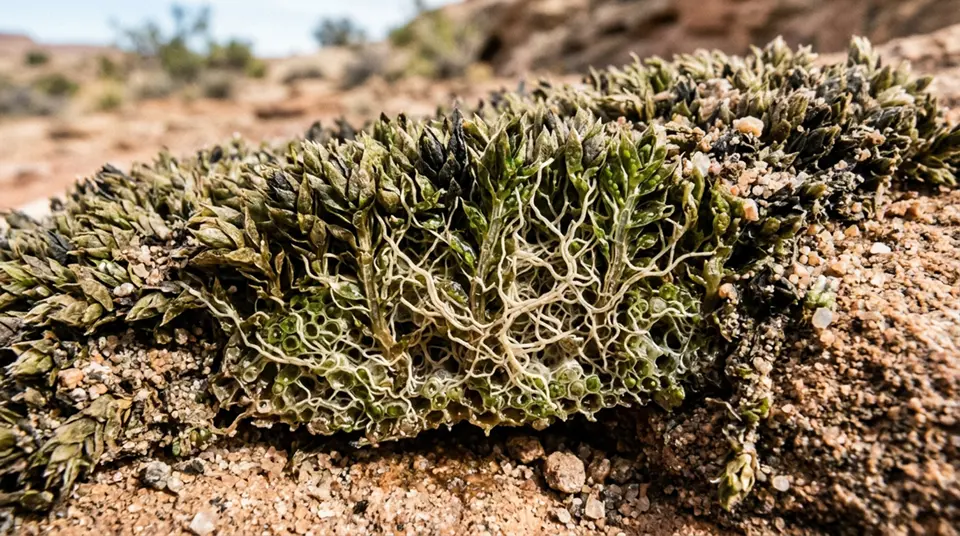
Source: Wikimedia Commons — CC BY-SA 4.0
II. The Legal Gray Area of Responsibility
In most jurisdictions, responsibility for mold depends heavily on its origin. Washington State law often reflects this division of liability, which requires a nuanced investigation into the source of the moisture:
A. Landlord Responsibility (Structural Failures)
Landlords are generally held accountable for mold that results from structural or maintenance failures, as they have an implied duty to maintain a habitable property.
Examples: Mold stemming from unrepaired leaks in the roof, plumbing, or windows; inadequate building ventilation built into the structure; or foundation defects.
The Implied Warranty of Habitability: Landlords are legally responsible for addressing the underlying structural defects that allow moisture and mold to accumulate. Failure to do so can constitute a breach of this warranty.
B. Tenant Responsibility (Lifestyle Factors)
Tenants often bear responsibility for mold growth caused by their own actions or negligence related to the management of their living space.
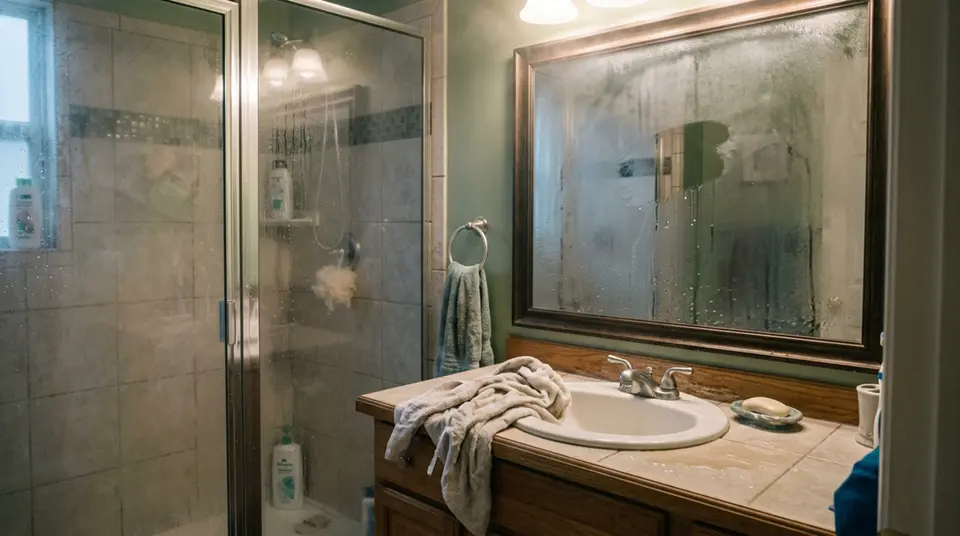
Examples: Mold resulting from excessive condensation due to rarely opening windows; failure to run exhaust fans in bathrooms and kitchens; or improper storage of wet items or personal property against poorly insulated walls.
The Duty to Notify: Crucially, tenants are obligated to promptly notify the landlord in writing of any water leak, plumbing issue, or visible mold growth. Failure to report a known moisture problem may shift the financial burden of cleanup onto the tenant.

Source: Wikimedia Commons — CC BY-SA 4.0
III. The Complicating Factors in Washington
The complication in Washington arises because the legal definition of what constitutes an uninhabitable property due to mold often lacks the specific regulatory standards found in some other states. This ambiguity makes resolving disputes difficult and costly.
- Lack of State-Specific Mold Standards: Unlike some environmental contaminants, Washington State does not have specific, quantifiable standards for acceptable mold levels in residential properties, making it challenging for both parties to prove legal negligence or satisfactory remediation.
- The Seasonal Paradox: During the winter months, when tenants seal their homes for warmth, the resultant increase in interior condensation creates a complex origin scenario. Landlords may argue it is the tenant’s lack of ventilation; tenants may counter that the property’s insulation and ventilation system are fundamentally inadequate.
- Health and Cost Implications: The financial burden of professional remediation can be substantial, and the health risks associated with mold exposure—such as respiratory issues and allergies—create a strong impetus for immediate, and often hurried, action.

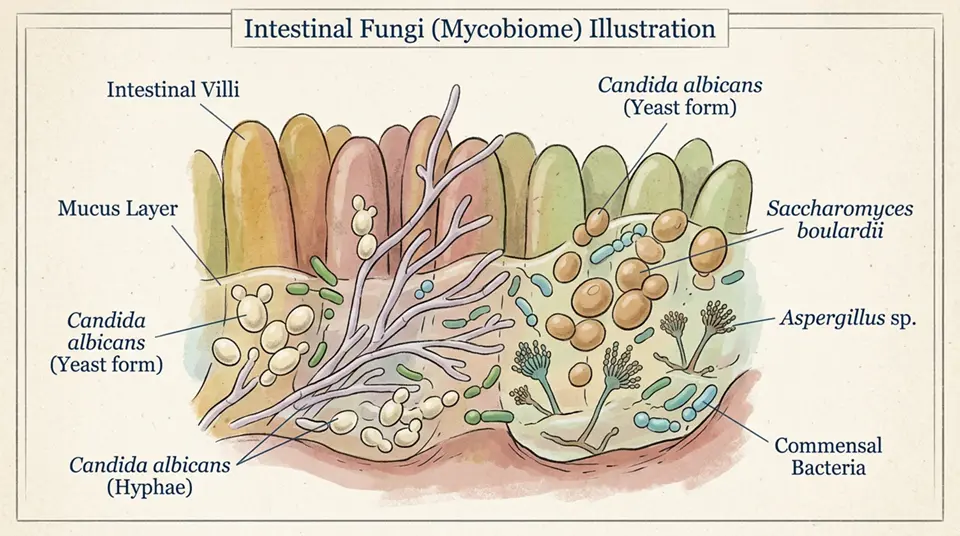
Source: Wikimedia Commons — CC BY-4.0
IV. The Call for Clarity and Proactive Measures
This complicated scenario underscores a systemic challenge in the state’s housing sector. An objective viewpoint suggests that reliance on vague “common-law” duties is insufficient, leading to prolonged disputes and putting residents’ health at risk.
The best solution lies in proactive, contractual clarity and mutual diligence:
- Lease Agreement Clarity: Landlords should include specific, detailed mold clauses in lease agreements outlining both parties’ duties regarding ventilation, humidity control, and immediate notification of water issues.
- Tenant Education: Providing tenants with clear, written instructions on how to minimize condensation during the wet season is a crucial preventive step.
- Professional Assessment: When mold appears, quickly obtaining a professional, third-party assessment to determine the source of the moisture—whether structural or lifestyle-related—is the most effective way to legally assign responsibility.
V. Conclusion
The battle against mold in Washington rental housing is less about the fungus itself and more about the legal friction created by shared environments and ambiguous law. Until state regulations provide clearer standards, both landlords and renters must exercise heightened communication and vigilance to ensure a safe, habitable home.
References
- Washington State Department of Health. Renters, Landlords, and Mold.
- Washington State Department of Health. Mold – Indoor Air Quality.
- Residential Landlord-Tenant Act (RCW 59.18).
- EPA. Mold Cleanup in Your Home.
According to THE SEATTLE TIMES
Key Takeaways
- Mold liability in Washington State involves an intersection of landlord-tenant law, insurance coverage, contractor liability, and property disclosure requirements—with multiple parties potentially responsible for remediation costs.
- Washington State’s Residential Landlord-Tenant Act creates affirmative obligations for landlords to maintain rental premises free from conditions that endanger health, which courts have interpreted to include mold from structural moisture sources.
- Renters who develop mold-related health problems may pursue personal injury claims for which damages include medical costs, lost wages, pain and suffering, and in egregious cases, punitive damages against landlords who failed to act.
- Homebuyers in Washington have legal recourse against sellers who fail to disclose known mold problems on the required Seller Disclosure Statement, which must be completed honestly under penalty of misrepresentation.
- Contractor liability for mold resulting from faulty construction or renovation work can arise under breach of contract, negligence, or implied warranty theories, with statutes of limitations varying by claim type.
Frequently Asked Questions
Who is legally responsible for mold cleanup in a Washington State rental?
In Washington State rental properties, responsibility for mold remediation is allocated based on the cause of the mold problem, the terms of the lease, and compliance obligations under the Residential Landlord-Tenant Act (RCW 59.18). Landlord responsibility for structural mold: Washington’s Residential Landlord-Tenant Act (RCW 59.18.060) requires landlords to maintain rental property in a condition fit for human habitation, including keeping the structural components—roof, plumbing, windows, foundations—in good repair to prevent moisture intrusion; mold resulting from roof leaks, plumbing failures, inadequate ventilation, or structural deficiencies is the landlord’s responsibility to remediate at the landlord’s expense; landlords are responsible for mold problems that arise from inherent structural deficiencies even if they were not immediately aware of them, once notified by the tenant. Tenant responsibility for behaviour-related mold: tenants are responsible for mold that results from their own actions—failure to adequately ventilate (particularly in bathrooms and kitchens), covering air vents, preventing landlord access for repairs, or failing to report water damage promptly; tenants are not responsible for mold that develops from structural deficiencies beyond their control. Notification obligation: tenants must provide written notice of mold problems to the landlord and allow a reasonable time for remediation (typically 10 days for non-emergency repairs under RCW 59.18.070) before escalating to legal remedies; failure to notify may weaken a tenant’s legal position. Local government involvement: many Washington cities and counties have rental housing inspection programs that can independently require mold remediation; King County and Seattle have particularly active rental housing enforcement programs.
Can I sue my landlord for mold-related health problems in Washington?
Washington tenants who suffer health problems attributable to landlord-maintained mold can pursue legal claims against their landlords, though successfully proving causation presents specific challenges. Available legal claims: breach of warranty of habitability—under Washington’s Residential Landlord-Tenant Act and common law, landlords impliedly warrant that the premises are habitable throughout the tenancy; mold from structural sources violates this warranty; damages for breach of warranty of habitability include rent reduction for the period of uninhabitable conditions, remediation costs if the tenant was forced to pay them, and relocation costs. Negligence—landlords have a duty of reasonable care toward tenants; failure to remediate known mold after reasonable notice may constitute negligence; negligence damages can include personal injury (medical costs, lost wages, pain and suffering). Intentional infliction of emotional distress—in extreme cases where landlords knowingly ignore serious mold problems despite clear health impacts on tenants. Causation challenges in personal injury claims: proving that specific health conditions were caused by mold in a specific rental property requires expert medical testimony establishing that the tenants were exposed to mold, that they developed symptoms consistent with mold exposure, and that other causes of their symptoms are unlikely; mold illness is controversial in medicine and courts may scrutinise these claims carefully. Practical path: if health problems are significant, consult both a physician (for medical documentation) and an attorney (for legal options) promptly; Washington’s statute of limitations for negligence is 3 years, but evidence is best preserved immediately; attorneys experienced in landlord-tenant law or toxic tort claims can assess the specific facts of your case.
What are seller disclosure requirements for mold in Washington home sales?
Washington State has specific seller disclosure requirements that apply to residential property sales, with significant legal consequences for sellers who fail to disclose known mold problems. The Seller Disclosure Statement (Form 17): Washington’s Seller Disclosure Act (RCW 64.06) requires sellers of residential real property to complete a Seller Disclosure Statement (SDS)—also known as Form 17—which asks specific questions about the property’s condition; the SDS specifically asks about ‘Water and Drainage’ including questions about water intrusion, flooding, moisture, water damage, and whether there has been ‘mold, fungus, mildew, or other similar growth’; sellers must answer truthfully to the best of their knowledge; sellers must also disclose any material defects known to them even if not directly covered by a specific SDS question. Legal consequences of non-disclosure: buyers who discover post-purchase that the seller knew of and failed to disclose mold can pursue claims for fraudulent misrepresentation, negligent misrepresentation, or violation of the Consumer Protection Act (RCW 19.86); remedies may include contract rescission (unwinding the purchase), damages for remediation costs, diminution in property value, and consequential damages; the statute of limitations for concealment of material facts is typically 3 years from discovery, but can extend longer under certain theories. ‘As-is’ sale limitations: some sellers attempt to sell properties ‘as-is,’ which can limit buyer claims if buyers had an opportunity to inspect; however, an ‘as-is’ clause does not protect a seller from claims of active fraudulent concealment of known defects; buyers who waived inspection contingencies in competitive market conditions may have more difficulty pursuing claims. Practical buyer advice: thoroughly inspect or hire a professional inspector before purchase; review the SDS carefully; if mold concerns exist, request a mold inspection as a condition of the sale.
How does homeowners insurance handle mold claims in Washington?
Homeowners insurance coverage for mold in Washington is highly variable and often contentious, because most policies explicitly exclude or limit coverage for mold, and the circumstances that caused the mold are critical to determining coverage. Typical policy structure for mold: standard homeowners insurance policies cover sudden and accidental water damage (burst pipe, appliance malfunction) including the resulting mold remediation if it occurs as a direct consequence of the covered water damage event. Standard policies explicitly exclude gradual or long-term water damage and the mold resulting from it—this exclusion covers roof leaks that were not repaired, plumbing drips, condensation, and flooding (flood damage requires separate NFIP flood insurance). Many policies include a sublimit for mold coverage—even when a covered water event causes mold, the mold-specific sublimit (often $5,000–$15,000) may be far below the actual remediation cost ($10,000–$50,000+ for significant mold). Washington-specific context: Washington’s Insurance Commissioner regulates policy language; homeowners can purchase mold endorsements on some policies for additional premium; Washington generally follows the ‘efficient proximate cause’ doctrine, which means that if the covered peril (water damage from a burst pipe) is the predominant cause of the loss, the resulting mold may be covered even if mold is otherwise excluded. Claims strategy: document all water damage immediately and report promptly; if an insurer denies a mold claim, a public adjuster or insurance attorney can assess whether the denial is proper; Washington has a consumer complaint process through the Insurance Commissioner for disputed claims.
What are Washington’s mold remediation standards for contractors?
Washington State does not have a specific state-issued mold remediation licensing requirement for contractors, creating a regulatory gap that increases consumer risk when hiring mold remediation companies. Current regulatory landscape in Washington: unlike some states (New York, Florida, Texas) that have enacted specific mold contractor licensing and remediation standards, Washington has not enacted mandatory mold contractor licensing as of the early 2020s; general contractors performing mold remediation work must hold a Washington State contractor license (Registration with Labor & Industries under RCW 18.27) but this general license has no specific mold remediation competency requirement; lead paint renovation (RRP) certification is required for work disturbing lead paint but no analogous mold certification exists. Industry standards fill the gap: professional mold remediation contractors typically follow voluntary industry standards: IICRC S520 Standard and Reference Guide for Professional Mold Remediation is the most widely used industry standard; EPA’s ‘Mold Remediation in Schools and Commercial Buildings’ guide; Washington Department of Health guidance documents. What to look for in a contractor: ask for demonstration of training in IICRC S520 or equivalent standard; ask for proof of liability insurance specifically covering mold remediation work; ask for references from previous mold remediation projects; obtain multiple bids with written scope of work; be sceptical of contractors who offer very rapid or very inexpensive remediation without containment procedures. Post-remediation testing: a separate post-remediation clearance test by an independent industrial hygienist (not affiliated with the remediation contractor) is important to verify that remediation was successful; this is particularly important in Washington in the absence of mandatory regulatory clearance requirements.