According to MIT News
For decades, glioblastoma has remained one of the deadliest forms of brain cancer—aggressive, treatment-resistant, and tragically efficient in its ability to return even after surgery, radiation, and chemotherapy. Among oncologists, it is known not for dramatic recoveries but for the limits it exposes in modern medicine. Yet research from MIT now suggests that a rare fungal compound, long considered impossible to harvest in meaningful quantities, could help rewrite part of that story.
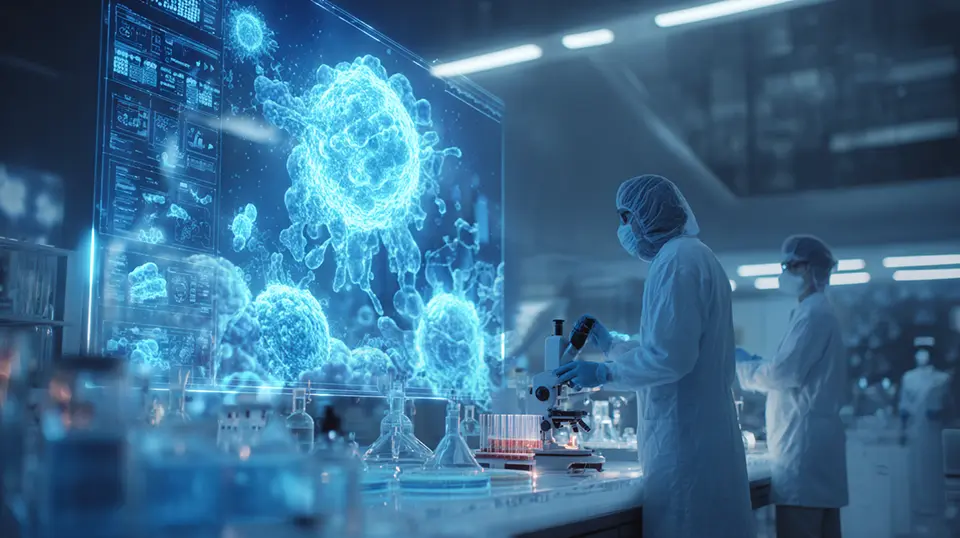
MIT chemists have achieved something elegantly simple yet scientifically profound: they synthesized, from scratch, a complex molecule first found in a fungus known for producing biologically potent natural products. This compound, previously inaccessible in therapeutic amounts, has shown striking ability to shrink glioblastoma tumors in mouse models. The breakthrough is not only chemical—it represents a potential shift in how drug developers approach aggressive cancers that have historically evaded treatment.
As someone who has followed fungal natural-product research for years, I see this achievement as part of a larger narrative: fungi continue to reveal molecules with extraordinary biological activity, but humanity often struggles to obtain or reproduce them. MIT’s work bridges that gap, demonstrating that synthetic chemistry can unlock medical potential hidden in nature’s most intricate molecular designs.

Source: Wikimedia Commons, CC BY-SA 3.0
The Challenge of Glioblastoma: A Cancer in Need of New Ideas
Glioblastoma, the most aggressive malignant brain tumor in adults, is notoriously difficult to treat. Its cells infiltrate brain tissue like threads of a dense network, making clean surgical removal nearly impossible. Traditional chemotherapy agents struggle to cross the blood-brain barrier, and those that do often cause severe systemic toxicity.
For patients and clinicians, the challenge is not only destroying cancer cells but doing so without damaging surrounding neural tissue—an impossible balance for many existing drugs. This explains why glioblastoma survival rates have barely improved in decades. The field urgently needs therapies with:
higher tumor selectivity
improved brain penetration
lower systemic toxicity
fresh biological mechanisms of action
And this is where fungal chemistry enters the picture.

Source: Wikimedia Commons, CC BY-SA 4.0
The Fungal Compound: A Natural Molecule With Unnatural Potential
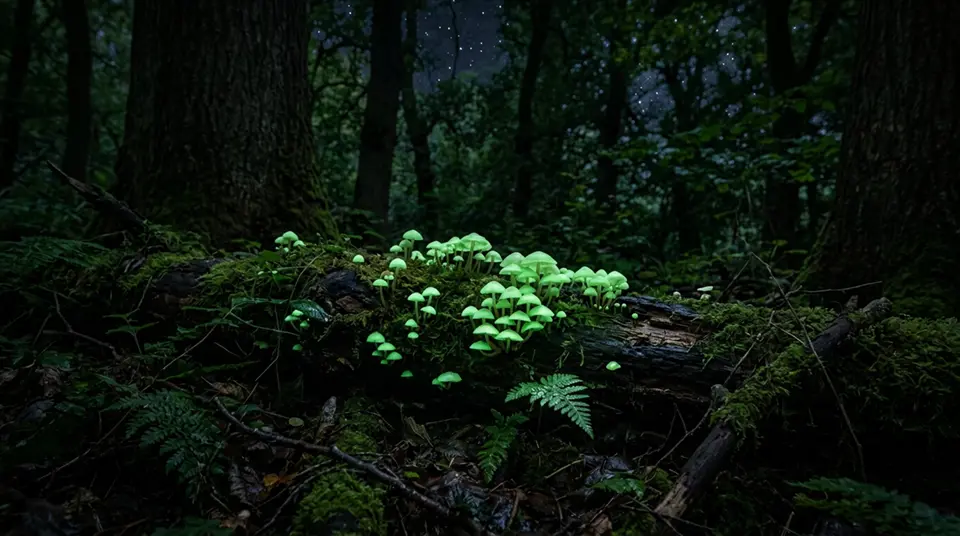
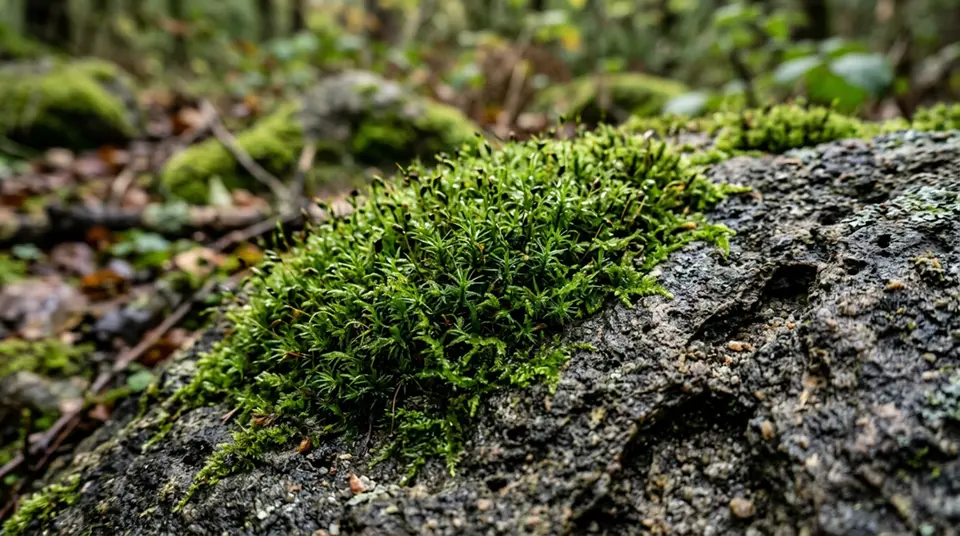
The compound at the center of MIT’s study originates from a fungal species long recognized for producing structurally unusual molecules with strong biological effects. Fungi have evolved as chemical strategists; they generate compounds to defend territory, disrupt competitors, and communicate with their environment. Many of these molecules interact with mammalian biology in ways that can be therapeutically valuable.
The specific compound synthesized by MIT—identified as verticillin A—showed a remarkable ability to shrink glioblastoma tumors in mice—evidence that it affects cancer pathways in a way unlike standard chemotherapies. Yet despite its promise, the natural source produces only microscopic amounts. Isolating enough material for clinical use from fungal cultures would be impractical and environmentally unsustainable.
That is why chemical synthesis became essential. The challenge was not simply creating the molecule—it was achieving this in a way that allows reliable, scalable production for future research and potential medical application.

Source: Wikimedia Commons, CC BY-SA 2.0
MIT’s Breakthrough: Total Synthesis of a Complex Fungal Molecule
The MIT team achieved what chemists call total synthesis, constructing the compound molecule by molecule from basic building blocks. The complexity lies in the architecture: multiple chiral centers, delicate ring formations, and oxidation patterns that fungi produce naturally but humans must engineer step by step.
The team’s success carries major implications:
- Access to a previously unreachable medicine
Researchers can now produce meaningful quantities for testing, refining, and potentially developing into a clinical drug. - Freedom to create analogs
Once a molecule can be synthesized, chemists can alter its structure—strengthening its therapeutic effect, improving stability, or reducing toxicity. - A deeper understanding of mechanism
Synthetic access enables detailed biological assays to determine how the compound attacks glioblastoma cells.
For a cancer that desperately needs new therapeutic directions, this combination of biological promise and synthetic accessibility is rare and hopeful.
Nature and Chemistry: A Complementary Partnership
At its core, this achievement represents an elegant partnership between biology and chemistry. Nature provides the blueprint—a molecule optimized by evolution to interact with living systems. Chemistry then provides the capability to reproduce, enhance, and deliver that molecule at scales impossible for the organism itself.
This relationship echoes a long tradition: many foundational medicines, including penicillin, cyclosporine, and statins, originated in fungi. MIT’s work continues that legacy in an area where innovation is most needed.
The difference today is that advanced synthetic methods allow scientists to explore natural products that once seemed too rare or fragile to pursue. Instead of relying on unpredictable fungal cultures, drug developers can build molecules with precision, consistency, and ethical control.
What We Still Do Not Know: The Road Ahead
While the early tumor-shrinkage results in mice are encouraging, the path to human treatment involves multiple stages of caution and rigorous investigation.
- Pharmacokinetics and brain penetration
Mouse success does not guarantee human success. The compound must reliably cross the blood-brain barrier in sufficient concentration. - Toxicity profile
Natural molecules with strong biological effects can also have unintended targets. - Optimization of molecule stability
Fungal compounds often degrade easily; analogs may need to be designed for clinical use. - Clinical trial viability
Scaling synthesis for trials requires cost-effective and reproducible chemistry. - Mechanistic clarity
Understanding precisely how the compound kills glioblastoma cells is essential for predicting resistance and combining therapies safely.
Yet none of these hurdles diminishes the importance of the breakthrough. Instead, they highlight what is now possible because synthesis removes the bottleneck of scarcity.

Source: Wikimedia Commons, CC BY-SA 3.0
My Perspective: Why This Story Matters Beyond Oncology
To me, the significance of this research lies not only in its cancer implications but in what it reveals about fungal biodiversity. For decades, fungal natural products have been undervalued despite repeatedly yielding life-saving medicines. Many fungal species remain uncharacterized, their genomes harboring molecular blueprints we have yet to decode.
MIT’s work is a reminder that some of the most powerful medical innovations may come not from new machines or computational models but from organisms that spend their lives in soil, leaf litter, or decaying wood. The tragedy is not that fungi are strange—it is that we have explored so little of what they offer.
This synthesis is a signal: if we combine genomic mining, natural-product discovery, and advanced chemical synthesis, the next generation of cancer therapies may emerge from ecological partnerships rather than synthetic-only pipelines.
References
MIT News. MIT chemists synthesize fungal compound that holds promise for treating brain cancer.
StatPearls. Blood-Brain Barrier.
According to MIT News
Key Takeaways
- MIT chemists have achieved total synthesis of rare fungal natural products with complex stereochemistry, enabling unlimited supply of compounds previously available only in minute quantities from natural sources.
- Fungal secondary metabolites represent a historically underexplored reservoir of bioactive compounds, with many having demonstrated anticancer, antifungal, antibacterial, and immunomodulatory properties in preclinical studies.
- The ability to synthesize rare fungal compounds opens the door to structure-activity relationship (SAR) studies where chemical analogs are made to identify which parts of the molecule are essential for biological activity.
- Sustainable synthesis of fungal natural products reduces dependence on wild fungal collection or laboriously maintained fermentation cultures, making promising compounds accessible for large-scale pharmaceutical development.
- Chemical synthesis also allows isotopic labeling of fungal compounds with carbon-13 or deuterium, enabling pharmacokinetic tracing studies that are essential for drug development.
Frequently Asked Questions
Why do MIT chemists synthesize rare fungal compounds instead of just growing the fungus?
Total chemical synthesis of rare fungal natural products is pursued instead of, or alongside, fermentation-based production for several compelling reasons. Supply constraints from natural sources: many bioactive fungal compounds are produced only in tiny quantities as secondary metabolites—compounds the fungus makes in small amounts under specific growth conditions, often not well understood. A fungal culture may yield only micrograms to milligrams of a compound per litre of culture medium. For compounds that show interesting biological activity, natural production cannot supply the quantities needed for preclinical testing (which requires grams) or clinical trials (which may require kilograms). Availability of the producing organism: some bioactive compounds are isolated from rare or unculturable fungi; the producing organism may only be found in specific ecosystems, may be difficult to maintain in culture, or may produce the compound of interest only under specific environmental conditions that cannot be reliably recreated. Chemical access to analogs: once the total synthesis of a natural product is achieved, synthetic routes can be modified to produce analogs—structurally related molecules—that may have improved potency, selectivity, stability, or pharmacokinetics compared to the natural compound. This is only achievable through synthesis, not fermentation. Structural confirmation: total synthesis provides unambiguous proof of the molecular structure, including the correct absolute configuration (3D arrangement) of stereocenters—an important validation of structure determinations originally made by NMR and crystallography alone.
What kinds of medicines have come from fungal natural products?
Fungi have contributed more to medicine than almost any other organism group, producing compounds across multiple drug classes that have transformed human health. Antibiotics: penicillin—the first antibiotic, discovered in Penicillium notatum in 1928 by Alexander Fleming; cephalosporins—another major antibiotic class from the fungus Acremonium chrysogenum (formerly Cephalosporium); griseofulvin—antifungal antibiotic from Penicillium griseofulvum used to treat dermatophyte infections. Immunosuppressants: cyclosporin A—the transformative immunosuppressant from Tolypocladium inflatum that made organ transplantation routine; tacrolimus (FK506)—from Streptomyces tsukubaensis (a filamentous bacterium, not a fungus, but discovered via the same natural products paradigm). Lipid-lowering drugs: lovastatin—the first marketed statin (HMG-CoA reductase inhibitor), isolated from Aspergillus terreus; statins became the world’s best-selling drug class, derived from and inspired by a fungal metabolite. Anticancer drugs: etoposide and teniposide—semisynthetic derivatives of podophyllotoxin (plant-derived but chemically related to some fungal products); several fungal metabolites are in active cancer drug development pipelines. Ergot alkaloids: from Claviceps purpurea; source of compounds leading to ergotamine (migraine treatment) and lysergic acid. This track record is why systematic exploration of fungal secondary metabolism and total synthesis of rare fungal compounds are such high-priority research areas.
How difficult is it to synthesize a complex fungal molecule?
The synthetic chemistry challenge of creating complex fungal natural products is significant and varies enormously by molecular complexity, ranging from achievable in a few steps to requiring decade-long research programs by expert teams. Complexity factors in fungal natural products: stereochemical complexity—many fungal compounds have multiple stereocenters (carbons with four different substituents, where the 3D arrangement determines biological activity); getting the correct absolute and relative configuration of each stereocenter requires careful reagent and catalyst selection; a molecule with five stereocenters has 32 possible stereoisomeric forms and only one has the correct biological activity. Ring systems—many bioactive fungal metabolites contain unusual ring systems, including macrolide rings (large rings formed by ester bonds), bridged bicyclic systems, or highly strained ring geometries that require creative synthetic strategies. Functional group density—complex natural products often have many functional groups (hydroxyl, carbonyl, amine, etc.) in close proximity; selective manipulation of one without disturbing the others requires protecting group strategies. A representative complex fungal natural product synthesis might require 30–60 individual chemical steps, span 2–5 years of research effort by a team of 3–10 chemists, and achieve an overall yield of 1–5% from starting material. MIT and other leading synthesis groups (Baran Lab at Scripps, Maimone Lab at Berkeley, Herzon Lab at Yale) have developed increasingly efficient ‘step-economical’ strategies that reduce step counts while improving overall yield.
What are the most promising rare fungal compounds being studied as drugs?
Numerous rare fungal secondary metabolites are under investigation as drug leads across multiple disease areas, with some at advanced stages of clinical evaluation. Anticancer fungal leads: illudin S and derivatives—sesquiterpene compounds from bioluminescent jack-o’-lantern mushrooms (Omphalotus species); irofulven (a semisynthetic derivative) has undergone clinical trials for various cancers; cytochalasins—from various Aspergillus and other fungal species; act by inhibiting actin polymerisation; some derivatives show selective cancer cell cytotoxicity. Antifungal compounds: enfumafungin and related terpenoid natural products from Hormonema species were discovered via natural product screening and led to development of ibrexafungerp (approved by FDA in 2021)—a first-in-class glucan synthase inhibitor with activity against azole-resistant Candida. Neuroprotective compounds: hericenones and erinacines from lion’s mane mushroom (Hericium erinaceus) stimulate nerve growth factor (NGF) production and are under study for Alzheimer’s disease and other neurodegenerative conditions. Immunomodulatory compounds: various fungal polysaccharides (β-glucans) are approved in Japan and South Korea as cancer adjuvant therapies; their mechanisms involve immune activation rather than direct cytotoxicity.
How does total synthesis of natural products contribute to drug discovery?
Total synthesis of natural products contributes to drug discovery in ways that extend far beyond simply making the compound available in quantity. Proof of structure and stereochemistry: natural products isolated from organisms are characterized by spectroscopic methods (NMR, mass spectrometry) that determine molecular formula and connectivity but may leave stereochemistry uncertain; total synthesis using chiral reagents proves the absolute configuration unambiguously. Access to supply for biological testing: many natural products show preliminary biological activity in tiny screening amounts but cannot advance through preclinical development without gram-to-kilogram quantities; synthesis enables sufficient supply for animal studies, toxicology, and ultimately clinical trials. Analog synthesis for drug optimisation: once a synthetic route is developed, it can be modified to prepare analogs; systematic analog programs identify the pharmacophore (the essential structural features for activity) and allow optimisation of potency, selectivity, metabolic stability, oral bioavailability, and other pharmaceutical properties; some of the world’s most important drugs are synthetic analogs of natural product leads (taxol analogs, penicillin derivatives, etc.). Enabling mechanistic studies: isotopically labelled analogs (with ¹³C, ¹⁵N, or deuterium at specific positions) enable cellular mechanism-of-action studies and pharmacokinetic tracing; these require synthesis. Historical success rate: natural products or their derivatives and analogs account for approximately 50% of all FDA-approved drugs since 1981—making the exploration of natural product chemistry one of the highest-return activities in drug discovery research.