According to BBC
The Hidden Cost of Education
For many young people, moving away for university is a rite of passage: a chance to live independently, build new friendships, and focus on studies. But in Northern Ireland, an alarming number of students are finding that their term-time homes come with hidden dangers—ones that affect not just their comfort, but their health and safety.
Reports of damp ceilings collapsing, mould spreading across bedrooms, and even maggots dropping from light fittings paint a grim picture of the student housing crisis. Beyond the immediate disgust, these conditions raise pressing questions: how can students thrive academically when their living environments are unsafe? And why are landlords allowed to neglect their duty of care?

Source: Wikimedia Commons, CC BY-SA 3.0
Stories from the Front Lines of Student Housing
The testimony of students is both vivid and troubling.
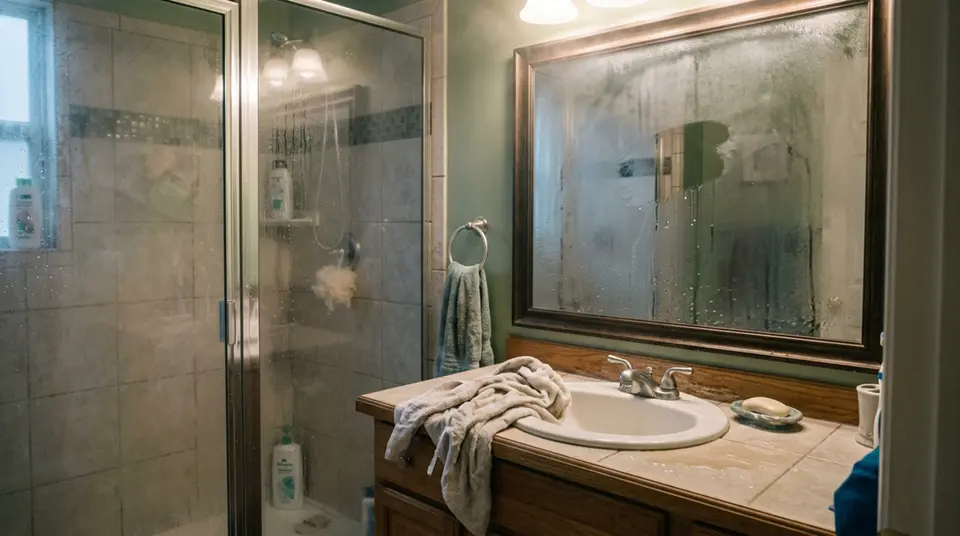
Dara Cunningham, 19, a financial risk management student at Queen’s University Belfast, described mould so widespread it covered ceilings, bathrooms, and bedrooms. For his housemate with asthma, the exposure made breathing difficult.
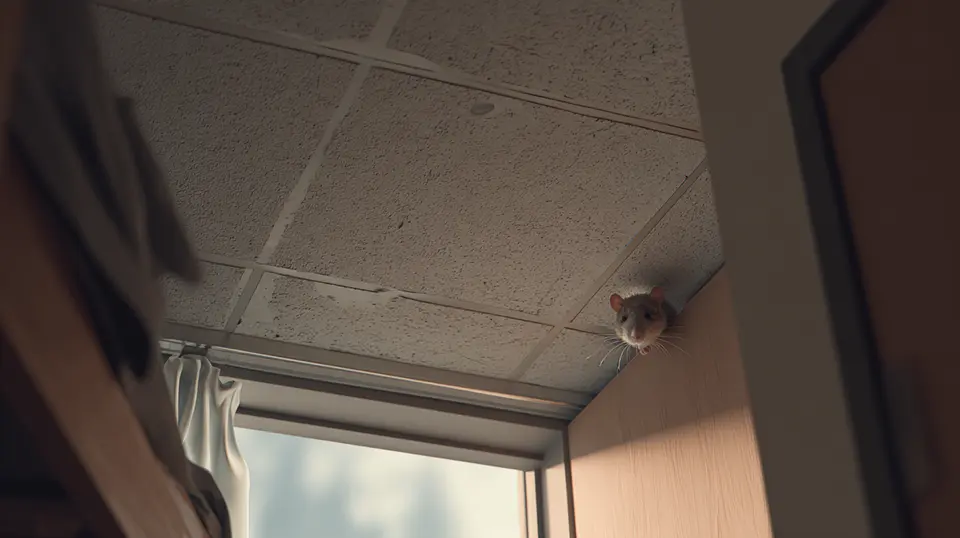
The problem extended beyond mould. When clearing the yard, Dara’s housemate uncovered dead rats. Soon after, rats infiltrated the floorboards. When they died, maggots emerged—so many that they fell from light fittings into the kitchen. “Absolutely disgusting,” Dara said. Though eventually addressed by the landlord, the incident left a deep impression.
Shannon, 21, a Queen’s graduate, faced mould so severe that it caused embarrassment, paranoia, and chest discomfort. She worried about the fungus creeping under her bed. “I could really feel it in my chest,” she explained, pointing to the anxiety of sleeping beside a health hazard.
These are not isolated anecdotes. A 2024 NUS-USI survey of 633 students revealed that:
- 92% had experienced housing issues.
- 59% reported mould.
- 19% reported pest infestations.
What should be exceptional horror stories are, in fact, disturbingly normalised.

Source: Wikimedia Commons, CC BY-SA 3.0
The Normalisation of Neglect
Ben Friel, president of NUS-USI, argues that unsafe housing has become “sadly normalised” for students in Northern Ireland. Despite housing being the single biggest expense, the accommodation often “is not safe” and “may impact students’ health long term.”
One of the challenges is a lack of awareness. Students often don’t know their rights or where to seek help. Landlords can rely on this gap, brushing over complaints with superficial fixes—painting over mould rather than addressing underlying damp, or dismissing concerns as minor inconveniences.
The result is a system where young people, already burdened by tuition fees and living costs, are forced to pay for substandard housing that jeopardises their health.
The Health Risks of Mould and Vermin
Public health experts have long warned of the dangers posed by mould and pest infestations.
- Mould: A microscopic fungus that flourishes in damp conditions. Aspergillus niger and other common household moulds can trigger respiratory infections, worsen asthma, and cause allergies. Symptoms include coughing, wheezing, and breathlessness.
- Rats and maggots: Dead rodents decomposing in floorboards can spread bacteria and attract insect infestations. The presence of maggots falling into kitchens is not just a nuisance but a direct contamination hazard.
For vulnerable students, especially those with asthma or weakened immune systems, exposure can have lasting health effects. The psychological toll is significant too—fear, embarrassment, and sleep disruption compound the physical risks.

Source: Wikimedia Commons, CC BY-SA 3.0
Policy Gaps: Why Northern Ireland Lags Behind
In England, landlords of social housing will soon be legally required to investigate and fix damp and mould issues within strict timescales. These reforms aim to prevent tragedies like the death of two-year-old Awaab Ishak in Rochdale, who died after prolonged exposure to mould in 2020.
But in Northern Ireland, housing policy is devolved, and such rules do not yet apply. This leaves a regulatory vacuum. Students face the same hazards, but without the same legal protections.
Friel calls for stronger enforcement of HMO (Houses in Multiple Occupation) legislation, which governs multi-tenant housing like student rentals. He also urges exploration of new housing models, such as cooperatives or purpose-built student housing, to reduce reliance on poorly managed private rentals.

Source: Wikimedia Commons, CC BY-SA 4.0
The Role of Councils and Mediation
Tony Carmichael, advice manager at Ulster University’s Student Union, observes that many students simply don’t know where to turn when facing housing issues. He emphasizes that councils often provide the most effective intervention. Environmental health departments can inspect properties, order landlords to make repairs, and provide mediation services.
Belfast City Council confirmed its process: tenants should report issues to landlords first, but if unresolved, councils can investigate mould, pest infestations, or structural problems. Mediation is available for disputes between tenants and landlords.
Still, students often lack the time, knowledge, or confidence to pursue these channels. When juggling coursework, jobs, and financial stress, many simply endure the conditions.

Source: Wikimedia Commons, CC BY-SA 3.0
Beyond Complaints: The Structural Issues
The crisis reflects deeper structural issues in the student housing market. Rising demand for accommodation in Belfast and other university towns has driven students into older, poorly maintained properties. Landlords, motivated by profit and shielded by weak enforcement, often neglect long-term upkeep.
The economic imbalance is stark: students pay high rents, yet lack bargaining power. Housing rights are complicated, legal processes are slow, and many fear retaliation if they complain too loudly. The result is a cycle where neglect continues unchecked.
The Emotional Impact: More Than Just Discomfort
Housing is not just about shelter—it is the foundation of wellbeing. For students, a safe home is essential for studying, sleeping, and socializing. When mould creeps across walls or maggots fall from ceilings, the home becomes a source of stress rather than refuge.
Psychologists warn that such conditions can contribute to anxiety, depression, and academic decline. Students may avoid inviting friends over, isolating themselves further. In Shannon’s case, embarrassment and paranoia about mould made her hyper-aware of her environment, eroding her peace of mind.
What Needs to Change
Experts and advocates converge on several solutions:
- Legal reform: Extend England’s new mould regulations to Northern Ireland, ensuring landlords are held accountable.
- Enforcement: Strengthen inspections and penalties for landlords who neglect repairs.
- Education: Provide clearer guidance to students about their rights and the resources available.
- Alternative housing: Explore student cooperatives, public-private partnerships, and purpose-built accommodation to reduce dependence on neglectful landlords.
- Health prioritisation: Recognize mould and pests as public health issues, not mere inconveniences.
A Call to Action
The stories of Dara, Shannon, and countless others shine a light on a crisis too often hidden behind closed doors. Student housing in Northern Ireland is not merely uncomfortable—it is unsafe. Mould, rats, and maggots are not the background inconveniences of student life; they are symptoms of systemic neglect.
As universities prepare young people for future careers, society must ensure they are not forced to endure environments that endanger their health. Safe housing is not a luxury—it is a basic right. Until legislation, enforcement, and education catch up, students will continue paying the price.
The challenge is clear: transform “sadly normalised” conditions into unacceptable ones. Only then can student housing truly support the lives and futures of the young people who inhabit it.
References
Mayo Clinic. Sinusitis: Symptoms and Causes.
Mayo Clinic. Asthma: Symptoms and Causes.
According to BBC
Key Takeaways
- Student housing in Northern regions frequently fails to meet basic habitability standards, with mold, damp, vermin, and structural defects creating a normalised crisis of inadequate housing for university students.
- The power imbalance between student renters and private landlords—combined with students’ lack of experience navigating housing rights—creates conditions where mold problems persist unreported or unresolved for entire academic terms.
- Mold exposure during the student years (ages 18–25) coincides with a period of immune system maturation and potentially high allergen sensitisation risk, with long-term respiratory health implications.
- UK national surveys consistently find that student housing has higher rates of mold and damp than comparable non-student private rented housing, reflecting both older housing stock and lower maintenance investment in student accommodation.
- University pastoral support and student union housing advice services play a critical role in educating students about their housing rights and supporting them through complaints processes with landlords and local authorities.
Frequently Asked Questions
How bad is the mold problem in student housing?
The mold problem in student housing is documented as substantially worse than in comparable non-student private rented housing, reflecting structural factors specific to the student rental market. UK survey data: surveys by the National Union of Students (NUS) and housing charities have consistently found that 40–70% of students in private rented accommodation report problems with damp or mold; these rates are significantly higher than the approximately 10–20% of private renters nationally who report similar problems. Factors making student housing worse: age and condition of housing stock—areas with large student populations often have older terrace housing converted to HMOs (Houses in Multiple Occupation) with minimal maintenance investment; higher occupancy density—multiple students in a house generates more moisture from cooking, bathing, and breathing; landlord investment incentives—in constrained student housing markets, landlords can achieve full occupancy without investing in maintenance; student turnover—annual tenant changes reduce the pressure for long-term maintenance; reduced reporting—students are often reluctant to report problems for fear of deposit disputes, eviction, or damaging references for future rentals. Northern England and Scotland face additional challenges from colder climates that exacerbate condensation problems in poorly insulated older housing.
What rights do student renters have regarding mold?
Student renters in the UK have the same housing rights as all private tenants regarding mold and damp—though many students are not aware of these rights or are reluctant to exercise them. Legal framework: the Homes (Fitness for Human Habitation) Act 2018 explicitly includes damp and mold growth in the list of conditions that can make a rented property unfit for human habitation; landlords are legally obligated to ensure fitness for habitation at the start of and throughout the tenancy. The Housing Health and Safety Rating System (HHSRS) under the Housing Act 2004 gives local authority environmental health departments the power to inspect rental properties and issue enforcement notices requiring landlords to address Category 1 hazards including severe mold. Practical rights: right to report problems without fear of retaliatory eviction (though this protection can be difficult to enforce in practice); right to request local authority inspection if landlord does not respond to written complaints; right to pursue claims in civil court for compensation for harm caused by landlord failure to maintain habitable conditions. Student union housing advice services: most UK universities have student union housing services and/or welfare advice teams that provide free legal information, template complaint letters, support through disputes, and advocacy with landlords and local authorities—these services are often underused by students.
How does living in moldy student accommodation affect health?
Living in mold-affected student accommodation exposes students to the same respiratory and general health risks documented for mold-affected housing in the general population, but with some age-specific considerations. Respiratory effects: mold exposure is a significant trigger for asthma and allergic rhinitis—conditions that affect approximately 15–20% of the young adult population; students with pre-existing asthma or hay fever are at particular risk of exacerbations in mold-affected housing. First sensitisation risk: the student years (18–25) represent a period when some individuals acquire new allergic sensitisations if repeatedly exposed to high allergen loads; developing mold sensitisation during this period can create long-term allergic disease that persists throughout adult life. Academic performance: respiratory and allergic illness affects sleep quality, concentration, and academic attendance; several UK university health studies have documented associations between substandard housing and lower academic performance. Mental health: as discussed in relation to elderly populations, mold-affected housing is associated with depression and anxiety through both psychosocial and biological mechanisms; the added stress of financial constraints, unfamiliar complaints processes, and landlord conflicts amplifies mental health impact in the student population. Physical health: skin conditions (eczema, dermatitis) can be triggered or worsened by mold exposure; general immune function may be affected by chronic mold-associated inflammation.
What should students do if their accommodation has mold?
Students discovering mold in their accommodation should take a systematic approach that documents the problem, notifies the landlord formally, and escalates appropriately if the landlord does not respond. Immediate steps: photograph all mold growth with clear images showing extent, location, and date stamps; record the date you first discovered the problem; do not attempt to paint over or conceal mold without documenting it first. Formal notification: write to the landlord (or letting agency) by email or recorded letter—this creates a documented paper trail; describe the problem specifically (location, extent, any health symptoms you believe are related); request repair within a reasonable timeframe (typically 14 days for urgent repairs). Escalation options if landlord does not respond: report to local authority environmental health department—you can do this by contacting the council’s housing or environmental health team; they have legal powers to inspect and issue enforcement notices; contact your university student union housing advice service for support and guidance. Protecting your deposit: document the mold problem thoroughly when it is discovered; this is important because landlords sometimes attempt to charge tenants for mold remediation at the end of tenancy even when the mold is caused by structural problems that are the landlord’s responsibility; thorough documentation at the time of discovery protects against this. Rent withholding: rent withholding (stopping payment) is a legally risky strategy without legal advice; instead, rent can be placed in a dedicated account while seeking legal advice about whether the habitability breach justifies this approach.
Are universities doing enough to improve student housing standards?
Universities have varying degrees of direct control over and responsibility for student housing, and their response to student housing quality issues is correspondingly variable. University-managed accommodation: student residences directly owned and managed by universities (halls of residence) are generally held to higher standards and maintained more systematically than private rented housing; they are subject to fire safety regulations, building maintenance requirements, and reputational pressure to maintain quality. Private accommodation: universities have limited direct authority over private landlords in their area; most universities maintain lists of ‘accredited’ or ‘approved’ private landlords who have agreed to meet certain standards as a condition of referral—though enforcement mechanisms vary. University roles that can make a difference: accreditation schemes with meaningful standards and enforcement; dedicated housing advice services within student union or welfare departments; proactive relationship with local authority housing teams; advocacy for housing quality through council planning and housing strategy processes; and incorporating housing quality into student satisfaction metrics that affect university rankings. The broader policy context: UK government consultations on private renting (including the Renters Reform Bill) aim to improve standards across all private rented housing, which would benefit student renters as part of the broader private rented sector; mandatory licensing of Houses in Multiple Occupation already applies to many student houses and requires certain minimum standards; the adequacy of these standards and their enforcement in student areas is an ongoing advocacy issue for student unions.