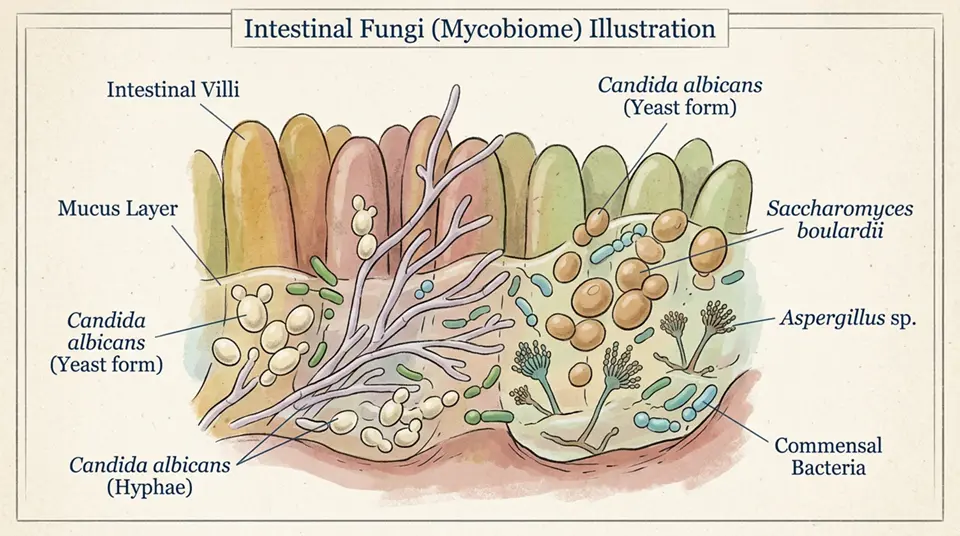
According to UGA TODAY
Rethinking Hand Hygiene: From Alcohol to Nitric Oxide
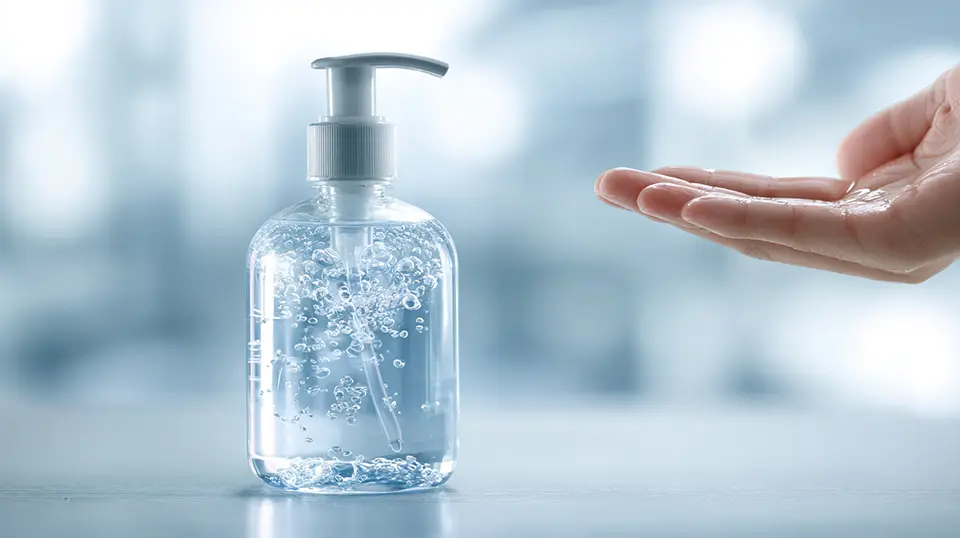
For decades, alcohol-based sanitizers have been a cornerstone of public cleanliness—effective, fast, but fleeting in their protection. Now, University of Georgia researchers have unveiled NORel, a novel gel infused with nitric oxide that not only eliminates over 97% of bacteria and fungi—including tough, antibiotic-resistant strains—but also continues to protect the skin for up to two hours after application.
This emergence challenges long-held assumptions about hand hygiene and offers a promising path forward, especially for environments where infection prevention is critical and frequent reapplication is impractical.
The Science Behind NORel’s Extended Protection
Lead author Elizabeth Brisbois, Associate Professor at UGA’s College of Engineering, explains the key innovation: while alcohol rapidly evaporates from the skin—taking its microbe-killing power with it—nitric oxide persists. This provides sustained antimicrobial defense following a single application.
Fortified with moisturizing and antimicrobial ingredients like ethanol, tea tree oil, and glycerin, the gel balances hygiene and skin health.

Source: Wikimedia Commons, CC BY-SA 3.0
A Clear Advantage Over Traditional Sanitizers
Lab tests show NORel performs on par with commercial alcohol-based gels containing 62% ethyl alcohol. But its real strength lies in duration—most alcohol sanitizers lose effectiveness within 30 to 60 minutes, while NORel remains active for nearly two hours.
Such an extended window of protection could have major implications. In busy healthcare settings, where nosocomial infections are a constant risk, NORel’s lesser need for frequent reapplication could reduce cross-contamination risks.
Promise for High-Risk Settings
The researchers emphasize NORel’s potential in hospitals, long-term care facilities, and clinics—environments where preventing hospital-acquired infections is vital.
Moreover, its gentle formulation addresses a frequent downside of alcohol gels: dryness and skin irritation, which can worsen with repetitive use.
Built on Years of Nitric Oxide Research
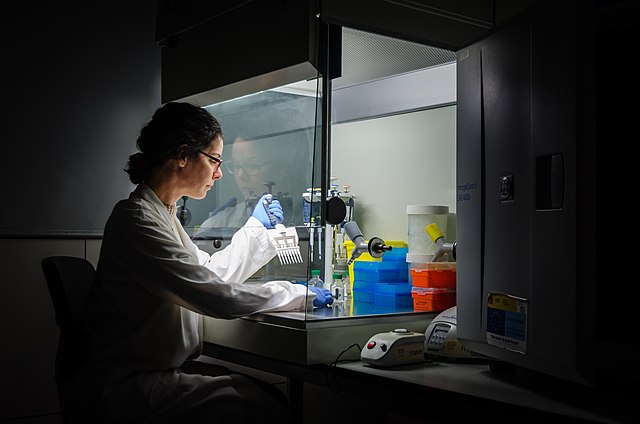
UGA’s team did not arrive at NORel by chance. Their prior work on nitric oxide in wound healing and acne treatment paved the way.
This interdisciplinary innovation underscores the value of leveraging cumulative research insights into practical applications—turning scientific knowledge into tangible public health tools.
Source: Wikimedia Commons, CC BY-SA 4.0
What Lies Ahead: Broader Testing and Formulation Improvements
NORel’s next evaluation steps include testing against viral pathogens—such as SARS-CoV-2—and additional fungi beyond those in the initial study. Researchers are also working to improve the gel’s shelf life and stability at room temperature, essential for global deployment.

Source: Wikimedia Commons, CC BY-SA 4.0
The study appears in Biomaterials Science and received funding from the National Heart, Lung, and Blood Institute (NHLBI) at NIH.
A Fresh Approach to Hygiene in a Post-Pandemic World
The COVID-19 pandemic dramatically elevated awareness of hand hygiene. But it also revealed limitations of existing solutions—primarily those using alcohol which burn, dry, and evaporate quickly.
NORel offers a smoother, longer-lasting alternative. If it proves equally effective against viral threats and practical to manufacture, it could redefine norms around sanitizing.
Broader Implications: From Laboratories to the Front Line
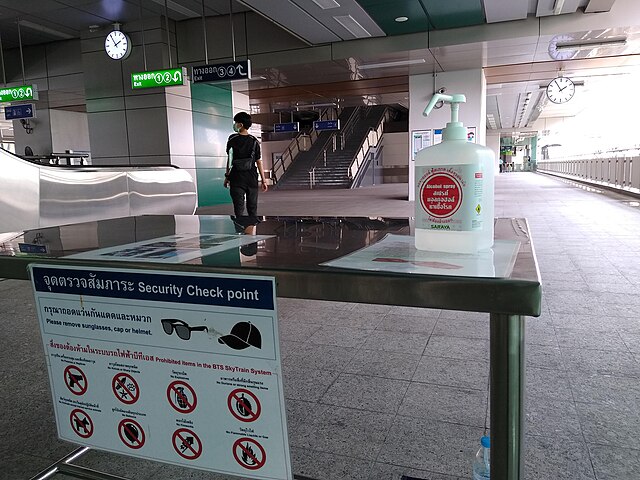
In schools, public transit, retail settings, and beyond—anywhere communal surfaces are frequently touched—this extended protection may significantly reduce pathogen spread.
Source: Wikimedia Commons, CC BY-SA 4.0
Balancing Innovation and Access
With compelling performance comes responsibility. To translate NORel from lab to market and ensure equitable access, researchers must navigate FDA regulatory approvals, manufacturing scale-up, and cost management.
While initial costs may be higher than conventional gels, the long-term benefits—fewer infections, reduced medical costs, and increased compliance—could justify the investment.
Looking Ahead: A Sanitizer for the Future
NORel doesn’t just make it optional—it makes protecting hands smarter, more durable, and more skin-friendly.
In a world still shaping its post-pandemic defenses, NORel stands as a bold step toward reimagining hygiene—a future where protection endures long beyond the gel’s initial application.
References
WHO – Infection prevention and control
According to UGA TODAY
Key Takeaways
- Norel, an antifungal hand sanitiser developed through research at the University of Georgia (UGA), represents a novel approach to skin surface antifungal protection with longer-lasting activity than conventional alcohol-based sanitisers.
- Conventional hand sanitisers containing 60–70% isopropyl or ethyl alcohol are effective against bacteria and some viruses but have limited and transient antifungal activity—the alcohol evaporates quickly, leaving no residual protection.
- Fungal contamination of hands is an underappreciated vector for nosocomial (hospital-acquired) fungal infections, particularly in settings where immunocompromised patients are cared for.
- A hand sanitiser with durable antifungal activity could provide sustained protection in clinical settings between hand washing events, potentially reducing healthcare-associated fungal transmission.
- The development and validation of antifungal hand hygiene products faces specific regulatory requirements for both safety (skin biocompatibility) and efficacy (against relevant fungal pathogens) before clinical adoption.
Frequently Asked Questions
What is special about UGA’s Norel antifungal hand sanitiser?
Norel refers to research from the University of Georgia developing hand hygiene formulations with prolonged antifungal activity—addressing a gap in conventional hand hygiene products that lacks persistent antifungal protection. The conventional sanitiser problem: standard alcohol-based hand sanitisers achieve rapid (15–30 second) antimicrobial effect while the alcohol is in contact with skin, but the alcohol evaporates completely within seconds of application; after evaporation, there is no residual antimicrobial protection on the skin surface. The Norel approach: research groups have developed formulations combining active antifungal compounds with carrier systems (polymer coatings, lipid-based carriers, or film-forming agents) that bind the antifungal agent to skin surfaces and maintain sustained release over periods of hours; the formulation creates a persistent antifungal skin surface coating rather than a transient application. The active compounds investigated include novel antifungal molecules or repurposed compounds with known antifungal activity. The clinical rationale: healthcare workers’ hands are a documented vector for transmission of Candida species between patients in healthcare settings; C. auris in particular can survive on skin for extended periods; a hand sanitiser with hours-long persistent antifungal activity could provide protection between handwashing events, particularly relevant in high-patient-contact clinical environments.
Can fungal infections spread through hand contact?
Yes—fungal pathogens, particularly Candida species, are documented to spread through contaminated hands and surfaces in healthcare settings, and this pathway is a significant contributor to healthcare-associated infections. The healthcare transmission evidence: multiple outbreak investigations of Candida auris have identified healthcare worker hands as a transmission vector, with C. auris detected on the hands of healthcare workers caring for colonised patients and subsequently found on the skin and catheters of newly colonised patients. Candida species more broadly are among the most common causes of healthcare-associated bloodstream infections; environmental contamination studies consistently find Candida on healthcare surfaces, patient equipment, and healthcare workers’ hands. Skin colonisation duration: C. auris survives on human skin significantly longer than other Candida species—studies have documented survival for hours to days on skin surfaces, making hand hygiene timing and frequency critical. The Candida aureus problem: standard alcohol hand sanitisers are effective against C. auris but require adequate application volume, contact time, and skin coverage; compliance with proper hand hygiene technique in clinical settings is persistently below recommended levels, meaning gaps in conventional hand hygiene create transmission opportunities.
Why don’t standard hand sanitisers protect against fungal infections?
Standard alcohol-based hand sanitisers do kill fungal cells on skin surfaces—the mechanism of alcohol membrane disruption is effective against fungi, not just bacteria. The limitations are about residual protection and application compliance rather than lack of intrinsic antifungal activity. Mechanism limitations of alcohol: ethanol and isopropanol at 60–80% concentrations kill exposed fungal cells within 15–30 seconds of contact; however, after the alcohol evaporates (within 30–60 seconds of application), there is no persistent antifungal effect—the skin surface can be recontaminated immediately after the sanitiser has dried. Re-contamination risk: healthcare workers touch multiple patients, surfaces, and equipment between hand hygiene events; after appropriate hand sanitiser use, the next contaminated surface touch can transfer viable fungal cells to the clean hands within seconds. Application compliance: proper hand sanitiser technique (covering all surfaces, adequate quantity—at least 3ml per application—adequate rubbing duration) is frequently not followed; incompletely applied sanitiser leaves areas of skin with reduced or no antifungal exposure. Special cases: fungal spores (particularly highly resistant Aspergillus conidia and certain Candida spores) may require higher alcohol concentrations or longer contact times for reliable inactivation than standard sanitiser use provides.
How important is hand hygiene for preventing fungal infections in hospitals?
Hand hygiene is identified as the single most important intervention for preventing healthcare-associated infection, and this applies to fungal infections in addition to the more commonly discussed bacterial infections. Evidence base: the WHO ‘Five Moments for Hand Hygiene’ framework is based on extensive evidence that hand hygiene at specified times (before patient contact, before aseptic procedures, after body fluid exposure, after patient contact, after contact with patient surroundings) dramatically reduces healthcare-associated infection rates. C. auris-specific evidence: CDC guidance on C. auris infection control specifically emphasises enhanced hand hygiene as a primary control measure; outbreaks of C. auris have been linked to inadequate hand hygiene compliance, and improvements in hand hygiene compliance have been associated with outbreak termination. Implementation challenge: average hand hygiene compliance rates in clinical settings have been measured at 40–80% in multiple observational studies; improvement programmes (electronic monitoring, video surveillance, peer observation) can improve compliance but typically not to 100%. The gap: even with good hand hygiene compliance, the time between handwashing events (which may be minutes in busy clinical environments) creates windows of potential transmission; persistent antifungal protection products like Norel target this gap.
What other antifungal infection control measures exist in hospitals?
Hospital infection control programmes implement multiple complementary measures for preventing fungal infections, with hand hygiene as the foundation. Environmental decontamination: C. auris’s environmental persistence makes room decontamination crucial; HEPA vacuuming and cleaning with EPA-registered disinfectants (quaternary ammonium compounds, chlorine-based disinfectants, UV-C disinfection devices) are used in C. auris-affected rooms. Terminal cleaning protocols: enhanced cleaning protocols between patient occupancies in rooms housing C. auris-positive patients. Medical device management: central venous catheters and urinary catheters are primary portals for Candida bloodstream infections; protocols that minimise unnecessary catheter use and promptly remove catheters when no longer needed reduce candidaemia risk. Patient screening and cohorting: active surveillance cultures for C. auris in patients admitted from high-risk settings (long-term care facilities, hospitals in C. auris-endemic regions) enable early identification of colonised patients; colonised patients are cohorted (housed together or in single rooms) to prevent spread to non-colonised patients. Personal protective equipment: gown and glove use when caring for C. auris-positive patients adds a barrier that reduces skin contact transmission. Antifungal stewardship: appropriate use of antifungal prophylaxis in highest-risk patients (bone marrow transplant, haematological malignancy) reduces invasive fungal infection incidence; stewardship programmes ensure this use is targeted rather than broad-spectrum.