According to CBC
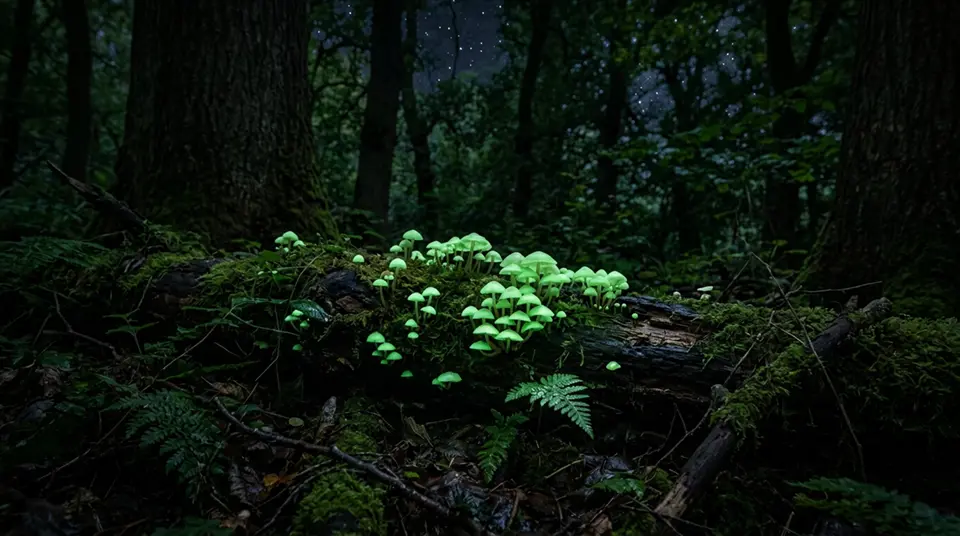
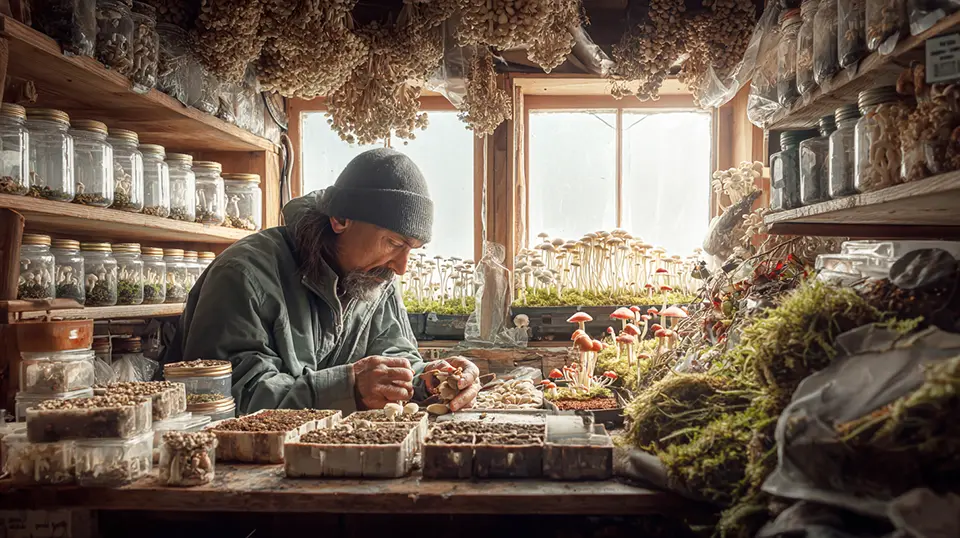
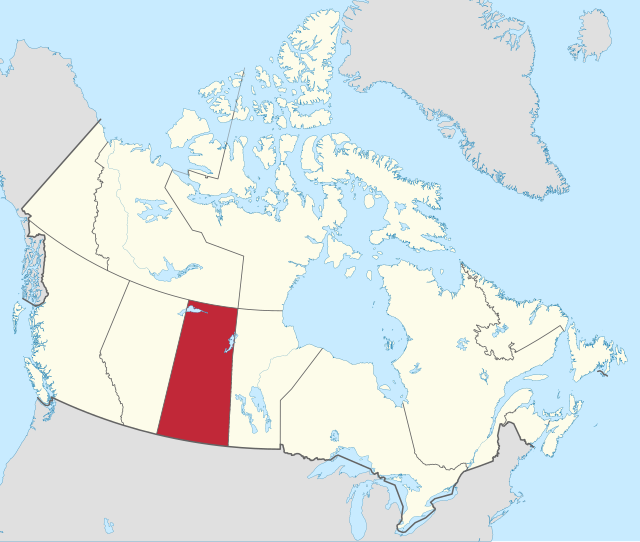
In the golden hours after his shift ends at the auto shop, Christian Douan trades his mechanic gloves for a small shovel and a forager’s eye. The 28-year-old quietly combs through forest edges and grassy stretches around Saskatchewan, eyes trained not on machines, but on mushrooms — delicate, powerful, and, to him, endlessly fascinating.
Source: Wikimedia Commons, CC BY-SA 4.0
“I’m just completely hooked,” Douan says, smiling. “They’re not only beautiful — they’re useful. They’re food, they’re medicine, and in a way, they’re a little bit magic.”
By day, he tunes engines. By night, he tunes into the rhythms of nature, cultivating gourmet mushroom varieties at home and selling his yields, along with DIY grow kits, at local farmers’ markets through his business Saskuatch Farms. The name might raise eyebrows, but his mission is serious: to turn his side hustle into a full-time life rooted in fungi.
A Blooming Passion
Douan is hardly alone in his mycophilic devotion. Saskatchewan’s interest in mushrooms has mushroomed — pun intended — into a full-blown movement. The Saskatchewan Mushroom Picking Facebook group, founded by mushroom expert Donovan Theisson, has grown to nearly 11,000 members. Originally intended as a space for appreciation, it has evolved into a community-driven network of knowledge-sharing, curiosity, and sometimes even spirited debate.

Source: Wikimedia Commons, CC BY-SA 3.0
“I think they’re beautiful,” Theisson says simply, describing mushrooms with the same reverence one might reserve for wildflowers or works of art.
He’s not alone in this sentiment. Nicole Sanderson, a longtime group member, recalls how her own fascination started with a serendipitous find: a cluster of oyster mushrooms.
“They were meaty, savoury — like something between chicken and something else I couldn’t describe,” she recalls. “It wasn’t like eating a vegetable. It was like nature just gave you this perfect bite of something rich and grounding.”
Mushrooms as More Than Food
Beyond their culinary potential, mushrooms are being celebrated for their health benefits. Douan points out that many of his customers aren’t just foodies or foragers — they’re health-conscious individuals seeking natural ways to boost their well-being.
“There’s good research out there,” he says. “Some of these mushrooms — lion’s mane, reishi, chaga — they have compounds that support the brain, the immune system, inflammation. People are waking up to it.”
Source: Wikimedia Commons, CC BY-SA 3.0
He’s not wrong. Studies have found that Hericium erinaceus (lion’s mane) may promote nerve regeneration, while Ganoderma lucidum (reishi) is often studied for its immune-modulating effects. Inonotus obliquus, better known as chaga, is a powerful antioxidant, though its use must come with care — both ecologically and culturally.
Sanderson is quick to point this out. While she shares the excitement of finding wild chaga growing on birch trees, she also urges foragers to pause.
“If you harvest it wrong, you can actually harm or kill the tree,” she warns. “It’s not just about taking — it’s about learning how to live with the ecosystem.”
She adds another layer: chaga is a sacred medicine to many Indigenous peoples. “It’s always exciting to find it in the wild, but we have to remember we’re not the only ones who value it. Some people use this for ceremony, for healing. We have to respect that.”
Backyard Bounty
What surprises many newcomers to the mushroom world is just how close to home these treasures can be. While some species require deep woods or old growth forests, others — like Marasmius oreades (fairy ring mushrooms) and Coprinus comatus (shaggy mane) — pop up in lawns, back alleys, and playgrounds.

Source: Wikimedia Commons, CC BY-SA 4.0
Come fall, Theisson says, cities across Saskatchewan will see shaggy manes “blanketing” the ground, tall and ghostly white, like delicate sentinels of a changing season.
But with abundance comes responsibility. For all their joy, mushroom experts are quick to caution: identification is not optional. Mistaking an edible mushroom for a toxic mushroom can be deadly.
“This isn’t something you guess,” Sanderson says. “It’s something you learn — slowly, carefully, with respect.”
It’s why the online group has become such a vital resource. Members frequently post photos for identification help, and conversations often shift from excitement to education.
A Fungus Among Science
Mushrooms may be ancient, but in Saskatchewan, their scientific story is still unfolding.
Theisson is currently involved with Sask Mycology, a science-based group working on a DNA sequencing project to catalog local species.
“The thing is, we don’t actually have a complete species list for mushrooms in this province,” he says. “So we’re collecting samples, sending them out, getting the DNA read. It’s fascinating — and overdue.”

Source: Wikimedia Commons, CC BY 4.0
The project isn’t just for fun. Understanding what fungi grow where, and in what conditions, could have implications for biodiversity conservation, sustainable harvesting, and even medicine.
Mushrooms as Metaphor
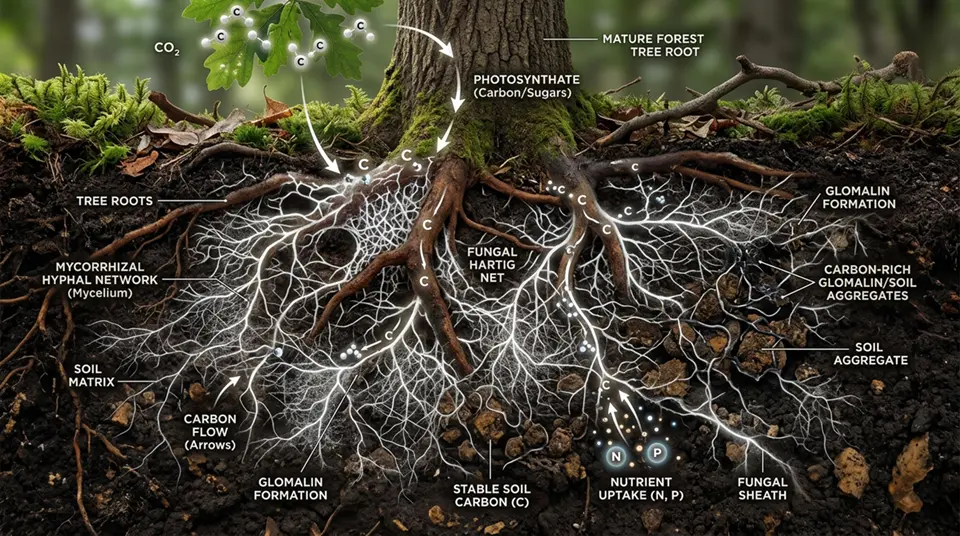
It’s hard not to see a larger metaphor in the movement: something humble, hidden, and often misunderstood is suddenly drawing new light. Fungi grow underground, thrive in decay, connect entire ecosystems in silent, invisible ways.
So too does this community. It’s not loud or flashy. It doesn’t seek fame. But quietly — through shared meals, farmers’ market booths, and gentle lessons in the wild — it’s building something meaningful.
Perhaps, in a world often obsessed with speed and spectacle, mushrooms offer an invitation to slow down, observe, and appreciate what’s beneath the surface.
Final Thoughts
Christian Douan still sees himself as a mechanic. But in truth, he’s also something else — a teacher, a grower, a bridge between what we overlook and what might just heal us.
“It’s not always easy,” he says. “But when someone tells me they grew their first mushroom or cooked something they’ve never tried before — that makes it worth it.”
As Saskatchewan’s forests ready themselves for fall, a quiet army of mushroom lovers will head out — baskets in hand, questions in mind, hearts open to wonder.
And in the rustle of leaves, under the birch and the grass, a bloom of miracles will return once again.
References
CBD – Convention on Biological Diversity
According to CBC
Key Takeaways
- Saskatchewan’s mushroom cultivation community is growing rapidly, driven by interest in both culinary varieties and the broader mycology movement around foraging, citizen science, and ecological reconnection.
- Mushroom cultivation at home or small scale is one of the most accessible entries into practical mycology—requiring minimal equipment and space while yielding edible results within weeks.
- The prairie province’s foraging community is documenting Saskatchewan’s diverse native fungi, including species endemic to boreal forest, prairie grassland, and aspen parkland ecosystems.
- Commercial mushroom farming in Saskatchewan is expanding to meet growing restaurant and consumer demand for locally grown specialty varieties including oyster, shiitake, lion’s mane, and king trumpet mushrooms.
- The mushroom cultivation movement encompasses not just food production but also interest in mycelium as material, fungi as ecosystem services, and the cultural dimensions of traditional Indigenous knowledge of prairie fungi.
Frequently Asked Questions
What mushrooms grow naturally in Saskatchewan?
Saskatchewan’s diverse ecosystems—boreal forest in the north, aspen parkland in the centre, and mixed prairie grassland in the south—support a correspondingly diverse native mycota. Boreal forest species: Suillus species (slippery jacks) in pine and spruce forests; Cantharellus (chanterelles) in mixed boreal; Armillaria (honey mushrooms) on decaying wood; diverse Russula and Lactarius species; boletes in both mycorrhizal and saprotrophic forms; morels (Morchella species) in spring, particularly following forest fires. Aspen parkland species: oyster mushrooms (Pleurotus ostreatus) on aspen logs; giant puffballs (Calvatia gigantea) in parkland edges; chicken of the woods (Laetiporus species); lion’s mane (Hericium species) on declining aspen. Prairie grassland species: prairie agaricus species; puffballs of multiple sizes; waxcaps (Hygrocybe species) in undisturbed native prairie. Late season: shaggy mane (Coprinus comatus) is one of the most widely recognised and collected prairie species; prince (Agaricus augustus); inky caps. Caution species: Saskatchewan also hosts poisonous species including Amanita muscaria (fly agaric), Galerina marginata (deadly small brown mushrooms on wood), and potentially Amanita virosa—foragers must be confident in identification before consumption.
How do Saskatchewan mushroom enthusiasts connect with each other?
Saskatchewan’s mycology community has developed several formal and informal structures for connecting enthusiasts across the geographically spread province. Myco-Saskatchewan Society: the provincial mycological society, one of the oldest in Canada, organises forays, identification walks, educational workshops, and an annual fungal fair; maintains a reference collection of Saskatchewan fungi and connects members with expert identification resources. Online communities: Facebook groups for Saskatchewan foragers and mushroom cultivators connect a much larger community than formal society membership; photo-based identification requests in these groups provide rapid access to expert identification opinions and build community knowledge. iNaturalist: many Saskatchewan mycologists contribute observations to iNaturalist, building an open-access biodiversity database of Saskatchewan fungi that contributes to scientific understanding of provincial fungal distribution. Informal networks: mushroom cultivation suppliers, farmers markets, and specialty food retailers serve as informal hubs where enthusiasts connect and exchange knowledge. University of Saskatchewan: the Dept. of Biology has mycology research capacity that periodically connects academic and community mycology.
Can I grow mushrooms at home in Saskatchewan’s climate?
Home mushroom cultivation in Saskatchewan is straightforward for most commonly grown species and is largely independent of outdoor climate since it takes place indoors under controlled conditions. Species well-suited to home cultivation in Saskatchewan: oyster mushrooms (Pleurotus ostreatus, P. pulmonarius): the easiest entry point; colonises straw, cardboard, or supplemented hardwood sawdust within 2–3 weeks at room temperature; fruits at 12–18°C with high humidity; produces substantial yields from readily available substrate materials. Lion’s mane (Hericium erinaceus): grows on hardwood sawdust blocks; slightly more demanding humidity management; very high culinary and nutraceutical interest. Shiitake (Lentinula edodes): requires a long colonisation period (3–6 months) on hardwood logs or blocks; yields reliably over multiple years from outdoor log cultures in Saskatchewan summers or indoor blocks year-round. King oyster or trumpet royale (Pleurotus eryngii): cold-tolerant species that can be grown in cool spaces including Saskatchewan garages in winter. Saskatchewan-specific advantages: relatively cold, dry winters reduce the risk of contamination during cultivation; the province produces significant quantities of straw and grain residues suitable as mushroom substrate; local interest in local food production drives a supportive community network.
What is the commercial opportunity for mushroom farming in Saskatchewan?
Commercial specialty mushroom production in Saskatchewan faces both a growing demand opportunity and specific regional production challenges that differentiate it from mushroom farming in more densely populated or warmer regions. Market opportunity: consumer demand for fresh specialty mushrooms (oyster, shiitake, lion’s mane, maitake, king trumpet) in Saskatchewan cities (Saskatoon, Regina) has grown substantially with the farm-to-table restaurant movement, natural food retail expansion, and general consumer health interest. Currently, most specialty mushrooms in Saskatchewan retail come from Ontario or British Columbia producers; local production offers freshness advantages and growing local food preference. Production advantages in Saskatchewan: abundant, low-cost straw and grain dust substrates from the large agricultural sector; low ambient pathogen pressure (cold winters kill many contaminants); affordable rural land and buildings for production facilities; relatively affordable electricity (though this is changing). Production challenges: shipping distance to larger markets; limited local skilled labour with mushroom cultivation expertise; heating costs in winter; limited local equipment suppliers. Business models: most successful Saskatchewan mushroom farms operate as direct-market businesses (farmers market sales, restaurant supply, CSA subscriptions) rather than wholesale commodity supply.
Are there toxic mushrooms to watch out for in Saskatchewan?
Saskatchewan has several toxic and potentially deadly mushroom species that foragers must learn to distinguish from edible species. Most dangerous species: death cap (Amanita phalloides) and destroying angel (Amanita virosa/bisporigera): not confirmed from Saskatchewan’s prairie regions but occurs in some Amanita-containing northern areas; contains amatoxins that cause delayed (6–24 hour) onset liver and kidney failure; lethal in small quantities; responsible for most mushroom fatalities worldwide. Autumn skullcap (Galerina marginata): small brown mushroom growing on decaying wood; contains the same amatoxins as death cap; very commonly confused by inexperienced foragers with edible species growing in similar habitat (oyster mushrooms, honey mushrooms). False morel (Gyromitra esculenta): sometimes confused with true morels; contains gyromitrin, which metabolises to the toxic monomethylhydrazine; potentially fatal in large doses or to sensitive individuals. Prairie false chanterelle: various Omphalotus and lookalike species. Inocybe and Clitocybe species: contain muscarine; cause rapid onset (15–30 minute) cholinergic symptoms. Golden rule of foraging safety: do not consume any mushroom unless you are 100% certain of species identification based on all macroscopic features (cap, gill/pore, stem, base, odour, habitat) or confirmation by an experienced, qualified identifier; photographs alone are insufficient for safe identification of questionable specimens.