According to PR NEWSWIRE
Introduction: A Hidden Health Crisis Comes Into Focus
In homes, schools, and workplaces across the United States, a silent health crisis is taking root—one not caused by viruses or poor diets, but by the air people breathe and the walls around them. Mold exposure, particularly from water-damaged buildings, has been linked to chronic illnesses, fatigue, inflammation, and a host of unexplained symptoms. Yet most of the medical system remains unequipped to recognize, diagnose, or treat it effectively.
That’s where MoldCo comes in.
The Boston-based digital health startup announced on September 18, 2025, that it has raised $8 million in seed funding to revolutionize mold care in America. With this latest round, co-led by Cantos and Collaborative Fund, MoldCo’s total backing rises to $11 million.

Source: Wikimedia Commons, CC BY-SA 3.0
Their goal? To make mold detox as routine as dental cleanings or physical exams—by bringing specialist-led, evidence-based care directly to people’s homes through a scalable virtual clinic.
Why Mold Illness Is Still Widely Overlooked
Despite affecting an estimated 50% of U.S. homes (NIEHS), mold exposure remains one of the most underdiagnosed environmental health issues in the country. Most primary care physicians do not screen for mold-related illness, and public awareness is low. This knowledge gap results in delays in diagnosis, misdiagnoses, and costly medical bills for patients who often cycle through multiple specialists before understanding the root cause of their suffering.
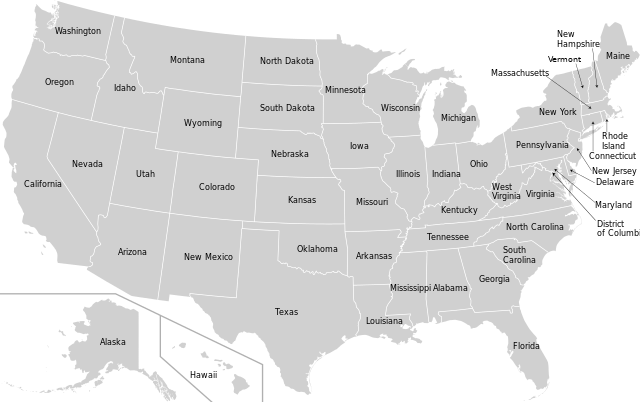
Source: Wikimedia Commons, CC0 — Overlay: Generated by AI based on CDC data
Conditions linked to mold exposure include:
- Chronic Inflammatory Response Syndrome (CIRS)
- Asthma and chronic respiratory issues
- Fatigue, anxiety, and brain fog
- Neurological inflammation
Many of these symptoms mimic other illnesses—fibromyalgia, Lyme disease, chronic fatigue syndrome—leading to years of confusion and ineffective treatments.
From Crisis to Care: What MoldCo Offers
MoldCo is the first clinician-led telehealth platform to focus solely on mold detox as a preventative and curative care pathway. By combining digital infrastructure with environmental health expertise, the company is tackling the issue from both medical and operational standpoints.
Key Offerings Include:
- On-Demand Expert Care
Direct access to board-certified specialists in mold toxicity, regardless of location.
No long wait times or travel needed. - Advanced Biomarker Lab Testing
Specialized testing kits starting at $99, shipped to patients’ homes.
Includes personalized analysis and educational resources. - Evidence-Based Treatment Protocols
Includes prescription-strength binders, peptides, and compounded therapies.
Developed from over 30 years of peer-reviewed research, including work by leading biotoxin expert Dr. Ritchie Shoemaker. - 24/7 Care Navigation
Patients are paired with dedicated care navigators.
Navigation includes guidance through lab testing, treatment progress, and lifestyle adjustments.
Treatment plans cost between $150–$300/month, a fraction of traditional alternatives that can exceed $10,000 in fragmented care.

Intel Free Press story: Virtual Medicine Extends Care Anywhere. Telemedicine carts help deliver care to patients in rural and remote locations across Mexico.
Source: Wikimedia Commons, CC BY-SA 4.0
A Personal Mission Becomes a National Platform
MoldCo CEO Ariana Thacker knows firsthand the frustration of navigating the conventional medical system with an invisible illness.
“My own journey through the confusing and often dismissive landscape of conventional medicine while battling mold illness was frustrating and isolating,” she said.
She founded MoldCo out of that experience, determined to close the knowledge and access gap in environmental health. The company is rooted in clinical science but built for patient empowerment—something often missing in mainstream approaches.
Investor Support and Vision
Investors are rallying behind MoldCo not just for its market opportunity, but for the systemic change it represents.
Amee Kapadia, Partner at Cantos, noted:
Andrew Montgomery, Partner at Collaborative Fund, added:
“MoldCo directly addresses the critical nexus of our living environments and our long-term health. Their telehealth-first approach is precisely what’s needed to democratize access to specialized care.”
Understanding the Science Behind Mold Illness
The medical foundation behind MoldCo’s model rests on decades of environmental and immunological research. Molds like Stachybotrys chartarum release mycotoxins—harmful compounds that can trigger intense immune system reactions. In genetically susceptible individuals, these toxins do not clear from the body easily, resulting in chronic inflammation, fatigue, and system-wide dysfunction.
CIRS, or Chronic Inflammatory Response Syndrome, has gained growing recognition among specialists and researchers as a legitimate, diagnosable condition rooted in exposure to biotoxins, particularly from mold.
MoldCo uses Shoemaker Protocols, validated through peer-reviewed studies, which involve:
- Testing for visual contrast sensitivity (VCS)
- Analyzing levels of inflammatory markers
- Administering binding agents to flush out retained toxins
- Repairing immune, hormonal, and neurological damage over time

Source: Wikimedia Commons, CC BY-SA 4.0
What Sets MoldCo Apart
- Scalability: With a digital-first approach, MoldCo can serve both rural and urban communities—anywhere in the U.S.
- Affordability: Their services cost significantly less than existing holistic or integrative clinics.
- Accessibility: No need for multiple referrals or physical visits. Everything from testing to treatment is delivered at home.
- Clinical Integrity: Unlike online “wellness hacks,” MoldCo is clinician-led and adheres to published scientific standards.
The Bigger Picture: Environmental Justice and Preventative Health
Mold exposure disproportionately affects low-income households, communities of color, and residents in aging or poorly maintained housing. The mold toxicity crisis is therefore not just medical—it is also social and structural.
By offering affordable, virtual care, MoldCo contributes to health equity, providing vulnerable populations access to specialized services that would otherwise be unattainable.
Moreover, MoldCo’s vision goes beyond treatment: it is advocating for mold detox to become part of routine preventative care, just like dental cleanings, flu shots, or cholesterol checks.
What’s Next for MoldCo
Looking ahead, MoldCo plans to:
- Expand its clinical team across the U.S.
- Scale onboarding operations to reach nationwide coverage by 2026
- Develop proprietary care technology to optimize digital treatment delivery
- Build partnerships for clinical research and physician training
- Launch public awareness campaigns around environmental health and mold risks
Currently, MoldCo provides care in states like Florida, Massachusetts, Michigan, Ohio, and Texas, with testing available in 46 states. Full U.S. coverage is expected by the end of next year.
Conclusion: A New Standard in Environmental Health
MoldCo’s emergence signals a growing recognition that where we live deeply impacts how we feel—and that health care must evolve to address the environmental root causes of chronic illness.
By combining cutting-edge science with user-centered technology, MoldCo is not only filling a medical void, but redefining the role of preventative care in the modern age.
With millions suffering in silence from unexplained symptoms and toxic exposure, the company’s mission is both urgent and transformative: to turn a misunderstood health threat into a manageable, treatable condition—and eventually, a preventable one.
References
According to PR NEWSWIRE
Key Takeaways
- MoldCo and similar companies are building the case for mold testing and remediation as a preventative healthcare intervention—reframing what has been a reactive property maintenance service as proactive health management.
- Consumer demand for mold testing has grown significantly as awareness of the health effects of indoor mold exposure increases—particularly following high-profile water damage events and media coverage.
- The integration of mold health services into preventative healthcare frameworks faces regulatory challenges: mold remediation is not currently reimbursed by health insurance in most jurisdictions despite evidence of health benefits.
- Rapid, affordable home mold test kits—including DNA-based lateral flow tests for specific mold species—are disrupting the traditional model of professional-only mold assessment.
- The mold testing and remediation industry is moving toward standardised protocols and certification requirements as it seeks legitimacy within healthcare and insurance frameworks.
Frequently Asked Questions
What is MoldCo and what is it trying to do?
MoldCo represents a category of companies seeking to position mold assessment and remediation services within a preventative healthcare framework rather than the traditional reactive property maintenance context. The business concept: instead of responding to discovered mold problems, preventative mold service companies offer periodic mold testing and air quality assessment as routine health maintenance—analogous to annual health check-ups or dental cleanings. The pitch to consumers: early detection of mold problems before they become symptomatic or structurally serious reduces both health impacts and remediation costs; regular monitoring provides ongoing assurance of a healthy home environment. The pitch to the healthcare system: mold-related illness costs—asthma exacerbations, respiratory hospitalisations, allergy treatment—could be reduced through upstream environmental intervention; this creates an economic rationale for health insurers or employers to fund preventative mold assessment. Business model innovation: companies in this space typically offer subscription-based monitoring packages (including air quality sensors, periodic professional inspections, and testing) rather than one-time remediation contracts.
Is mold testing worth the money?
The value of mold testing depends critically on the clinical question being asked and whether the testing will inform a decision that changes outcomes. When mold testing is clearly worth it: investigating the source of health symptoms that correlate with building occupancy when no visible mold is present—testing can identify hidden mold sources and guide remediation. Post-remediation verification—testing before and after remediation to confirm that mold levels have returned to acceptable background levels. Pre-purchase property assessment—professional mold inspection as part of home purchase due diligence identifies problems before they become the buyer’s financial responsibility. When mold testing may not add value: visible mold is present and the source and extent are clear—in this case, the money is better spent on remediation than confirming what is already visible. When there is no intention to act on the test result—testing that identifies a problem the occupant cannot or will not address serves no practical purpose. Caution: some mold testing companies use fear-based marketing to sell unnecessary tests or inflate remediation recommendations; independent testing by a certified industrial hygienist unaffiliated with a remediation company is more objective than testing by companies with a financial interest in recommending remediation.
Can mold remediation be considered a medical treatment?
The framing of mold remediation as medical treatment is conceptually sound from a public health perspective but faces significant structural and regulatory barriers in healthcare systems. The public health logic: there is substantial evidence that addressing mold and dampness in housing improves health outcomes—reduced asthma hospitalisations, improved respiratory function, improved mental health. In this respect, mold remediation functions similarly to other environmental interventions (lead paint removal, radon mitigation) that healthcare systems and public health frameworks recognise as health interventions. Regulatory and insurance barriers: in most jurisdictions, mold remediation is classified as a property maintenance or construction service rather than a healthcare service; health insurance does not cover remediation even when it is clearly medically indicated; the absence of reimbursement creates a fundamental misalignment between where health benefits occur (in the patient) and where remediation costs are borne (by the property owner or tenant). Emerging models: some asthma management programmes (including HUD Healthy Homes grants, Section 1115 Medicaid waiver experiments in some US states) fund home environmental interventions including mold remediation as covered medical benefits; these programmes demonstrate the economic logic of the approach and may expand. UK social prescribing: the UK NHS is increasingly incorporating referrals to housing services (including mold assessment) as part of healthcare pathways for respiratory disease patients.
What do home mold test kits actually measure?
Consumer home mold test kits vary significantly in their testing approach, what they measure, and how the results should be interpreted—and many have significant limitations that consumers are not always made aware of. Air sampling kits: typically a petri dish containing growth medium (agar) that is exposed to room air for a defined period (usually 5 minutes to 1 hour), then incubated for a specified number of days; colonies that grow are counted and can be sent to a laboratory for species identification. Limitation: only culturable fungi are detected; the incubation conditions favour some species over others; results are highly variable between samples taken in the same room at different times; provides only a snapshot. Surface sampling kits: adhesive tape or swabs for collecting material from surfaces; sent to a laboratory for microscopy or culture. These detect mold on sampled surfaces but don’t indicate whether concentrations are health-relevant. Lateral flow assays: newer consumer tests using immunochromatographic strips that detect specific mold antigens; rapid (15–20 minutes); species-specific; do not require laboratory analysis. qPCR-based DNA kits: DNA-based species identification from air or surface samples; more sensitive and specific than culture but require laboratory analysis. Interpretation challenge: for all approaches, interpreting what the result means for health risk requires baseline comparisons, professional judgment, and understanding of the building context—this is not easily delivered by a consumer kit.
How do I choose a reputable mold remediation company?
The mold remediation industry includes both reputable contractors and operators who use fear-based marketing and inadequate remediation practices. Key criteria for selecting a reputable company: certification—look for remediators certified by IICRC (Institute of Inspection, Cleaning and Restoration Certification) as Water Damage Restoration Technicians (WRT) or Applied Microbial Remediation Technicians (AMRT); ACAC (American Council for Accredited Certification) certification in Indoor Environmental Consulting is relevant for assessment. Separation of assessment and remediation—for objectivity, it is preferable to have mold testing and assessment performed by a company or consultant with no financial interest in remediation; assessment-remediation companies have an inherent conflict of interest. Scope and protocol documentation—reputable remediators provide detailed written scope of work based on a pre-remediation assessment, specifying exactly what will be remediated, how (containment, negative pressure, personal protective equipment, disposal methods), and post-remediation verification testing. Avoiding red flags: companies that provide remediation estimates without inspection; companies that cannot show certification or training credentials; claims of proprietary chemicals with extraordinary effectiveness; estimates that are dramatically lower or higher than competitors without explanation; pressure tactics or unnecessary urgency. Cost: professional mold remediation for a typical residential scope (bathroom, basement area) typically ranges from $1,500–$7,000+ depending on extent and materials involved.