According to KIDSNEWS
It’s the kind of accessory that’s gone from gym bag staple to fashion statement
The reusable water bottle. With vibrant designs, sleek materials, and the eco-friendly appeal of cutting back on single-use plastics, these bottles have found their way into schoolbags, office desks, and nearly every lifestyle influencer’s daily rotation.
But behind the bright colours and stainless steel sheen, health experts are sounding a quiet but urgent alarm: your water bottle might be hiding something much less Instagrammable — mould.
That musty smell coming from the lid or straw? It could be a sign that fungi, along with bacteria, have made your hydration habit their new home.

Source: Wikimedia Commons, CC BY-SA 3.0
The Problem No One Sees — Until They Smell It
A recent Australian report highlights the growing awareness around reusable water bottles becoming breeding grounds for mould and bacteria, particularly when not cleaned properly or regularly. For kids, who often sip throughout the school day and may not always remember to wash their bottles daily, the risk becomes even more pronounced.
The problem is simple but sneaky: moisture, warmth, and time create the perfect conditions for microbial growth. Combine that with sugary drinks, milk residues, or saliva backflow, and it’s an open invitation for fungi to take hold.
Health authorities and educators are becoming increasingly concerned, not just due to the aesthetic or sensory unpleasantness, but because of real health implications.
Mould: More Than Just a Smell
While most parents may associate mould with food gone bad or an old shower curtain, experts warn that mould inside water bottles can pose respiratory and gastrointestinal risks — especially for children, those with weakened immune systems, or individuals with allergies.
According to microbiologists, the dark, damp corners of lids, silicone straws, or rubber seals in popular bottle designs offer perfect hiding places for spores. Once mould establishes itself, it can be difficult to remove completely without thorough scrubbing or sanitising.
Some of the common symptoms caused by mould exposure include:
In rarer cases, prolonged mould exposure has been linked to more serious respiratory illnesses — a stark contrast to the healthy image that water bottles often represent.

Source: Wikimedia Commons, CC BY-SA 3.0
What the Experts Say
In interviews with public health professionals and paediatricians, the consensus is clear: education and hygiene need to catch up with the popularity of reusable bottles.
Many children are not taught how — or how often — to clean their bottles properly. In some households, bottles are rinsed with water and refilled without proper drying, creating a loop of invisible microbial growth that only worsens over time.
“There’s this assumption that because it only holds water, it doesn’t get dirty,” said one Australian health educator. “But that’s simply not true — bacteria from the mouth, particles in the air, and even just moisture are enough to start microbial growth.”
The Science Behind the Slime
Microbiologically speaking, the culprits hiding in unwashed bottles can be diverse. Some of the most common mould species found in moist environments include:
- Aspergillus niger
- Cladosporium spp.
- Penicillium spp.
- Fusarium spp.
These fungi thrive in humid, oxygen-rich environments — and given the design of many modern water bottles, with their narrow mouths, straws, or hidden seals, it’s no surprise they find a safe haven there.
When combined with bacteria like Escherichia coli, Staphylococcus aureus, or Pseudomonas aeruginosa, the microbial ecosystem becomes not just unpleasant but potentially hazardous.
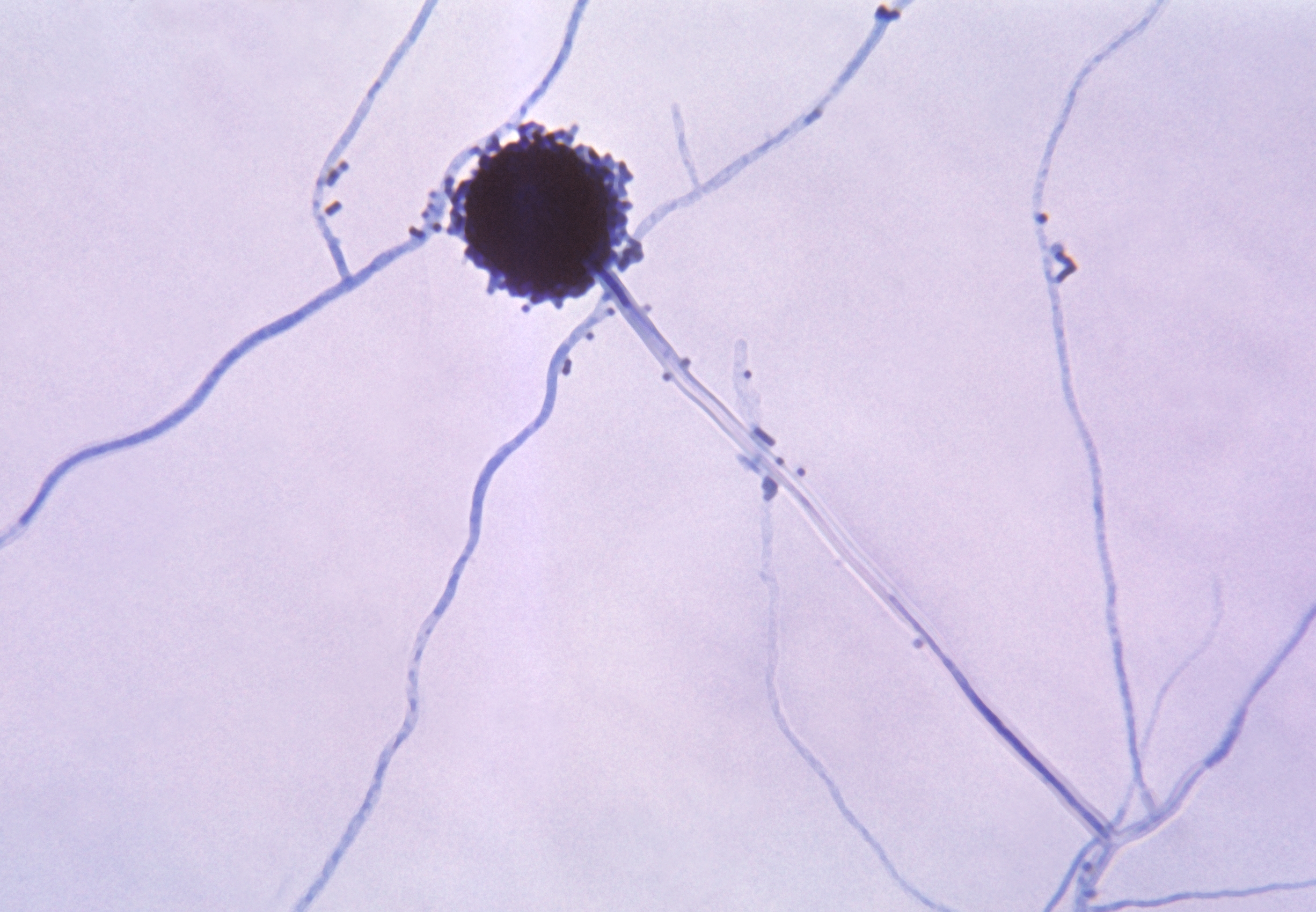
Source: Wikimedia Commons, CC BY-SA 3.0
The Kid Factor
Children are especially vulnerable, not just physiologically, but behaviourally. Most won’t think twice about dropping their bottle on the floor, storing it in a warm bag, or forgetting to wash it for days. Some even share bottles or refill them without rinsing.
In Australia, schools are increasingly addressing bottle hygiene in health and science classes. Some are encouraging clear or transparent bottles so mould can be spotted more easily. Others are recommending weekly deep cleans or even midweek replacements for high-use containers.
Parents, too, are being reminded that even “dishwasher-safe” bottles often have parts that need to be disassembled and scrubbed manually — especially the straws, lids, and rubber gaskets.

Source: Wikimedia Commons, CC BY-SA 4.0
Signs Your Bottle Might Be Harbouring Mould
- A musty or sour smell, even after rinsing
- Discolouration (black, green, or white spots) in seams or corners
- Slippery residue along the inside walls
- A child reporting stomach discomfort or refusing to drink from their bottle
Prevention: Simple Steps, Serious Impact
Experts recommend the following steps for maintaining a clean, safe water bottle:
- Daily Cleaning: Wash all parts with warm soapy water, including lids, straws, and seals.
- Dry Completely: Don’t just cap and store while wet — allow parts to dry thoroughly.
- Use a Bottle Brush: Scrub hard-to-reach areas, especially narrow necks and deep lids.
- Deep Clean Weekly: Soak in a vinegar solution or use baking soda and hot water to sanitise.
- Disassemble: Don’t assume the dishwasher gets every crevice. Take parts apart and inspect.
Reusable bottles should also be replaced periodically, especially if you notice lingering odours or stains that can’t be removed.
The Sustainable Solution Doesn’t Need to Be a Health Risk
Reusable water bottles were born out of a desire for sustainability, but they require sustained care. Parents, schools, and manufacturers share the responsibility of ensuring that these daily hydration tools are safe for children.
Some companies are now designing bottles with easier-to-clean features — wider openings, removable straws, or antimicrobial coatings. But no matter how advanced the design, proper cleaning remains the first line of defense.
A Teachable Moment
For families, the mould-in-the-bottle wake-up call can become a valuable opportunity to teach kids about basic hygiene, biology, and even environmental stewardship. When children learn why it’s important to clean something they use every day, it helps foster responsibility and awareness — two things that extend far beyond the lunchbox.
And for all of us, it’s a reminder: sustainability doesn’t just mean reusing. It also means caring, maintaining, and thinking ahead.
References
CDC. Bacteria and Water Hygiene.
WHO. Household air pollution and health.
Mayo Clinic. Asthma: Symptoms and Causes.
According to KIDSNEWS
Key Takeaways
- Reusable water bottles—particularly those with complex lid mechanisms, straws, and gaskets—are documented reservoirs of mold and bacteria that most users significantly underclean.
- Studies have found total bacterial counts exceeding 300,000 CFU/cm² on reusable water bottle mouthpieces, with mold detected in bottles from users who reported regular washing.
- The most mold-prone components of water bottles are flexible silicone gaskets and seals, straw mechanisms, and threaded lid areas where residual liquid accumulates after emptying.
- Thorough cleaning of reusable bottles requires disassembly of all removable parts followed by washing (ideally in a dishwasher or with a dedicated bottle brush reaching all interior surfaces) and complete drying.
- Stainless steel bottles with simple lid designs are easier to clean thoroughly than bottles with complex straw systems or multiple gaskets, reducing ongoing mold maintenance requirements.
Frequently Asked Questions
How much mold and bacteria do reusable water bottles actually contain?
Several independent laboratory analyses of consumer-submitted reusable water bottles have revealed microbial contamination levels that surprise most users. A widely reported 2023 analysis tested the mouthpiece areas of reusable water bottles submitted by everyday users: the average total bacterial count was approximately 20 million CFU/cm² for squeeze-top bottles and over 900,000 CFU/cm² for straw-top bottles; some individual samples reached hundreds of millions of CFU/cm². For context, the FDA considers over 750 CFU/cm² an unacceptable level on food contact surfaces; kitchen sinks typically test at approximately 17,000 CFU/cm². Mold counts were lower but present in a significant proportion of bottles tested, with Cladosporium, Aspergillus, and Penicillium being the most commonly detected genera. Important context: the presence of high bacterial or mold counts does not automatically mean the user is being harmed—most organisms detected are environmental commensals; however, in immunocompromised individuals or when bottles are shared, the contamination risk is more clinically relevant.
Which parts of water bottles are most likely to grow mold?
Mold growth in reusable water bottles concentrates in locations where residual liquid and organic material accumulate with inadequate drying. The most consistently contaminated locations: silicone gaskets and seals—flexible silicone rings in lids create tight junctions with the bottle body; after closing a bottle with residual liquid, a small amount of liquid is trapped in the gasket interface, creating a persistently damp, dark enclosure ideal for mold; these gaskets are often not removable or are frequently forgotten in cleaning. Straw mechanisms: the interior of reusable straws is a sealed tubular environment with poor air circulation; residual liquid remains in the straw after use; mold colonises the straw interior surface. Threaded sections: the threads of screw-top lids trap small amounts of liquid in their grooves; with repeated cycling, biofilm develops in these trapped areas. The lid interior: most lid designs have interior cavities that accumulate liquid when the bottle is closed; these areas are not easily accessed by standard bottle brushes.
What is the best way to clean a reusable water bottle?
Effective reusable water bottle cleaning requires a systematic approach that addresses all components, not just the main body. Daily minimum: rinse all components (bottle body, lid, straw, gaskets) with hot water immediately after use while residue is still wet and easily removed; do not leave unrinsed bottles standing for hours or overnight. Thorough cleaning (daily for frequently used bottles, after every use for bottles containing anything other than water): completely disassemble all removable parts including gaskets, straws, straw mechanism components, and lid sub-components; wash all parts with warm soapy water using a bottle brush (long enough to reach all interior surfaces of the bottle body), a straw brush (purpose-made thin brushes), and a small detail brush for lid crevices; rinse thoroughly; air dry completely before reassembly (inverting the bottle body and spreading components on a drying rack ensures air circulation to all surfaces). Periodic deep cleaning (weekly): soak all components for 30 minutes in a solution of diluted white vinegar (1:5 ratio), hydrogen peroxide (3%), or diluted bleach (1 teaspoon per litre) to kill established mold and bacteria; rinse thoroughly before use.
Should I replace my reusable water bottle, and how often?
The replacement interval for reusable water bottles depends on the material, design, and maintenance history. Replacement indicators regardless of interval: any visible mold growth that cannot be removed by cleaning (particularly mold penetrating silicone gaskets or straw materials that cannot be fully cleaned); cracks, chips, or scratches in the bottle interior (stainless steel excepted) that harbour bacteria; significant discolouration or persistent odour after cleaning; damaged or deformed gaskets that no longer seal properly. Material-specific guidance: stainless steel insulated bottles—if well-maintained, can last many years; replace gaskets annually or sooner if they show wear; stainless steel body does not degrade or harbour mold in the metal itself. Plastic bottles (BPA-free)—scratches from internal brushing or dishwasher cycles increase surface area for bacterial attachment; replace when interior shows significant scratching or after 1–3 years of regular use. Bottles with complex straw mechanisms—the most difficult to clean thoroughly; if thorough cleaning reveals mold in inaccessible areas, replacement is the practical solution. A simple rule of thumb: if the bottle smells musty after thorough cleaning and drying, it has established mold growth that cleaning alone may not eliminate.
Are certain bottle designs inherently more hygienic?
Bottle design significantly affects the ease of achieving thorough cleaning, and therefore the practical hygiene outcome for typical user behaviour. Ranked by hygiene ease (easiest to hardest): simple screw-top stainless steel or glass bottles with removable lid—one lid component, one gasket, no internal cavities other than the bottle body; easiest to inspect, clean, and dry thoroughly. Flip-top or snap-top lids without straws—one-piece or two-piece lid with a single gasket; more complex than screw-tops but still relatively manageable. Wide-mouth bottles (all types)—wide opening allows bottle brush access to the entire interior and allows easier visual inspection for mold; narrow-mouth bottles are harder to brush and inspect. Bottles with integrated straws—straw tube is an added cleaning challenge; removable straws that can be cleaned with a straw brush are preferable to integrated non-removable straws. Complex multi-component lid mechanisms (multiple gaskets, internal straw ports, bite valves)—highest mold risk due to numerous difficult-to-clean interfaces; require most diligent maintenance to keep clean.