According to CLEVELAND.COM
I. The Silent Crisis in the Concrete Jungle
Cleveland, like many major cities, is engaged in a critical race to rebuild its urban tree canopy. This isn’t just a matter of aesthetics; it’s a fundamental issue of public health, climate resilience, and air quality. Planting trees is the easy part; ensuring they thrive is the complex challenge. Urban soils are often the polar opposite of their forest counterparts: compacted, nutrient-poor, devoid of organic matter, and, most crucially, lacking the intricate biological communities essential for tree survival. These are conditions that turn the hopeful act of planting into a slow, uphill struggle for the young saplings.
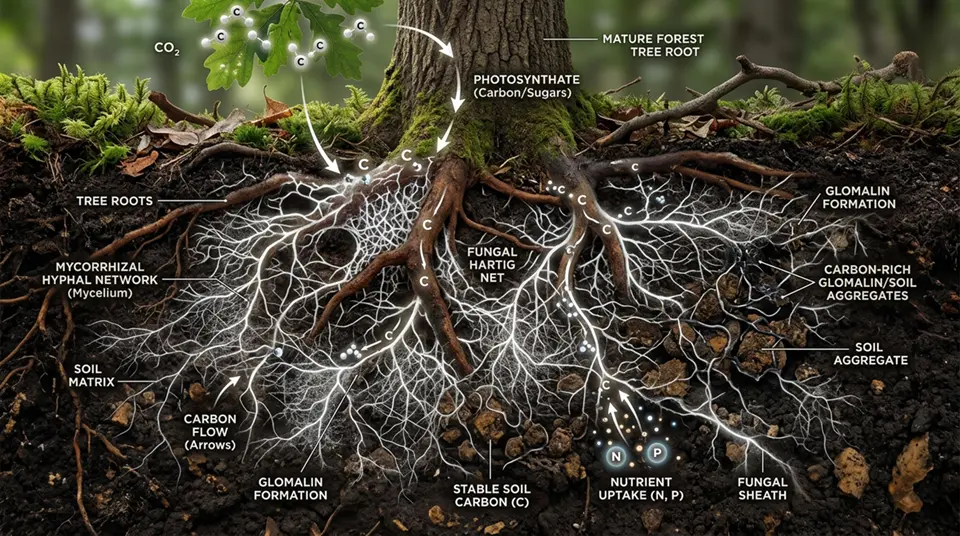
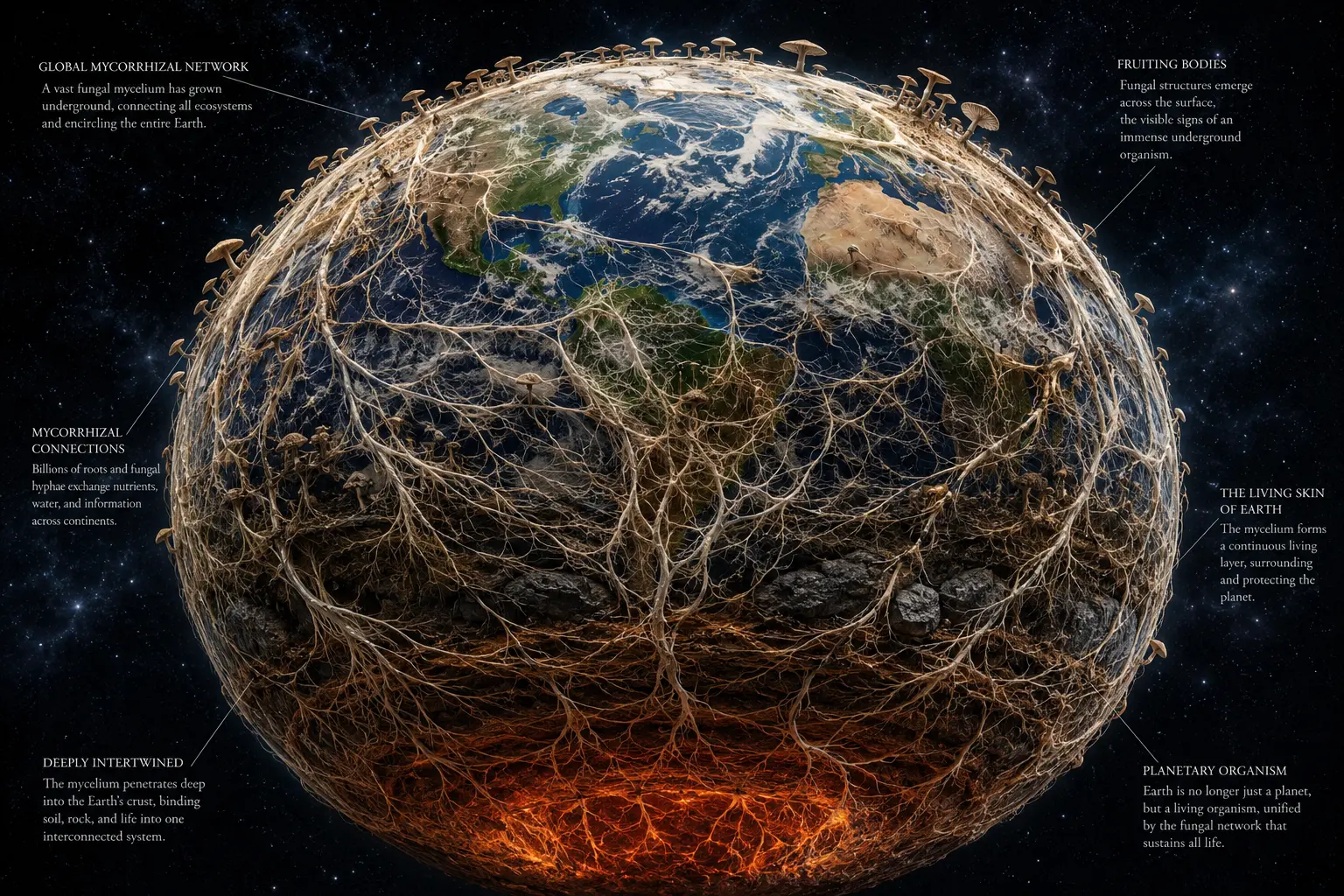
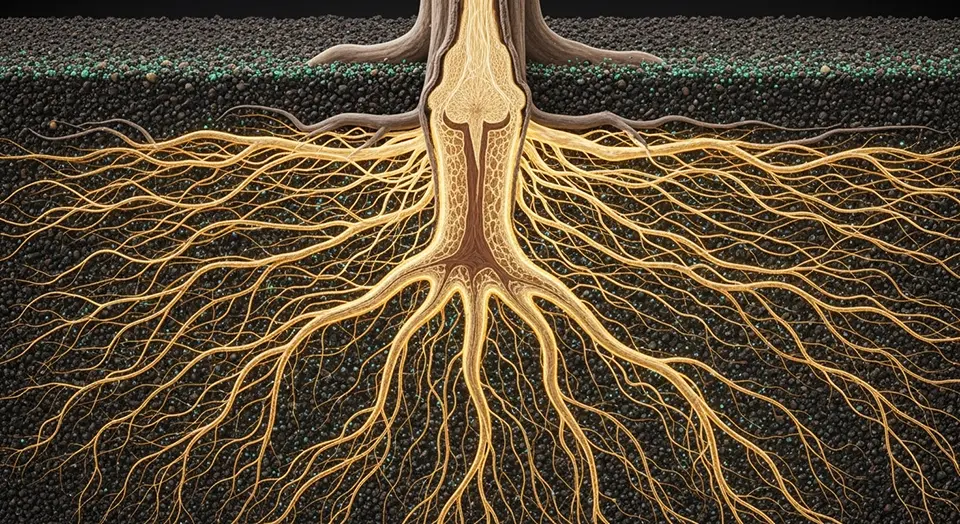
The traditional approach to urban forestry—simply putting a tree in the ground—overlooks a profound, almost mystical truth of nature: trees rarely grow alone. They are participants in vast, subterranean networks, sustained by a silent, invisible partner: mycorrhizal fungi. These fungi form a symbiotic relationship with tree roots, acting as an extended, super-efficient root system. They trade essential nutrients, like phosphorus and nitrogen, gathered from a much wider area of soil, for the sugars the tree produces through photosynthesis. In essence, the fungi are the tree’s vital supply line. When this network is missing, urban trees are left to fend for themselves, significantly increasing their vulnerability.

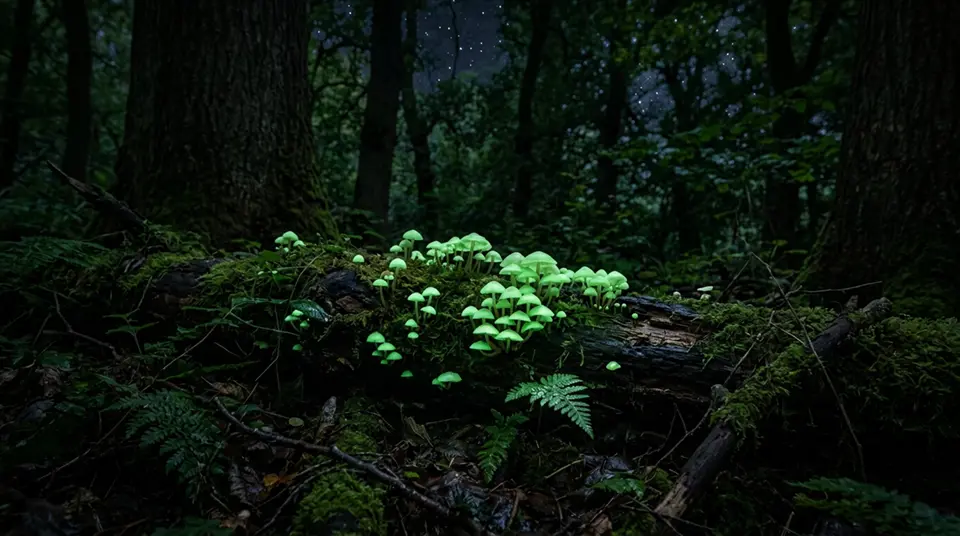
Source: Wikimedia Commons, CC BY-SA 3.0
II. A “Microbial Transplant”: The Holden Arboretum Experiment
Recognizing this fundamental biological deficit, researchers at the Holden Arboretum (part of Holden Forests & Gardens) have launched the Healthy Urban Tree Canopy Soil Inoculation Project, a genuinely fascinating experiment that tackles the problem at its microbial root. The core concept is strikingly simple and elegantly natural: take small samples of healthy, biologically rich soil—specifically from the intact natural forests of the Arboretum—and use this soil to inoculate newly planted urban trees.
This isn’t about adding fertilizer; it’s about introducing an entire, living ecosystem. The hope is to transplant the native, beneficial mycorrhizal fungi, essentially giving the young urban trees an instant introduction to the indispensable partners they need to survive and thrive. It’s like moving a fragile human population to a new, harsh land, but first giving them the blueprints and the key tools for self-sufficiency, ensuring they aren’t starting from absolute zero.

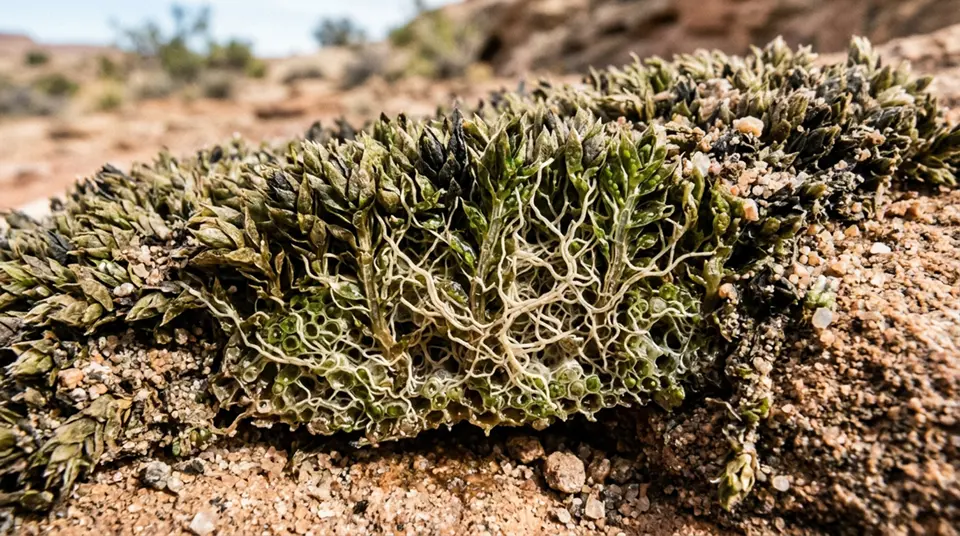
Source: Wikimedia Commons, CC BY-SA 4.0
The project is a large-scale, methodical endeavor, with researchers inoculating trees across various urban sites in partnership with local groups. They are monitoring these trees year after year, measuring growth, survival, and—most importantly—conducting rigorous soil testing to see if the fungal communities successfully establish themselves.
III. Early Signs of Success: Fungal Diversity and Data
The early results, while not yet conclusive on tree growth—a process that unfolds on a geological timescale—are already providing promising insights. The most immediate win has been in the mycological census itself. Researchers have found that the fungal communities on the roots of inoculated trees show a greater variation, or beta diversity, compared to the control group trees that received no inoculum. This increased diversity suggests the native fungi are indeed moving in and establishing themselves across the urban landscape, successfully competing with the opportunistic microbes often found in disturbed soils.

Source: Wikimedia Commons, CC BY-SA 3.0
One researcher’s earlier work provided the necessary proof of concept, demonstrating that this soil inoculation approach works not just to establish fungal communities, but to improve the tree’s ability to acquire nutrients from the soil. This initial success was the green light for the current, larger urban experiment.
However, the team maintains a necessary scientific sobriety. While the fungi are settling in, immediate differences in tree growth and survival between the inoculated and control groups have not yet been statistically significant in the first year or two. This is a crucial point of perspective: the slow, stately rhythm of a tree’s life demands patience. The benefits of a mature, robust fungal network are expected to intensify over time, delivering improved nutrient access, better disease resistance, and enhanced drought tolerance—advantages that will reveal themselves across a decade, not a season.

Source: Wikimedia Commons, CC BY-SA 4.0
IV. Beyond the Canopy: A Conservation Perspective
The project’s ambition extends beyond simply creating a healthier urban canopy; it embodies a quiet, crucial act of conservation. By successfully reestablishing beneficial soil fungi in urban areas, the researchers are also increasing the overall regional persistence of these fungal species, many of which are otherwise restricted to protected conservation areas like the Arboretum.
This approach acknowledges that biodiversity is not just a matter of visible plants and animals, but a tapestry of interconnected life, including the microscopic. It’s a reminder that a truly healthy environment is an integrated system. If the experiment proves scalable and repeatable, this technique could offer a powerful new tool for urban planners globally, fundamentally shifting the practice of tree planting from simple horticulture to sophisticated ecosystem restoration.

Source: Wikimedia Commons, CC BY-SA 4.0
In a world where environmental solutions are often massive and expensive, there is a profound elegance in this strategy. It’s an intellectual leap that returns to the oldest partnership in the forest, leveraging an invisible biological network to solve a modern, visible urban problem. The fate of Cleveland’s future trees may ultimately rest on the health of the unseen life beneath the pavement.
References
According to CLEVELAND.COM
Key Takeaways
- Urban forests are increasingly supported by fungal bioinoculants—introductions of specific mycorrhizal fungal species to tree planting sites—to improve establishment success in degraded urban soils.
- Research in Cleveland and other US cities has demonstrated that mycorrhizal-inoculated urban trees show significantly higher survival rates, faster growth, and better stress tolerance than non-inoculated control trees.
- Urban soil conditions typically suppress mycorrhizal fungal populations through compaction, chemical contamination, pH alteration, and the physical destruction of hyphal networks during construction.
- Forest fungi play a role beyond tree health in urban ecology, including soil carbon sequestration, improvement of soil structure and water infiltration, and supporting urban plant biodiversity.
- Cities are increasingly incorporating mycorrhizal science into urban forestry master plans, recognising that above-ground tree canopy health depends on invisible below-ground fungal partnerships.
Frequently Asked Questions
How are forest fungi helping Cleveland revitalize its urban trees?
Cleveland’s urban tree revitalization efforts involving forest fungi represent an application of mycorrhizal science to practical urban forestry challenges. Urban Cleveland, like many post-industrial US cities, has extensive areas of disturbed, compacted, contaminated, or structurally damaged soil where tree establishment is difficult and tree mortality is high. Research and practitioner collaborations have applied mycorrhizal inoculants—preparations of appropriate mycorrhizal fungal species—to tree roots at planting in these challenging urban sites. The principle is that by introducing the fungal partners that urban trees need but cannot find in degraded soils, the inoculated trees gain immediate access to mycorrhizal services (enhanced water and nutrient uptake, disease resistance) that support establishment and early growth. Studies tracking inoculated versus non-inoculated trees in comparable urban sites over multiple growing seasons provide evidence for improved establishment outcomes.
What makes urban soil so hostile to mycorrhizal fungi?
Urban soils present a constellation of challenges for mycorrhizal fungal communities that differ fundamentally from the forest soils where these fungi evolved. Soil compaction: construction machinery and foot traffic compact urban soils to bulk densities that restrict the hyphal growth of mycorrhizal fungi (which need pore space to extend hyphae) and reduce gas exchange (roots and fungi both require oxygen). Soil disturbance and homogenisation: construction projects typically remove topsoil (which contains spore banks and hyphal networks), replace it with fill material of different mineral composition, and homogenise what remains—destroying the complex structure that mycorrhizal networks require. Chemical contamination: urban soils commonly contain elevated concentrations of heavy metals (lead, zinc, copper, cadmium from historical industrial activity, vehicle emissions, and building materials), petroleum compounds, and road salts that are toxic to many mycorrhizal fungal species. Elevated phosphorus: urban soils often have elevated phosphorus from fertiliser applications and organic waste decomposition; high phosphorus suppresses the plant-fungal carbon allocation that drives mycorrhizal associations.
Which tree species are most likely to benefit from mycorrhizal inoculation in cities?
The benefit of mycorrhizal inoculation varies by tree species based on their mycorrhizal type and the likelihood that compatible fungal partners are present in target planting sites. Species forming ectomycorrhizal (ECM) associations—including oaks (Quercus), beeches (Fagus), birches (Betula), pines (Pinus), and firs (Abies)—are likely to benefit most from inoculation in urban soils because ECM fungi are diverse and specific (a given tree species associates with a particular community of ECM fungi that may be absent from disturbed urban soil). Species forming arbuscular mycorrhizal (AM) associations—including maples (Acer), lindens (Tilia), and most ornamental flowering trees—associate with AM fungi that are more cosmopolitan and typically present even in disturbed soils; inoculation benefit for AM species in urban settings is less consistent. Practical recommendations: for ECM species, using site-specific inoculants or inoculants verified to contain species known to associate with the target tree species significantly improves outcomes compared to generic commercial products.
Can urban mycorrhizal networks provide the same ecosystem services as forest networks?
Urban mycorrhizal networks, even when established, typically provide less comprehensive ecosystem services than their counterpart forest networks for several reasons. Network connectivity: street trees are typically planted at distances (5–10 m or more) that limit hyphal network connection between adjacent trees; forest trees at typical densities (hundreds per hectare) form much more extensive interconnected networks. Community complexity: urban trees typically associate with far fewer mycorrhizal species than forest trees (due to limited inoculant diversity in urban soils), meaning the functional redundancy and complementarity of diverse fungal communities is reduced. Soil health context: mycorrhizal services depend on the broader soil biological community (bacteria, microarthropods, earthworms) that is also reduced in urban soils—mycorrhizal fungi function best in their native ecological context. Despite these limitations, urban mycorrhizal associations do provide measurable ecosystem services: improved tree water stress tolerance during heat events (critical in warming cities), reduced dependence on synthetic fertiliser, improved soil aggregate stability reducing runoff, and carbon sequestration in tree biomass and soil organic matter.
What is the future of urban forestry incorporating mycorrhizal science?
Urban forestry practice is increasingly integrating mycorrhizal science into standard protocols, though implementation varies widely between cities and countries. Leading practice developments include: species-matched inoculation—pairing tree species with verified compatible fungal inoculants rather than generic products; soil microbiome restoration—approaches that go beyond mycorrhizal inoculation to restore broader soil biological communities (bacteria, fungi, micro-fauna) in urban planting sites before tree installation; urban soil management—minimising compaction (via aerated soils, structural soil cells, suspended pavement systems), maintaining organic matter, and reducing soil disturbance after planting to allow hyphal network development; mycorrhizal monitoring—using eDNA (environmental DNA) analysis of soil samples to verify inoculant establishment and track fungal community development over time; and urban mycorrhizal research networks—collaborative research between cities, universities, and NGOs to build the evidence base for urban mycorrhizal management across different climates and tree species compositions.