According to TOM’S GUIDE
Silent Threat Above Your Head
Air conditioning spells comfort, especially in sweltering months—but it may harbor a hidden danger: mold. According to home maintenance expert Jeff Berzolla, moist, dark, and dust-laden environments like AC units, vents, and ductwork create ideal conditions for mold and moss. Instead of cooling your home, your system might be circulating spores that affect health, particularly for children, the elderly, and individuals with asthma.

Source: Wikimedia Commons, CC BY-SA 4.0
Why AC Systems Breed Mold—and Why That’s Dangerous
Mold thrives where moisture meets organic debris. When warm, humid air passes over cold AC coils, condensation forms. This, combined with dust and pollen sucked into the system, forms a microbial petri dish. As the system circulates air, it distributes these spores into every room, potentially causing headaches, respiratory irritation, and allergic reactions—especially if contamination continues unnoticed.
Early Warnings That Often Go Unnoticed
Symptoms of mold exposure include coughing, skin rashes, headaches, and difficulty concentrating. As Berzolla notes, contamination often spreads silently, with symptoms only surfacing weeks later. By that point, significant spore loads have likely accumulated, making mitigation more challenging and health outcomes more serious.

Source: Wikimedia Commons, CC BY-SA 4.0
Smart Maintenance to Prevent AC Mold
Proactive AC upkeep can drastically reduce mold risk:
- Change filters every 30–60 days during peak usage to maintain airflow and reduce moisture buildup.
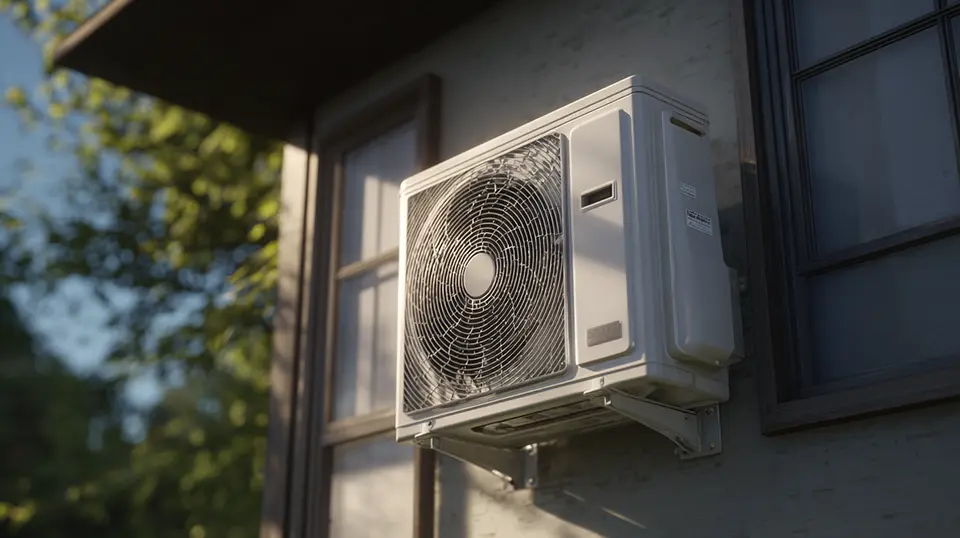
- Clean the outdoor unit, removing plant debris and trimming vegetation to prevent blockages.
- Check the condensate drain pan for standing water—a major red flag.
- Schedule professional duct cleanings every 3–5 years, or immediately when visible mold or foul odors are spotted.

Source: Wikimedia Commons, CC BY-SA 4.0
Key Inspection Points
Regular DIY checks are essential:
- Inspect the drain pan and coil area for visible green or fuzzy growth.
- Look around vents and duct access points—attics and basements—for discoloration or water damage.
Any such signs indicate it’s time for a professional to step in.
Vulnerable Populations Face Elevated Risks
Mold exposure can trigger or worsen asthma attacks, sinus inflammation, and allergic reactions. Children and seniors are especially at risk. Berzolla emphasizes that families may experience unexplained health problems for months before discovering contaminated HVAC systems are the root cause.
Why Mold-Laden AC Systems Cost More Than Health
Beyond illness, mold can impair HVAC efficiency, increase energy bills, and shorten system life. Neglected maintenance leads to clogged filters, inefficient cooling cycles, and component wear—ultimately demanding costly repairs or replacements.
Taking Immediate Action
To protect your home, ensure:
- Timely filter replacements.
- Outdoor unit clearance and cleaning.
- Condensate line maintenance.
- Rapid professional intervention if mold is suspected.
These steps enhance both indoor air quality and system performance.
Tech Upgrades and Long-Term Strategies
Upgrading to systems with UV filters, moisture sensors, or humidity regulation can help proactively prevent mold buildup. Installation of HEPA filters also boosts air quality for sensitive occupants.

Source: Wikimedia Commons, CC BY-SA 3.0
The Bottom Line: Prevention Pays Off
While AC systems deliver welcome relief, they can silently harm health if ignored. Regular maintenance, consistent monitoring for mold, and timely professional care are necessary to ensure your air conditioner cools safely. Preventing mold is not just about comfort—it’s about preserving health.
References
Mayo Clinic. Sinusitis: Symptoms and Causes.
Mayo Clinic. Asthma: Symptoms and Causes.
According to TOM’S GUIDE
Key Takeaways
- Air conditioning units—both window-mounted and split systems—can become mold incubators when not maintained, with evaporator coils, drain pans, and filters providing ideal mold growth conditions.
- When contaminated AC units run, they aerosolise mold spores and MVOCs throughout the cooled space with every cycle, potentially exposing occupants to elevated mold levels for weeks or months.
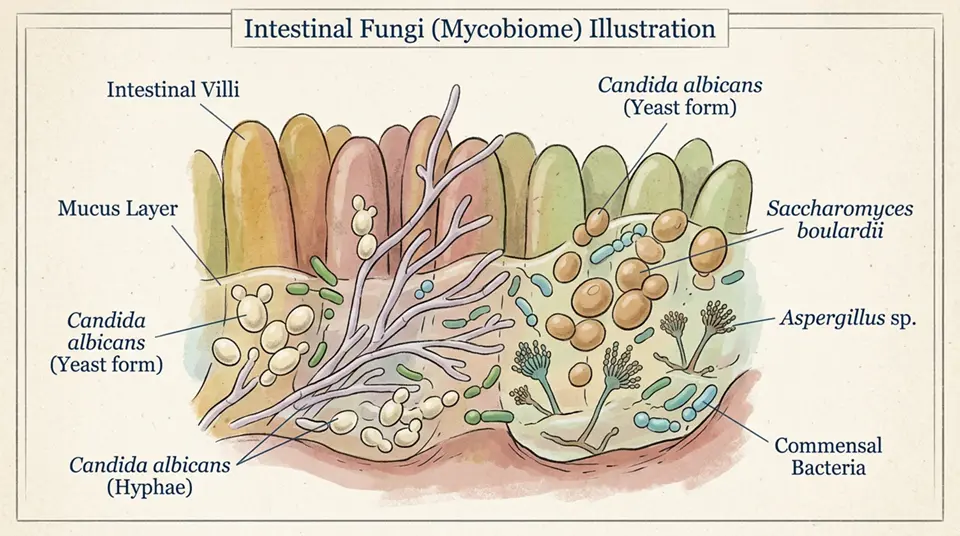
- Mold within AC units is most commonly caused by Aspergillus, Cladosporium, and Penicillium species—all known to cause allergic sensitisation and respiratory symptoms in susceptible individuals.
- Regular maintenance—including coil cleaning, filter replacement, and drain pan treatment—can prevent mold establishment and eliminate existing light contamination in AC units.
- In humid climates, running AC units on ‘dry mode’ (dehumidification without active cooling) can reduce indoor humidity to mold-inhibiting levels below 50% relative humidity.
Frequently Asked Questions
Why do air conditioners grow mold?
Air conditioners create ideal mold conditions through their normal operation. The evaporator coil (the component that cools the air) becomes very cold during AC operation; when warm, humid indoor air passes over the cold coil, water vapour condenses on the coil surface. This condensate collects in a drain pan beneath the coil and drains away through a drain line. The coil and drain pan remain wet throughout AC operation—and any organic material (dust, pollen, dander) that accumulates on the coil surface provides nutrient for mold. Mold doesn’t require warm temperatures to establish on a perpetually damp surface; Cladosporium, Penicillium, and Aspergillus species all grow well at the 12–18°C temperatures typical of AC coil surfaces during operation.
How do I know if my air conditioner has mold?
Signs of mold in an air conditioner include: musty odour when the unit starts or runs; visible dark spots or fuzzy growth on the front grill, filter, or inside the unit (visible through the air intake); worsening respiratory symptoms, sneezing, or eye irritation when the AC is running; and (for ducted systems) musty smell from specific vents. Inspection approaches: for window units, remove the front panel and inspect the visible parts of the coil, filter, and condensate pan for visible growth. For split systems, the evaporator coil is typically inside the indoor air handler—professional inspection is usually required to access and assess the coil. For ducted systems, inspection of accessible ductwork near supply and return vents can reveal contamination.
How should I clean a moldy window air conditioner?
Cleaning a window air conditioner with mold requires safe work practices. First, unplug the unit completely. Wear an N95 respirator, gloves, and eye protection. Remove and discard the filter (do not try to clean heavily molded filters). Remove the front panel and any accessible plastic components for separate cleaning with a diluted bleach or hydrogen peroxide solution. For the coil and fan blades: use a commercially available foaming AC coil cleaner (available at hardware stores) applied directly to the coil surface—these products loosen mold and debris, which drains through the condensate pan. The drain pan itself should be scrubbed with a stiff brush and disinfected with 10% bleach solution. Check and clear the drain line if blocked. After cleaning, apply a commercial AC mold inhibitor to the coil surface before reassembling.
Are certain AC types more prone to mold than others?
Air conditioner design significantly affects mold risk. Window and portable AC units have the highest mold risk due to: open drain pans that accumulate organic debris; limited ability to dry the coil and pan between cooling cycles; and accessible evaporator coils that collect high volumes of particulate from unconditioned outdoor air. Central ducted systems distribute conditioned air farther but have ductwork that can accumulate mold from condensate drain failures or duct leaks. Mini-split systems (ductless split) often have better access for cleaning and some models include self-cleaning functions where the coil is heated after shutdown to dry and kill mold. Fresh air ventilation systems with heat recovery (MVHR) have the most complex moisture management requirements but, when properly maintained, may have lower mold risk than recirculating systems.
What is the best way to prevent mold in air conditioning systems?
Prevention is more cost-effective than remediation for AC mold. Key preventive practices include: replace air filters on schedule (monthly for window units in heavy use, every 1–3 months for split systems, following manufacturer guidance); clean coil surfaces annually with foaming coil cleaner before the cooling season; ensure the condensate drain line is clear (a blocked drain line causes the pan to overflow and can flood surrounding materials); use UV germicidal lights installed inside the air handler, which continuously kill mold on coil surfaces during operation; apply commercial biocide/mold inhibitor sprays to coil surfaces at the start of each season; run the fan only (without cooling) for 20–30 minutes at the end of each cooling cycle to dry the coil surface before shutdown; and maintain indoor humidity below 50% RH year-round, which inhibits mold growth on all surfaces including AC components.