
According to DISCOVER WILDLIFE
Tiny Organisms with Massive Environmental Influence
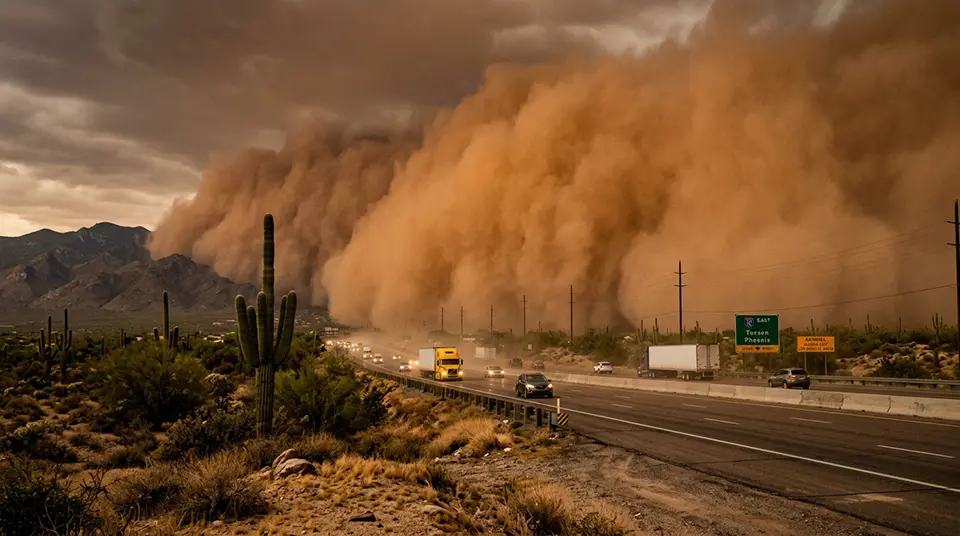
A recent feature published by Discover Wildlife explores the phenomenon sometimes referred to as “fungus storms,” where enormous quantities of fungal spores become airborne and travel through the atmosphere. Although invisible to most people, these microscopic particles can move across vast distances, influence ecosystems, and even affect weather patterns and human health.
The report highlights how fungi, often associated only with soil or decaying wood, are also deeply connected to atmospheric systems and environmental cycles on a global scale.

What Are Fungus Storms?
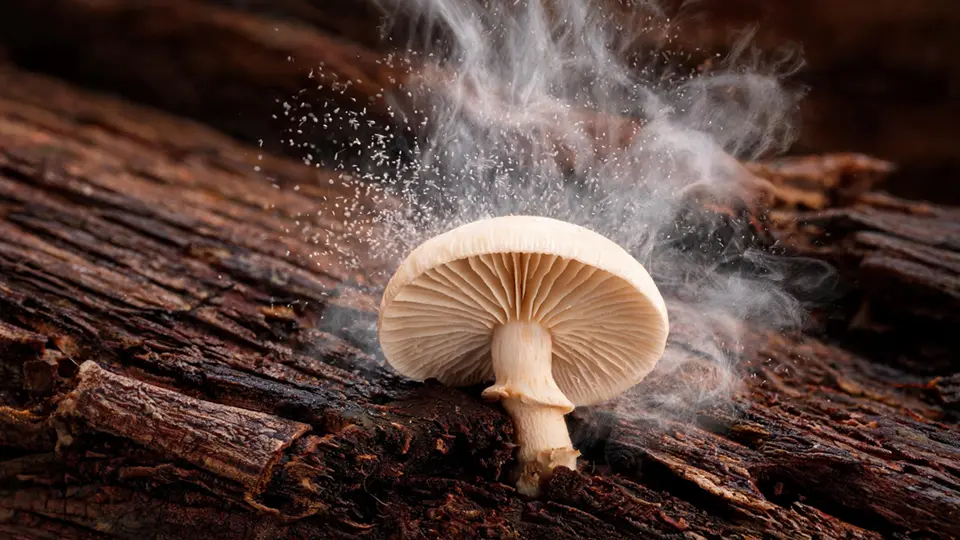
The term “fungus storm” refers to large-scale atmospheric dispersal events involving fungal spores. Fungi reproduce by releasing spores into the air, and under the right environmental conditions, billions of these microscopic particles can become airborne simultaneously.
Wind currents, storms, rainfall, and changes in humidity help transport spores across forests, cities, agricultural land, and even continents. In some cases, atmospheric concentrations become so high that spores contribute significantly to airborne biological material.
Scientists describe these events as an important but often overlooked part of Earth’s ecological system.

Why Fungal Spores Travel Through the Air
Spore dispersal is essential for fungal reproduction and survival. By moving through the atmosphere, fungi can colonize new environments, locate nutrient sources, and maintain genetic diversity across ecosystems.
Different fungal species have evolved specialized spore structures that improve their ability to travel long distances. Some spores are lightweight and aerodynamic, while others are released in response to humidity or rainfall.
This dispersal strategy allows fungi to occupy habitats ranging from tropical forests to urban buildings and agricultural fields.
The Link Between Weather and Fungal Activity
Environmental conditions strongly influence spore release. Warm temperatures, high humidity, rainfall, and wind disturbances often trigger increased fungal activity.
Thunderstorms and strong air currents can lift spores high into the atmosphere, where they may remain suspended for long periods before settling elsewhere. Researchers have found that atmospheric fungal particles are especially abundant during wet seasons and after heavy rainfall events.
This relationship between fungi and weather systems has led scientists to investigate how spores interact with clouds and precipitation.
Fungal Spores and Rain Formation
One of the most intriguing aspects discussed in the report is the possibility that fungal spores contribute to cloud formation and rainfall processes. Some spores may act as biological nuclei around which water droplets form.
This means fungi could influence atmospheric moisture behavior and precipitation patterns under certain conditions. While research in this area is still developing, scientists increasingly recognize that biological particles play more active roles in climate systems than previously understood.
Ecological Importance of Atmospheric Fungi
Fungal spores are part of a continuous global ecological exchange. As spores move between ecosystems, they contribute to biodiversity, decomposition processes, and plant-fungal interactions.
Many fungi are essential decomposers that recycle nutrients back into the environment. Others form symbiotic relationships with plants, supporting nutrient absorption and forest health.
Atmospheric transport helps maintain these ecological networks across large geographic regions.

Agricultural and Environmental Implications
Airborne fungal spores also affect agriculture. Some fungi are beneficial to crops and soil systems, while others are responsible for plant diseases that can spread rapidly through atmospheric dispersal.
Large-scale spore movement may influence crop infections, forest diseases, and ecosystem disturbances across national boundaries.
Understanding spore dispersal patterns therefore has practical importance for agriculture, forestry, and environmental monitoring.
Human Health and Airborne Spores
Although many fungal spores are harmless, high concentrations can affect human health, especially among individuals with allergies, asthma, or weakened immune systems.
Indoor and outdoor exposure to airborne spores may contribute to respiratory irritation and allergic responses in sensitive populations. Certain pathogenic fungi can also spread through airborne transmission under specific conditions.
The report emphasizes that fungi are not merely environmental organisms but active components of the air humans breathe every day.
Invisible Life in the Atmosphere
The atmosphere contains enormous amounts of biological material, much of it microscopic and largely unnoticed. Fungal spores are among the most abundant living particles suspended in the air.
Scientists studying atmospheric microbiology are increasingly discovering how these organisms influence environmental systems, from nutrient cycles to weather behavior.
This research is expanding understanding of the atmosphere as a living ecological space rather than simply an empty layer of air.
Climate Change and Fungal Dispersal
Changing climate conditions may alter fungal dispersal patterns in the future. Rising temperatures, changing rainfall cycles, and shifting ecosystems could influence when and where spores are released.
Some researchers suggest climate-driven environmental changes may increase airborne fungal concentrations in certain regions, potentially affecting ecosystems, agriculture, and respiratory health.
Monitoring these trends is becoming an important area of environmental research.

The Hidden Global Network of Fungi
The report ultimately reveals fungi as highly mobile organisms connected to planetary systems far beyond the forest floor. Their spores travel through air currents, cross ecosystems, and participate in biological and atmospheric processes on a global scale.
What appears to humans as isolated mushroom growths in soil is actually part of a vast and interconnected reproductive network operating continuously through the atmosphere.
Looking Ahead
As scientists continue studying airborne fungi, understanding of their environmental influence is likely to expand significantly. From climate interactions to ecosystem resilience, fungal spores may play a larger role in Earth’s systems than previously recognized.
The concept of “fungus storms” highlights how microscopic life forms can shape natural processes in ways that remain largely invisible, yet profoundly important.
References
According to DISCOVER WILDLIFE
Key Takeaways
- A recent feature published by Discover Wildlife explores the phenomenon sometimes referred to as “fungus storms,” where enormous quantities of fungal spores become airborne and travel through the atmosphere.
- The report highlights how fungi, often associated only with soil or decaying wood, are also deeply connected to atmospheric systems and environmental cycles on a global scale.
- Fungi reproduce by releasing spores into the air, and under the right environmental conditions, billions of these microscopic particles can become airborne simultaneously.
- Scientists describe these events as an important but often overlooked part of Earth’s ecological system.
- By moving through the atmosphere, fungi can colonize new environments, locate nutrient sources, and maintain genetic diversity across ecosystems.
Frequently Asked Questions
What should you know about please login to bookmark?
Please login According to DISCOVER WILDLIFE
What should you know about tiny Organisms with Massive Environmental Influence?
A recent feature published by Discover Wildlife explores the phenomenon sometimes referred to as “fungus storms,” where enormous quantities of fungal spores become airborne and travel through the atmosphere. Although invisible to most people, these microscopic particles can move across vast distance
What Are Fungus Storms?
The term “fungus storm” refers to large-scale atmospheric dispersal events involving fungal spores. Fungi reproduce by releasing spores into the air, and under the right environmental conditions, billions of these microscopic particles can become airborne simultaneously.
Why Fungal Spores Travel Through the Air?
Spore dispersal is essential for fungal reproduction and survival. By moving through the atmosphere, fungi can colonize new environments, locate nutrient sources, and maintain genetic diversity across ecosystems.
What should you know about the Link Between Weather and Fungal Activity?
Environmental conditions strongly influence spore release. Warm temperatures, high humidity, rainfall, and wind disturbances often trigger increased fungal activity.