
According to theconversation
Colorado’s Signature Peaches Face Growing Pressure
Colorado’s peach orchards, long celebrated for producing high-quality fruit under the state’s unique climate conditions, are increasingly threatened by a combination of fungal disease and climate instability. A recent report published by The Conversation examines how environmental stress and plant pathogens are creating new challenges for growers across the region.
Researchers and agricultural experts warn that the interaction between warming temperatures, unpredictable weather patterns, and fungal infections could significantly affect future peach production.

A Delicate Agricultural Balance
Colorado peach cultivation depends on a narrow balance of environmental conditions. Peach trees require cold winter periods to regulate dormancy and proper flowering cycles, followed by stable spring and summer conditions for fruit development.
Climate change is disrupting this balance. Warmer winters, fluctuating temperatures, and unexpected frost events are altering growth cycles and increasing plant stress. These environmental disruptions can weaken tree resilience and create favorable conditions for fungal pathogens.
The report highlights that climate-related stress and fungal disease are increasingly interconnected agricultural threats.
Fungal Diseases Targeting Peach Orchards
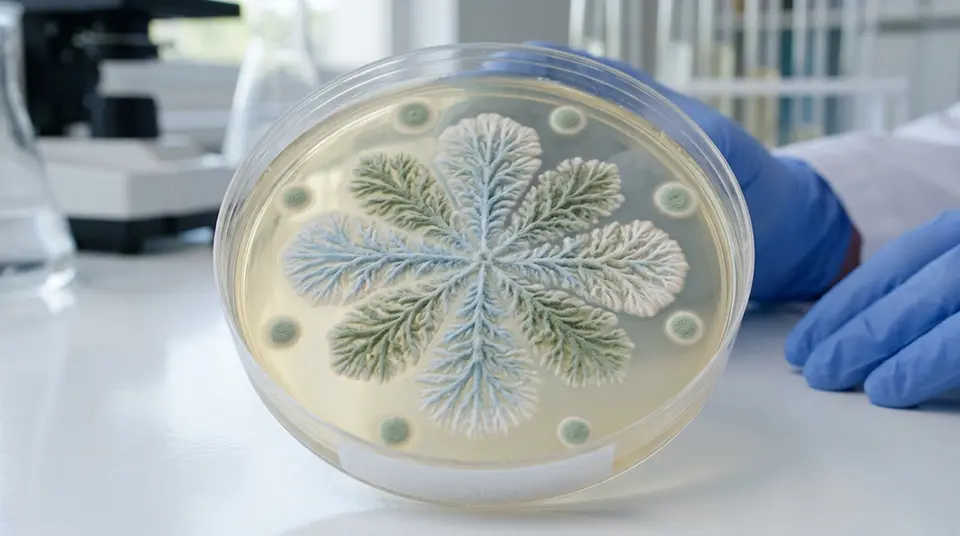
Among the primary concerns are fungal diseases that attack blossoms, fruit, leaves, and branches. Moisture, humidity, and temperature fluctuations create ideal conditions for fungal spores to spread throughout orchards.
Diseases such as brown rot are especially damaging because they infect both fruit and blossoms, reducing yields and affecting fruit quality. Once established, fungal pathogens can spread rapidly during favorable weather conditions.
Spores are commonly dispersed through wind, rain splash, insects, and contaminated plant material.

Climate Change Intensifies Disease Conditions
The report explains that climate change may amplify fungal disease pressure in several ways. Warmer temperatures can extend fungal activity periods, while irregular precipitation patterns may increase humidity levels favorable for infection.
At the same time, sudden weather shifts can damage peach blossoms or create openings in plant tissue that make fungal invasion easier.
Extreme weather events—including hail, drought, and late frosts—also place additional stress on orchards, reducing the trees’ natural ability to resist pathogens.
Economic Importance of Colorado Peaches
Peach farming holds cultural and economic importance within Colorado agriculture, particularly in regions such as the Western Slope. Local peach production supports growers, seasonal labor, tourism, and regional food systems.
Crop losses caused by fungal outbreaks or climate-related damage therefore affect more than individual orchards. Reduced harvests can influence local economies, market supply, and long-term agricultural sustainability.
The report notes that maintaining healthy orchards has become increasingly difficult under changing environmental conditions.
The Biology of Brown Rot and Fruit Infection
Brown rot, one of the most significant fungal threats discussed in the report, can infect blossoms early in the growing season before spreading to developing fruit.
Under warm and wet conditions, infected peaches may rapidly soften, discolor, and decay. The fungus can also overwinter in mummified fruit and plant debris, allowing reinfection during future growing seasons.
This persistent disease cycle makes management particularly challenging for growers.
Adaptation Strategies for Growers
Farmers are responding with a range of adaptation strategies aimed at reducing both environmental stress and disease pressure. These include pruning to improve airflow, careful irrigation management, monitoring humidity levels, and removing infected plant material.
Some growers are also experimenting with more resilient peach varieties and adjusting orchard management practices to account for changing climate conditions.
However, adaptation often requires significant investment, labor, and long-term planning.
Fungicides and Resistance Concerns
Fungicides remain an important tool in disease management, but the report notes that overreliance on chemical treatments can contribute to resistance development among fungal pathogens.
This creates additional challenges for sustainable agriculture. Experts increasingly emphasize integrated management approaches that combine environmental monitoring, orchard sanitation, resistant cultivars, and targeted fungicide use.
Balancing effective disease control with environmental sustainability remains a central concern.

Broader Implications for Agriculture
The situation facing Colorado peaches reflects wider agricultural trends occurring globally. Many crops are experiencing increased disease pressure as climate conditions shift and ecosystems become less predictable.
Researchers view peach orchards as an example of how climate change can interact with biological threats in complex ways. Understanding these interactions is becoming essential for future food production systems.
The Role of Research and Monitoring
Scientific research is helping growers better understand how fungal pathogens respond to changing environmental conditions. Improved monitoring tools, predictive modeling, and plant breeding programs may help reduce future crop losses.
Researchers are also investigating how orchard ecosystems can be managed to improve resilience while maintaining fruit quality and productivity.
A Fragile Future for Specialty Crops
Specialty crops such as peaches are particularly vulnerable because they depend on highly specific climate conditions. Small shifts in temperature, rainfall, or disease activity can have disproportionately large impacts on production.
The report suggests that long-term sustainability may depend on both climate adaptation and improved disease management strategies.
Looking Ahead
Colorado’s peach orchards remain an important symbol of regional agriculture, but their future may increasingly depend on how effectively growers adapt to environmental and biological change.
The combined pressures of fungal disease and climate instability demonstrate how agriculture is becoming more interconnected with ecological systems and global environmental trends.
Ultimately, the report highlights that protecting crops now involves not only controlling pathogens, but also understanding the broader environmental forces reshaping agricultural landscapes.
References
Fisher M.C. et al. (2012). Emerging fungal threats to animal, plant and ecosystem health. Nature.
According to theconversation
Key Takeaways
- Colorado’s peach orchards, long celebrated for producing high-quality fruit under the state’s unique climate conditions, are increasingly threatened by a combination of fungal disease and climate instability.
- Researchers and agricultural experts warn that the interaction between warming temperatures, unpredictable weather patterns, and fungal infections could significantly affect future peach production.
- Peach trees require cold winter periods to regulate dormancy and proper flowering cycles, followed by stable spring and summer conditions for fruit development.
- The report highlights that climate-related stress and fungal disease are increasingly interconnected agricultural threats.
- Moisture, humidity, and temperature fluctuations create ideal conditions for fungal spores to spread throughout orchards.
Frequently Asked Questions
What should you know about please login to bookmark?
Please login According to theconversation
What should you know about colorado’s Signature Peaches Face Growing Pressure?
Colorado’s peach orchards, long celebrated for producing high-quality fruit under the state’s unique climate conditions, are increasingly threatened by a combination of fungal disease and climate instability. A recent report published by The Conversation examines how environmental stress and plant p
What should you know about a Delicate Agricultural Balance?
Colorado peach cultivation depends on a narrow balance of environmental conditions. Peach trees require cold winter periods to regulate dormancy and proper flowering cycles, followed by stable spring and summer conditions for fruit development.
What should you know about fungal Diseases Targeting Peach Orchards?
Among the primary concerns are fungal diseases that attack blossoms, fruit, leaves, and branches. Moisture, humidity, and temperature fluctuations create ideal conditions for fungal spores to spread throughout orchards.
What should you know about climate Change Intensifies Disease Conditions?
The report explains that climate change may amplify fungal disease pressure in several ways. Warmer temperatures can extend fungal activity periods, while irregular precipitation patterns may increase humidity levels favorable for infection.