
According to SCIAM
Museums around the world are facing a growing and largely invisible threat: extremophile molds capable of surviving and proliferating in environments previously thought to be hostile to fungal life. New research and conservation reports indicate that these highly adaptable fungi are actively damaging cultural heritage objects, from ancient manuscripts to paintings, textiles, and archaeological artifacts.
Unlike typical indoor molds, extremophile fungi can tolerate conditions such as low humidity, high salinity, limited nutrients, and fluctuating temperatures. Their resilience is forcing conservators to rethink long-held assumptions about preservation, environmental control, and long-term storage.

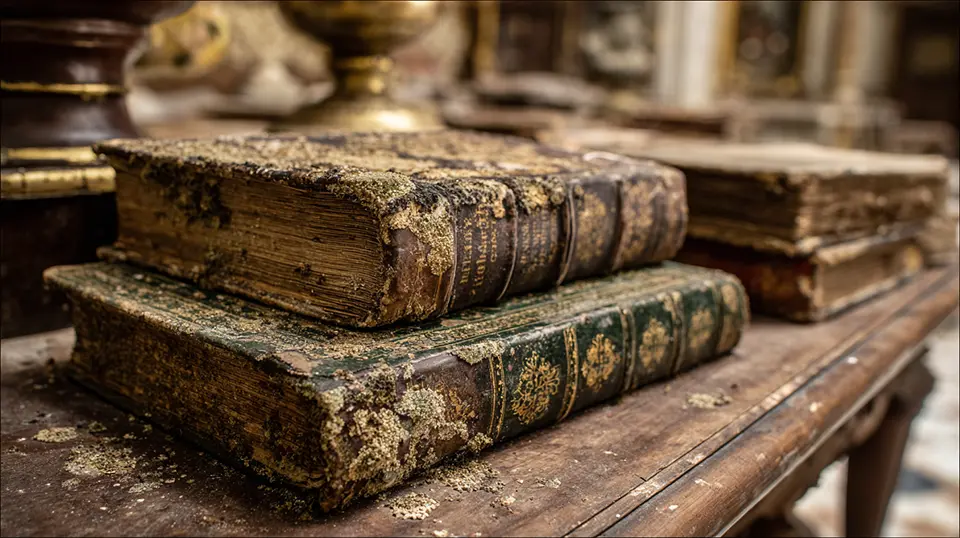
Source: Wikimedia Commons – Mold damage on old paper, CC BY-SA 4.0
What Are Extremophile Molds
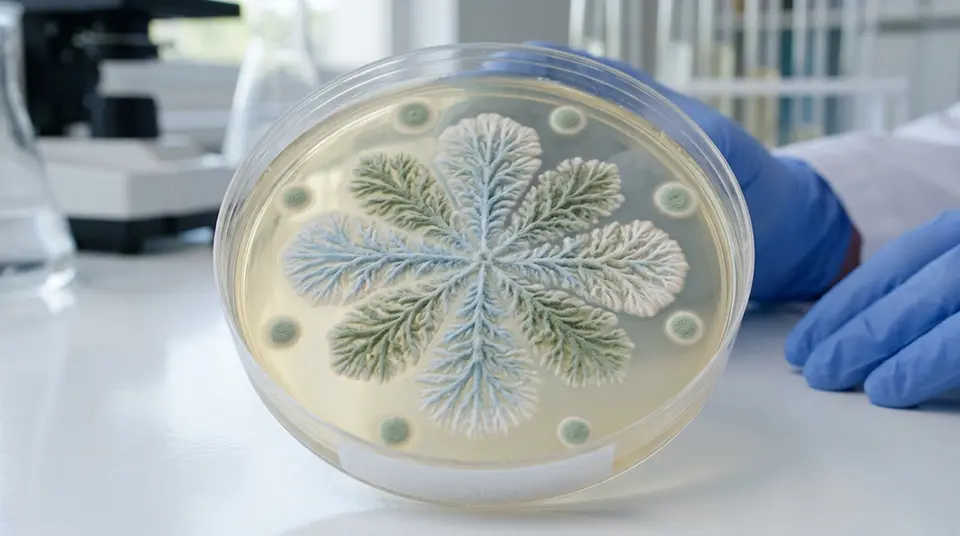
Extremophile molds are fungi that thrive in conditions considered extreme by conventional biological standards. While most molds require warmth, moisture, and organic material, extremophile fungi can persist where resources are scarce and environmental stress is high.
These organisms have been documented in deserts, polar regions, salt flats, deep caves, and even nuclear reactor cooling systems. Their ability to survive in low-water or nutrient-poor conditions makes them particularly problematic for museums, which often rely on controlled environments to suppress biological growth.
In recent years, researchers have confirmed that some extremophile molds are capable of colonizing museum artifacts once believed to be biologically stable.
Why Museums Are Vulnerable
Museums aim to protect collections by maintaining stable temperature, low humidity, and minimal light exposure. Ironically, these very conditions may favor extremophile fungi that have evolved to exploit marginal environments.
Artifacts made of paper, parchment, wood, leather, textiles, and pigments contain trace organic compounds that can serve as nutrients. Even microscopic residues—such as oils from handling, binding agents in inks, or airborne dust—can sustain fungal growth over time.
Damage to Cultural Heritage Objects
The impact of extremophile mold growth extends beyond cosmetic damage. Fungal colonization can weaken fibers, alter pigments, and chemically degrade surfaces.
Observed damage includes:
- discoloration and staining of paper and textiles
- weakening and embrittlement of parchment and leather
- pigment alteration in paintings and manuscripts
- surface pitting and material loss
Because many artifacts are unique and irreplaceable, even minor deterioration represents a permanent loss of cultural heritage.
How Extremophile Molds Survive Harsh Conditions
Scientists studying these fungi have identified several survival strategies. Extremophile molds often produce protective pigments, thick cell walls, and specialized enzymes that allow them to withstand dehydration, radiation, and chemical stress.
Some species can enter dormant states for long periods, reactivating when conditions become even slightly favorable.
Climate Change and Increased Risk
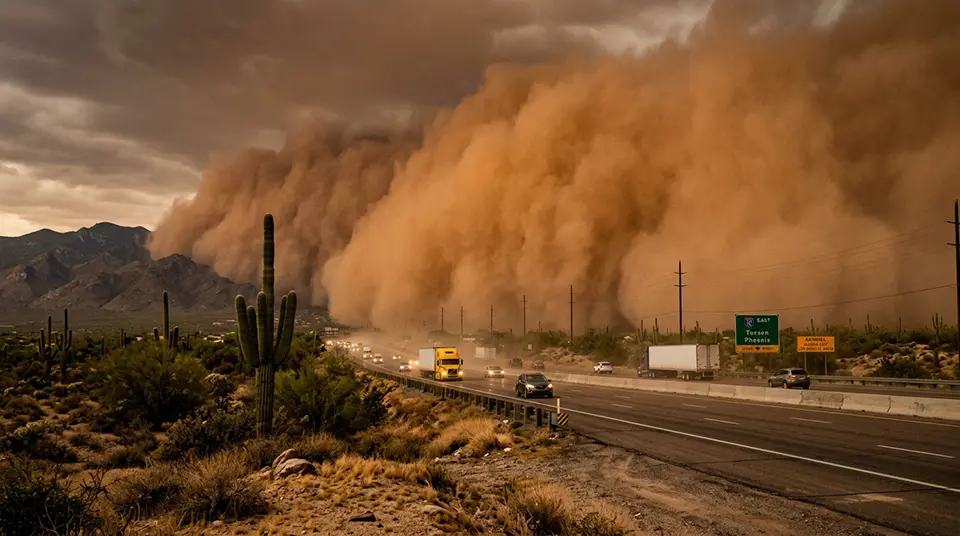
Climate change is emerging as a significant factor in the spread of extremophile molds. Rising global temperatures, increased humidity variability, and more frequent extreme weather events place additional stress on museum infrastructure.
Flooding, heat waves, and power outages can disrupt climate control systems, creating windows of opportunity for fungal colonization.

Source: Wikimedia Commons – Climate change impact on heritage, CC BY-SA 4.0
Common Extremophile Molds Identified in Museums
Studies have identified several fungal species associated with damage to cultural heritage materials. These include:
- Aspergillus penicillioides
- Wallemia sebi
- Eurotium herbariorum
- Cladosporium cladosporioides
- Penicillium chrysogenum
Many of these species are xerophilic or halotolerant.
Conclusion
Extremophile molds represent a significant and evolving threat to museum collections. Their ability to survive in low-moisture, low-nutrient environments undermines long-standing assumptions about artifact safety and highlights vulnerabilities in current preservation practices.
As climate pressures intensify and fungal research advances, museums face a critical challenge: adapting conservation strategies to protect humanity’s shared cultural heritage from organisms that thrive where others cannot.
References
According to SCIAM
Key Takeaways
- Museums around the world are facing a growing and largely invisible threat: extremophile molds capable of surviving and proliferating in environments previously thought to be hostile to fungal life.
- Extremophile molds are fungi that thrive in conditions considered extreme by conventional biological standards.
- Their ability to survive in low-water or nutrient-poor conditions makes them particularly problematic for museums, which often rely on controlled environments to suppress biological growth.
- Museums aim to protect collections by maintaining stable temperature, low humidity, and minimal light exposure.
- Even microscopic residues—such as oils from handling, binding agents in inks, or airborne dust—can sustain fungal growth over time.
Frequently Asked Questions
What Are Extremophile Molds?
Extremophile molds are fungi that thrive in conditions considered extreme by conventional biological standards. While most molds require warmth, moisture, and organic material, extremophile fungi can persist where resources are scarce and environmental stress is high.
Why Museums Are Vulnerable?
Museums aim to protect collections by maintaining stable temperature, low humidity, and minimal light exposure. Ironically, these very conditions may favor extremophile fungi that have evolved to exploit marginal environments.
What should you know about damage to Cultural Heritage Objects?
The impact of extremophile mold growth extends beyond cosmetic damage. Fungal colonization can weaken fibers, alter pigments, and chemically degrade surfaces.
How Extremophile Molds Survive Harsh Conditions?
Scientists studying these fungi have identified several survival strategies. Extremophile molds often produce protective pigments, thick cell walls, and specialized enzymes that allow them to withstand dehydration, radiation, and chemical stress.
What should you know about climate Change and Increased Risk?
Climate change is emerging as a significant factor in the spread of extremophile molds. Rising global temperatures, increased humidity variability, and more frequent extreme weather events place additional stress on museum infrastructure.