According to THE CONVERSATION
Introduction: A Home Hazard with Hidden Costs
Mould growth inside homes—especially in damp, poorly ventilated buildings—is more than just a maintenance or aesthetic problem. Recent research shows it contributes substantially to respiratory diseases, healthcare usage, and economic costs. Eliminating or significantly reducing mould exposure could save public healthcare systems millions, while improving quality of life, particularly for vulnerable populations.

Source: Wikimedia Commons, CC BY-SA 4.0
Recent Study Insights: Quantifying the Burden
A modelling study (medRxiv 2025) used multistate lifetable methods to estimate health gains and financial savings from reducing moderate and severe indoor mould exposure. The findings include:
- Lower rates of new asthma cases
- Reduced severity in existing chronic respiratory diseases
- Fewer lower respiratory tract infections
- Gains in life years and quality of life
The model estimated that removing moderate mould exposure (16.5% of homes) and severe exposure (11.0%) would reduce disease incidence and ultimately reduce health system expenditure. While exact figures vary by region, savings run into millions per year when scaled across large populations.
Health Impacts: What Mould Exposure Does
Respiratory illnesses are the primary health effect linked to indoor mould:
- Asthma: both new onset and exacerbations occur in mouldy homes.
- Allergic rhinitis and other upper airway allergic responses.
- Lower respiratory tract infections, especially among children and the elderly.
Other documented effects:
- Cough, wheezing, breathlessness
- Increased doctor/hospital visits
- Possible effects on skin, eyes, and sinuses
Vulnerable groups include children, the elderly, asthma patients, immunocompromised individuals, and low-income households who often live in substandard housing.

Source: Wikimedia Commons, CC BY-SA 4.0
Mechanisms: How Mould Harms
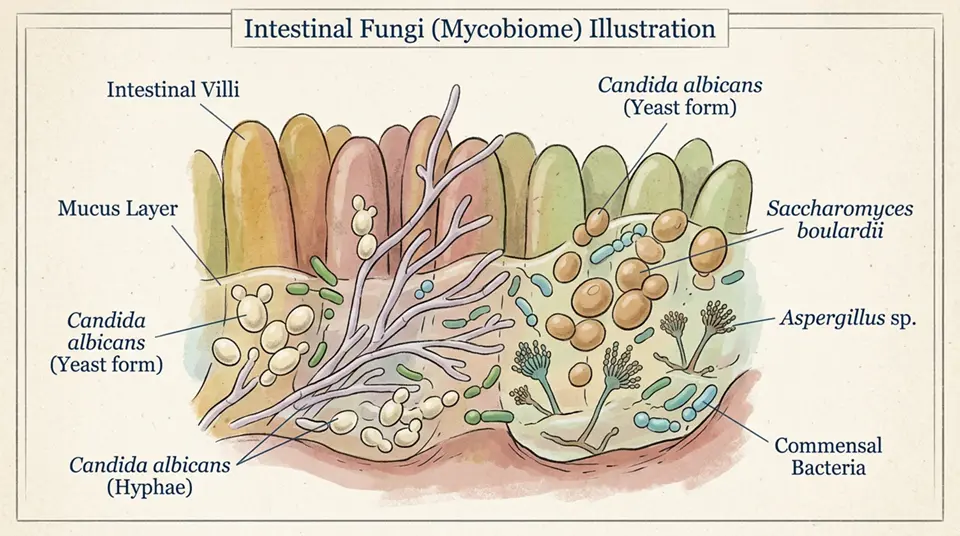
Mould produces spores, volatile organic compounds (VOCs), and sometimes mycotoxins. These are inhaled, triggering:
- Inflammation in airways
- Immune responses driven by allergic sensitization
- Potential colonization or infections in susceptible lungs
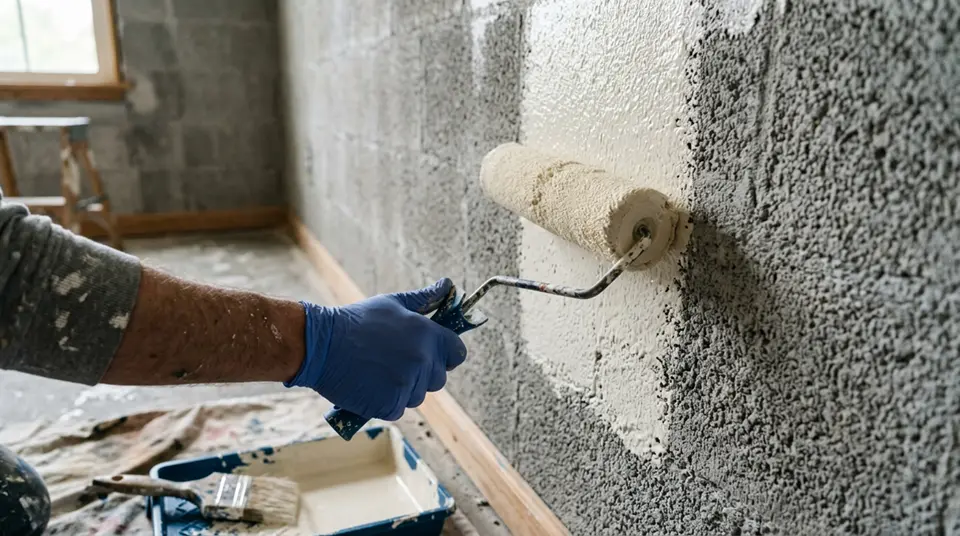
Moisture from leaks, poor insulation, condensation, and lack of ventilation create ideal conditions. Once mould colonizes surfaces, it becomes harder to remove and cleaning alone may not suffice unless the underlying moisture problem is addressed.

Economic Costs: Health System & Social Burden
The costs are both direct (healthcare usage) and indirect (lost productivity, absenteeism, and long-term disability). Key cost drivers include:
- More frequent GP visits, emergency department use, hospitalizations
- Medication costs (e.g., inhalers, steroids)
- Diagnostic costs
A UK-based assessment estimated thousands of DALYs lost annually due to mould and damp exposure. This represents not just immediate health costs, but long-term burden on health systems.
In addition, disadvantaged communities often face both higher exposure and less access to remediation, amplifying health inequities.
Policy Implications: Housing Matters
The data underscores that housing quality is a public health issue. Policy levers include:
- Regulations requiring minimum standards for ventilation, insulation, moisture prevention
- Incentives or subsidies for landlords/homeowners to remediate dampness and mould
- Upfront investments in housing upgrades, justified by downstream healthcare savings
- Cross-sector collaboration (health, housing, environment)

Source: Wikimedia Commons, CC BY-SA 2.0
Challenges and Limitations
The modelled estimates depend on data quality: defining thresholds for “moderate” vs “severe” mould, and accounting for regional variation. In many countries, exposure data is patchy.
Behavioural factors (ventilation, cleaning habits, maintenance) are harder to model. There’s also a lag between housing improvements and health outcomes, complicating policy planning.
My Perspective: Prevention Over Cure
From a public health viewpoint, mould is a low-visibility but high-impact threat. We too often focus on treatment rather than prevention.
Investing in damp-free, ventilated, insulated homes is not only good policy—it’s cost-effective. Benefits include:
- Reduced pressures on health systems
- Improved school attendance for children
- Fewer missed workdays
- Healthier communities overall
Conclusion: Eradication Isn’t Idealistic—It’s Practical
The evidence is increasingly clear: mould isn’t just a nuisance; it’s a preventable cause of illness and cost. Eradicating (or significantly reducing) mould in homes would yield substantial health gains and cost savings.
For health systems, housing authorities, and policymakers, the imperative is clear: treat mould not just as a maintenance issue, but as a health priority.
References
- World Health Organization. Asthma fact sheet.
- Centers for Disease Control and Prevention (CDC). Respiratory infections.
- medRxiv (2025). Modelling study on health gains from reducing indoor mould exposure.
- Aspergillus spp., Penicillium spp., Cladosporium spp. — Wikipedia.
According to THE CONVERSATION
Key Takeaways
- A health economics analysis estimated that systematic eradication of mould from residential housing in the UK could save the National Health Service hundreds of millions of pounds annually in avoided respiratory and allergy-related healthcare costs.
- Children living in damp and mouldy housing have 40% higher rates of respiratory illness and 25% higher rates of asthma diagnosis compared to children in dry housing, according to UK Public Health England data.
- The economic case for mould remediation is strong: for every £1 invested in housing quality improvement, an estimated £3–£5 is saved in health system costs over a 10-year horizon.
- Social housing provides a particular policy opportunity: concentrated public ownership means systematic inspection, standardised remediation, and investment can be applied at scale.
- The Awaab Ishak case and the subsequent Awaab’s Law have created unprecedented political and public pressure for action on housing mould in England, potentially triggering systemic housing quality investment.
Frequently Asked Questions
How much does mould-related illness actually cost health systems?
Precise cost estimates for mould-related illness are difficult to calculate because mould is rarely listed as a primary diagnosis code—healthcare providers treat the resulting respiratory conditions (asthma exacerbations, pneumonia, sinusitis) without necessarily recording housing conditions as a contributing cause. UK estimates from the Building Research Establishment suggest that all housing-related ill health costs the NHS approximately £1.4 billion per year, with dampness and mould estimated to account for a significant fraction. Studies of asthma specifically have found that mould allergen sensitisation accounts for a disproportionate share of severe and difficult-to-control asthma cases, which are the most costly for health systems.
What does ‘eradicating mould’ from homes actually involve at scale?
Population-scale mould eradication is not about treating individual mould patches—it requires addressing the structural conditions that allow mould to occur. This means: identifying and repairing all building envelope deficiencies that allow moisture infiltration (roofs, walls, windows, foundations); upgrading thermal insulation to eliminate cold bridge condensation; installing adequate ventilation systems (MVHR or continuous extract) to manage indoor moisture; and addressing plumbing and drainage issues. For existing housing stock, particularly pre-1980 construction, this represents substantial investment—estimated at tens of thousands of pounds per property in the UK for full moisture management upgrades.
Why is social housing a particular focus for mould policy?
Social housing (local authority and housing association stock) presents a distinctive policy context for mould remediation. Unlike private renting, where landlords are fragmented and enforcement is complex, social landlords manage large portfolios of often similar-construction properties, enabling systematic inspection and standardised remediation programmes. The Homes (Fitness for Human Habitation) Act 2018 and the Social Housing Regulation Act 2023 place specific legal obligations on social landlords. Social housing tenants also typically have lower incomes and fewer housing alternatives, making them more likely to remain in poor-quality housing with health consequences. Conversely, social landlords have greater accountability to public bodies and residents’ associations.
What is the return on investment for mould remediation in housing?
Several studies have attempted to calculate the cost-benefit ratio of housing quality improvements. The Building Research Establishment (BRE) category system estimates the first-year NHS and societal cost of specific housing hazards and the cost of remediation. For dampness and mould (classified as HHSRS hazards), the average first-year cost of the hazard to society is estimated at approximately £1,200 per affected dwelling annually, while average remediation costs vary from £500–£10,000+ depending on root cause and severity. A 2021 NHS Confederation report on social determinants of health estimated £3–5 return per pound invested in housing quality for vulnerable populations. The long-term payback period is particularly favourable for child asthma prevention.
Which countries have the most effective policies for preventing housing mould?
Northern European countries—particularly the Scandinavian nations, Finland, and Germany—have the most stringent building standards for moisture management and the lowest rates of housing-related respiratory disease. Key policy features include: mandatory mechanical ventilation in all new construction; stringent thermal insulation requirements that prevent cold bridge condensation; strong mandatory disclosure requirements for housing moisture history in property transactions; and proactive (not complaints-based) housing inspection systems. Japan, despite its humid climate, has notably low rates of mould-related housing complaints due to building design traditions that prioritise ventilation (such as ventilation gaps under tatami flooring) and strict modern building codes.