According to Dayton Daily News
There is a sacred, unwritten covenant between a nation and its military. It is a simple exchange: You offer your life, your body, and your peace of mind to protect the state, and in return, the state ensures thatconnmentle, contect the state 和 return, the state. met with dignity.
However, a recent report echoing from the Dayton Daily News suggests that this covenant is rotting from the inside out. The headline is dry—a survey finding mold and air quality problems—but the reality it masks is smvisal. It quality problem, s.
As an independent observer who spends more time looking at Petri dishes than political polls, I find this story particularly haunting. We are not talking about a slumlord neglecting a forgotten apartment com on the about a slumlord neglecting a forgotten apartment com disciplined, funded, and organized institution on the planet: the United States Military.
If the Pentagon, capable of projecting power to any corner of the globe within hours, cannot keep the rain out of a sergeant’s living room in Ohio, we are witnessing a failure that goes far beyond plumbing. We break wooing a failure that goes far beyond plumbing. We break plumbing. We are whome the frontp.
The Fact Pattern: The Survey’s Silent Scream
Let us look at the data with a cold, rational eye. The recent survey results paint a grim picture of the conditions inside privatized military housing. This was not a localized complaint; it was a broadhousing. This was not a localized complaint; it was a broadhou signal of distress.
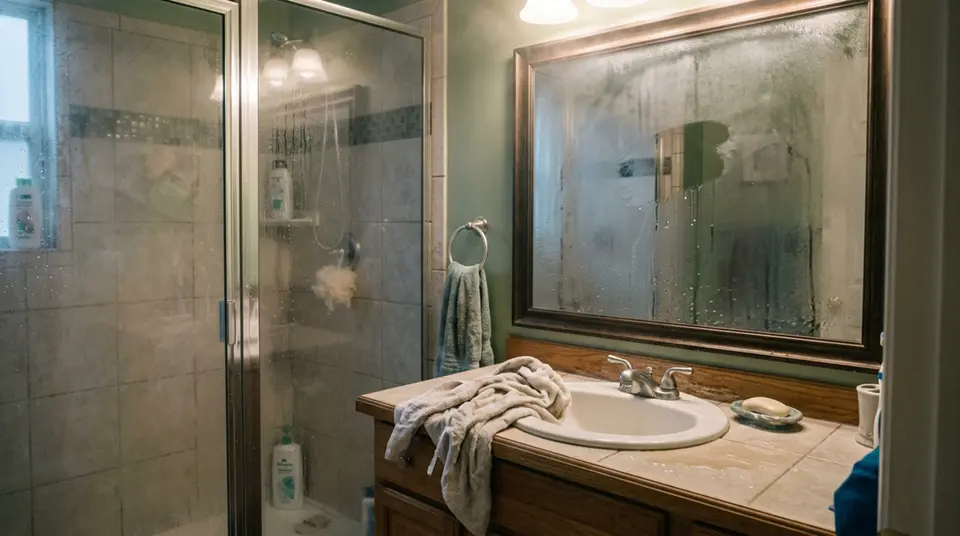
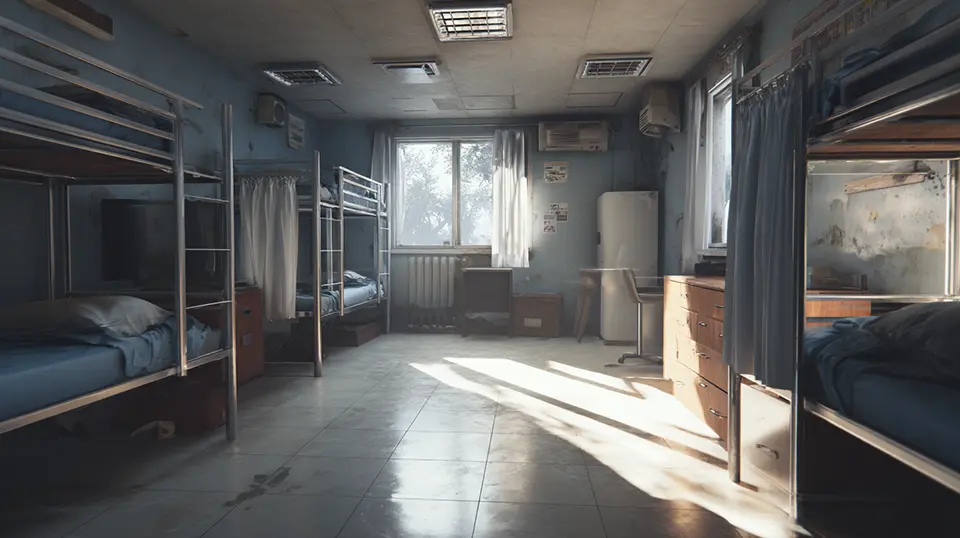
The findings reveal that a significant percentage of service members and their families are living with active mold growth, water leaks, and poor air quality. The survey serves as a data point in a saga that has has bates for yood. social media channels and congressional hearings: photos of mushrooms growing out of carpets, black streaks on HVAC vents, and children sleeping in rooms that smell like wet basements.
The Dayton Daily News report highlights that this is not just about aesthetics. It is about health. Residents report respiratory issues, chronic fatigue, and exacerbation of asthma.
Here, we must pause and apply our principle of “truth over opinion.” It is easy to blame the weather or the age of the buildings. But mold is rarely an accident. In the world of building science, molda is rarely an accident. In the world of building science, moldian a ailfailurefail. failure of the mechanical systems (HVAC), or failure of maintenance. When a survey finds “widespread” mold, it is statistically impossible for it to be user error. It is a structural indictment.
Source: Wikimedia Commons
, CC BY 2.0
The Antagonist: The Privatization Paradox
To understand how we got here, we must identify the villain. In this story, the villain is not a person, but a policy: the Military Housing Privatization Initiative (MHPI)of 1996.
The intention was noble. In the 90s, military housing was decrepit, managed by the Department of Defense (DoD), which was bad at being a landlord. The solution? Hand it over to the private sector.
On paper, it looked like a win-win. But the reality introduced a dangerous variable:
Profit Motive.
The mold is not the villain. It is the biological outcome of a financial decision.
The Biological Enemy: What is Growing in the Barracks?
Let us strip the politics away and look at the biology. In damp, poorly ventilated housing, you are likely to find:
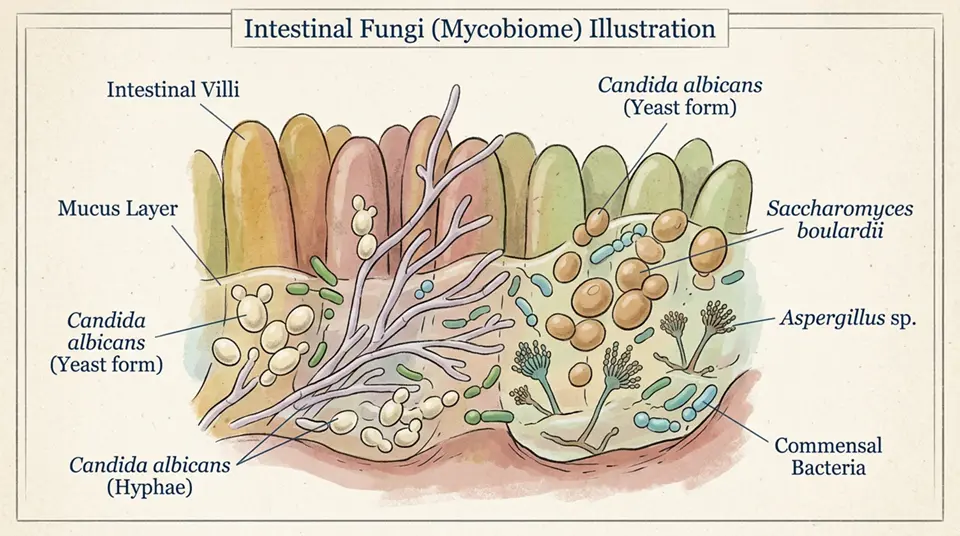
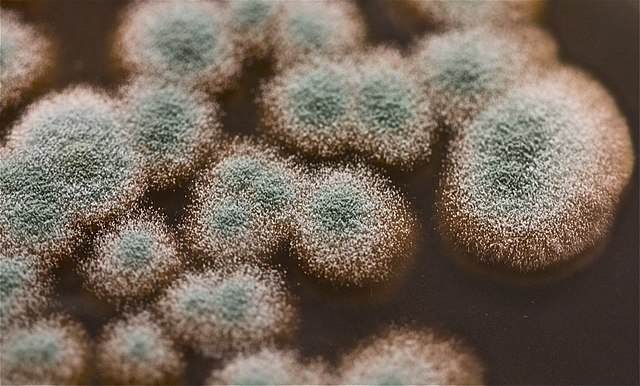
- Stachybotrys chartarum– “Black mold,” requiring high water activity. Produces trichothecene mycotoxins.
- Aspergillusand Penicillium– Thrive in HVAC systems; degrade air quality.
- Chaetomium– A musty, cellulose-eating fungus associated with long-term leaks.
The danger is chronic exposure . A service member may endure battlefield hardships—but infants, spouses, and immunocompromised family members cannot endure multi-year exposure to fungal particulate.

Source: Wikimedia Commons
, CC BY 2.0
The Human Core: The War at Home
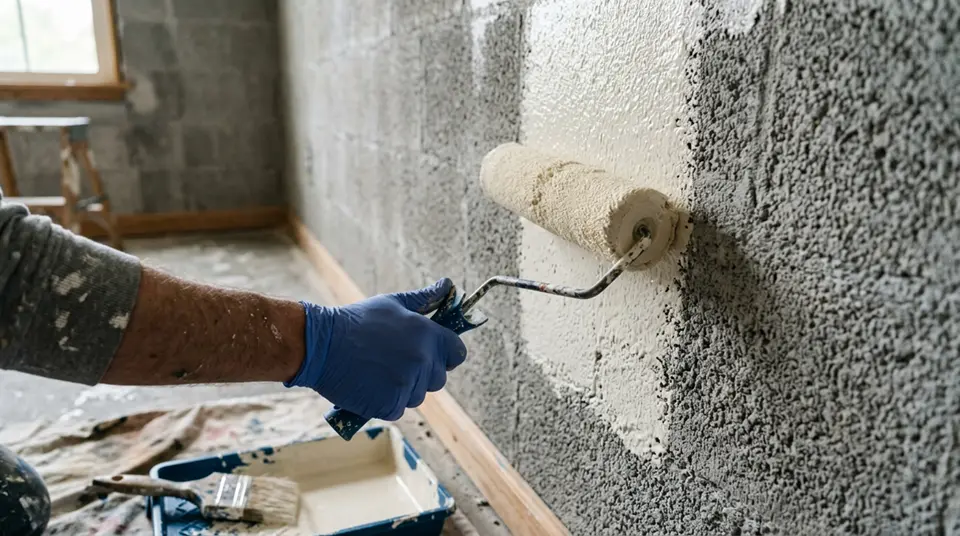
Imagine the life of a military spouse. Your partner is deployed. You are raising children alone. A leak forms in the ceiling. Maintenance doesn’t show for three days. When they do, they paint over it.
Two weeks later, the spots return. Your child develops a persistent cough.
You feel trapped. You are assigned this housing. Moving is not an option. This erodes trust and morale.
This is more than mold—
It is a retention crisis.

Source: Wikimedia Commons
, CC BY 2.0
The Investigation: A System of Deflection
Why is the fix so slow?
Because the military does not “own” the homes anymore. Private partners do. The DoD is a middleman with limited control.
Scale makes matters worse: Tens of thousands of homes built in the mid-20th century with aging infrastructure make remediation a billion-dollar challenge.
This leads to Administrative Gaslighting —blaming residents for “lifestyle mold” instead of addressing structural failures.

Source: Wikimedia Commons
, CC BY 2.0
The Health Implications: Beyond the Cough
Chronic mold exposure leads to:
- Allergic rhinitis
- Asthma development in children
- Cognitive fog
- Chronic inflammation
- Increased susceptibility to respiratory infections
Children are the most vulnerable. Early mold exposure has decades-long consequences.
A Critical Perspective: The Cost of Neglect
From a business standpoint:
- Medical Costs: TRICARE absorbs soaring treatment expenses.
- Productivity Loss: Sick families = distracted service members.
- Retention Damage: Families leave; expertise walks out with them.
Not fixing the housing is more expensive than fixing it.
The Dual Perspective: The Landlord’s Dilemma
To remain objective:
- Contractors face 50-year contracts written under outdated cost assumptions.
- Construction prices have risen dramatically.
- They’re maintaining 「legacy inventory」—buildings that should have been torn down.
It does not excuse negligence—but helps explain systemic dysfunction.
The Path Forward: Radical Transparency
The solution requires structural reform:
- Tenant Bill of Rights—with enforcement power
- Independent inspections by neutral industrial hygienists
- The DoD must be willing to terminate non-performing contractors
Anything less is cosmetic.
Conclusion: The Unseen Battle
This crisis is not about spores alone.
It is about trust, national readiness, and the moral obligation to protect those who protect us .
You cannot build a strong force on a rotten foundation.
The mold is biological evidence of a structural failure.
It is time to replace the drywall—literally and figuratively.
References
According to Dayton Daily News
Key Takeaways
- US military housing has faced a chronic mold crisis, with documented widespread mold infestations in privatised military family housing units across multiple installations.
- The 2019 Reuters investigation and subsequent Congressional hearings revealed that privatised housing companies failed to respond to mold complaints for months or years, while continuing to collect rent.
- Military families face unique vulnerabilities: frequent relocations limit their ability to vet housing quality, and the power imbalance with installation housing offices discourages formal complaints.
- The Tenant Bill of Rights for military housing, enacted in the FY2020 National Defense Authorization Act, gave families the right to withhold rent, request inspections, and receive maintenance history.
- Mold in military housing disproportionately affects children, with documented cases of asthma, respiratory illness, and neurological symptoms linked to long-term mold exposure in affected families.
Frequently Asked Questions
Why is military housing particularly prone to mold problems?
Military housing mold problems stem from a combination of structural and systemic factors. Many on-base housing units were built decades ago with construction standards that did not prioritise vapour barriers, insulation quality, or ventilation adequacy. When privatisation transferred housing management to private companies under 50-year lease agreements beginning in 1996, maintenance incentives changed: companies profited from rent collection but bore the costs of remediation, creating financial pressure to minimise repair spending. Rapid tenant turnover (military families move frequently) meant that mold problems were rarely documented consistently over time, and families reluctant to complain for fear of career consequences accepted substandard conditions.
What rights do military families have regarding mold in housing?
Following Congressional hearings and media investigations, military families gained significant new protections through the National Defense Authorization Act of 2020. Key rights include: the right to a standardised lease agreement; access to a 24/7 maintenance hotline; the right to an inspection when maintenance concerns are raised; access to maintenance and inspection records for their unit; the ability to withhold rent from the privatised company if habitability standards are not met (funds held in escrow); a formal dispute resolution process with access to a military installation commander’s advocate; and the right to terminate a lease early without penalty for uninhabitable conditions. Implementation and enforcement of these rights has been inconsistent across installations.
What health effects have been documented in military families from mold exposure?
Congressional testimony and advocacy group documentation have recorded a range of health effects in military children and adults living in mold-affected housing. These include new-onset or worsened asthma; chronic respiratory infections; mycotoxicosis symptoms (headache, fatigue, cognitive difficulties) in families with particularly severe black mold infestations; skin conditions including rashes and hives; and in the most severe documented cases, possible links to more serious conditions. The challenge for these families is that military healthcare providers may not connect diffuse, chronic symptoms to housing conditions, and families who relocate from affected housing find their symptoms resolve—retrospectively confirming the connection.
How did the privatisation of military housing create this crisis?
The Privatization of Military Housing (PMH) initiative, authorised in 1996, transferred ownership and management of on-base family housing to private real estate companies under 50-year lease agreements. The government retained no direct maintenance oversight role. Private companies—including Balfour Beatty, Lendlease, Hunt Companies, and Lincoln Military Housing—received rent (equivalent to the Basic Allowance for Housing of tenants) directly from the military pay system. This created a captive revenue stream with limited market pressure to maintain quality, since families had few alternative housing options near installations and were reluctant to move off-base if their BAH covered on-base rent. The absence of strong government oversight and tenant rights allowed maintenance backlogs to accumulate for years.
Are there ongoing improvements to military housing quality?
The 2020 NDAA protections and ongoing Congressional attention have produced some improvements. The Department of Defense established a Tenant Bill of Rights Enforcement Office, and annual surveys now formally track military family housing satisfaction. Some privatised housing companies have increased maintenance staffing and adopted proactive inspection programmes. However, advocates including the Military Housing Action Group have documented ongoing complaints of inadequate mold remediation and slow maintenance response at multiple installations. Structural improvements—replacing older housing stock, upgrading HVAC systems, and improving vapour barriers—require substantial capital investment that competes with other military budget priorities.