The Dark Side of the Fungal Kingdom
Fungi are often associated with forests, decomposition, and ecological balance, but some species possess far more disturbing biological capabilities. Recent attention surrounding footage featured in nature documentaries and wildlife reporting has highlighted the remarkable and sometimes terrifying role that certain parasitic fungi play within ecosystems. Among the most striking examples is Ophiocordyceps, commonly known as the “zombie-ant fungus,” a pathogen capable of infiltrating and manipulating the behavior of living insects before ultimately killing them.
The phenomenon has fascinated scientists for decades because it challenges traditional ideas about animal behavior, infection, and biological control. Rather than simply feeding on a host, these fungi appear capable of altering the host’s actions in ways that benefit fungal reproduction.

How Zombie-Ant Fungi Infect Their Hosts
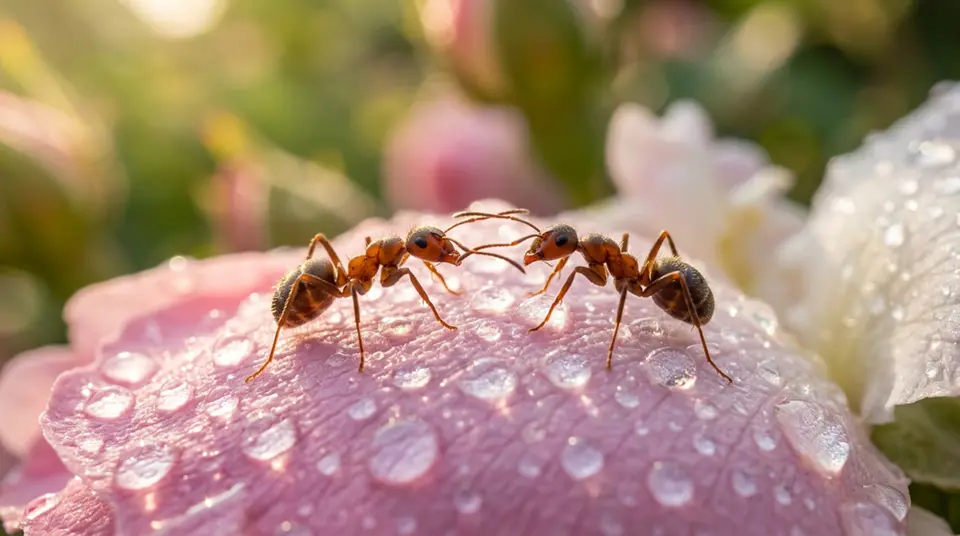
In tropical forests, spores released by Ophiocordyceps fungi land on the bodies of unsuspecting ants. Once attached, the fungal spores penetrate the insect’s outer exoskeleton and begin spreading throughout its body. During the early stages of infection, the ant often appears healthy and continues performing normal colony activities.
As the fungus develops, however, its influence becomes increasingly apparent.
Researchers have found that infected ants gradually abandon their normal routines and begin behaving in unusual ways. Instead of following established trails or remaining within the protection of the colony, infected individuals wander away from the group and climb vegetation.
This behavior is not random.
Scientists believe the fungus manipulates the insect’s nervous system and muscular functions, guiding the ant toward environmental conditions that maximize fungal growth and spore dispersal. Eventually, the infected ant bites tightly onto a leaf or plant stem in what researchers often describe as a “death grip.”
Shortly afterward, the ant dies.
The fungus then continues growing inside the dead insect’s body before producing a long fruiting structure that erupts from the head or thorax. This structure releases new spores into the environment below, where additional ants may become infected.
The process represents one of nature’s most sophisticated examples of parasitic adaptation.

Behavioral Manipulation and Evolutionary Biology
Biologists emphasize that the fungus does not literally control the ant’s mind in the way fictional stories often portray. Instead, it alters biological pathways that influence behavior, movement, and muscle activity. Even so, the result appears remarkably similar to behavioral manipulation.
The life cycle has become one of the most widely studied examples of host-pathogen interaction in evolutionary biology.
The ecological significance of these fungi extends beyond individual insects. Tropical forests contain complex networks of organisms connected through predation, competition, decomposition, and disease. Fungal pathogens help regulate insect populations and influence ecosystem dynamics in ways scientists are still trying to understand.
Without natural pathogens, some insect populations could potentially expand beyond sustainable levels.
The Vast Diversity of Fungi
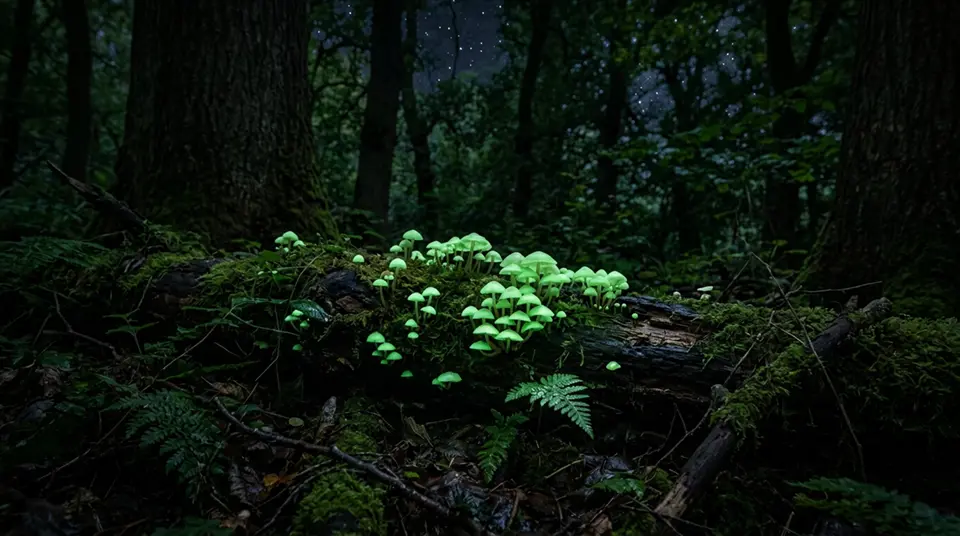
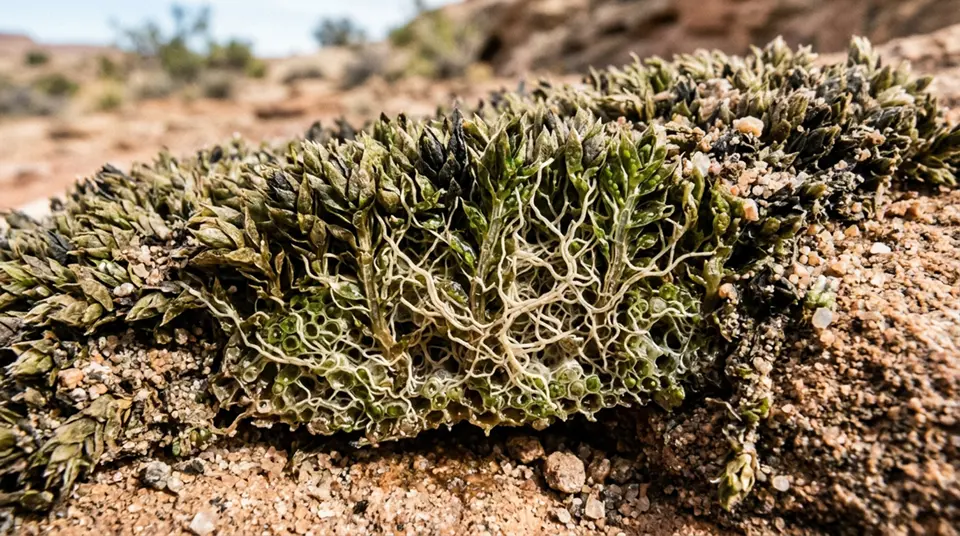
The fungal kingdom itself is one of the most diverse and least understood groups of organisms on Earth. Scientists estimate that millions of fungal species may exist globally, yet only a fraction have been formally identified.
Global Fungal Diversity
Generated by AI based on global fungal biodiversity research and published fungal distribution studies.
While many fungi are beneficial, helping decompose organic material and recycle nutrients through ecosystems, others have evolved specialized pathogenic strategies targeting plants, insects, amphibians, reptiles, mammals, and even other fungi.
The growing interest in parasitic fungi has also been fueled by broader concerns regarding emerging fungal diseases worldwide.
Wildlife Fungal Epidemics Around the World
In recent decades, researchers have documented several devastating fungal outbreaks affecting wildlife populations. One major example is chytridiomycosis, caused by Batrachochytrium dendrobatidis, a fungal pathogen responsible for catastrophic declines in amphibian populations across multiple continents.
The disease attacks amphibian skin, disrupting essential physiological functions and contributing to population collapses and extinctions.
Another major fungal threat is white-nose syndrome, caused by Pseudogymnoascus destructans. This pathogen infects hibernating bats, growing on their skin and wings during winter months. Infected bats often awaken prematurely, depleting critical energy reserves and dying before spring arrives.
The disease has killed millions of bats throughout North America and remains one of the most destructive wildlife fungal epidemics ever recorded.
These examples demonstrate that fungi are not merely passive environmental organisms. Under certain circumstances, they can become powerful ecological drivers capable of reshaping entire populations.
Why Fungal Pathogens Are So Successful
Researchers note that fungal pathogens possess several biological advantages that make them particularly successful. Fungal spores can travel through air, water, soil, and animal contact. Many species are capable of surviving harsh environmental conditions, remaining dormant for extended periods before becoming active again.
Their adaptability allows them to occupy diverse ecological niches ranging from tropical rainforests to frozen polar regions.
Climate change has added a new dimension to fungal research.
Scientists increasingly warn that rising global temperatures may alter fungal distribution patterns and accelerate the emergence of new fungal diseases. Environmental shifts can change host-pathogen relationships, increase stress on wildlife populations, and create conditions favorable for disease spread.
Some researchers are particularly concerned that warming conditions may encourage certain fungal species to adapt to higher temperatures, potentially increasing risks to animals and humans.

Emerging Human Health Concerns
Historically, mammals have benefited from what scientists call a “thermal barrier.” Because mammalian body temperatures are relatively high, many fungal species struggle to survive within them. However, evidence suggests some fungi are gradually adapting to warmer conditions.
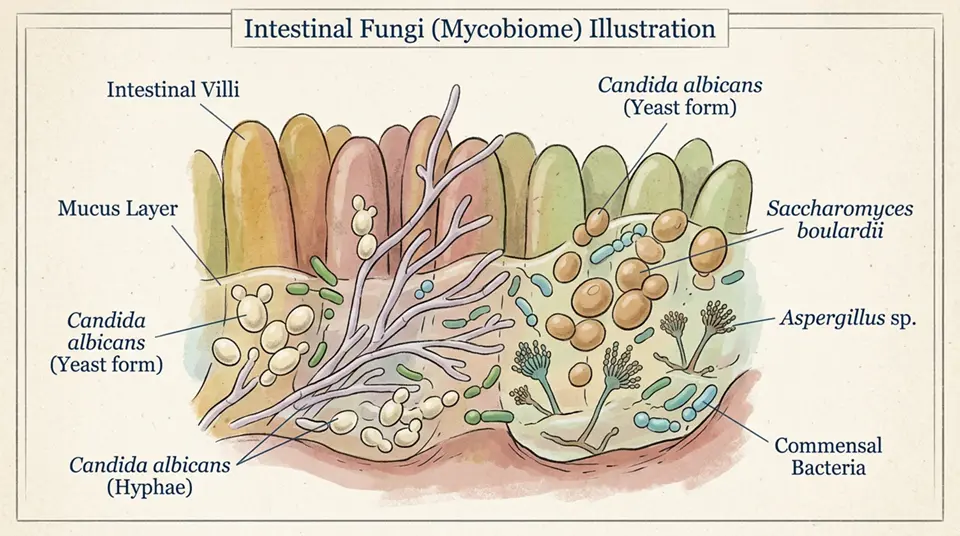
The emergence of drug-resistant fungal pathogens such as Candida auris has intensified discussions regarding future fungal threats.
The fascination surrounding zombie-ant fungi partly reflects a deeper scientific reality: fungi are capable of biological interactions far more complex than previously believed.
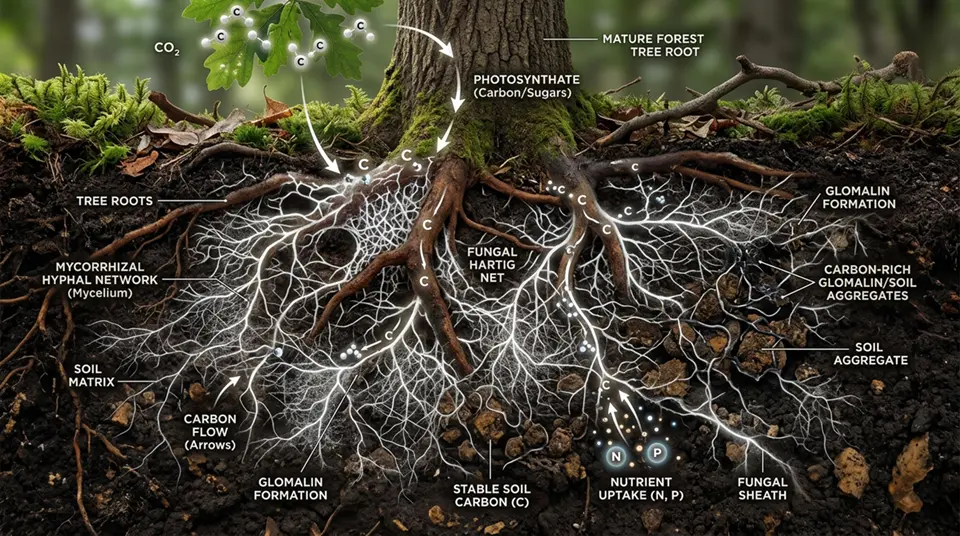
Rather than existing solely as decomposers, fungi participate in communication networks, symbiotic partnerships, nutrient exchange systems, and parasitic relationships throughout nature. Some species connect plant root systems through underground fungal networks, while others manipulate insect behavior with extraordinary precision.
This dual role — as both ecosystem builders and ecological predators — makes fungi among the most influential organisms on Earth.
Advances in Fungal Research and Imaging
Wildlife filmmakers and researchers have helped bring these hidden fungal worlds into public view. High-magnification cameras and advances in microscopic imaging now reveal biological processes that were once invisible to human observation.
Footage showing fungal spores infecting insects, fruiting bodies emerging from hosts, and microscopic fungal structures developing within tissues has transformed public understanding of fungal biology.
What was once viewed primarily as mold growing on food or mushrooms emerging after rain is now recognized as part of an immense biological kingdom shaping life across the planet.
The Future of Fungal Science
Scientists stress that many questions remain unanswered.
Researchers continue investigating how fungal pathogens evolve, how they influence behavior, and how environmental changes may affect future disease emergence. New fungal species are discovered every year, suggesting humanity has only begun exploring the true scale of fungal diversity.
The study of parasitic fungi highlights a recurring lesson in biology: some of the most powerful forces within ecosystems are not large predators or visible environmental changes, but microscopic organisms operating largely unseen.
Beneath forest floors, within insect colonies, and across ecosystems worldwide, fungi continue influencing survival, evolution, and ecological balance in ways that are only now becoming fully appreciated.
Far from being simple decomposers, deadly fungi represent one of nature’s most sophisticated and enigmatic forms of life — organisms capable of transforming behavior, shaping populations, and quietly directing biological processes throughout the natural world.
References
According to discoverwildlife