
What’s in your milk may depend more on what the cow ate than on how the milk was processed.
A study published in Toxins examines how fungal contamination in dairy cattle feed connects to mycotoxin presence in milk — tracing a contamination pathway that begins in storage systems and ends at the consumer’s table. The central finding is straightforward: by the time mycotoxins appear in milk, the critical control point has already been missed.
The Feed Chain Problem
Dairy cattle consume large quantities of stored feed — silage, grains, and compound feeds that can support fungal growth under the right conditions. Harvesting, transport, storage, and on-farm handling each introduce opportunities for fungal colonization when moisture and temperature are favorable.
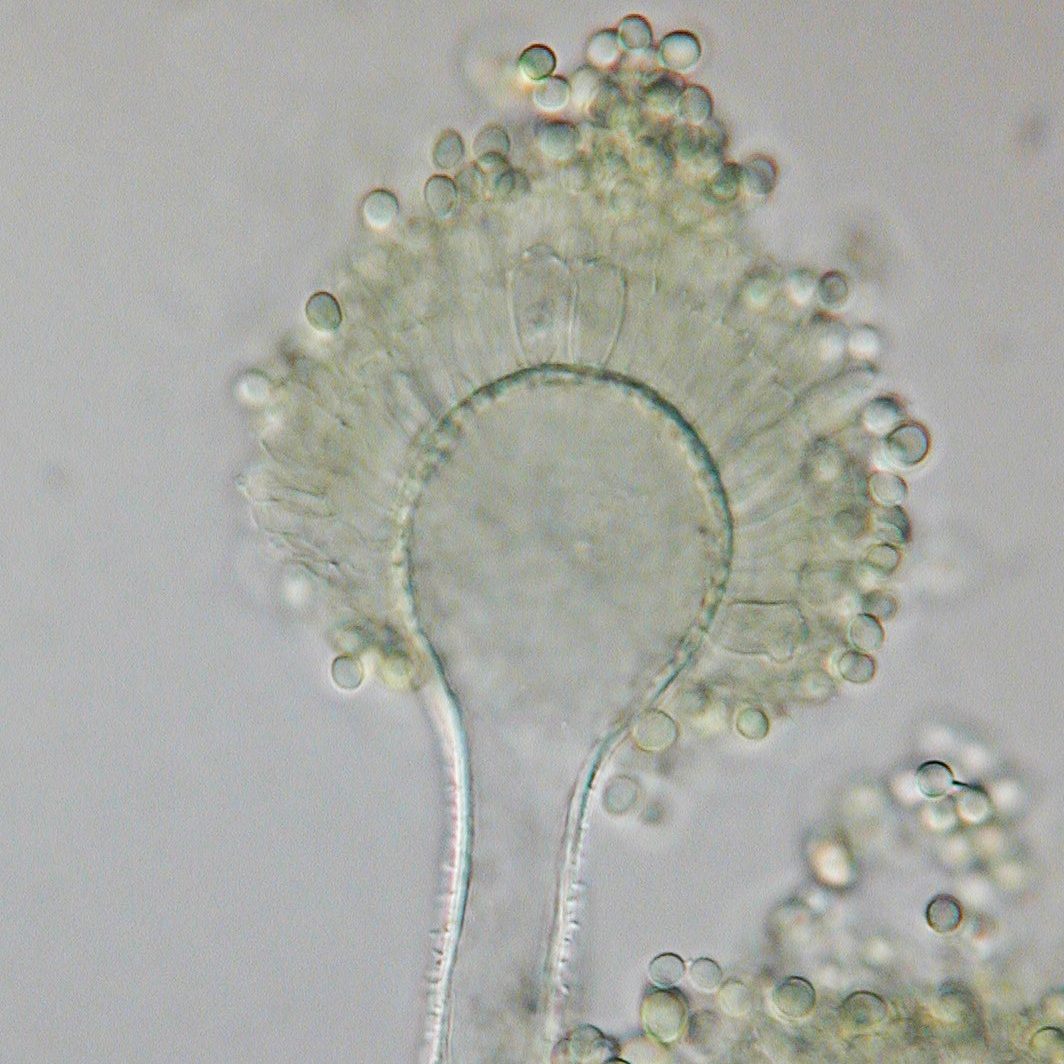
Not all fungal growth produces toxins. But species commonly found in stored feed — including Aspergillus flavus, Fusarium graminearum, and Penicillium verrucosum — are capable of producing mycotoxins when conditions allow. And once produced, those toxins don’t disappear when the visible mold does.

Moisture Is the Lever
Among the environmental variables the study examined, moisture emerged as the primary driver of fungal growth and toxin production. Water availability directly influences fungal metabolism, reproduction, and the conditions under which toxin synthesis occurs.
Moisture enters feed systems through inadequate drying after harvest, condensation during storage, poor ventilation, or environmental humidity. Once water activity increases past a threshold level, fungal colonization can occur rapidly. Moisture control is therefore the most actionable single intervention for reducing contamination risk — and the one with the highest return before problems develop.
The Mechanism: B1 In, M1 Out
The study’s most directly food-safety-relevant finding involves aflatoxin. When cattle consume feed contaminated with aflatoxin B1, the compound is partially metabolized during digestion. One of the resulting metabolites — aflatoxin M1 — is excreted into milk.
This carry-over process creates a direct pathway from contaminated feed to finished dairy products. Aflatoxin M1 is regulated in milk in most major markets because of its persistence and toxicological properties. Its presence in milk is not a processing failure — it is a feed management failure that occurred weeks or months earlier.
What You Can’t See
A key practical point from the study: visual inspection of feed is not a reliable indicator of mycotoxin risk. Fungal growth that is no longer visible can still leave behind mycotoxins at biologically relevant concentrations. Clean-looking feed is not necessarily safe feed.
Dairy producers who rely on visual assessment as their primary quality check are working with incomplete information. Effective risk management requires mycotoxin-specific testing — not just observation of surface conditions.
Effects on the Animal
Before mycotoxins reach milk, they affect the animal consuming the feed. The study identifies potential outcomes at the herd level: reduced feed efficiency, metabolic stress, immune suppression, and decreased milk production — effects that may develop gradually without obvious clinical signs.
Subclinical mycotoxin exposure is harder to detect and, for that reason, harder to attribute to its source. Losses can accumulate before contamination is recognized as the cause, making early monitoring and feed testing particularly important in commercial dairy operations.
Prevention Over Remediation
Once mycotoxins are present in feed, removing them is difficult and often incomplete. Physical removal, heat treatment, and mycotoxin-binding additives can reduce exposure but do not eliminate the problem. Prevention is more effective and less costly.
The practical framework the study outlines applies across feed types, farm sizes, and geographic contexts: proper post-harvest drying, controlled storage conditions, adequate ventilation, routine moisture monitoring, and mycotoxin-specific feed testing before delivery to animals. These steps address root causes before they reach the animal — or the milk.
A System, Not a Stage
The most useful framing the study offers is a systems view of dairy production. Feed conditions affect fungal growth. Fungal growth affects toxin production. Toxin production affects animal metabolism. Animal metabolism affects carry-over. Carry-over affects milk safety.
Each stage is a link. Managing the chain at the earliest point — in the field and storage system, before feed is delivered to the animal — is where the most leverage exists. Milk safety doesn’t begin at the dairy.
Common Mycotoxin-Producing Fungi in Dairy Feed
Aspergillus flavus and Aspergillus parasiticus (aflatoxin producers), Fusarium graminearum and Fusarium verticillioides (associated with deoxynivalenol and fumonisins), and Penicillium verrucosum (associated with ochratoxin A) are among the fungal species most frequently identified in contaminated dairy feed systems.
FAQ
Does fungal contamination always lead to mycotoxins in milk? No. Toxin transfer depends on specific fungal species, toxin production conditions, and aflatoxin carry-over rates. Not all contaminated feed will produce detectable aflatoxin M1 in milk.
Why is moisture the key variable? Moisture controls fungal growth rates and metabolic activity — including toxin synthesis. Controlling water activity in stored feed is the most effective single intervention for reducing contamination risk.
Can removing visible mold make feed safe? Not reliably. Mycotoxins can persist at concentrations of concern even after fungal growth is no longer visible.
What is aflatoxin M1? A metabolite of aflatoxin B1 produced during digestion in cattle. It is excreted into milk and regulated by food safety authorities in most dairy markets.
How can dairy producers reduce risk? Through proper post-harvest drying, controlled storage conditions, adequate ventilation, routine moisture monitoring, and mycotoxin-specific feed testing before delivery to animals.
References
Fungal contamination of dairy cattle feed and mycotoxin carry-over to milk. Toxins, MDPI. https://www.mdpi.com/2072-6651/18/1/42
Key Takeaways
- What’s in your milk may depend more on what the cow ate than on how the milk was processed.
- Dairy cattle consume large quantities of stored feed — silage, grains, and compound feeds that can support fungal growth under the right conditions.
- And once produced, those toxins don’t disappear when the visible mold does.
- Moisture enters feed systems through inadequate drying after harvest, condensation during storage, poor ventilation, or environmental humidity.
- The study’s most directly food-safety-relevant finding involves aflatoxin.
Frequently Asked Questions
What should you know about the Feed Chain Problem?
Dairy cattle consume large quantities of stored feed — silage, grains, and compound feeds that can support fungal growth under the right conditions. Harvesting, transport, storage, and on-farm handling each introduce opportunities for fungal colonization when moisture and temperature are favorable.
What should you know about moisture Is the Lever?
Among the environmental variables the study examined, moisture emerged as the primary driver of fungal growth and toxin production. Water availability directly influences fungal metabolism, reproduction, and the conditions under which toxin synthesis occurs.
What should you know about the Mechanism: B1 In, M1 Out?
The study’s most directly food-safety-relevant finding involves aflatoxin. When cattle consume feed contaminated with aflatoxin B1, the compound is partially metabolized during digestion. One of the resulting metabolites — aflatoxin M1 — is excreted into milk.
What You Can’t See?
A key practical point from the study: visual inspection of feed is not a reliable indicator of mycotoxin risk. Fungal growth that is no longer visible can still leave behind mycotoxins at biologically relevant concentrations. Clean-looking feed is not necessarily safe feed.
What should you know about effects on the Animal?
Before mycotoxins reach milk, they affect the animal consuming the feed. The study identifies potential outcomes at the herd level: reduced feed efficiency, metabolic stress, immune suppression, and decreased milk production — effects that may develop gradually without obvious clinical signs.