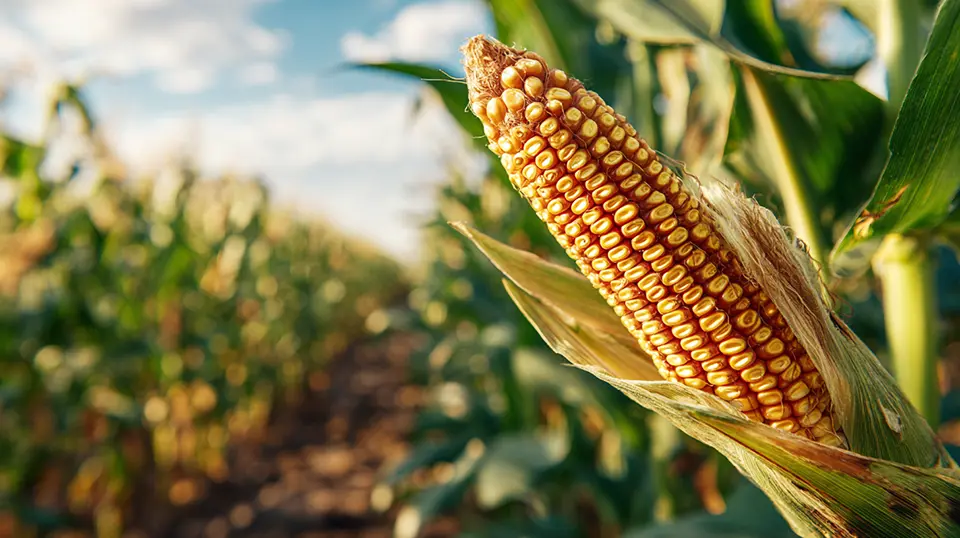
According to Agrolatam
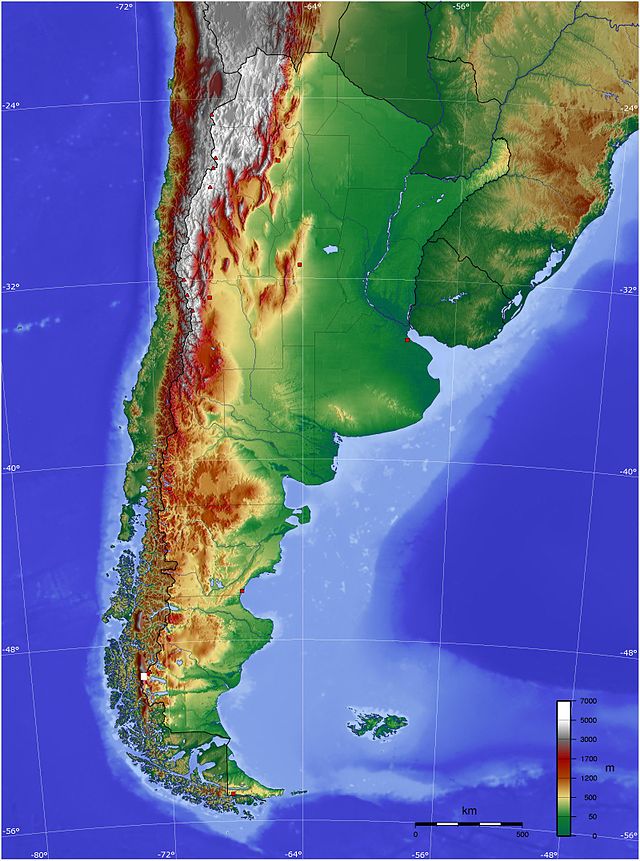
Argentina’s corn-growing regions are facing an unexpected challenge in early 2025 after a sudden cold wave disrupted normal crop development and triggered a spike in fungal diseases. Agronomists monitoring the situation report that the abrupt temperature drop has stressed corn plants at critical growth stages, weakening their natural defenses and creating opportunities for multiple pathogens to establish themselves.
Cold events are not unusual, but their timing and intensity matter. This particular cold wave arrived when many fields were transitioning from early vegetative growth toward rapid structural development—a moment when corn is physiologically vulnerable. The plant’s metabolism slows dramatically under cold stress, decreasing nutrient uptake, inhibiting growth, and compromising cell integrity. These weakened tissues provide ideal entry points for soilborne and foliar fungi.
From my perspective as a reporter who follows climate-linked plant diseases, this event reflects the growing entanglement between extreme weather and pathogen pressure. The fungi affecting corn in 2025 are not new, but the conditions that empower them are becoming more erratic, compressing disease cycles into shorter and more damaging windows.
Source: Wikimedia Commons, CC BY-SA 4.0
A Surge in Pathogens: What Agronomists Are Observing
Immediately after the cold wave, experts reported increases in several common but economically significant corn diseases:
Anthracnose (Colletotrichum graminicola)
Plants are showing early lesions, wilting, and increased stalk vulnerability. Cold stress magnifies anthracnose severity by slowing tissue recovery and lowering immune response.
Diplodia Stalk Rot (Stenocarpella maydis)
Diplodia thrives in weakened stalks. Agronomists warn that cold-induced tissue damage provides a pathway for rapid colonization, raising risks of lodging later in the season.
Fusarium Stalk Rot (Fusarium verticillioides, Fusarium graminearum)
These pathogens exploit environmental fluctuations. Chilled tissue followed by warmer conditions accelerates infection, raising additional concerns about potential mycotoxin formation.
Northern Corn Leaf Blight (Exserohilum turcicum)
The disease appears earlier than normal, supported by humidity shifts that accompanied the cold front.
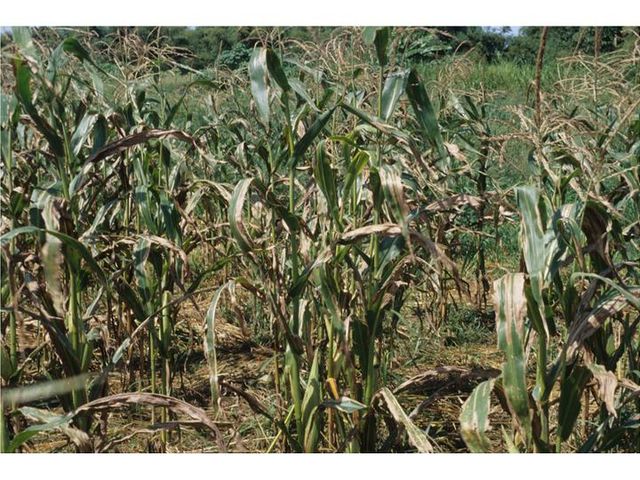
The pattern is clear: cold stress reduces corn’s resilience, and opportunistic fungi capitalize on that weakness.
Source: Wikimedia Commons, CC BY-SA 3.0
Why Cold Waves Favor Fungal Disease
Although fungi typically thrive in warmth, cold indirectly strengthens their position through plant stress. Three mechanisms are particularly important:
Physiological Injury
Cold slows cell division, disrupts membranes, and causes microscopic cracks—allowing fungal spores to penetrate more easily.
Immune Reduction
A stressed plant produces fewer defense-related compounds, creating a biological “opening” for pathogens.
Microclimate Shifts
Cold nights often bring prolonged dew periods, increasing leaf wetness duration—a key driver of spore germination.
This interplay helps explain why fungal outbreaks frequently follow extreme weather events, even when conditions are not traditionally “disease-friendly.”
Potential Yield Consequences
While final impacts will depend on how the season progresses, agronomists warn that 2025 yields could be affected in several ways:
- reduced kernel fill due to impaired vascular systems
- early senescence from infection and stress
- increased stalk lodging in highly infected fields
- variable crop uniformity, complicating harvest timing
If warm and humid conditions return quickly—which is common after cold waves—disease pressure could intensify.
For Argentina, a major corn exporter, this raises both economic and logistical concerns. Even modest reductions in grain quality or volume could influence regional markets.

Source: Wikimedia Commons, CC BY-SA 4.0
Management Recommendations
Experts advise growers to adopt an integrated response:
- Monitor fields frequently for lesions, discoloration, and early lodging signals
- Select resistant hybrids for future plantings where cold variability is increasing
- Manage residue to reduce overwintering inoculum
- Ensure balanced fertilization, especially nitrogen and potassium
- Use fungicides selectively, understanding that they are only effective for certain pathogens and timing is critical
The overarching message: cold stress cannot be reversed, but disease escalation can be managed through early detection and strategic intervention.
My Perspective: Climate Extremes Are Redefining Disease Calendars
What stands out in this event is not the presence of fungal diseases—they have always been part of corn production—but rather their accelerated timing and intensified impact following a single extreme weather event.
Cold waves are becoming less predictable in both timing and intensity. When they strike at vulnerable growth stages, they shift disease calendars forward, giving fungi a head start that agronomists must now anticipate.
This underscores a trend I have reported on repeatedly: climate volatility is now one of the primary drivers of plant-disease dynamics. It disrupts crop development, weakens immunity, alters humidity patterns, and ultimately reshapes which pathogens dominate each season.
For Argentina, understanding these patterns will be essential for sustaining crop health in 2025 and beyond.
References
According to Agrolatam
Key Takeaways
- A sudden cold shock in Argentina’s corn-growing regions triggered conditions that dramatically accelerate Fusarium and Gibberella mold infections on maize crops.
- Abrupt temperature fluctuations stress corn plants physiologically, weakening immune responses and creating cellular damage that fungal pathogens exploit for rapid colonisation.
- Argentina is the world’s third-largest corn exporter; significant mycotoxin contamination from cold-shock events can affect global commodity markets and animal feed safety.
- Fusarium ear rot and Gibberella ear rot produce mycotoxins—including fumonisins, deoxynivalenol (DON), and zearalenone—that are harmful to livestock and humans.
- Early harvest timing, adjusted planting calendars, and pre-harvest fungicide applications are the primary mitigation strategies when cold-shock events occur during critical crop development stages.
Frequently Asked Questions
How does a sudden cold shock increase corn mold risk?
Sudden temperature drops during grain fill (approximately 60–90 days after planting) stress corn plants in several ways that favour mold: damaged silk tissue provides entry points for Fusarium species; physiological stress reduces the plant’s production of antifungal phenolic compounds; cold damage to the kernel pericarp (outer layer) creates direct colonisation routes for pathogens; and cold-stressed kernels have altered sugar-to-starch conversion, providing more readily available nutrients for fungal growth. Additionally, cold-wet conditions in the post-pollination period are ideal for Gibberella (Fusarium graminearum) spore dispersal and infection.
Which mycotoxins are associated with Fusarium ear rot in corn?
Fusarium ear rot is associated with multiple mycotoxin families depending on the causative species. Fusarium verticillioides and F. proliferatum produce fumonisins (B1, B2, B3)—classified as possible human carcinogens that cause leucoencephalomalacia (liquefactive brain necrosis) in horses and pulmonary edema in pigs. Fusarium graminearum (Gibberella ear rot) produces deoxynivalenol (DON, vomitoxin), zearalenone (ZEN, a phytoestrogenic mycotoxin causing reproductive disorders in livestock), and T-2 toxin. Regulatory limits for these mycotoxins in food and feed are set by the EU, US FDA, and Codex Alimentarius.
How does Argentine corn mold affect global markets?
Argentina produces approximately 55–60 million tonnes of corn annually and is the world’s third-largest exporter after the US and Brazil. Significant mycotoxin contamination events affect markets in several ways: export shipments may be rejected by importing countries that test for mycotoxin compliance (particularly EU buyers with strict fumonisin limits of 1,000 ppb in corn for human food); domestic animal feed safety is compromised, particularly for the pig and poultry industries; and forward contracts may require renegotiation when crop quality fails to meet specification. Price volatility in Argentine corn typically propagates through international commodity markets within days.
Can farmers detect cold-shock mold risk before harvest?
Growers can identify elevated mold risk through several pre-harvest indicators: visual inspection for characteristic Fusarium symptom patterns (white-pink cottony mycelium on kernels, premature husk senescence); use of rapid field test kits for DON and fumonisin (lateral flow immunoassay devices); drone-based multispectral imaging that can detect areas of crop stress; and meteorological monitoring services that flag cold-shock events and calculate disease risk indices (similar to BBCH-based disease warning systems used in Europe). Post-cold-shock sampling and testing before harvest allows farmers to plan segregated storage or sale of high-risk grain.
What are the best practices for managing mycotoxin-contaminated corn?
Management options depend on contamination severity. For mildly contaminated grain: drying to below 13.5% moisture inhibits further mycotoxin accumulation; cleaning to remove broken kernels and fines (which carry higher mycotoxin loads) can reduce overall contamination; and sorting by density (mycotoxin-damaged kernels are typically less dense). For severely contaminated grain: blending with clean grain is illegal in most jurisdictions for human food use; thermal processing (nixtamalisation for tortilla production) partially reduces fumonisin levels but doesn’t eliminate risk; and industrial uses such as ethanol fermentation may be the only viable destination for some contaminated loads.