According to WRAL NEWS
I. The Illusion of Control: Why Bleach Offers False Security
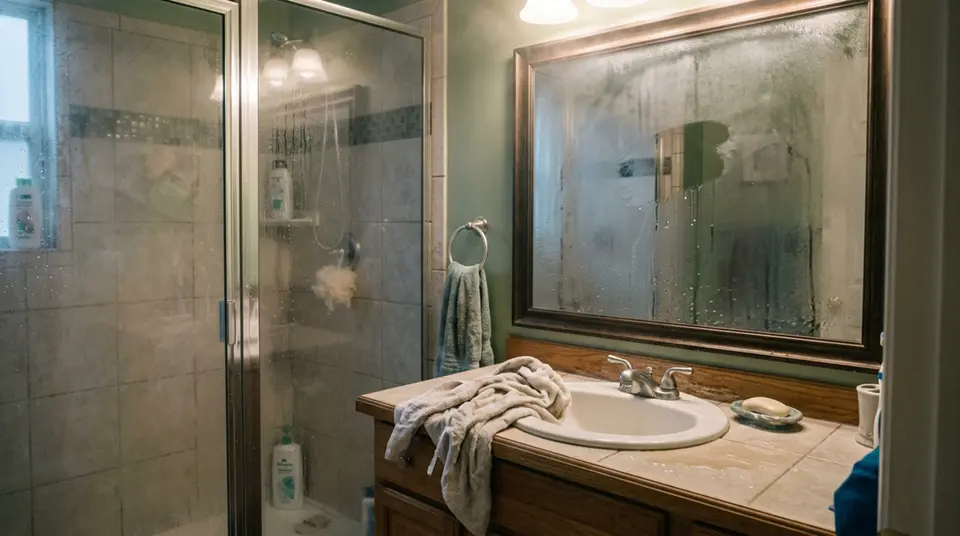
For decades, common household wisdom has held that chlorine bleach is the definitive solution for eradicating mold on walls, tiles, and bathroom surfaces. This assumption, however, is being critically challenged by mold remediation professionals. Experts, including those from SafeAir Certified Mold Inspection Inc., are emphasizing a crucial, but often misunderstood, biological truth: bleach is largely ineffective at killing mold at its source and frequently makes the long-term problem worse.
This warning shifts the narrative from immediate visual satisfaction to comprehensive structural hygiene, stressing that true mold elimination requires specialized methods that penetrate the surface, something common bleach fails to achieve.

II. The Biological Failure of Bleach on Porous Materials
The primary reason for bleach’s failure lies in the fundamental biology of mold and the chemical properties of bleach itself.
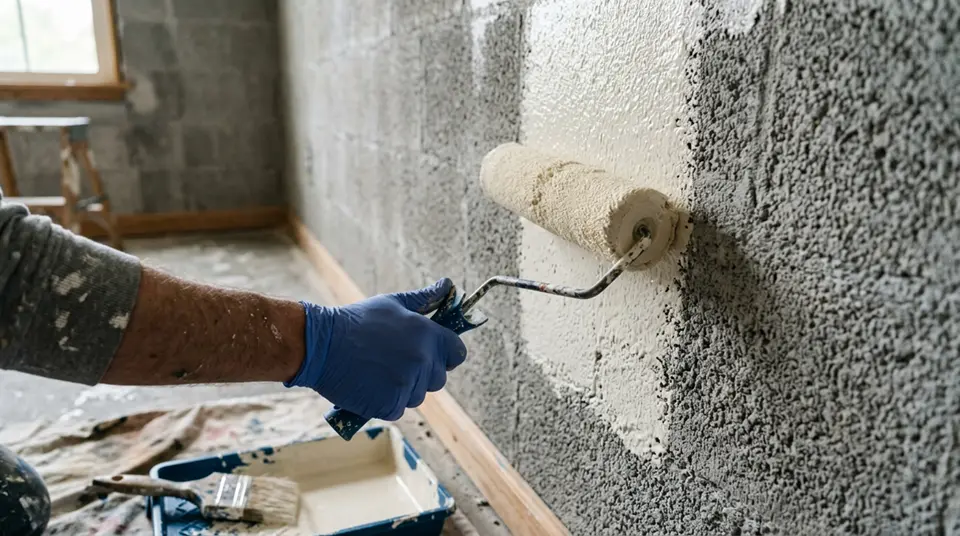
Surface Killing Only: When applied, the water content of chlorine bleach is quickly absorbed by porous materials like drywall, wood, or grout. The chlorine—the active mold-killing agent—is too large a molecule to be absorbed alongside the water. As a result, the chlorine remains on the surface, killing only the visible, exposed fungal spores.
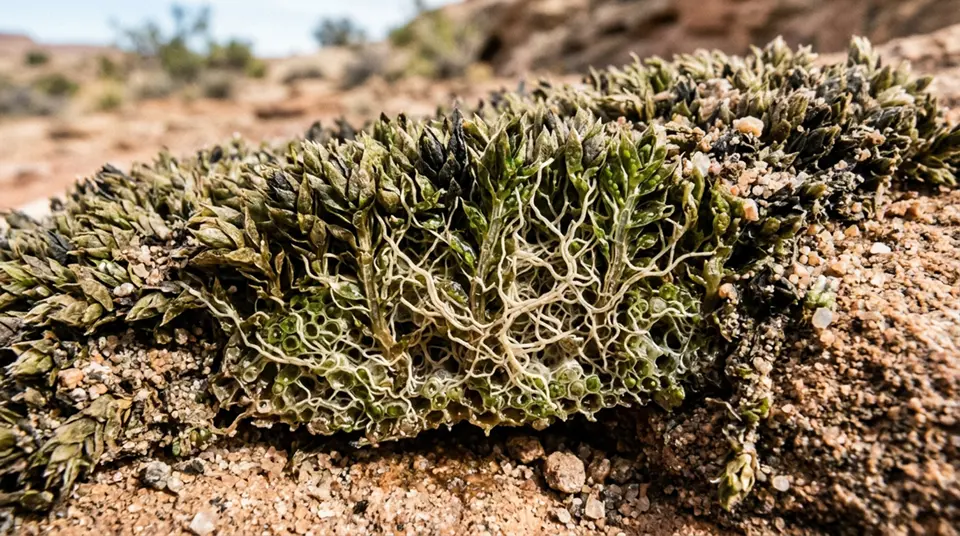
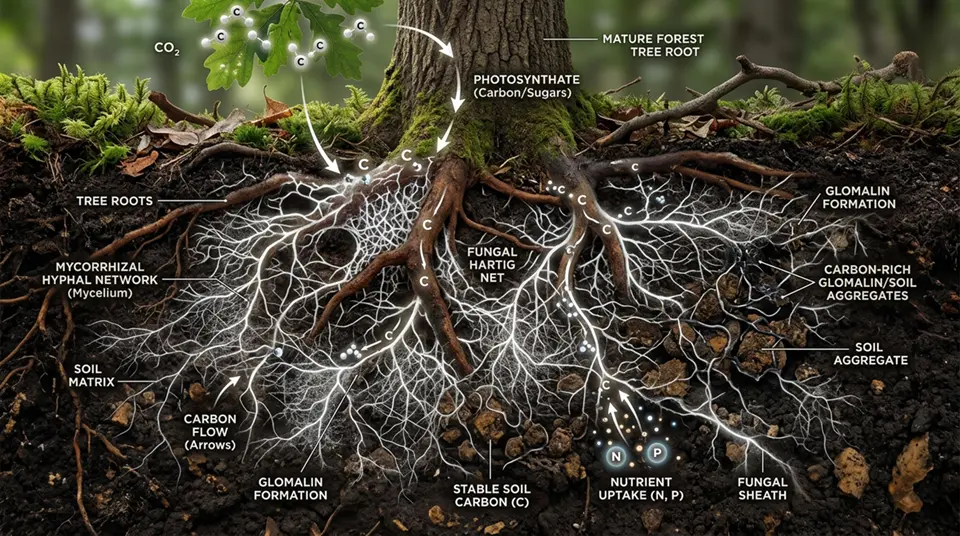
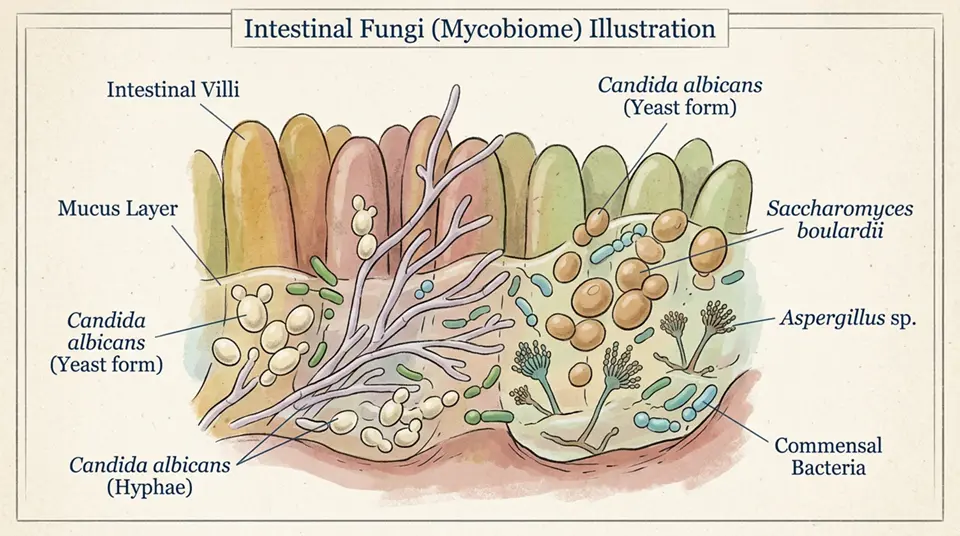
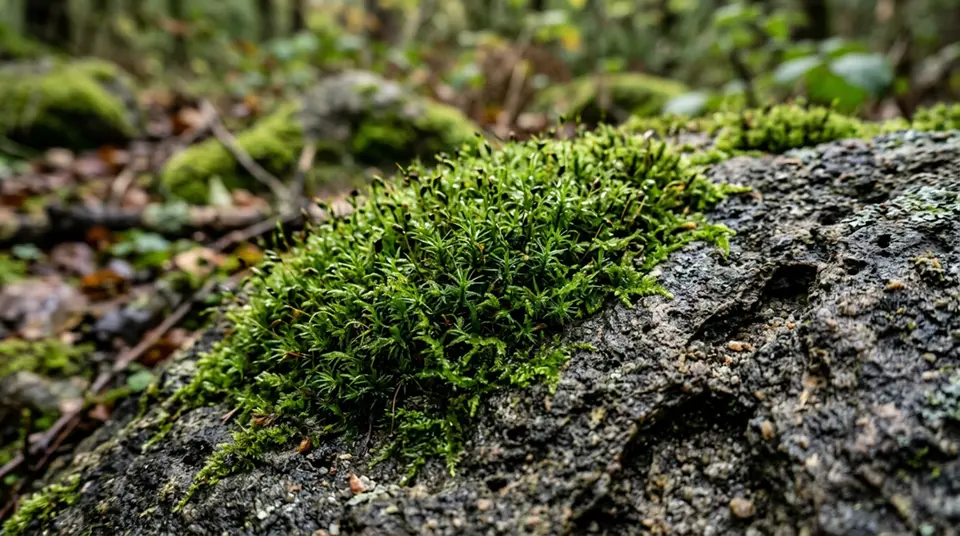
The Unseen Root System: Mold is not just a surface stain; it possesses a deep, thread-like root system called hyphae (fungal filaments) or mycelium. This root system is embedded within the material to access moisture and nutrients. When the surface mold is killed by bleach, the roots remain alive, often leading to the mold quickly regrowing and reappearing, creating an illusion of temporary success.
Feeding the Fungus: Experts point to the paradoxical danger: the water component of the bleach is absorbed by the porous material, effectively adding more moisture to the substrate. This added moisture then becomes a new food source for the resilient roots, inadvertently encouraging future mold growth once the surface chlorine has dissipated.

Source: Wikimedia Commons, CC BY-SA 4.0
III. Bleach and Mold: The Safety and Health Risks
Beyond its lack of efficacy, using bleach to treat mold introduces several health and safety hazards:
Toxic Fumes: Mixing chlorine bleach with other common cleaning agents, particularly ammonia or acids (like vinegar), creates highly toxic chloramine gas or chlorine gas, which can cause severe respiratory damage or even be lethal in enclosed spaces.
Respiratory Sensitivity: Even when used alone, the strong fumes from bleach can irritate the airways, worsening conditions like asthma, especially in homes already suffering from poor air quality due to the mold itself.
IV. The Expert-Recommended Solutions
Mold remediation professionals advise that effective, long-term mold removal requires addressing both the visible colony and the unseen root system, followed by fixing the underlying moisture problem.
Non-Chlorine Alternatives:
Experts recommend using non-toxic, non-chlorine antifungal solutions specifically formulated to penetrate porous surfaces and target the mold roots.
Mechanical Removal:
In cases of severe mold infestation on porous materials like drywall, physical removal and replacement of the contaminated material are often the only truly effective solution, as the roots cannot be chemically eradicated without destroying the substrate.
Moisture Control is Key:
The most crucial step is fixing the original moisture source—whether it’s a leaking pipe, inadequate ventilation, or excessive humidity—as mold cannot thrive without an abundant water source.
The objective viewpoint delivered by these mold experts is a clear shift from quick fixes to professional, informed action. The household bleach tradition, while well-intentioned, is revealed to be a biological fallacy that fails to address the root cause of the infestation.

Foto: Im 1. Obergeschoss aufgequollenes Parkett. Luftentfeuchter im Einsatz
Source: Wikimedia Commons, CC BY-SA 4.0
References
- U.S. Environmental Protection Agency (EPA): “Should I Use Bleach to Clean Up Mold?”
- U.S. Centers for Disease Control and Prevention (CDC): “Mold Clean Up Guidelines and Recommendations”
- U.S. Occupational Safety and Health Administration (OSHA): “A Brief Guide to Mold in the Workplace”
According to WRAL NEWS
Key Takeaways
- Bleach (sodium hypochlorite) kills surface mold on non-porous materials but fails to penetrate porous surfaces like drywall, wood, and grout—where mold roots (hyphae) survive and regrow within days.
- The water content of bleach solutions actually adds moisture to porous materials, potentially feeding mold regrowth after the chlorine evaporates.
- Bleach solutions become significantly less effective over time; a bottle opened for more than 3 months may have lost up to 50% of its active chloride content.
- EPA guidelines do not recommend bleach as a primary mold remediation agent for porous building materials; physical removal followed by drying is the recommended approach.
- For porous surfaces, enzymatic cleaners, borate-based products (like Borax), or professional remediation with HEPA containment are more effective alternatives.
Frequently Asked Questions
Why doesn’t bleach kill mold permanently on walls?
Bleach’s active ingredient (sodium hypochlorite) is highly reactive and quickly breaks down. When applied to porous surfaces like drywall or wood, the water in the bleach solution penetrates deep into the material, but the chlorine molecules are too large to follow—they remain on the surface and evaporate. Mold’s root-like structures (hyphae) extend deep into porous materials and are unaffected by surface bleach applications. The added moisture then provides ideal conditions for mold regrowth, often resulting in visible mold returning within 1–2 weeks.
What does bleach actually do to mold?
Bleach kills mold cells on contact with non-porous surfaces (glass, sealed tile, plastic) by disrupting cell membranes and oxidising proteins. It also removes the pigmentation from mold, making surfaces appear clean even when dormant or dead mold spores remain. On porous materials, it kills surface cells while leaving deeper colonies intact. The ‘clean’ appearance after bleach treatment on porous materials can be deceptive—the mold is not eliminated, just temporarily bleached white.
What are the safest alternatives to bleach for mold removal?
For porous materials, the most effective approach is physical removal: cut out and bag affected drywall (HEPA vacuum first), sand or scrape affected wood surfaces, then apply an antimicrobial treatment. Borate solutions (Borax mixed with water) penetrate porous surfaces and inhibit mold regrowth without adding significant moisture. Enzymatic cleaners break down mold proteins. For prevention, hydrogen peroxide (3%) is effective on semi-porous surfaces and breaks down into water and oxygen. Tea tree oil (2 teaspoons per 2 cups water) has antifungal properties for mild surface applications.
When is professional mold remediation required instead of DIY cleaning?
The EPA recommends professional remediation when mold covers more than 10 square feet (approximately 1 square metre), when mold is in HVAC systems or ventilation ducts, when contamination follows a sewage backup, when occupants have health symptoms that may be mold-related, or when the source of moisture has not been identified and fixed. Professional remediation involves containment, negative air pressure, HEPA vacuuming, physical removal of affected materials, and post-remediation testing to verify clearance.
Is it safe to use bleach on bathroom grout?
Bathroom tile grout is semi-porous, meaning bleach provides limited penetration and the effect is temporary. Bleach will remove surface staining and kill cells on the grout surface, but mold within the grout body will survive and regrow. More effective approaches include: applying a thick paste of Borax and water and allowing it to dry before scrubbing; using a commercial grout-specific antifungal product; or—for severely affected grout—grinding out the old grout and applying fresh grout treated with a mold-resistant additive.