According to UGA
The Overlooked Killer: Fungal Infections in the Public Health Shadow

Source: Wikimedia Commons — CC BY 2.0 (CDC Public Health Image Library)
As the annual ritual of flu shots and hand sanitizers begins, the public conversation around infectious disease focuses relentlessly on viruses and bacteria. Yet, lurking in the shadows of public health concern is a formidable adversary that remains largely unchecked: invasive fungal infections.
These infections are far from benign; they claim over 1.5 million lives globally each year (WHO Fungal Priority Pathogens List, 2022) — a staggering figure that rivals, and sometimes surpasses, the toll of better-known infectious diseases. For too long, fungi have been the quiet giants of medical microbiology, often overlooked until they become deadly.
The threat is compounded by two critical realities. First, doctors possess a severely limited arsenal of antifungal treatments compared to antibiotics. Second, and more alarming, antifungal resistance is a growing crisis, rendering the few available drugs less effective over time.
This creates a significant, unmet clinical need, particularly for the most vulnerable populations. In hospitals, fungal infections can double the length of a patient’s stay and significantly increase mortality rates, highlighting the urgent need for a preventative solution.
A Pioneering Defense: The UGA Vaccine Breakthrough

Source: Wikimedia Commons — CC BY-SA 3.0
Amidst this urgent need, a beacon of scientific hope has emerged from the University of Georgia (UGA). Dr. Karen Norris, the Georgia Research Alliance Eminent Scholar in Immunology and Translational Biomedicine, and her team are pioneering the development of what could become the world’s first clinically approved vaccine designed to prevent these pathogenic fungal infections.
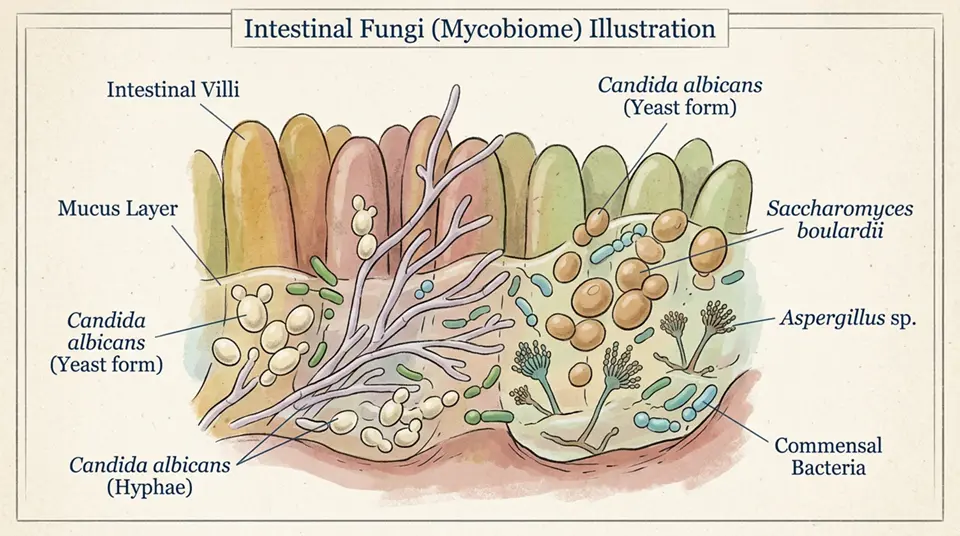
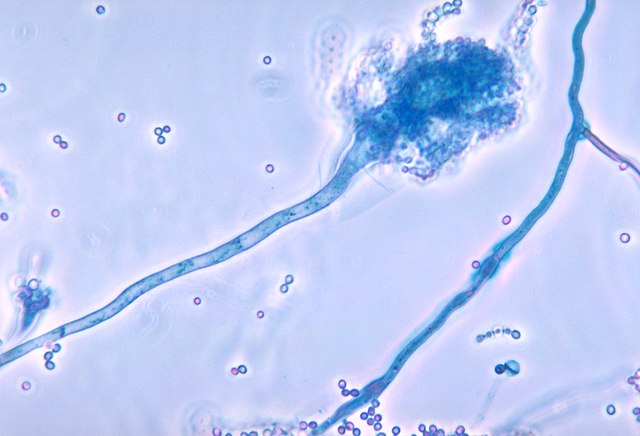
The innovative vaccine candidate, known by the designation NXT-2, is not a single-target defense. It is designed to be a broad, cross-protective “pan-fungal” vaccine. Critically, it targets the three most common fungal pathogens responsible for over 80% of fatal invasive fungal infections: Aspergillus, Candida, and Pneumocystis.
This multi-pronged strategy is what makes the vaccine potentially groundbreaking, offering widespread protection from the major culprits in a single dose.
Source: Wikimedia Commons — CC BY-SA 4.0
Shielding the Highly Vulnerable
The significance of this vaccine lies in its potential to transform care for the millions of people whose immune systems are compromised.
The patient population at risk for invasive fungal infections has swelled in recent years, encompassing:
- Organ transplant recipients, relying on immunosuppressive drugs to prevent organ rejection.
- Cancer patients, undergoing chemotherapy or radiation, which severely weakens immune response.
- Individuals with HIV, whose immune systems are already compromised (UNAIDS Global HIV Report, 2024).
In preclinical animal models — including nonhuman primates and immunosuppressed models simulating human drug regimens — the vaccine has demonstrated remarkable efficacy, successfully inducing protective antibodies against all three target pathogens (Nature Microbiology, 2024).
It’s a testament to the vaccine’s design, which wisely focuses on common fungal cell wall antigens — structures unique to fungi, making them ideal immune targets.
A Phased Approach: From Yeast Infections to Life-Saving Prevention
The path to clinical approval is long and meticulous, but the UGA team is moving forward with a clear strategy.
The initial Phase I human safety trial is slated to focus on women suffering from recurrent vulvovaginal candidiasis (RVVC) — commonly known as chronic yeast infections. This condition, caused by Candida, affects hundreds of millions of women globally and represents a major health and economic burden (CDC Candida Factsheet).
While seemingly less dramatic than fatal invasive infections, this initial trial is highly strategic. Success in treating and preventing recurrent, non-life-threatening Candida infections will provide essential safety data and proof of concept for human efficacy.
Subsequent trials will then expand to focus on high-risk, life-threatening infections in immunocompromised patients — the true mission of the vaccine.
This phased approach underscores the delicate balance between scientific rigor and global public health impact. The World Health Organization (WHO) has already recognized fungal diseases as a top public health threat, placing this research at the forefront of medical innovation.
A New Chapter in Immunology

Source: Wikimedia Commons — CC BY-SA 4.0
The development of this vaccine marks not just a scientific achievement for the University of Georgia, but a pivotal moment in immunology. It acknowledges that effective disease prevention requires looking beyond the familiar culprits.
The need for a dedicated fungal vaccine has been recognized for decades, yet the complexity of fungal organisms — which share more cellular similarities with human cells than bacteria — has made vaccine development arduous (Cell Host & Microbe, 2023).
Dr. Norris and her team’s success in developing a pan-fungal vaccine candidate that works across diverse pathogens and in various immunosuppressed hosts is a powerful rebuttal to that historical difficulty.
If successful in clinical trials, this vaccine will offer the first true preventive shield against fungal scourges, transforming hospital care and extending the lives of the most fragile patients.
It represents a victory for targeted, sophisticated prevention in an era defined by increasing drug resistance.
References
- WHO. Fungal Priority Pathogens List, 2022.
- CDC. Antifungal Resistance.
- Nature Microbiology (2024). Pan-fungal vaccine induces broad protection in preclinical models.
According to UGA
Key Takeaways
- Invasive fungal infections kill an estimated 1.5–3.8 million people annually worldwide—a death toll comparable to tuberculosis—yet receive a fraction of the research funding and public attention.
- No licensed fungal vaccines currently exist; the first human fungal vaccine candidates are now in Phase 2 clinical trials, representing a historic milestone in infectious disease research.
- Candida, Aspergillus, Cryptococcus, and endemic fungi (Coccidioides, Histoplasma) account for the majority of invasive fungal infections, disproportionately affecting immunocompromised patients.
- Rising global temperatures, increased antifungal resistance, and the growing immunocompromised patient population (HIV, cancer, transplant recipients) are all expanding the at-risk population.
- The COVID-19 pandemic highlighted fungal co-infection risks: COVID-associated pulmonary aspergillosis (CAPA) affected an estimated 10–30% of critically ill COVID-19 patients in some ICU studies.
Frequently Asked Questions
Why don’t we have fungal vaccines yet?
Developing vaccines against fungi is significantly more challenging than against bacteria or viruses for several reasons. Fungi are eukaryotes—their cellular structure is far more similar to human cells than bacteria or viruses, making it harder to identify fungal-specific targets that the immune system can attack without self-harm. Additionally, most serious fungal infections occur in immunocompromised patients whose immune systems may not respond adequately to vaccination. Until recently, commercial interest in fungal vaccines was also limited due to the relatively smaller (though growing) patient population compared to viral diseases.
How many people die from fungal infections each year?
A landmark 2022 study in The Lancet Infectious Diseases estimated that fungi are associated with approximately 3.8 million deaths annually worldwide. Invasive candidiasis, cryptococcal meningitis, and aspergillosis are the leading killers. Cryptococcal meningitis alone—predominantly affecting people with advanced HIV—accounts for an estimated 135,000–180,000 deaths per year. Despite this burden, fungal diseases received only 1.5% of infectious disease research funding as of 2022.
Who is most at risk for serious fungal infections?
The highest-risk populations are: people living with HIV/AIDS (particularly with CD4 counts below 200); organ transplant recipients on immunosuppressive medications; patients receiving chemotherapy or high-dose corticosteroids; individuals with haematological malignancies (leukaemia, lymphoma); premature infants; and critically ill ICU patients. Climate change is also creating new geographic risk zones as endemic fungi like Coccidioides (Valley Fever) expand their range northward in North America.
What are the most common serious fungal infections?
The major invasive fungal infections include: invasive candidiasis (bloodstream infections from Candida species, primarily in hospitalised patients with catheters or recent surgery); invasive aspergillosis (lung infections from Aspergillus fumigatus, particularly in immunocompromised patients); cryptococcal meningitis (brain infection from Cryptococcus neoformans in HIV patients); and endemic mycoses including Valley Fever (Coccidioidomycosis), Histoplasmosis, and Blastomycosis in specific geographic regions.
What fungal vaccine candidates are currently in development?
Several promising candidates are in clinical trials. NDV-3A, a vaccine targeting Candida albicans and Staphylococcus aureus, completed Phase 2 trials showing immunogenicity. A Coccidioides (Valley Fever) vaccine has been in development at the University of Arizona for decades, with recombinant protein candidates now in human trials. Research into vaccines against Cryptococcus and Aspergillus is at earlier stages. The Global Action Fund for Fungal Infections (GAFFI) is coordinating international efforts to accelerate fungal vaccine development.