According to CBC
I. The Unexpected Aroma: An Earthy Alert in the Kitchen
Residents across Metro Vancouver recently noticed an unsettling change in their tap water: a distinct, earthy, and sometimes musty odour. This sudden shift in water quality, while harmless, prompted a wave of inquiries and public concern, forcing municipal authorities to swiftly address the source of the unwelcome scent.
The core cause, as explained by water quality experts, lies not in contamination or pollution, but in a naturally occurring chemical compound often associated with nature itself: geosmin.
This phenomenon highlights the hidden, complex biological processes at work within large water systems and the sensitivity of public perception when the most basic utility—drinking water—suddenly changes its character.

Source: Wikimedia Commons, CC BY-SA 4.0
II. Geosmin: The Scent of Soil and Biological Activity
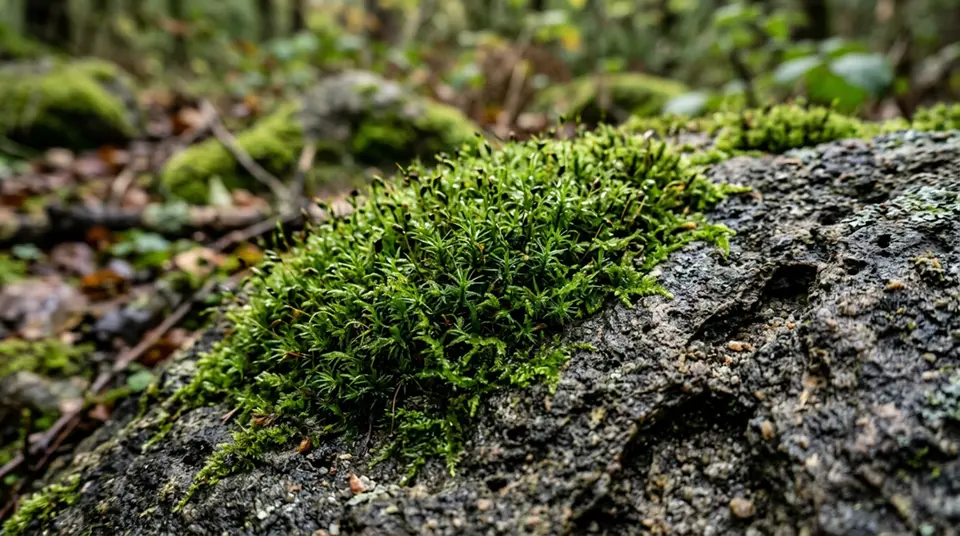
Geosmin (meaning “earth smell”) is a volatile organic compound produced by certain species of cyanobacteria (blue-green algae) and actinomycetes (filamentous bacteria), which are natural inhabitants of freshwater and soil ecosystems.
- The Mechanism:
These microbes release geosmin as a metabolic by-product. When their populations bloom and then naturally die off, geosmin is released into the water. - Intense Detection:
The human nose is remarkably sensitive to geosmin. Humans can detect this compound at concentrations as low as five to ten parts per trillion (ppt)—equivalent to detecting a few drops of water in an Olympic-sized swimming pool.
This explains why a small biological event can cause widespread perception of odour changes. - The Recent Bloom:
The sudden odour onset was likely due to a cyanobacterial bloom in the regional water reservoirs. Factors like temperature shifts, increased sunlight, or nutrient changes can trigger these biological surges.

Source: Wikimedia Commons, CC BY-SA 4.0
III. The Reassurance: Odour vs. Safety
The most crucial message delivered by Metro Vancouver officials was one of reassurance: despite the strong smell, geosmin is non-toxic and poses no health risk.
- No Health Threat:
Water treated by the municipal system remains safe to drink and meets all Canadian Drinking Water Guidelines. The issue is purely aesthetic, not toxicological. - Treatment Effectiveness:
The water treatment plants use rigorous filtration and chlorination processes that kill the algae and bacteria producing geosmin.
However, removing geosmin itself is challenging—it is chemically stable and resistant to standard disinfection.
Ozonation or advanced oxidation processes (AOP) are sometimes used for complete odour removal but are not always applied if the bloom is temporary.
IV. The Viewpoint: A Lesson in Ecological Awareness
This odour episode serves as a reminder of the environmental interconnectedness of urban infrastructure. The water flowing from a kitchen tap directly reflects the ecological health of surrounding reservoirs and watersheds.
The objective truth is that the earthy odour is a benign side-effect of natural microbial activity within the watershed. It underscores the fragile illusion of sterile, uniform water and reminds urban populations that their most essential resource is shaped by seasonal rhythms, temperature, and biological events.
For city authorities, this reinforces the importance of public communication and continuous investment in advanced water treatment technologies to manage future episodes.

Source: Wikimedia Commons, CC BY-SA 4.0
References
- U.S. Environmental Protection Agency (EPA). Drinking Water and Odour Issues.
- Health Canada. Canadian Drinking Water Guidelines.
- World Health Organization (WHO). Drinking-Water Quality and Safety.
According to CBC
Key Takeaways
- Metro Vancouver residents detected an earthy, musty odour in tap water caused by geosmin—a naturally occurring compound produced by cyanobacteria and actinobacteria in source reservoirs.
- Geosmin is detectable by the human nose at concentrations as low as 5 parts per trillion, making it one of the most odour-potent compounds in nature.
- The water remained completely safe to drink throughout the episode; geosmin has no known toxicity at the concentrations found in municipal water supplies.
- Standard water treatment processes (chlorination, filtration) do not reliably remove geosmin; advanced treatment methods including activated carbon filtration and ozonation are more effective.
- Geosmin episodes typically occur seasonally when algal and bacterial blooms in source reservoirs intensify during warmer months with elevated water temperatures.
Frequently Asked Questions
What is geosmin and where does it come from?
Geosmin (trans-1,10-dimethyl-trans-9-decalol) is a bicyclic alcohol compound produced primarily by cyanobacteria (blue-green algae) and actinobacteria—particularly Streptomyces species—that live in soil and freshwater reservoirs. It is the same compound responsible for the characteristic earthy smell of rain hitting dry soil (petrichor). In water supplies, geosmin is released when these organisms die, bloom, or are disrupted by changing water temperatures and nutrient conditions.
Is earthy-smelling tap water safe to drink?
In most cases, yes. The earthy odour in Metro Vancouver’s water during this episode was confirmed to be caused solely by geosmin, which has no known toxicity at the concentrations present in treated municipal water. Regulatory agencies including Health Canada and the US EPA set aesthetic guidelines (not health limits) for geosmin at 5–10 nanograms per litre based on odour threshold, not safety concerns. If your local water authority has confirmed the source of the odour, the water is safe.
Why can humans smell geosmin at such low concentrations?
Humans are extraordinarily sensitive to geosmin—capable of detecting it at concentrations as low as 5 parts per trillion (5 nanograms per litre), making it one of the most potent odour compounds known. Evolutionary biologists suggest this sensitivity may have developed because geosmin signals the presence of moist soil (associated with plant growth and food sources), or alternatively because certain geosmin-producing bacteria are pathogens whose avoidance conferred survival advantages.
Can boiling remove the earthy taste from tap water?
Boiling water can temporarily volatilise geosmin and reduce its odour intensity, but this is not fully effective because geosmin has a relatively high boiling point and will not completely evaporate during a brief boil. Activated carbon filters (such as pitcher-type Brita or carbon block under-sink filters) are significantly more effective at removing geosmin and MIB (2-methylisoborneol), the other compound responsible for musty water odour. Reverse osmosis systems also remove geosmin effectively.
What water treatment methods remove geosmin?
Standard water treatment (coagulation, flocculation, sedimentation, chlorination) does not reliably remove geosmin because the compound is dissolved rather than particulate. The most effective treatment approaches are: granular activated carbon (GAC) filtration, which adsorbs geosmin from the water; ozonation, which oxidises geosmin into odourless compounds; and powdered activated carbon (PAC) dosing, which can be added as a seasonal measure when geosmin concentrations rise. Many large water utilities combine ozonation with GAC as a permanent treatment train.